Audi Q3 Oem Options Installation Review — Cost
Service Price
$150+
Estimated price · Actual price may vary by shop
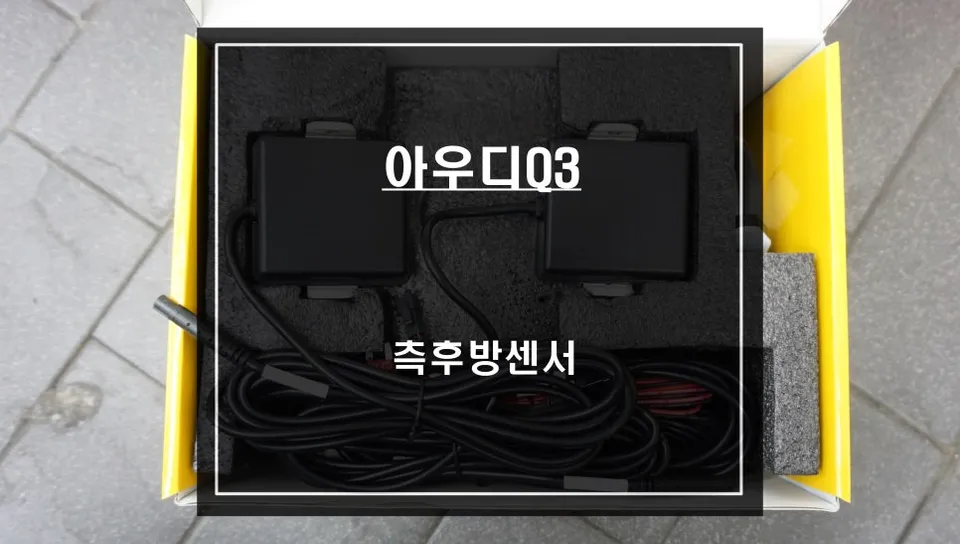
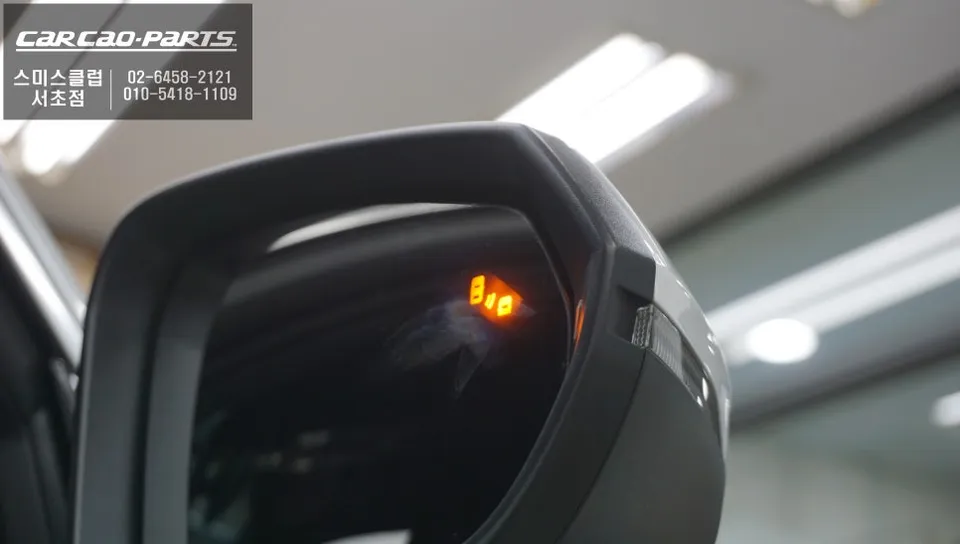
Audi Q3 blind spot sensors retrofit: $150+. Enhances lane change safety with visual/audible alerts.
Why Your Audi Q3 Needs Blind Spot Sensors
Changing lanes can be nerve-wracking, especially when you can't be 100% sure what's lurking in your blind spots. While many luxury vehicles come standard with advanced safety features, some models, like certain trims of the Audi Q3, may not include factory-installed blind spot detection. This review showcases a practical solution: a blind spot sensor retrofit that significantly enhances safety. We'll explore how this upgrade works, its effectiveness, and whether it's a worthwhile investment for your Q3.
Understanding Blind Spot Detection (BSM)
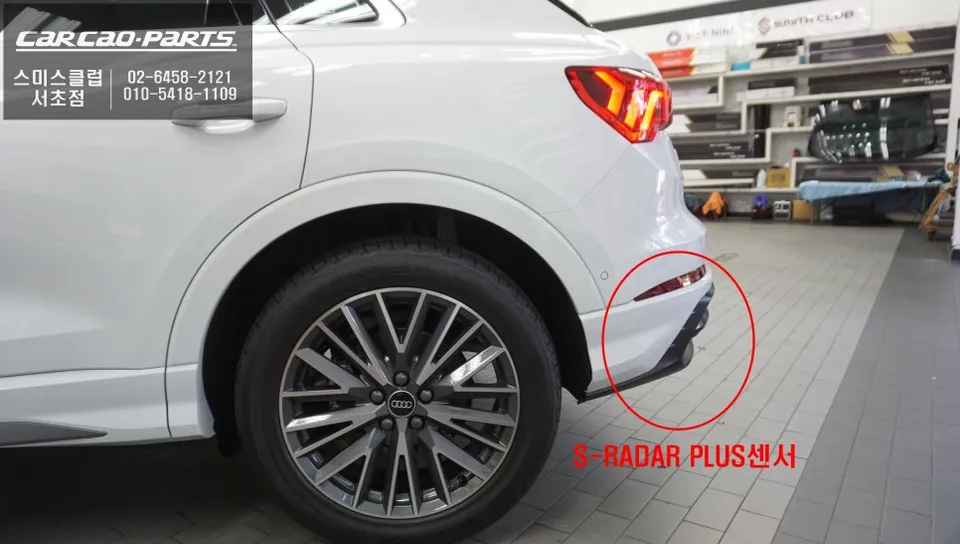
Blind Spot Detection (BSM), often referred to as a blind spot monitoring system, is a crucial safety feature. It uses sensors to detect vehicles approaching from the rear sides and alerts the driver through visual and auditory cues. For the Audi Q3, where this feature might be missing or only available on higher trims, an aftermarket or dealer option retrofit is a smart way to bolster safety. The installation we examined involved the S-RADAR PLUS sensor system combined with genuine wide-angle mirrors, offering a clean, factory-like finish without compromising the vehicle's exterior.
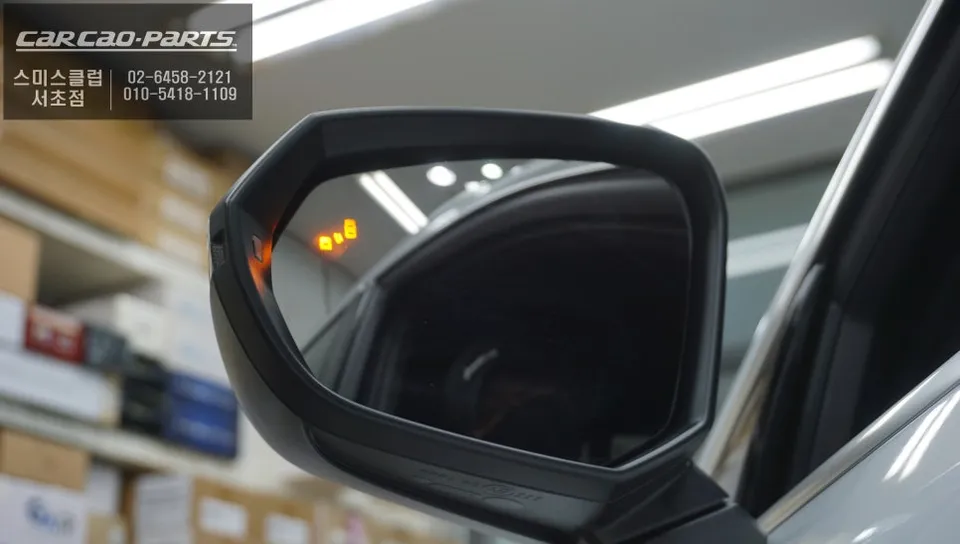
Wide-Angle Mirrors vs. Sensor Detection
There are two primary ways to improve rearward visibility: wide-angle mirrors and sensor-based systems. Wide-angle mirrors offer a broader field of vision compared to standard mirrors, allowing you to see more of the adjacent lanes and blind spots. However, they still require the driver to actively scan them. Sensor detection systems, on the other hand, actively monitor for moving vehicles. The S-RADAR PLUS system is particularly effective, detecting vehicles within approximately 7 meters (about 23 feet). Crucially, it's designed to ignore stationary objects like guardrails or parked cars, focusing solely on moving traffic to minimize false alarms and provide timely warnings during lane changes.
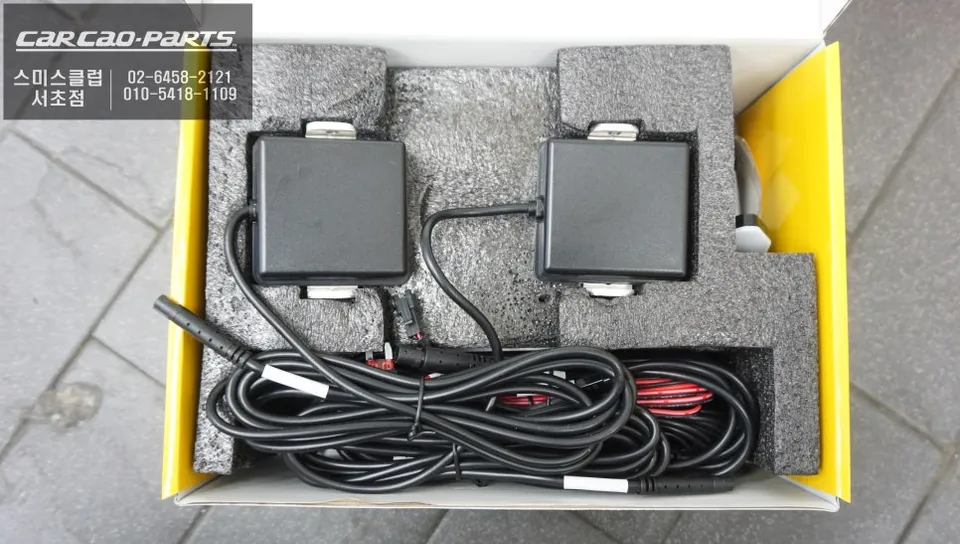
Audi Q3 Blind Spot Sensor Installation Process
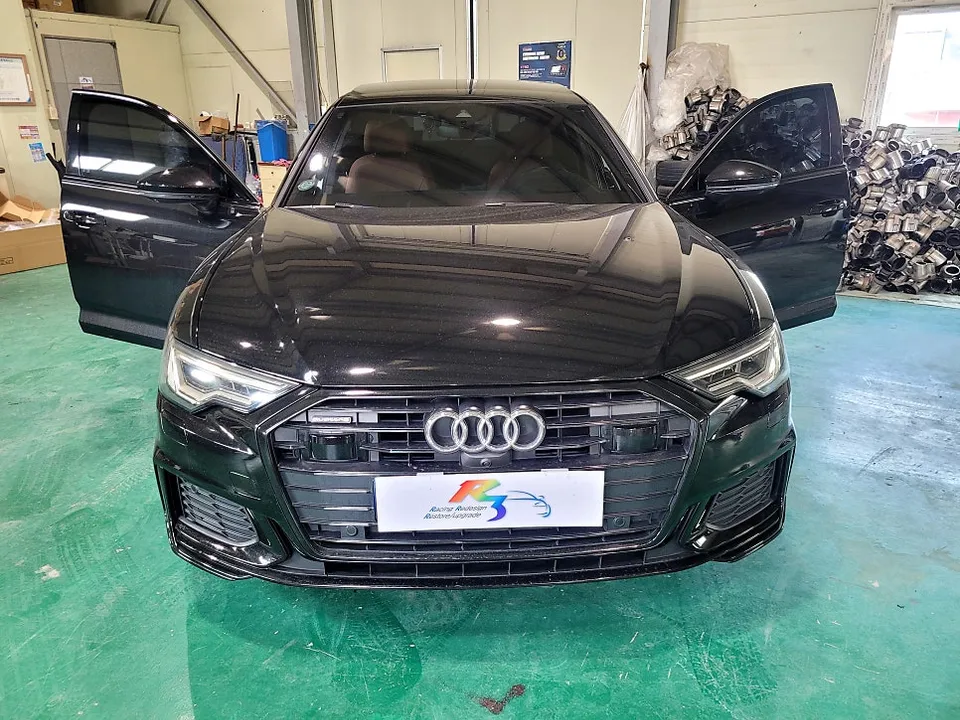
This installation was performed on a 2022 Audi Q3. The process began with the driver's side mirror. A genuine, factory-spec wide-angle mirror, often featuring the OEM logo, replaced the original. This ensures a seamless look and feel, as if it were a factory option. The key is to maintain the vehicle's original aesthetic integrity.
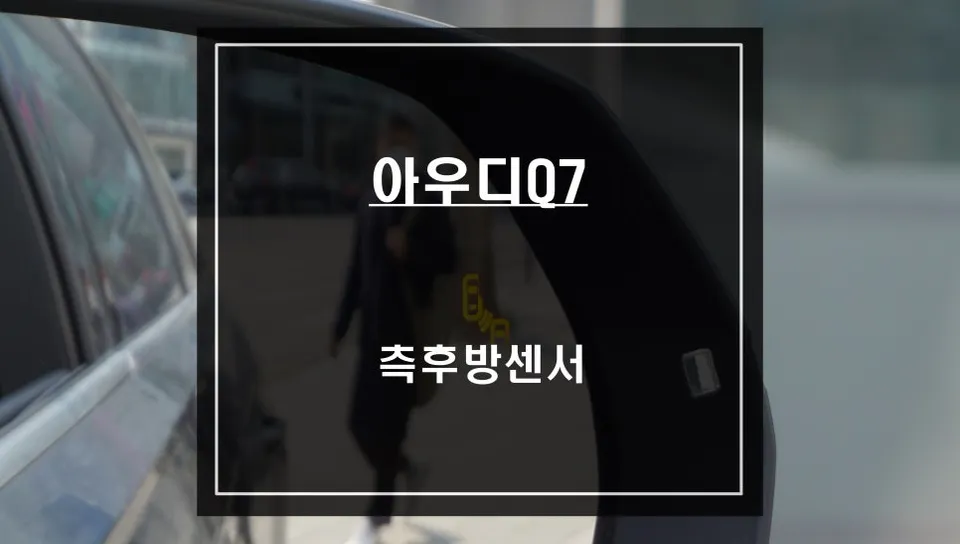
Next, the S-RADAR PLUS sensors were discreetly mounted on the underside of the side mirror assembly. This placement is ingenious as it avoids the need to dismantle the rear bumper, significantly reducing installation time and complexity. It also means no permanent modifications to the car's structure, making removal possible without leaving a trace.
Wiring is meticulously routed through the mirror housing and into the door panel, ensuring no visible wires are exposed. Professional installation prioritizes clean wire management to prevent future issues during maintenance or repairs.
How the Blind Spot System Works
Once installed, the system activates when a vehicle enters the rear blind spot. A small indicator light on the side mirror illuminates. If the driver signals a lane change while a vehicle is detected, the indicator light will flash, and an audible alert will sound. This dual warning system—visual and auditory—ensures the driver is alerted even if the audio system is loud. It acts as a vital secondary safety net, effectively warning, "Changing lanes now could be dangerous."
The satisfaction derived from this upgrade stems from its comprehensive approach to safety. The combination of the wide-view mirror and the active sensor alerts provides drivers with enhanced confidence during lane changes and general driving, especially in busy traffic conditions. This is a prime example of a factory upgrade that significantly boosts the safety quotient of a vehicle like the Audi Q3.

Frequently Asked Questions
Q. How much does OEM option and factory upgrade installation cost for an Audi Q3?
The installation for this Audi Q3 blind spot sensor system cost approximately $150+. Similar factory option retrofits in the US can range from $200 to $500 depending on the specific components and vehicle.
Q. How long does OEM options installation take on an Audi Q3?
This type of blind spot sensor installation typically takes 2-4 hours. The system is designed for durability, but regular cleaning of the sensors and mirrors is recommended for optimal performance.
Q. Are OEM options worth adding after purchase for an Audi Q3?
Yes, adding OEM blind spot sensors is highly recommended for Audi Q3 owners who frequently drive in traffic or are concerned about blind spots. It significantly enhances safety for a reasonable cost.
Q. How are OEM factory options installed on an Audi Q3?
Installation involves replacing the side mirrors with wide-angle versions and mounting discreet sensors to the mirror housing. 1. Wide-angle mirrors are fitted. 2. Sensors are attached to the mirror assembly. 3. Wiring is routed cleanly through the door panel.
Q. What is the difference between dealer-installed options and aftermarket upgrades for an Audi Q3?
Dealer-installed options, like this blind spot system, are designed to integrate seamlessly with the vehicle's existing electronics and aesthetics, often using genuine parts. Aftermarket upgrades can vary widely in quality and integration, sometimes requiring more invasive installation.
Kakao Parts