BMW 3 Series OEM Options Review: Cost & Results
Service Price
$40–80
Estimated price · Actual price may vary by shop
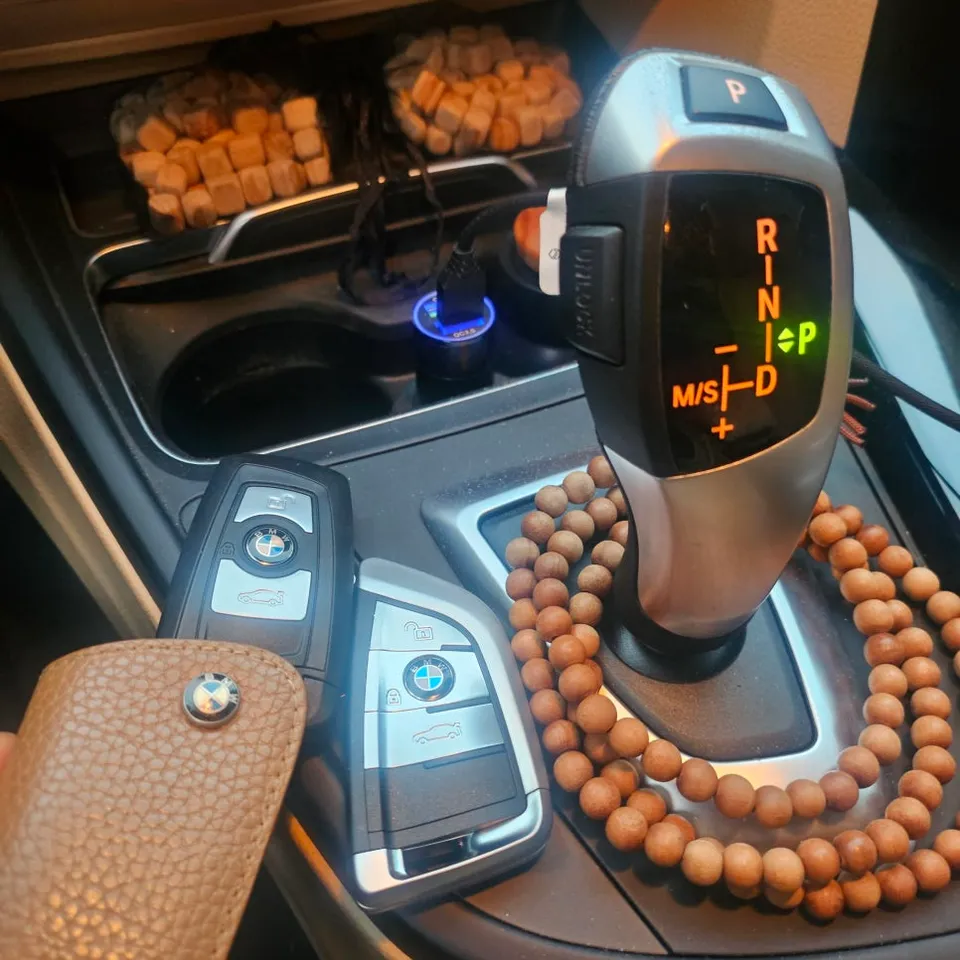
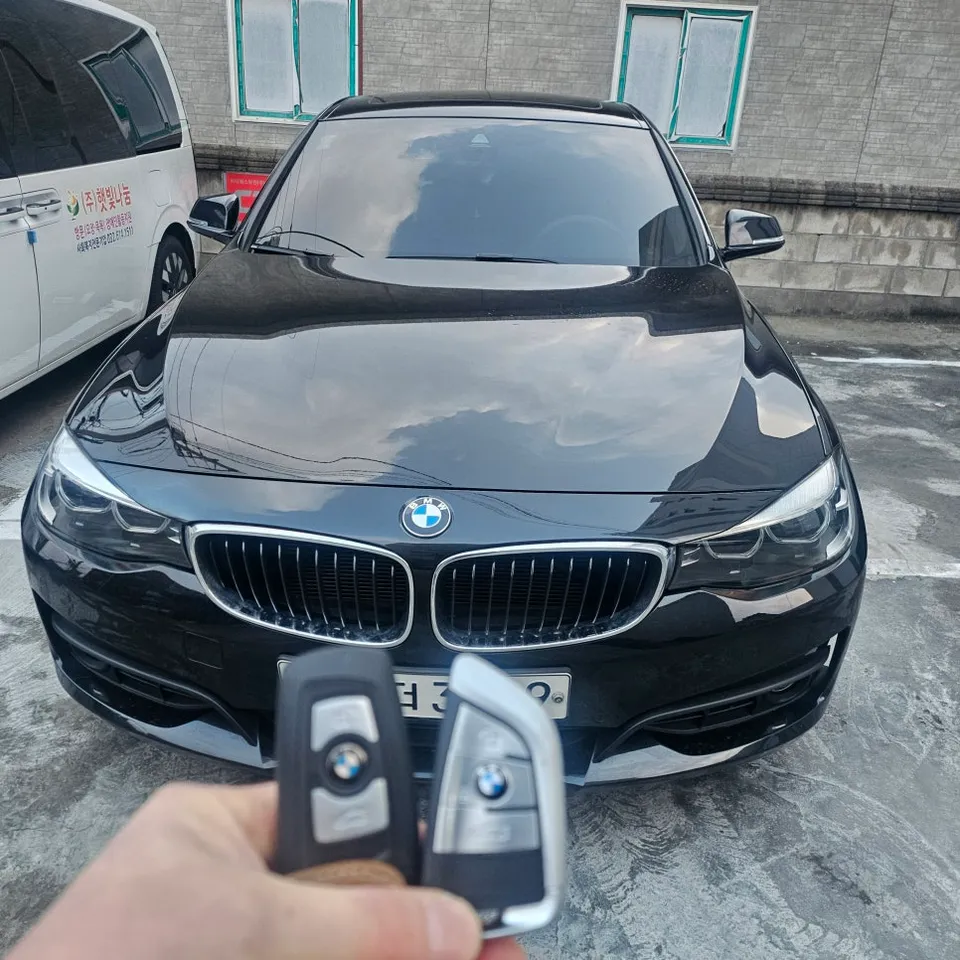
BMW 3 Series OEM Options: Factory upgrades offer seamless integration and high durability. Costs vary, with key replacement around ₩300-500k.
Understanding BMW 3 Series OEM Options
When considering upgrades for your BMW 3 Series, exploring OEM options, also known as factory option retrofits or dealer options, presents a unique path. Unlike aftermarket modifications, these are components and features originally designed and offered by BMW for specific models. This review delves into the specifics of what OEM Options entail for a BMW 3 Series, focusing on the installation process, potential results, and whether investing in these factory-approved upgrades is a worthwhile decision for owners.
OEM Options Installation and Results
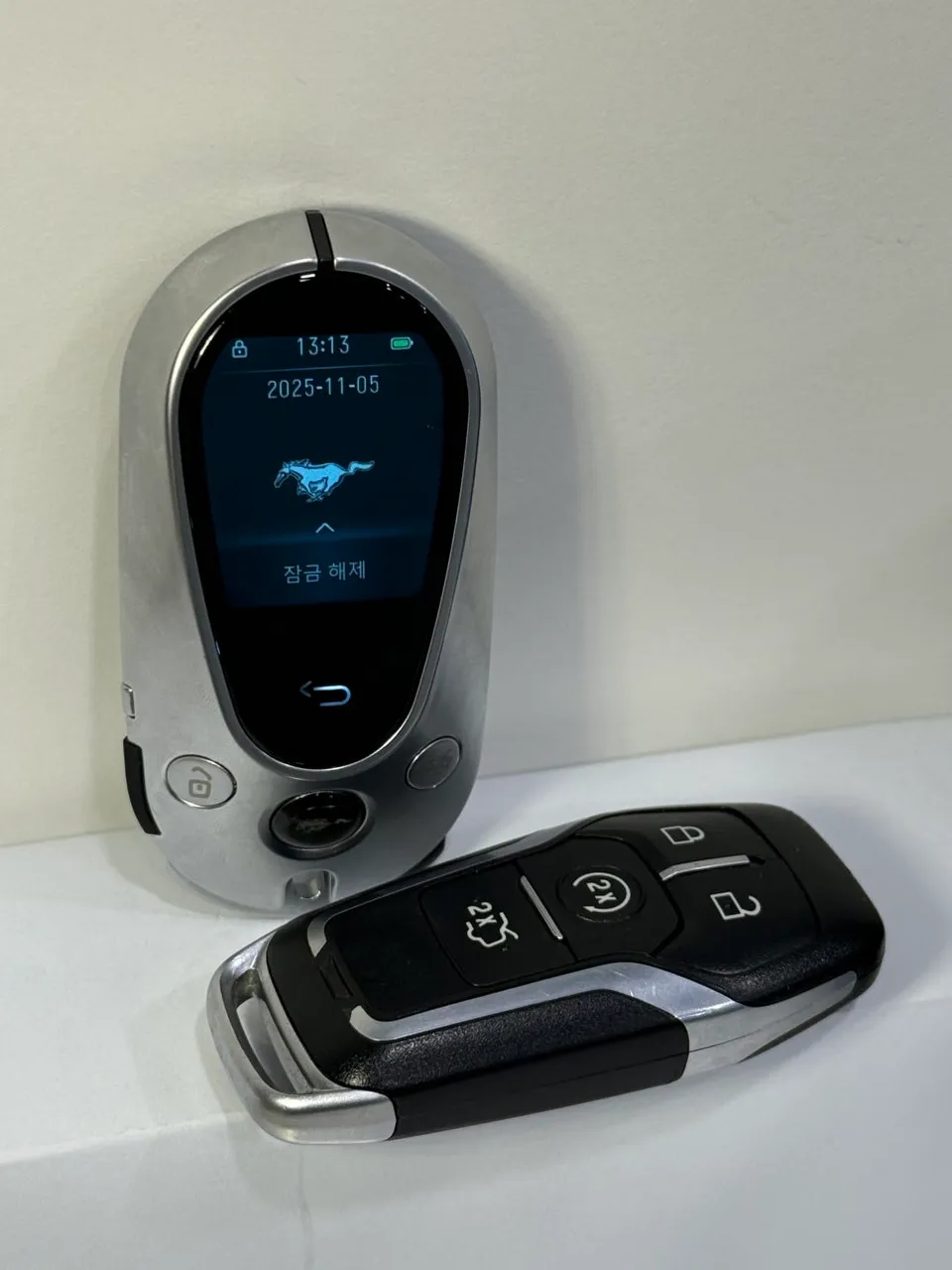
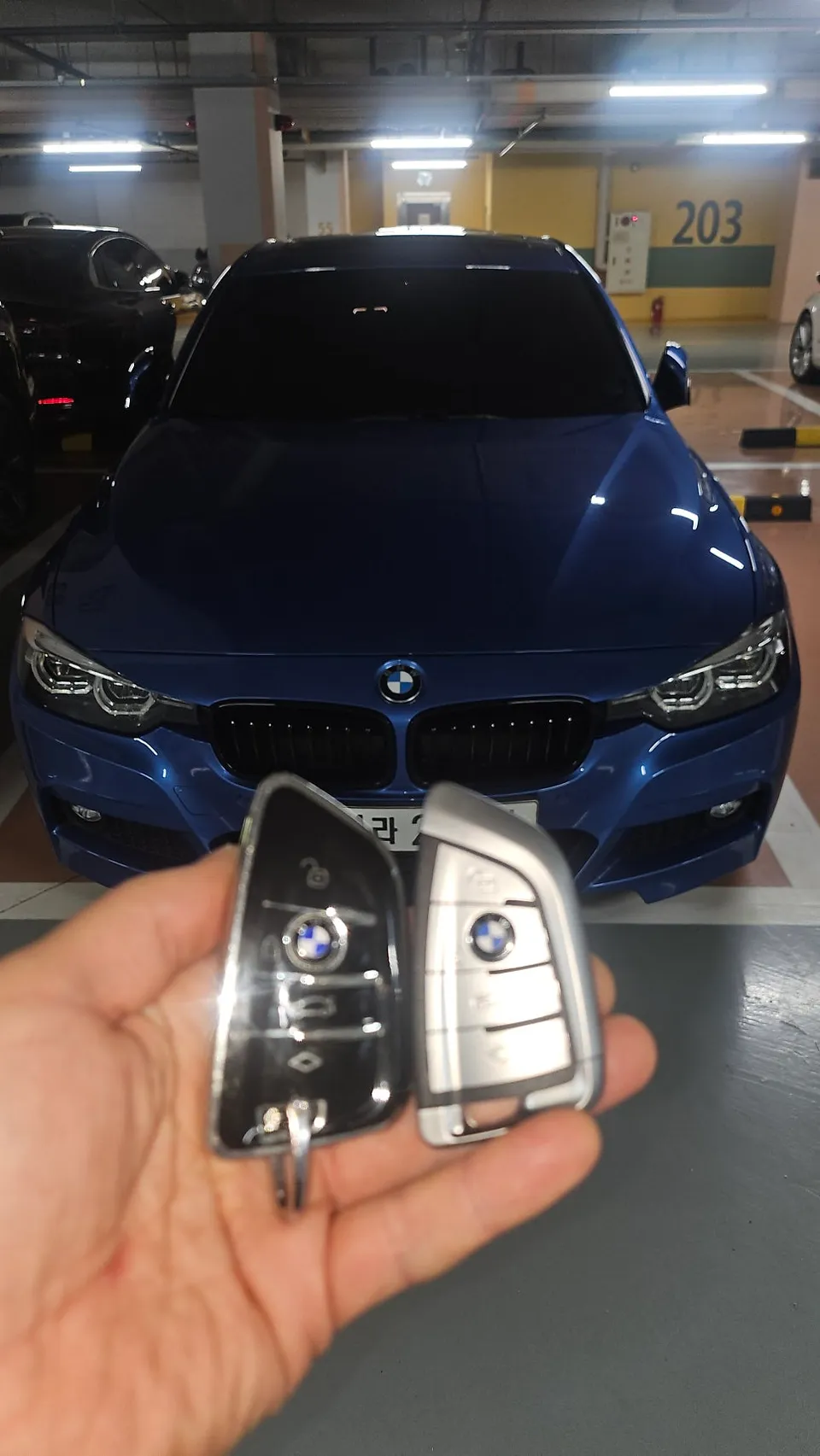
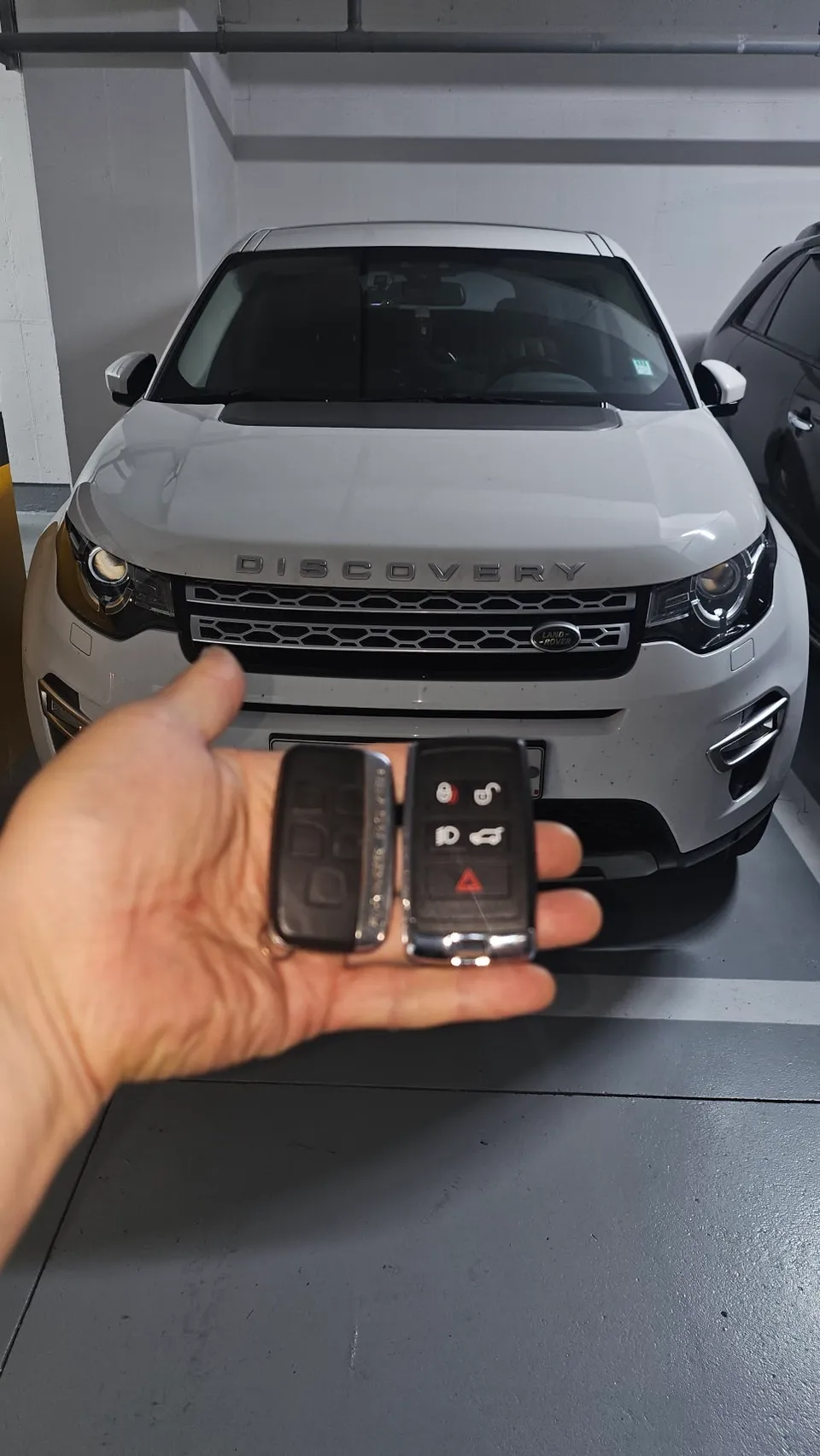
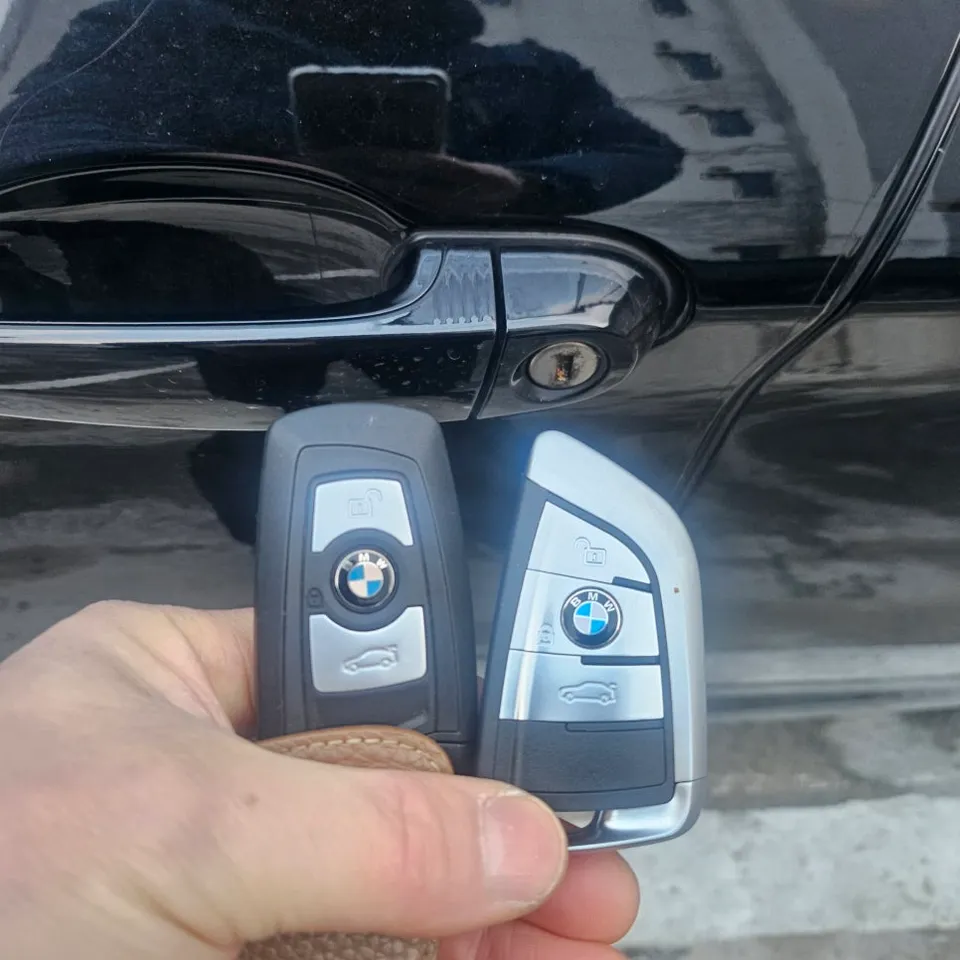
The process for installing OEM Options on a BMW 3 Series is intricate and requires specialized knowledge, particularly when dealing with features that integrate deeply into the vehicle's electronic systems. For instance, if a BMW 3 Series owner lost their key, a specialized service can perform a factory option retrofit to create a new key on-site. This isn't a simple duplication; it involves accessing the car's immobilizer system and programming a new key to communicate with the vehicle's computer. The procedure typically takes about 1 to 2 hours. The cost for such a service in Korea can range from 300,000 to 500,000 KRW (approximately $220-$370 USD, subject to exchange rates), depending on the specific key type and the complexity of the situation. The result is a fully functional new key that allows the car to start and all its functions to operate correctly, providing significant relief and convenience, as demonstrated by satisfied customers who avoided towing their vehicle.
Durability, Maintenance, and Decision Making
When it comes to OEM Options, durability is generally high as they are manufactured to BMW's standards. Maintenance is typically minimal, often aligning with the vehicle's regular service schedule. The key benefit of a factory upgrade is the assurance of compatibility and seamless integration with your existing BMW 3 Series systems. This minimizes the risk of electronic glitches or performance issues that can sometimes arise with aftermarket parts. For owners concerned about maintaining their vehicle's original integrity and warranty, pursuing OEM Options is often the preferred route. While the initial OEM Options cost might be higher than some aftermarket alternatives, the long-term reliability and peace of mind often justify the investment. It's always recommended to have these retrofits performed by qualified technicians who understand BMW's complex systems to ensure optimal results and safety.

Frequently Asked Questions
Q. How much does OEM option and factory upgrade installation cost for a BMW 3 Series?
The cost for OEM options and factory upgrades on a BMW 3 Series can vary significantly based on the specific feature. For services like key replacement, costs in Korea range from ₩300,000 to ₩500,000 (approx. $220-$370 USD), while typical US installation costs for other OEM options can range from $40-$80 for minor accessories.
Q. How long does OEM options installation take on a BMW 3 Series?
The installation time for OEM options on a BMW 3 Series depends heavily on the complexity of the upgrade. For intricate electronic retrofits like key programming, it can take approximately 1 to 2 hours. Generally, OEM options are designed for durability and require minimal specific maintenance beyond standard vehicle servicing.
Q. Are OEM options worth adding after purchase for a BMW 3 Series?
OEM options are often worth adding for BMW 3 Series owners who prioritize seamless integration, reliability, and maintaining the vehicle's original specifications. They are particularly beneficial for those seeking to preserve warranty integrity or avoid potential compatibility issues associated with aftermarket parts.
Q. How are OEM factory options installed on a BMW 3 Series?
OEM factory options are installed through a precise process that often involves: 1. Connecting diagnostic equipment to the vehicle's systems. 2. Safely accessing necessary components or modules. 3. Programming and coding the new option to integrate with the car's electronics. 4. Testing all functions to ensure proper operation.
Q. What is the difference between dealer-installed options and aftermarket upgrades for a BMW 3 Series?
Dealer-installed options (OEM) are designed and manufactured by BMW for perfect integration and reliability, often maintaining warranty. Aftermarket upgrades are made by third-party companies and can vary widely in quality, potentially impacting vehicle performance or warranty.
OhCar Partner Shop