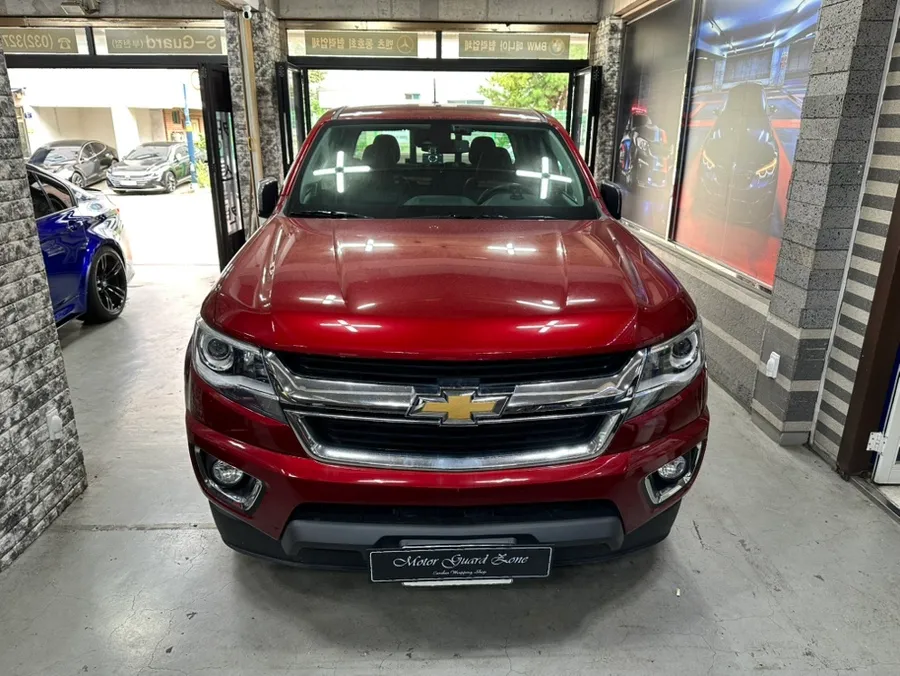
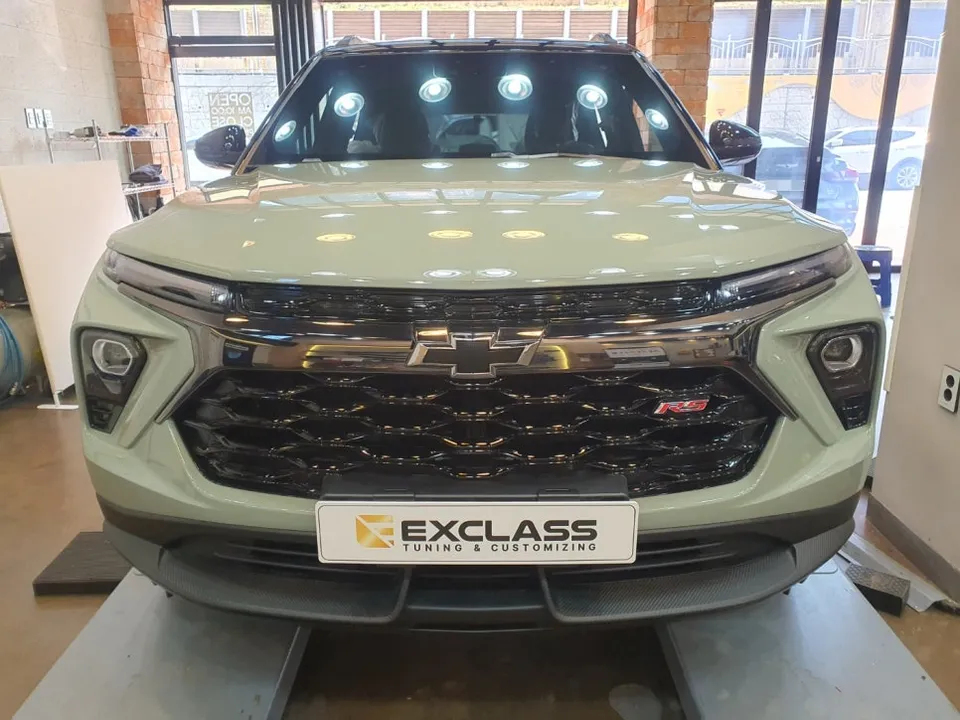
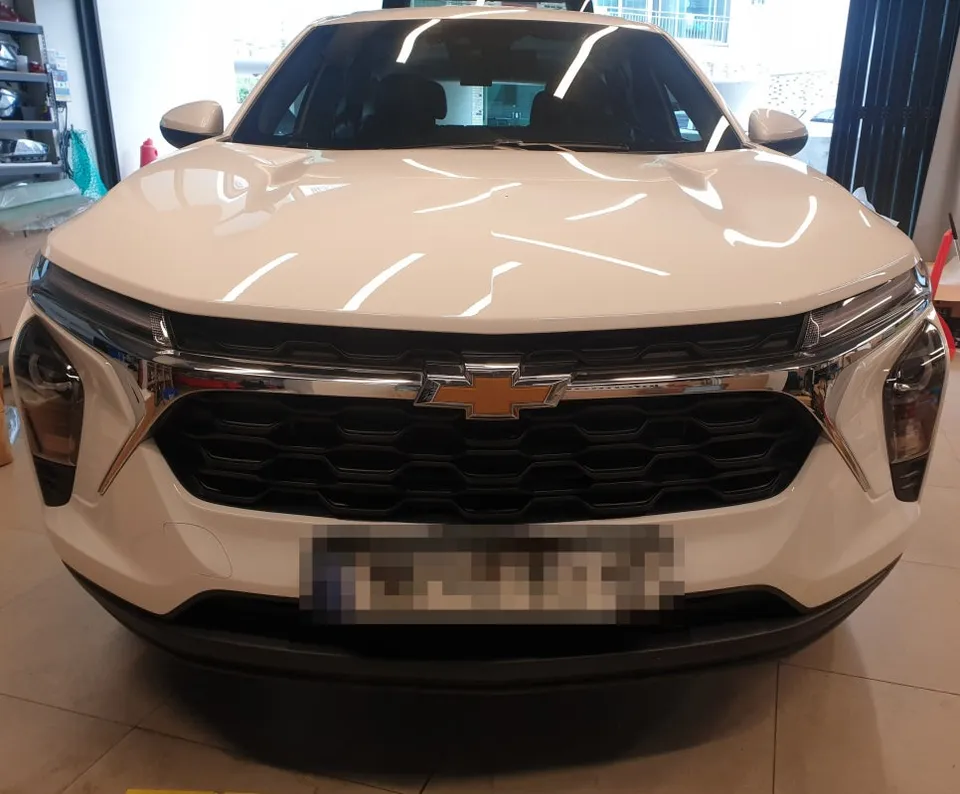
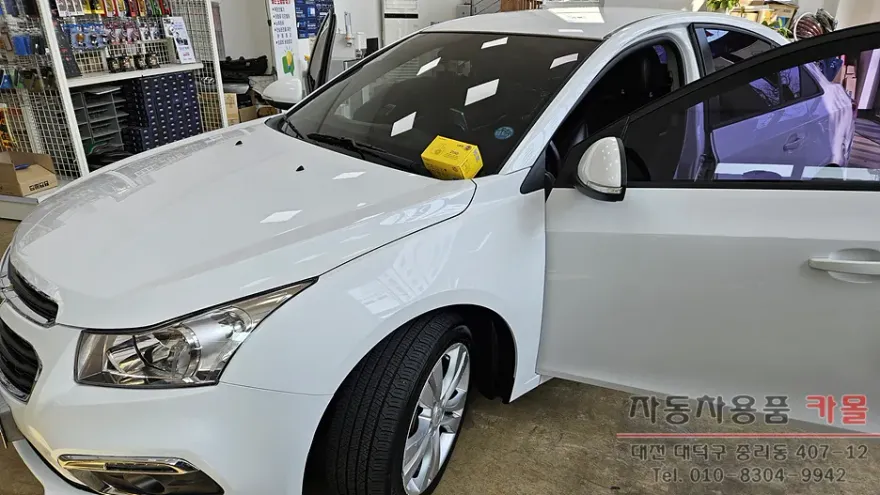
Chevrolet Bolt EV OEM Options Review: Cost & Results
Before

After
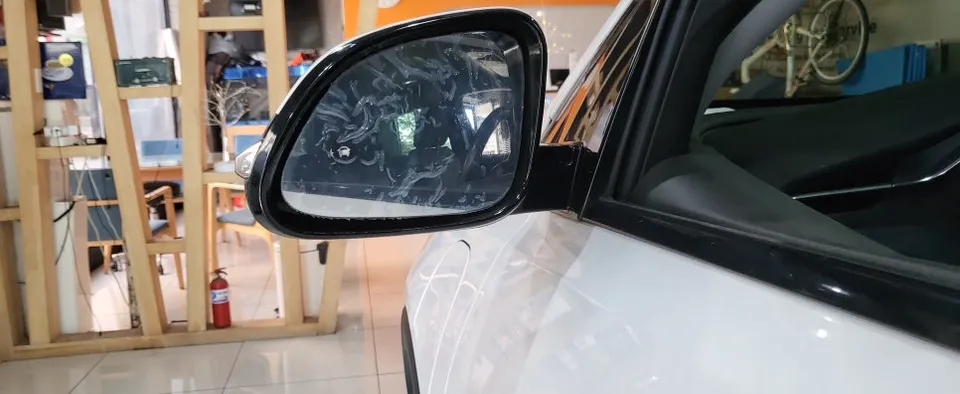
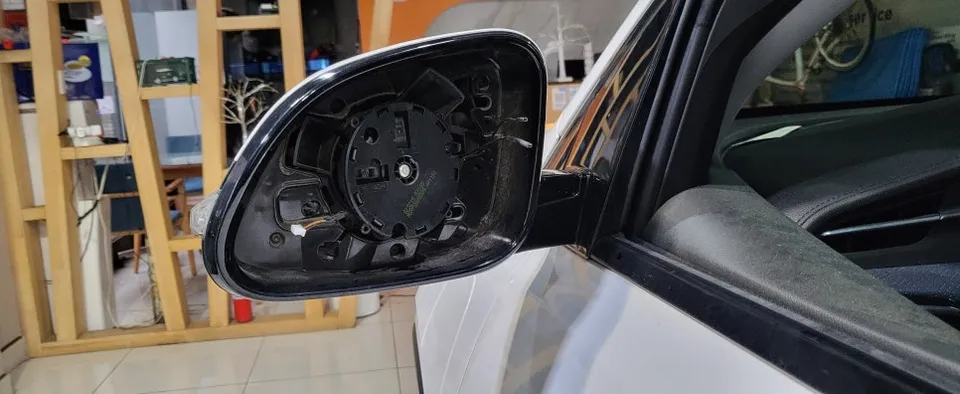
Process photos

Chevrolet Bolt EV OEM options installation costs vary. Factory upgrades offer seamless integration and durability for enhanced driving.
Enhancing Your Chevrolet Bolt EV with OEM Options
For Chevrolet Bolt EV owners looking to enhance their driving experience, exploring OEM (Original Equipment Manufacturer) options can be a compelling choice. These are factory-designed upgrades that can be installed either at the time of purchase or retrofitted later. This review delves into the specifics of OEM options, focusing on installation, potential costs, and the tangible benefits they bring to your Bolt EV.
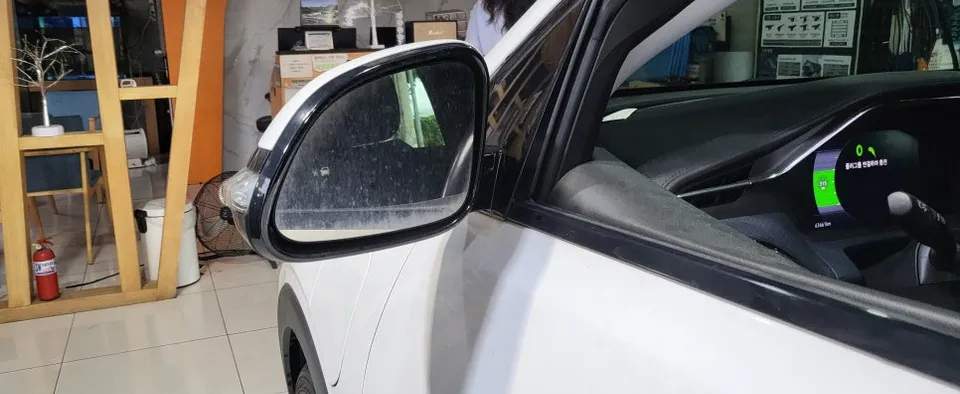
Why Consider OEM Options for Your Bolt EV?
The primary motivation for seeking OEM options, often referred to as factory upgrades or dealer option retrofits, is to improve functionality, aesthetics, or convenience beyond the standard vehicle configuration. For the Chevrolet Bolt EV, a car designed for efficiency and modern driving, these options can further refine the ownership experience. For instance, while the original Korean context discusses wide-view mirrors to address blind spots, the principle applies broadly to any factory-approved accessory. These upgrades are designed to integrate seamlessly with the vehicle's existing systems, ensuring compatibility and maintaining the vehicle's integrity. Unlike aftermarket parts, OEM options are typically manufactured to the same standards as the original components, offering a level of quality and reliability that can be harder to match with third-party alternatives. This ensures that any added features function as intended and contribute positively to the overall performance and safety of your Bolt EV.
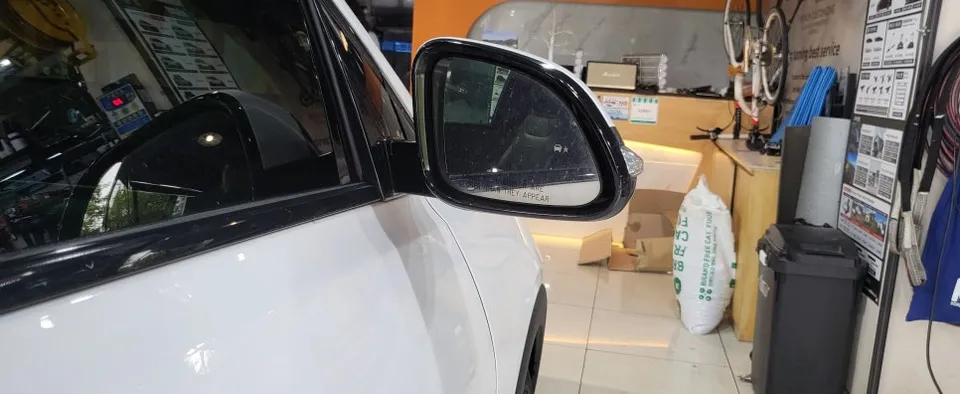
Installation Process and Considerations
The installation of OEM options on a Chevrolet Bolt EV is generally performed by trained technicians, either at the dealership or a certified service center. The process can vary significantly depending on the specific option being installed. For example, installing a factory-designed accessory like an upgraded audio system or a different type of mirror would involve specific steps to ensure proper integration and function. The Korean context highlights the replacement of standard side mirrors with wide-view mirrors, a process that involves careful removal of the original mirrors and precise installation of the new ones, ensuring any integrated features like heating elements remain functional. The estimated time for such a procedure is typically between 1 to 2 hours, allowing for same-day completion in many cases. It's crucial that the installation is carried out correctly to avoid any potential issues with the vehicle's electrical systems or structural integrity. Using genuine OEM parts and professional installation methods ensures that the vehicle's warranty remains intact and that the new features perform optimally.
Evaluating the Value and Durability of OEM Options
When considering OEM options, the question of whether they are 'worth it' is paramount. The value proposition lies in the quality, seamless integration, and potential long-term benefits. Durability is a key advantage of OEM parts; they are built to last and withstand the rigors of daily use, just like the original components. Maintenance for most OEM options is typically straightforward, often requiring no more than standard vehicle care. For example, if a wider-view mirror is installed, its maintenance would be the same as any other mirror – occasional cleaning. The cost of OEM options can vary widely. While the Korean context mentions costs associated with wide-view mirrors, specific pricing for OEM options on a Chevrolet Bolt EV in the US or UK would need to be obtained directly from a dealership or authorized installer. Generally, factory options might come at a premium compared to some aftermarket alternatives, but this is often offset by their superior quality, guaranteed compatibility, and the peace of mind that comes with using manufacturer-approved parts. The decision to invest in OEM options should be based on a careful assessment of the specific feature's benefit versus its cost and how it aligns with your personal needs and driving habits.
Installation Process:
- Consultation and Part Selection: Discuss your desired upgrades with a dealership or certified technician to select the appropriate OEM options for your Chevrolet Bolt EV.
- Professional Installation: A trained technician will carefully install the chosen option, ensuring all connections and fittings are secure and integrated with the vehicle's systems.
- System Check: Post-installation, a thorough check is performed to confirm the new option is functioning correctly and that no other vehicle systems have been adversely affected.
- Final Inspection: The vehicle is returned to you with a confirmation that the installation meets OEM standards.

Frequently Asked Questions
Q. How much does OEM option and factory upgrade installation cost for a Chevrolet Bolt EV?
The cost for OEM options on a Chevrolet Bolt EV can vary significantly based on the specific upgrade, with prices typically ranging from a few hundred to over a thousand dollars in the US. It's best to get a direct quote from a Chevrolet dealership for accurate pricing.
Q. How long does OEM options installation take on a Chevrolet Bolt EV?
Installation times for OEM options on a Chevrolet Bolt EV can range from an hour to several hours, depending on the complexity of the upgrade. For example, mirror replacements might take 1-2 hours, while more complex electronic integrations could take longer.
Q. Are OEM options worth adding after purchase for a Chevrolet Bolt EV?
OEM options are often worth considering for their guaranteed compatibility, quality, and seamless integration with your Chevrolet Bolt EV's systems. They typically offer superior durability and reliability compared to many aftermarket alternatives.
Q. How are OEM factory options installed on a Chevrolet Bolt EV?
OEM factory options are installed by trained technicians who follow manufacturer-specific procedures. This usually involves carefully removing existing components if necessary, integrating the new part, and ensuring all electrical and mechanical connections are secure and functional.
Q. What is the difference between dealer-installed options and aftermarket upgrades for a Chevrolet Bolt EV?
Dealer-installed OEM options are designed and manufactured by Chevrolet for perfect integration and guaranteed compatibility, often maintaining your vehicle's warranty. Aftermarket upgrades are made by third-party companies and may offer more variety or lower prices, but compatibility and long-term reliability can vary.
OhCar Partner Shop