BMW 4 Series OEM Options Retrofit Review
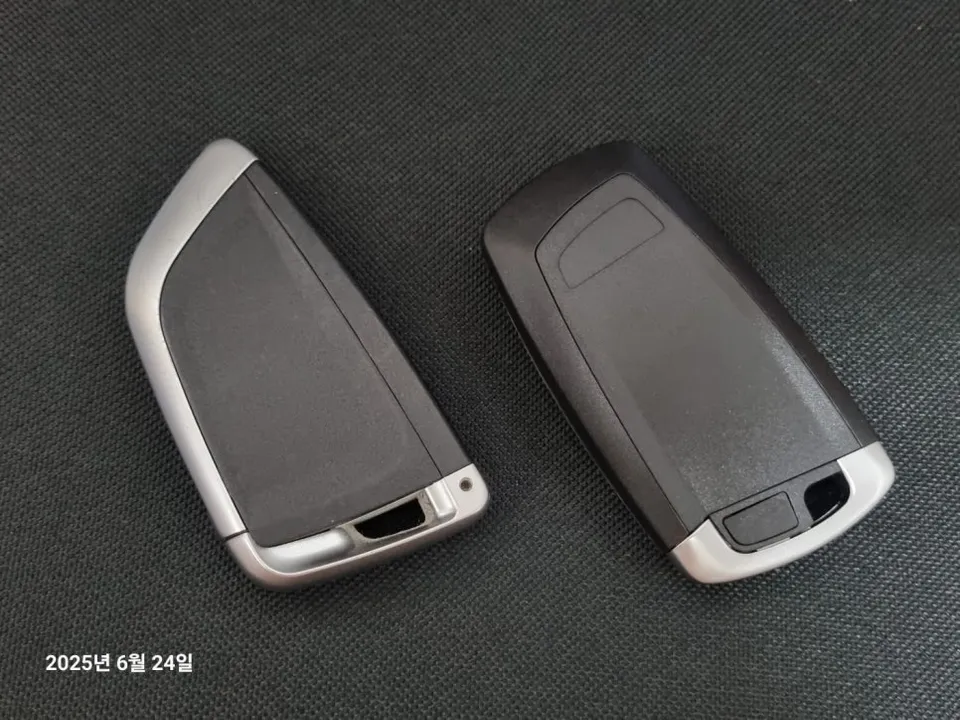
BMW 4 Series OEM options retrofit: Professional installation ensures factory-like functionality and durability. Costs vary.
Upgrading Your BMW 4 Series with OEM Options
Many BMW 4 Series owners seek to enhance their driving experience by adding features that weren't originally specified on their vehicle. This often involves retrofitting genuine Original Equipment Manufacturer (OEM) options. These factory options, when installed after the initial purchase, can significantly improve functionality and aesthetics. The process involves integrating parts designed and approved by BMW, ensuring perfect compatibility and maintaining the vehicle's integrity. This approach differs from aftermarket modifications, as it uses the same components you'd find on a higher trim level or a factory-ordered car. The goal is to achieve a seamless integration, as if the option was present from the assembly line.
OEM Options Installation and Results
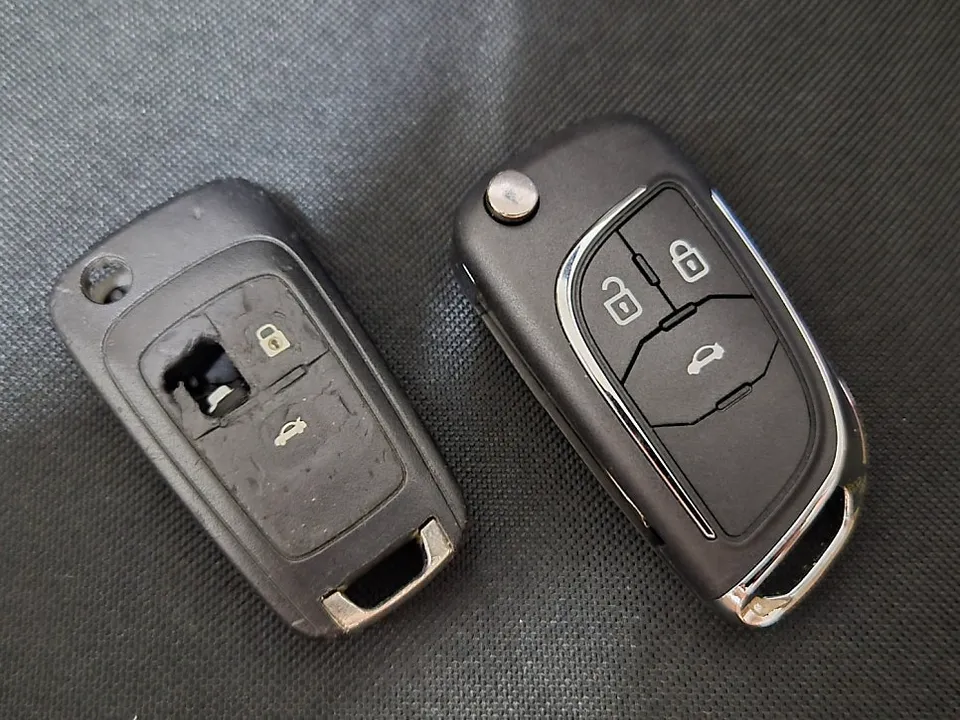
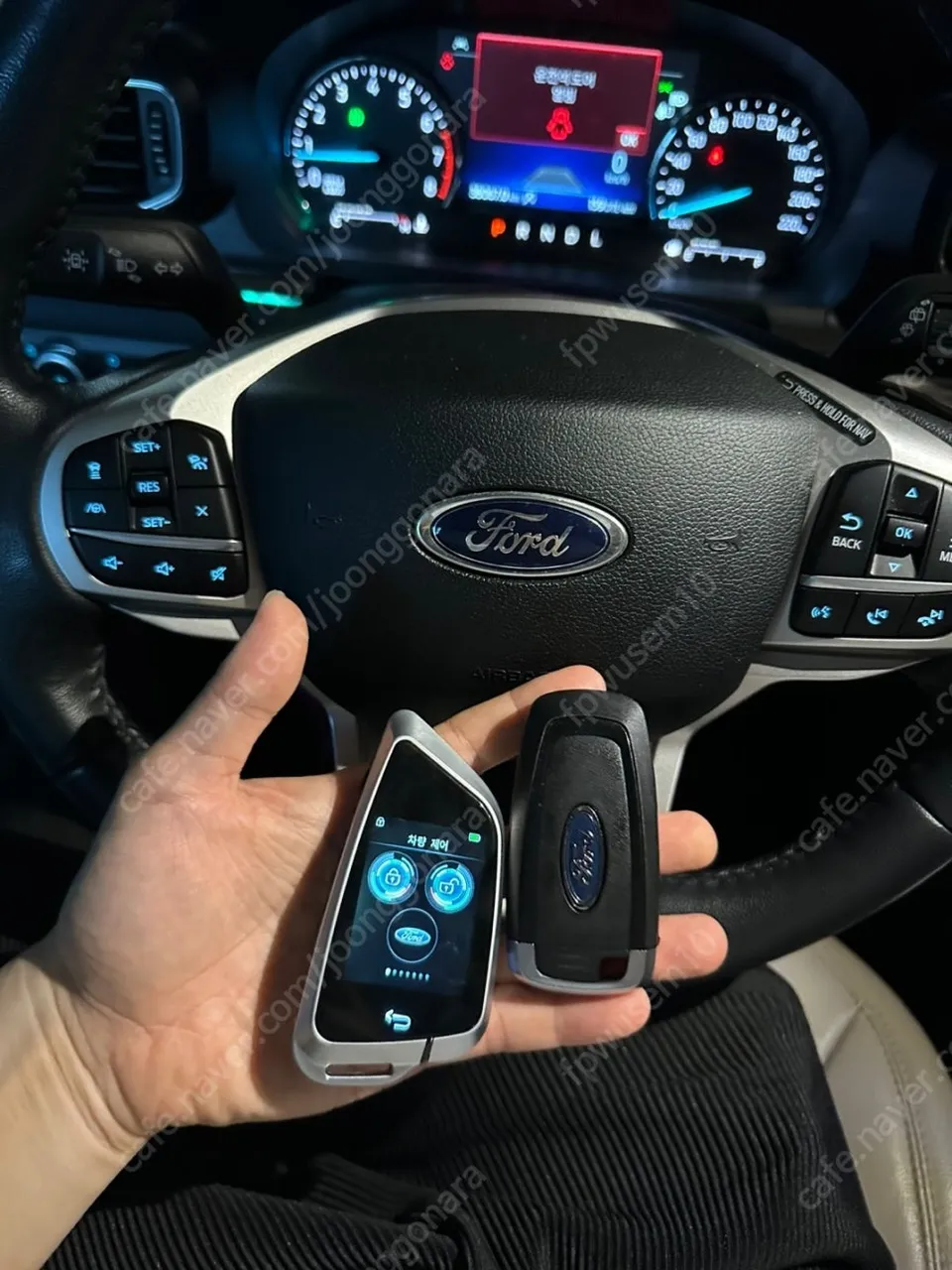
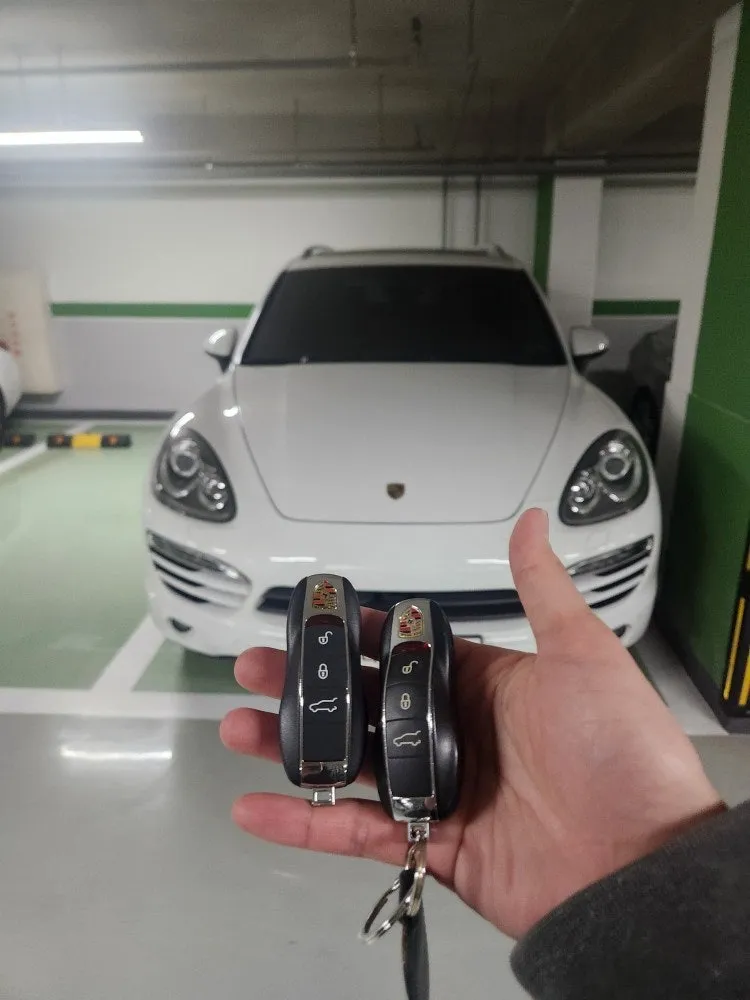
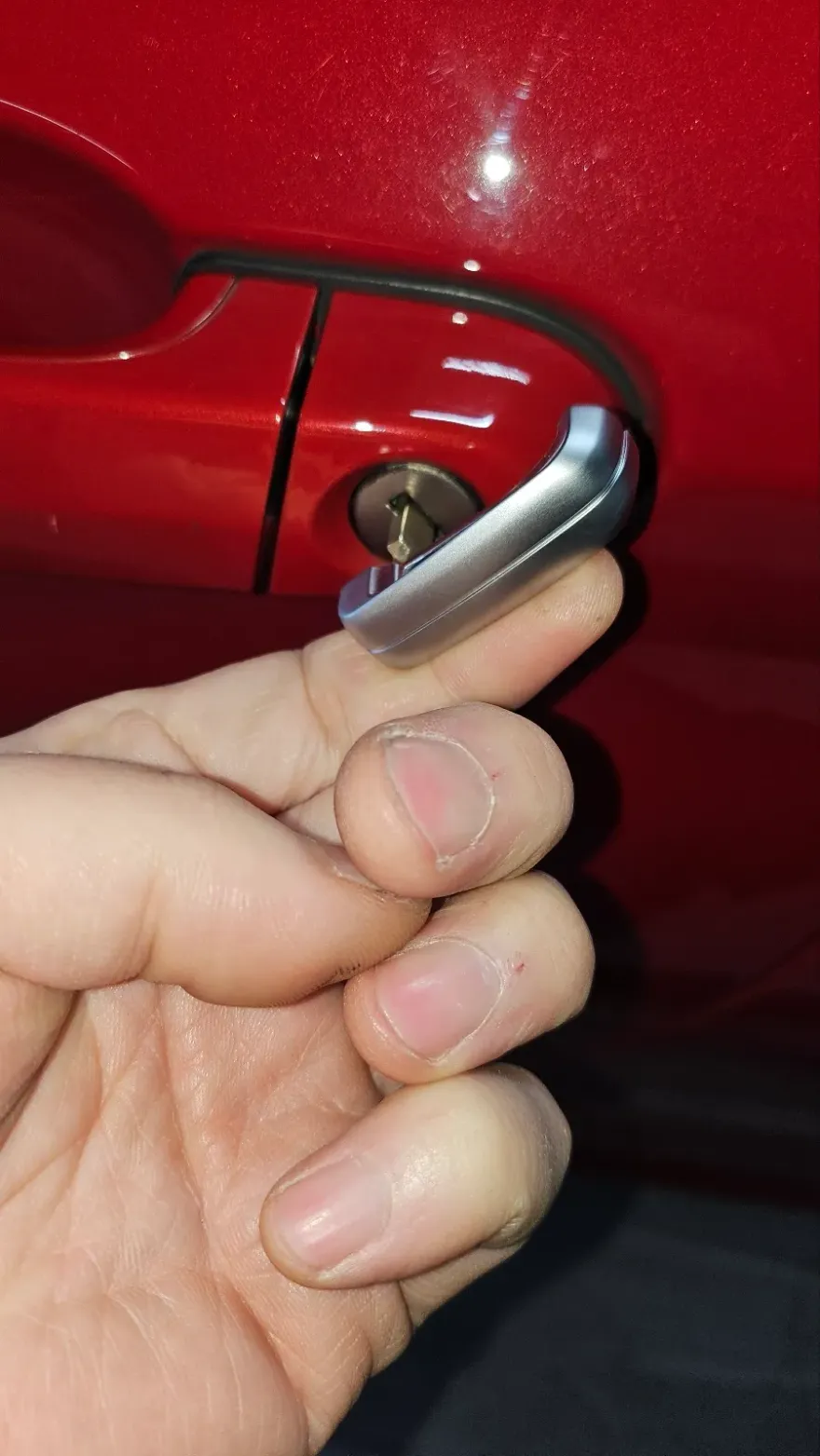
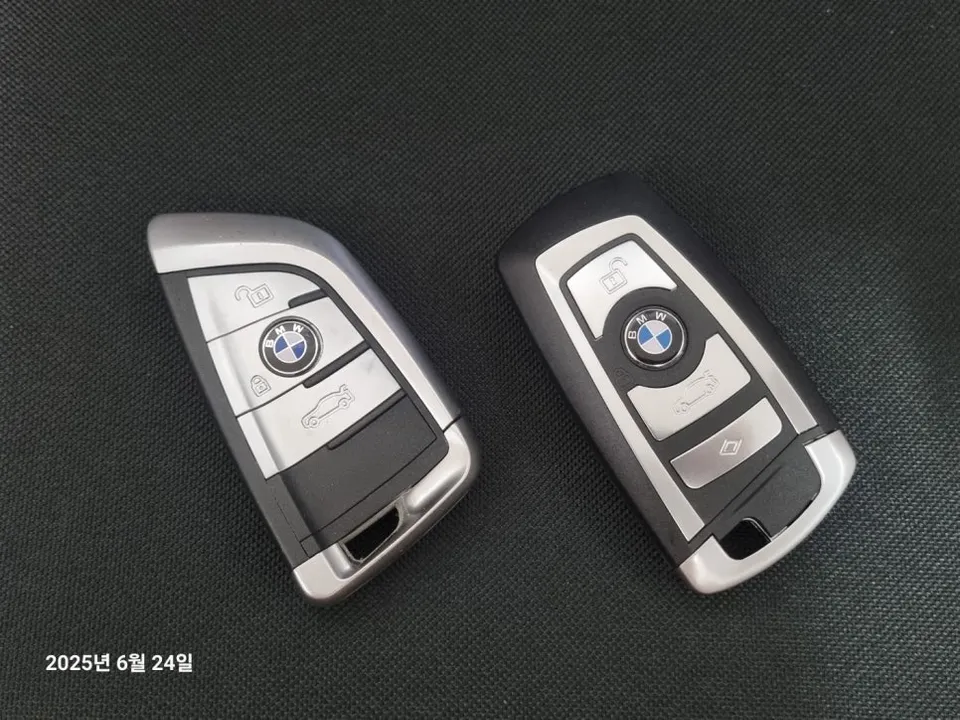
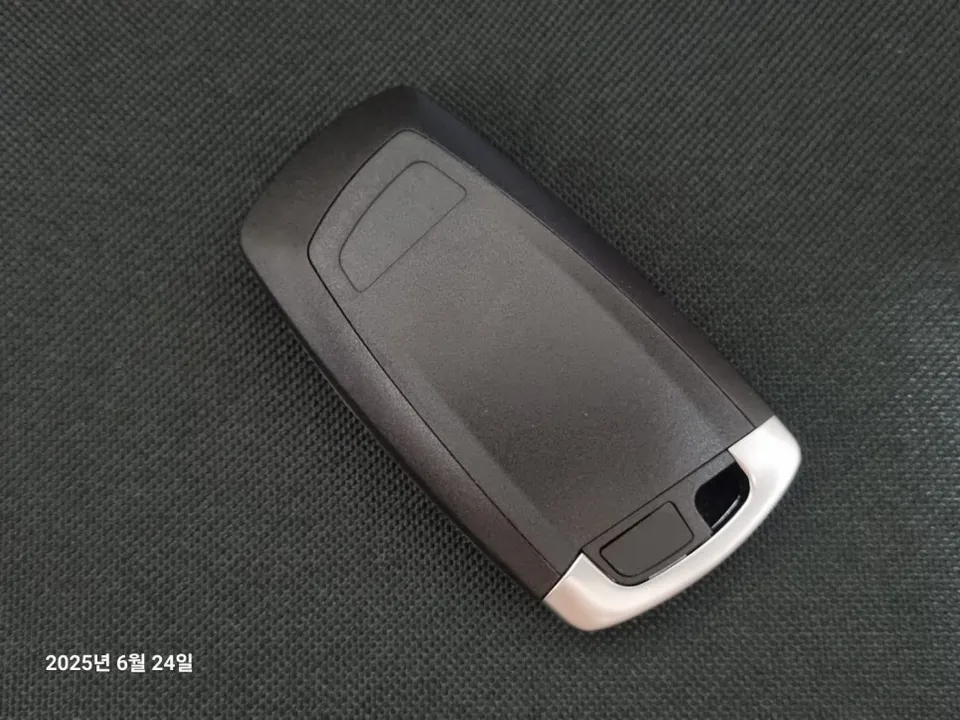
The installation of OEM options on a BMW 4 Series typically requires specialized knowledge and tools, often best handled by experienced technicians. The Korean context for this service involves skilled professionals who can perform complex retrofits, including key fob repairs and upgrades using genuine BMW boards. For instance, a common issue like a malfunctioning smart key can be resolved by replacing the internal components with a factory-spec board. This not only restores functionality but can also be seen as an upgrade, especially if the new board offers improved performance or features. The before-and-after results are often dramatic, with restored or enhanced features working flawlessly. Durability is a key advantage of using OEM parts; they are built to last and withstand the rigors of daily use, just like the original components. Maintenance is usually minimal, often requiring no more than standard care for the specific component, such as battery replacement for key fobs.
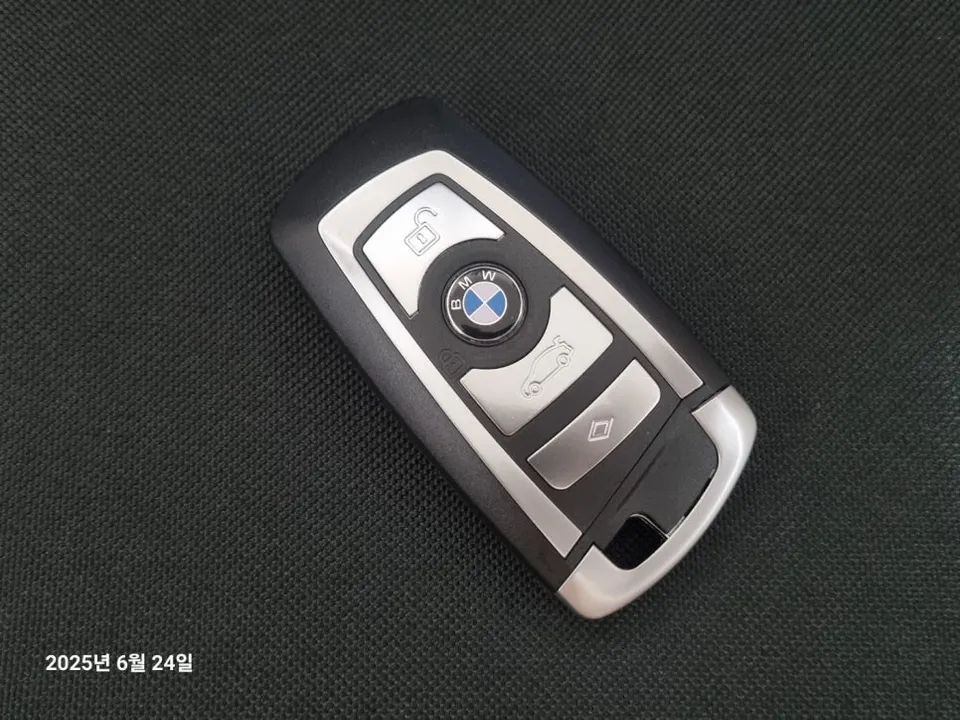
Is Retrofitting OEM Options Worth It for Your BMW 4 Series?
Deciding whether to retrofit OEM options on your BMW 4 Series depends on several factors, including the cost, the value of the feature, and your long-term ownership plans. While the initial investment for genuine parts and professional installation can be higher than aftermarket alternatives, the benefits often justify the expense. You gain the assurance of perfect fitment, guaranteed compatibility, and the same level of quality and durability as factory-installed features. For owners who prioritize maintaining their BMW's original character and performance, OEM retrofits are the preferred choice. The process can range from simple component replacements, like fixing a faulty key fob with a new OEM board, to more complex system integrations. The value proposition lies in achieving a factory-perfect finish and functionality, enhancing both the driving experience and the vehicle's resale value. In Korea, services like these are offered with expertise in repairing and upgrading various electronic components, ensuring a high standard of work.
Installation Process:
- Diagnosis of the existing system or faulty component.
- Sourcing of the correct, genuine BMW OEM part.
- Careful removal of the old component and installation of the new one.
- Programming and coding the new option to integrate with the vehicle's electronics.
- Thorough testing to ensure full functionality.
Frequently Asked Questions
Q. How much does OEM option and factory upgrade installation cost for a BMW 4 Series?
The cost for OEM options and factory upgrades on a BMW 4 Series can vary significantly, from a few hundred dollars for minor electronic retrofits to several thousand for major system integrations. In Korea, services like smart key board replacement might range from approximately ₩100,000 to ₩300,000 (roughly $75-$225 USD), depending on the specific board and labor involved.
Q. How long does OEM options installation take on a BMW 4 Series?
The durability of OEM options is generally excellent, matching the longevity of factory-installed parts. Regular maintenance, such as keeping electronic components clean and dry, will ensure their continued optimal performance.
Q. Are OEM options worth adding after purchase for a BMW 4 Series?
Retrofitting OEM options is most beneficial for owners who prioritize seamless integration, guaranteed compatibility, and long-term reliability. If you value maintaining your BMW's original quality and performance, the investment is often worthwhile.
Q. How are OEM factory options installed on a BMW 4 Series?
Installation typically involves 1. Diagnosing the need and sourcing the correct OEM part. 2. Carefully removing the existing component or preparing the installation area. 3. Fitting the new OEM part precisely. 4. Programming and coding the new option to communicate with the car's systems. 5. Testing to confirm full functionality.
Q. What is the difference between dealer-installed options and aftermarket upgrades for a BMW 4 Series?
Dealer-installed OEM options use genuine BMW parts, ensuring perfect compatibility and quality, whereas aftermarket upgrades are made by third-party manufacturers and may vary in quality and fit. For optimal integration and reliability on your BMW 4 Series, OEM options are generally recommended.
OhCar Partner Shop