Toyota Prius OEM Options Review: Cost & Results
Service Price
$75–115
Estimated price · Actual price may vary by shop
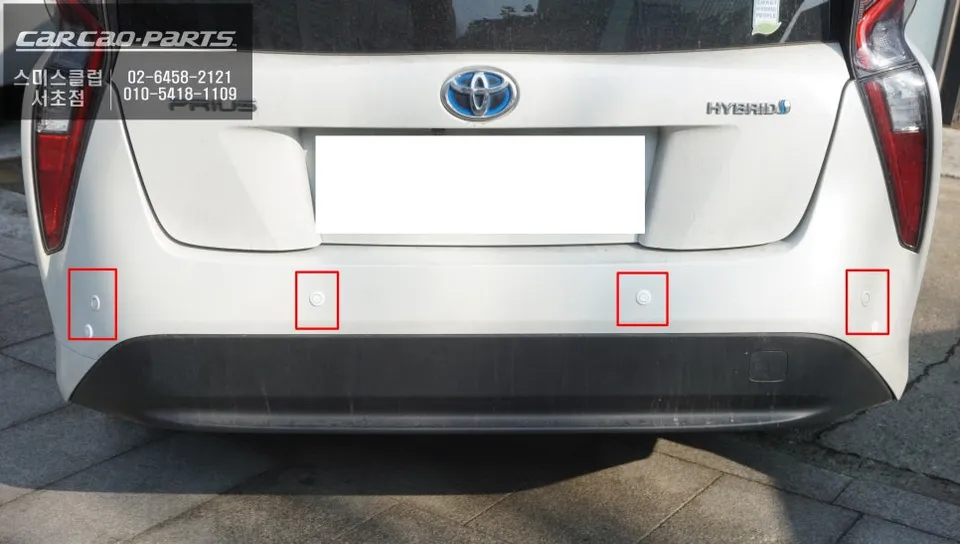
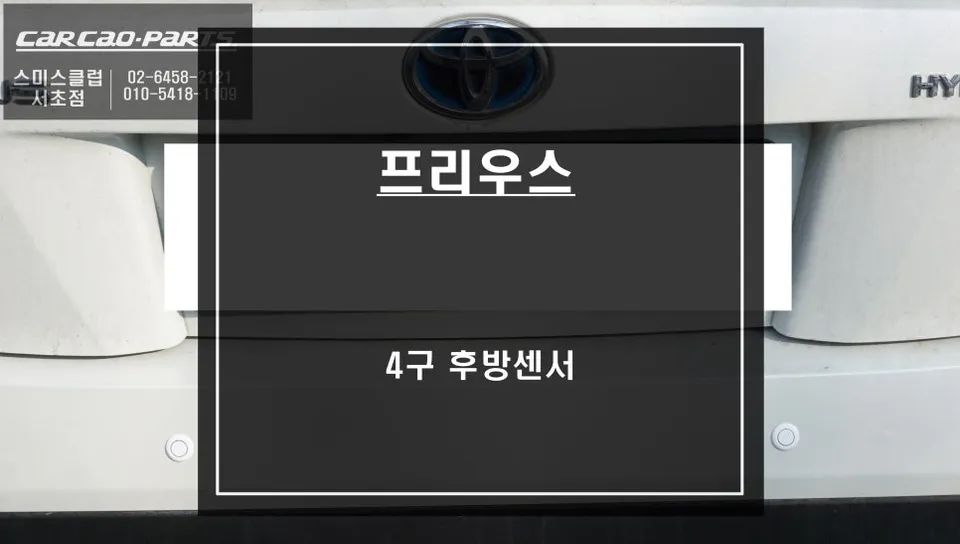
Toyota Prius rear parking sensor retrofit: Approx. $75–115 USD. Enhances parking safety with audible alerts.
Why Your Toyota Prius Might Need Rear Parking Sensors
Many Toyota Prius owners love their car's fuel efficiency and eco-friendly nature, but often find a surprising omission: rear parking sensors. While standard on many newer vehicles, these crucial safety features are frequently an optional extra on the Prius. Rear sensors act as an early warning system, detecting obstacles behind the vehicle during reversing or parking to prevent collisions. This review details the process and benefits of adding a 4-point aftermarket rear sensor system to a Toyota Prius, enhancing its safety and usability, especially in tight urban environments.
The Decision to Retrofit Prius Parking Sensors
The Prius, while compact, can present visibility challenges when reversing, particularly in crowded parking lots. Many drivers report feeling tense when backing up due to limited rearward sightlines. The absence of factory-fitted rear sensors exacerbates this, making a retrofit a popular solution. Dealerships and specialized shops frequently receive requests for this upgrade, making it a common and worthwhile modification for Prius owners seeking peace of mind.
OEM Options Installation Process for Prius Rear Sensors
The installation process for adding rear parking sensors to a Toyota Prius involves several key steps to ensure seamless integration and optimal performance. The rear bumper of the Prius is designed with sensor mounting points, even if the option wasn't originally selected. A dedicated control module is typically installed, designed to work independently of the Prius's existing electronic systems, preventing conflicts and ensuring stable operation.
Installation process:
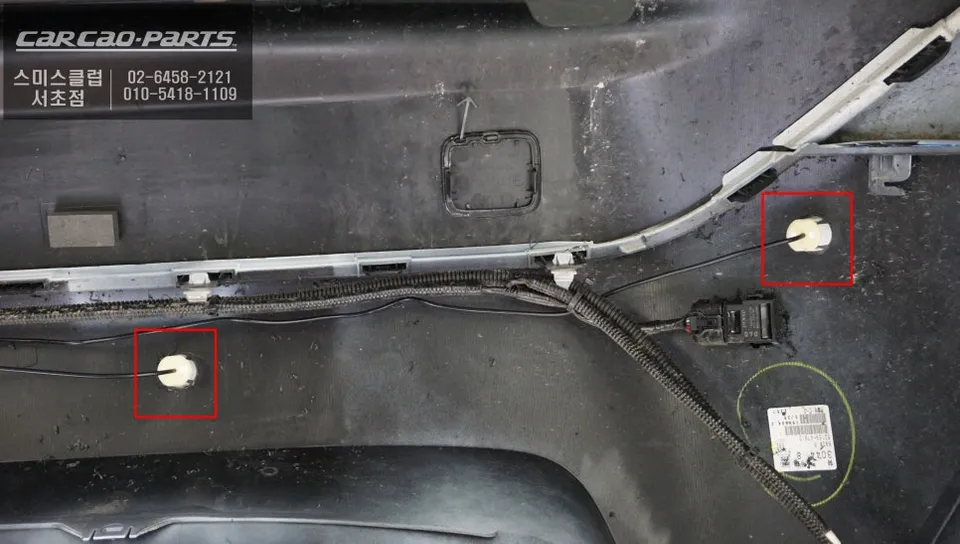
- Bumper Removal: The rear bumper is carefully detached to access the designated sensor locations.
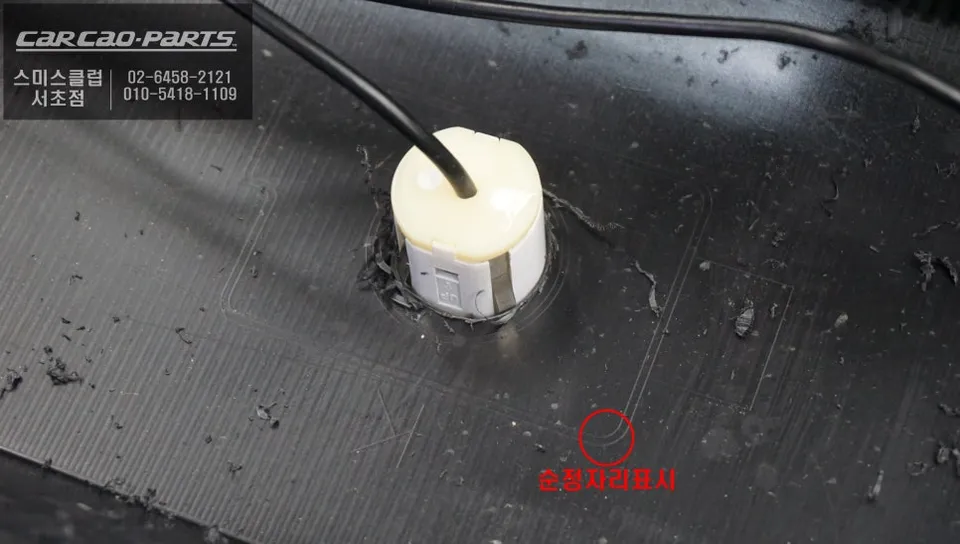
- Sensor Mounting: Using a specialized jig for precision, four sensors are installed into the pre-marked sockets on the front face of the bumper. Each sensor is angled to detect obstacles within a range of approximately 40cm to 1.5 meters.
- Control Module and Wiring: A control module is fitted, usually behind the dashboard, to process signals from all four sensors. Extensive wiring connects the sensors to this module, along with power, ground, and reverse signal (R signal) connections, routed carefully to avoid damaging the vehicle's existing wiring harness.
- Audio Alert Installation: A small speaker for audible alerts and a control switch are mounted discreetly, often in the center console or under the dashboard. The system provides distinct beeping patterns that intensify as the vehicle gets closer to an obstacle.
- Testing and Calibration: A final test ensures all sensors function correctly, detecting objects at the appropriate distances and triggering the audible warnings accurately. Minor adjustments to sensor angles or alert volume may be made at this stage.
Real-World Results: Enhanced Prius Parking
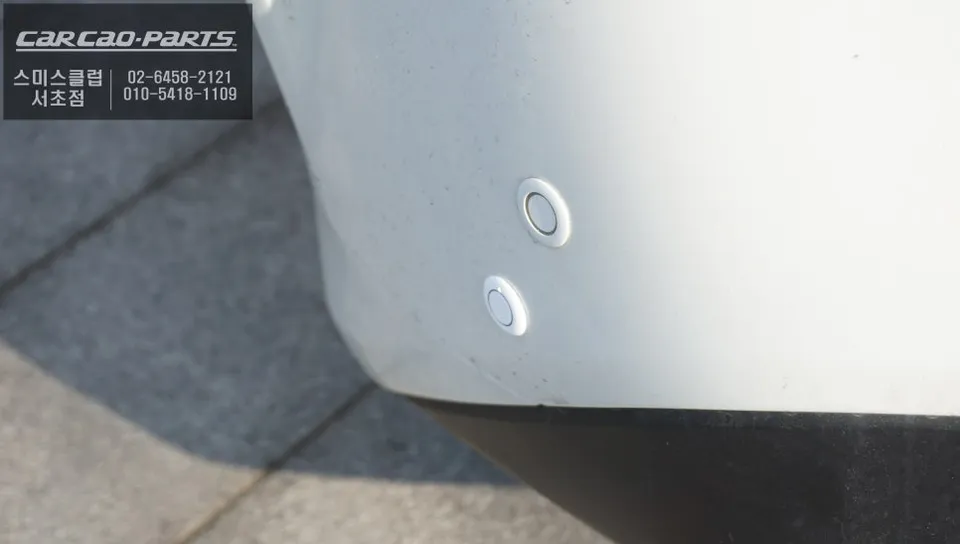
After the installation, the difference in the reversing experience is significant. Drivers can now park with much greater confidence, knowing the sensors will provide timely warnings about nearby obstacles. The audible alerts offer immediate feedback on proximity, drastically reducing the risk of accidental bumps and scrapes. This upgrade transforms a potentially stressful maneuver into a smooth and secure operation, adding considerable value and convenience to the daily use of the Toyota Prius.
Frequently Asked Questions
Q. How much does OEM option and factory upgrade installation cost for a Toyota Prius?
The cost for this specific 4-point rear sensor system in Korea was approximately 100,000 KRW (around $75-115 USD). Typical US installation costs for similar factory-style upgrades can range from $100 to $300 depending on the system and labor rates.
Q. How long does OEM options installation take on a Toyota Prius?
The installation process for rear parking sensors typically takes 2-3 hours. For durability, ensure the sensors are properly sealed during installation to prevent water ingress, which is the most common cause of failure.
Q. Are OEM options worth adding after purchase for a Toyota Prius?
Adding rear parking sensors is highly recommended for Toyota Prius owners who frequently navigate tight parking spaces or have limited rear visibility. The enhanced safety and reduced risk of minor collisions offer significant value.
Q. How are OEM factory options installed on a Toyota Prius?
Installation involves precisely mounting sensors into the rear bumper, connecting them to a central control module, and integrating an audible alert system. 1. Sensors are precisely placed in the bumper using a guide. 2. Wiring connects sensors to a control module. 3. An audible alert speaker is installed inside the cabin. 4. System is tested and calibrated for accurate detection.
Q. What is the difference between dealer-installed options and aftermarket upgrades for a Toyota Prius?
Dealer-installed options are typically OEM (Original Equipment Manufacturer) parts designed specifically for the vehicle, often integrated seamlessly. Aftermarket upgrades can offer similar functionality but may vary in quality and integration, though this 4-sensor system provides a factory-like result.
Kakao Parts