BMW 5 Series G30 Body Kit Installation Review
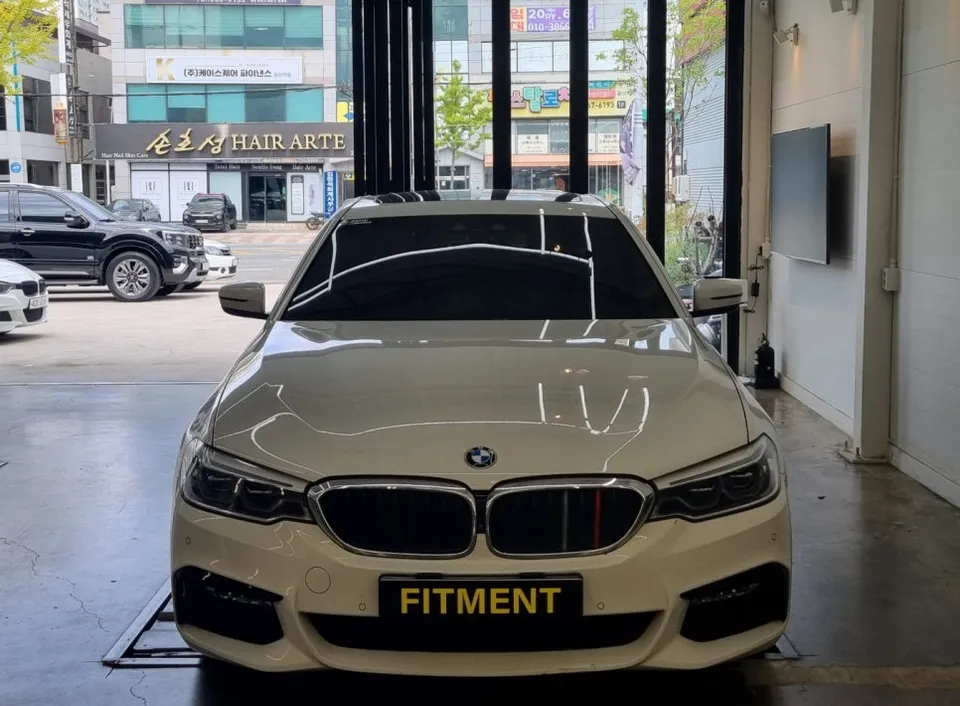
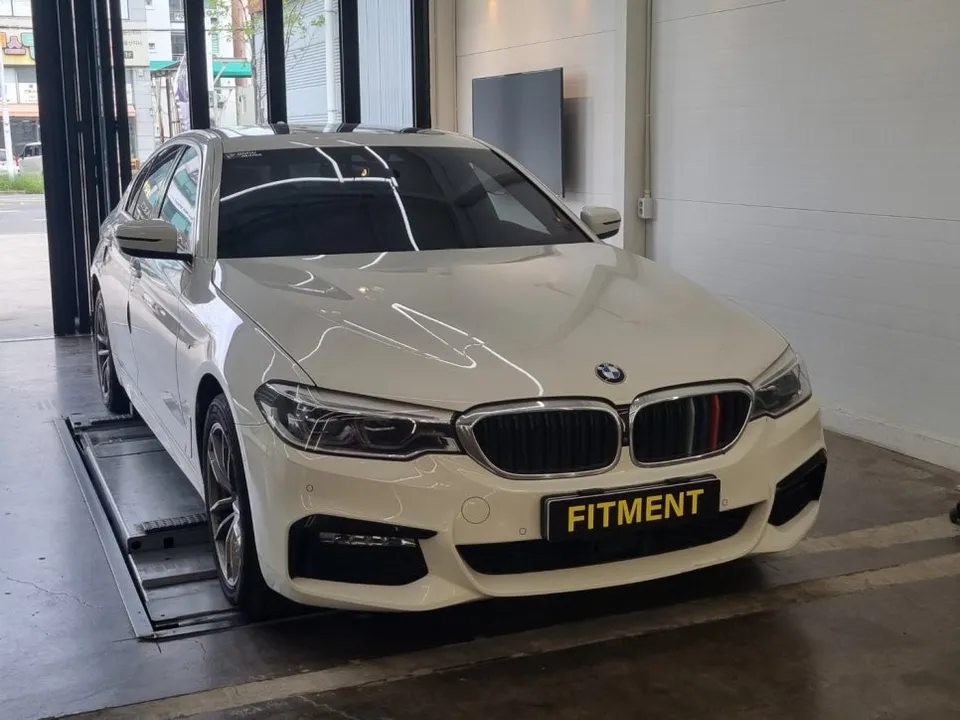
BMW 5 Series G30 LCI M-look body kit conversion: Cost details unavailable in source. Results in a dramatically updated, aggressive appearance.
Upgrade Your BMW 5 Series G30 with an LCI M-Look Conversion
For BMW 5 Series G30 owners looking to refresh their vehicle's appearance, converting to the later LCI M-look offers a significant aesthetic upgrade. This review details a conversion process, highlighting the transformation, installation, and key considerations for this popular aero kit modification. The difference between the pre-LCI and LCI models of the G30 is most noticeable in the front and rear bumper designs, as well as the headlights. While the powertrain and interior often remain similar, a visual refresh can dramatically alter the car's presence and perceived value.
This type of conversion is an attractive option for owners who feel their current car looks dated, desire a sportier aesthetic, or want to enhance the car's appeal before a potential sale. It presents a cost-effective way to achieve a substantial visual impact without the expense of a brand-new vehicle. The focus here is on achieving a high-quality finish and seamless integration, even when using reputable aftermarket parts.
The Conversion Process: From Front to Rear
The project detailed here involved a rear-end collision repair, providing an opportune moment for the owner to pursue the LCI M-look conversion. The goal was to move away from the standard look to a more aggressive and modern M-inspired design. The parts used were high-quality aftermarket components, chosen for their excellent fitment, comparable to OEM standards. While not genuine BMW parts, they offer a durable and visually appealing alternative.
The installation begins with the front bumper removal. Specific components like the air flaps are replaced to match the LCI design. It's worth noting that some aftermarket kits can occasionally trigger engine warning lights if sensors are affected, but often, these can be managed without needing to replace the part with an OEM equivalent, provided there are no functional issues.
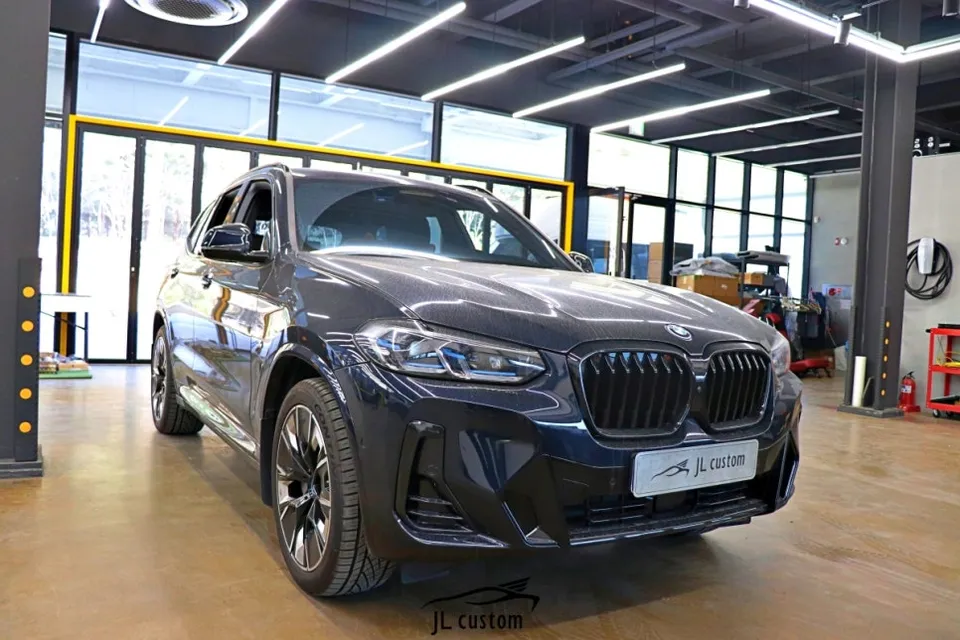
A major part of the transformation involves the headlights. The LCI headlights feature a sharper, more angular design compared to the earlier models, deviating from the traditional BMW angel eyes. Achieving a precise fit between the new headlights, bumper, and fenders is crucial for a factory-like finish. This meticulous alignment ensures the overall aesthetic is cohesive and the panel gaps are minimal.
The rear section also underwent significant changes, including body panel repair from the accident, trunk replacement, and a new diffuser to match the M5 style requested by the owner. To manage costs, some high-quality used parts were refinished and installed. Existing wiring harnesses, cameras, and switches were carefully transferred from the original components to maintain full functionality. The rear also received LCI-style taillights, featuring a smoked, illuminated design that complements the updated front end.
Adapting the rear bumper to the M5 specification required modifying fender brackets. Additionally, the parking sensor positions needed adjustment, a detail often overlooked but critical for proper function and integration. Careful wiring management ensures all electrical components are connected cleanly and securely, contributing to the overall quality of the installation.
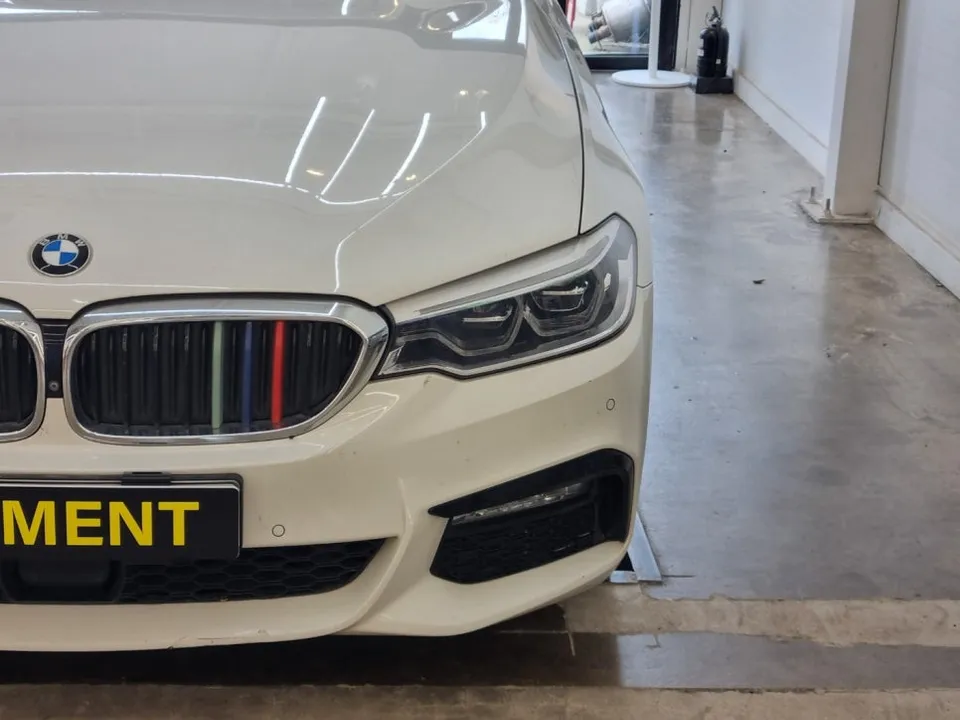
Before and After: A Dramatic Transformation
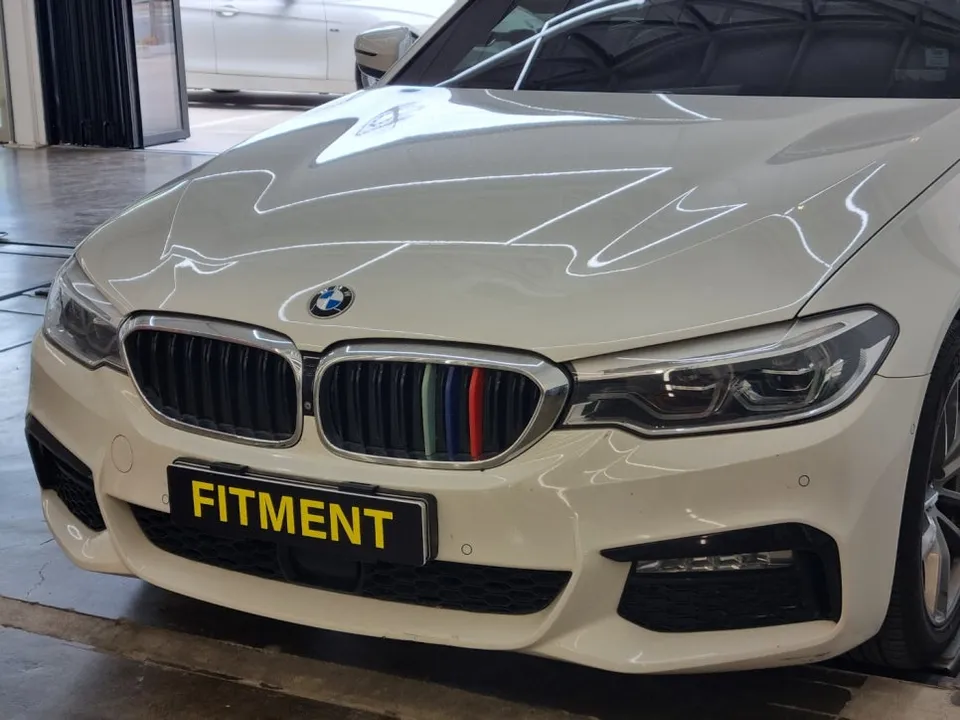
The completed conversion resulted in a vehicle that looked dramatically different and significantly more aggressive. The new LCI headlights, with their distinct lighting signature, immediately modernized the car's face. The M5-style rear diffuser and updated taillights created a balanced, sporty profile that rivals the factory M models. The precision of the installation, with minimal panel gaps and a flush fit, gives the impression of a factory-built vehicle. This transformation not only enhances the car's visual appeal but also potentially increases its market value. The owner's decision to invest in this body kit and professional installation yielded a highly satisfying and impactful result, breathing new life into the BMW G30 5 Series.
Frequently Asked Questions
Q. How much does a body kit cost for a BMW 5 Series G30?
The specific cost for this BMW 5 Series G30 body kit installation in Korea was not fully detailed but involved aftermarket parts and some used components. Typical body kit installations for a BMW 5 Series can range from $1,500 to $5,000+ USD depending on the kit's quality and complexity.
Q. How long does body kit installation take on a BMW 5 Series G30?
Body kit installation duration varies but often takes several days, especially when including repairs or paintwork. Proper maintenance involves regular cleaning and checking for any loose fittings or damage to preserve the finish and fit.
Q. Is a body kit worth it for a BMW 5 Series G30?
A body kit is worth it for BMW 5 Series G30 owners seeking a significant aesthetic upgrade and a sportier look without the cost of a new car. It's particularly beneficial if you're looking to enhance the car's visual appeal or market value.
Q. How is a body kit installed on a BMW 5 Series G30?
Installation involves removing the original bumpers and trim, fitting the new body kit components (like bumpers, side skirts, and diffusers), ensuring precise alignment and minimal gaps, and reattaching lights and sensors. 1. Remove existing bumpers and trim pieces. 2. Test fit new body kit components, adjusting as needed for optimal alignment. 3. Securely attach the new kit, ensuring all clips, bolts, and sensors are correctly installed. 4. Perform final checks for fitment and finish.
Q. What is the difference between FRP and polyurethane body kits for a BMW 5 Series G30?
Fiber-Reinforced Plastic (FRP) kits are typically more affordable but can be brittle and prone to cracking, while polyurethane kits are more flexible, durable, and impact-resistant, offering a better long-term value despite a higher initial cost.
OhCar Partner Shop