BMW 5 Series OEM Options Review — Factory Upgrade Cost
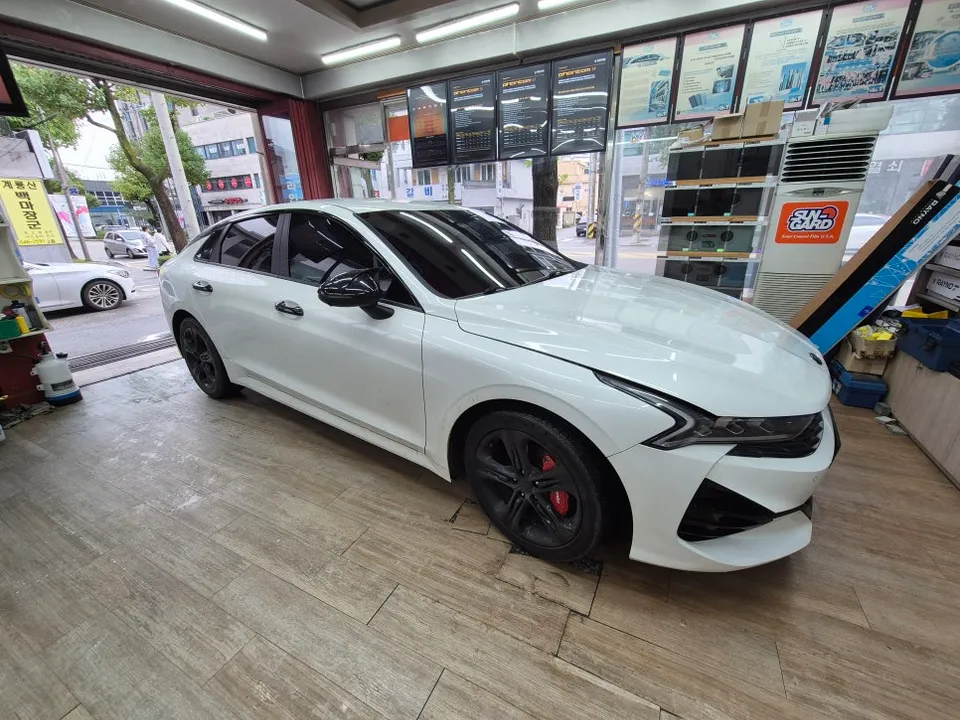
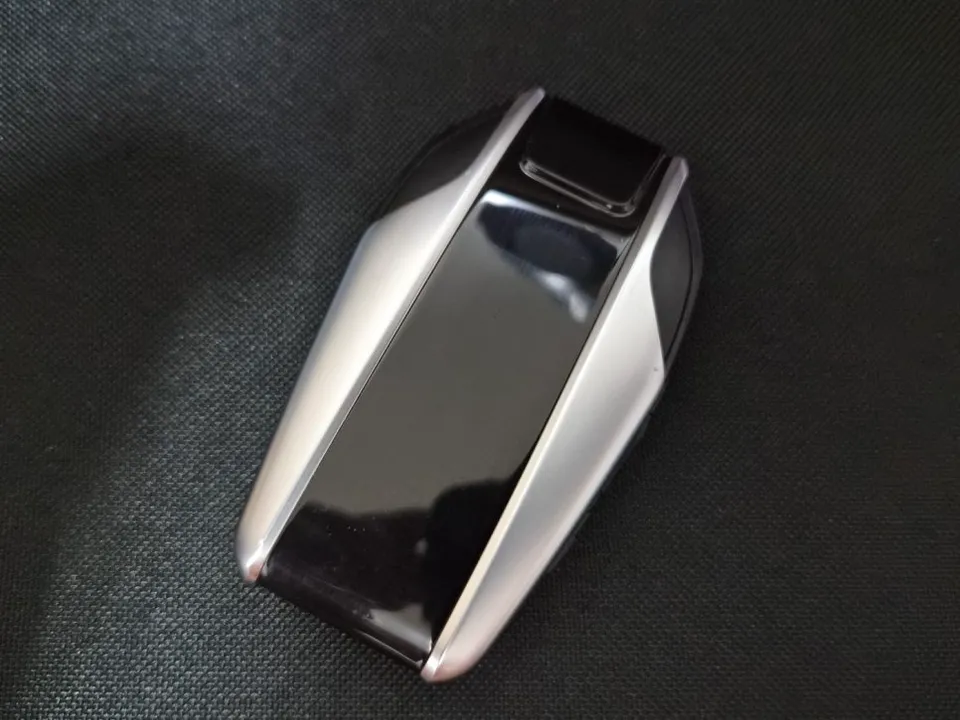
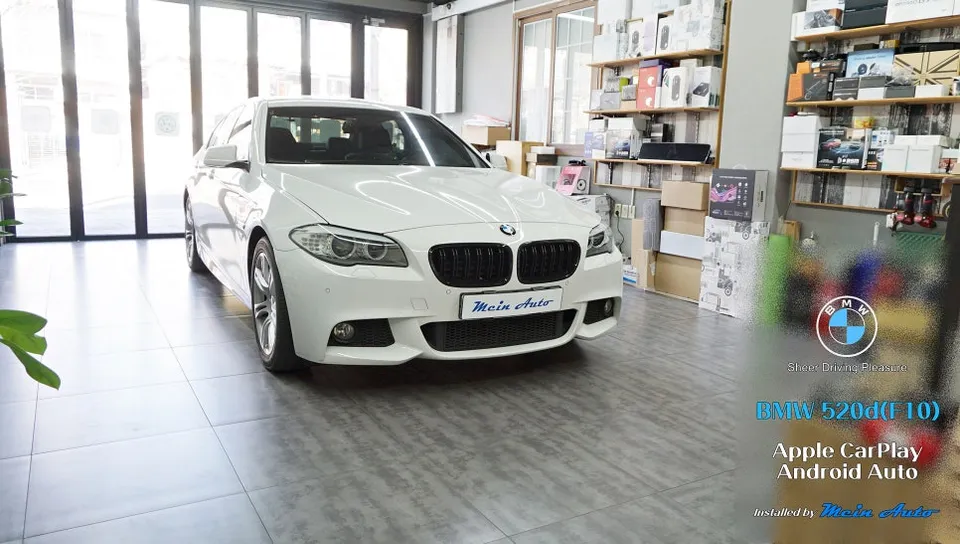
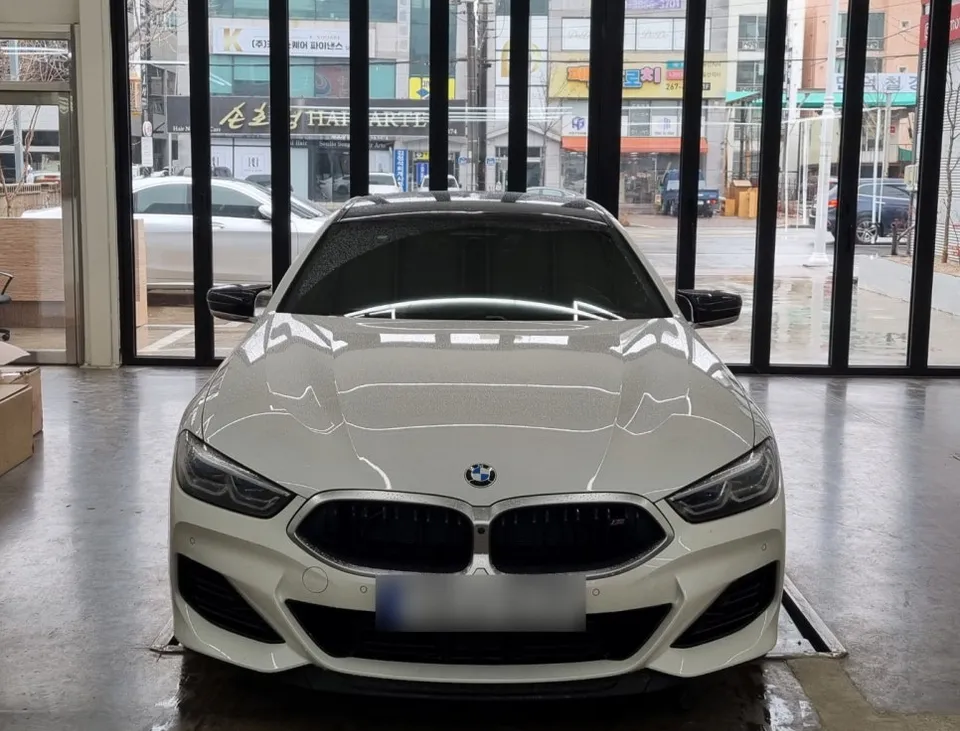
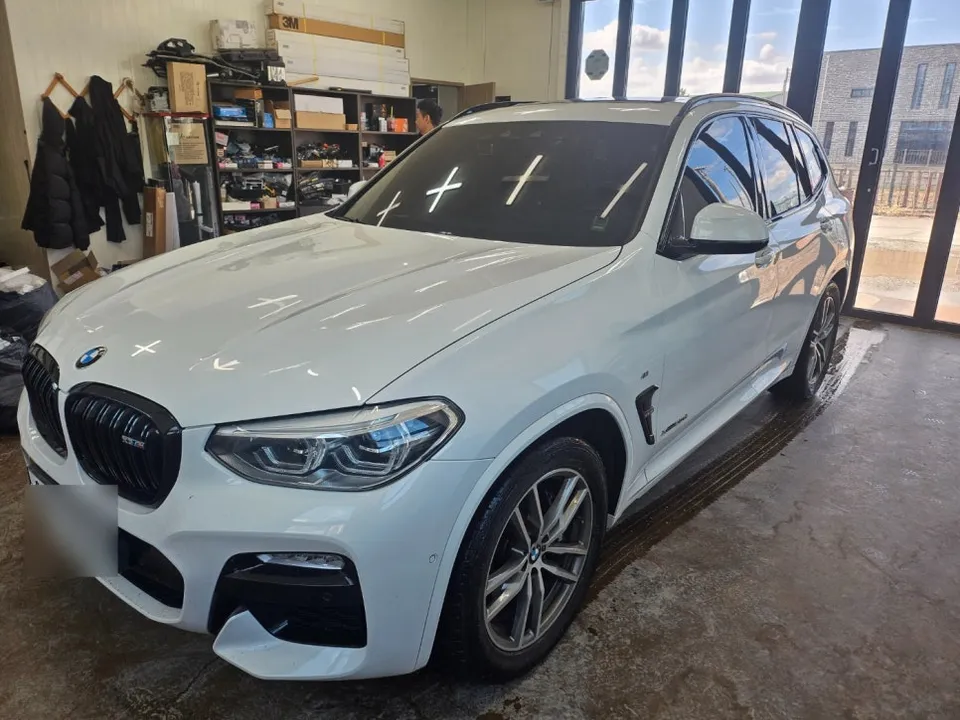
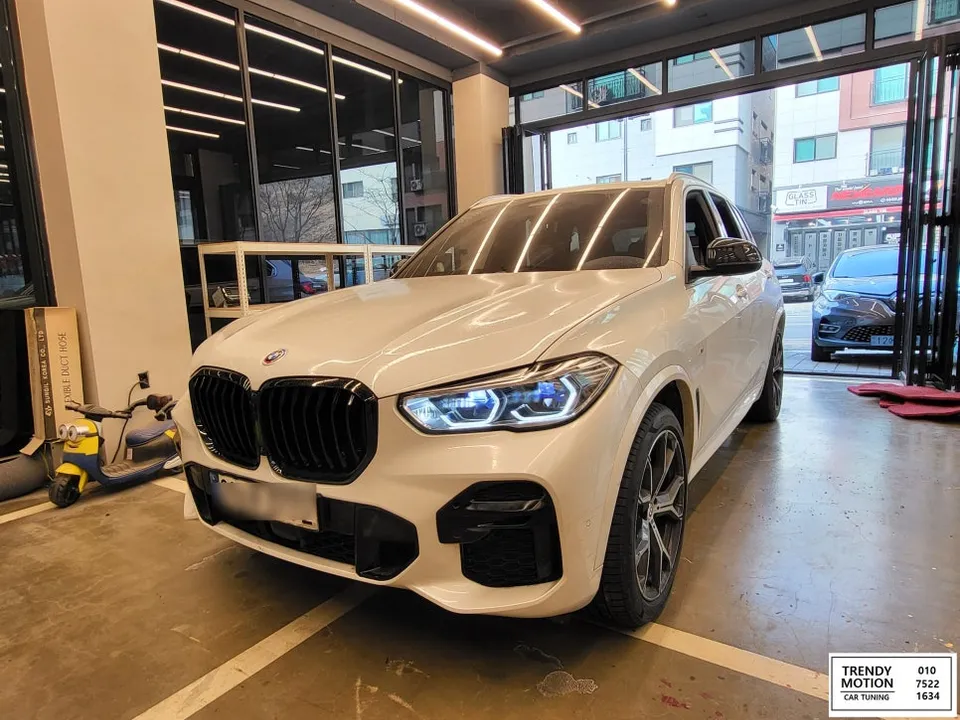
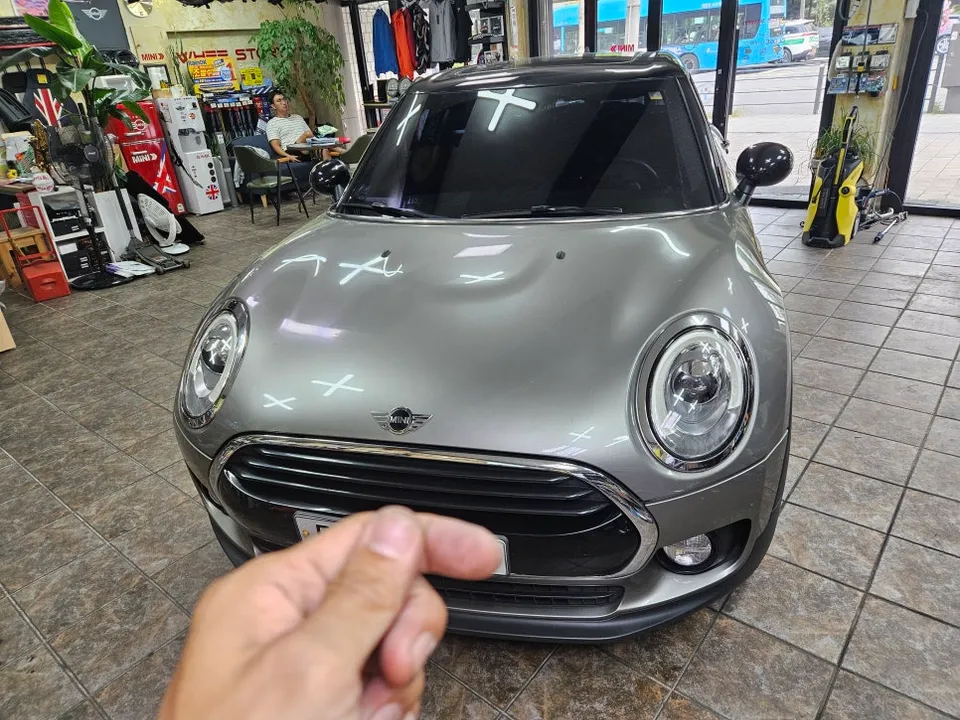
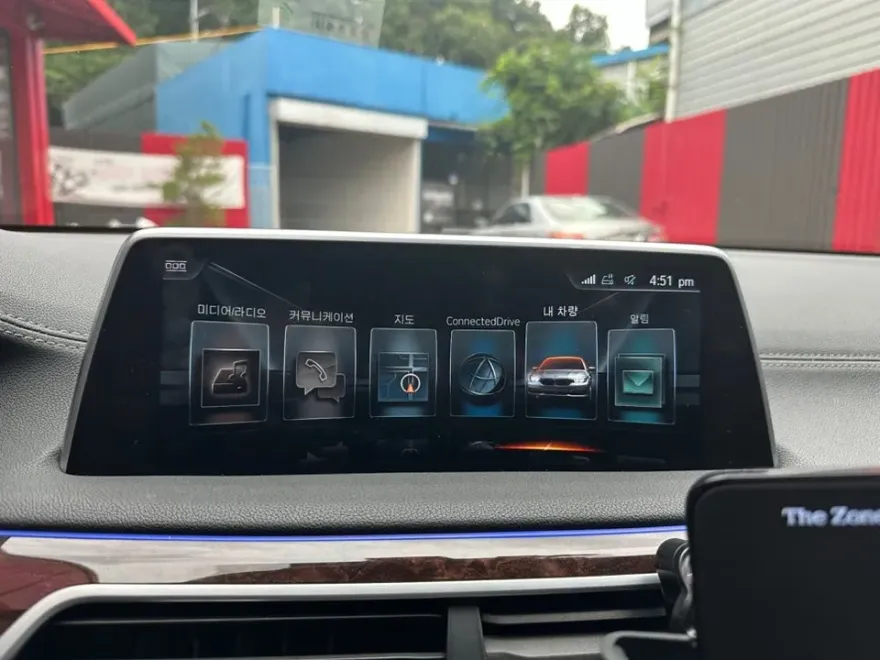
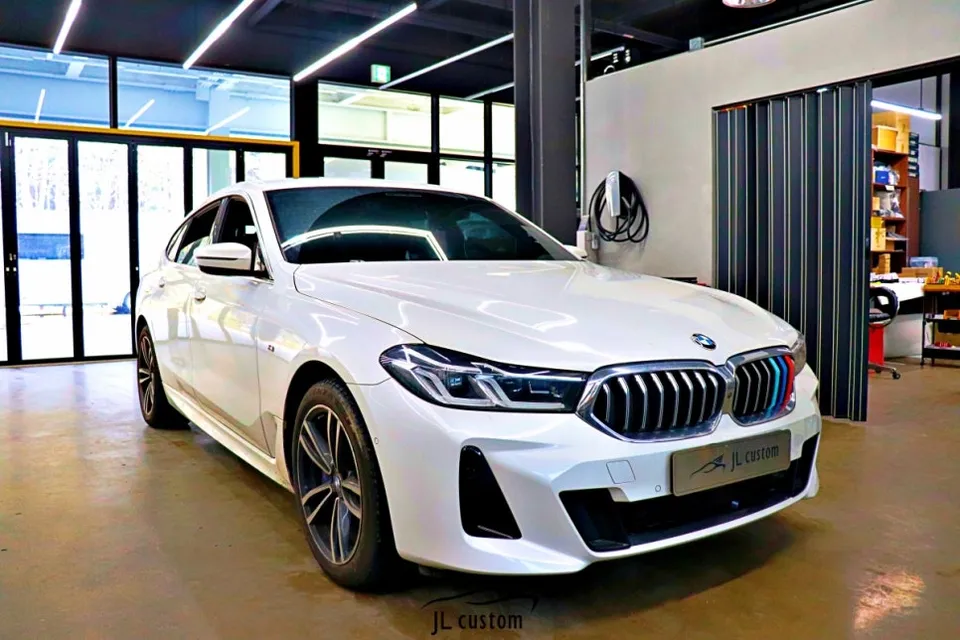
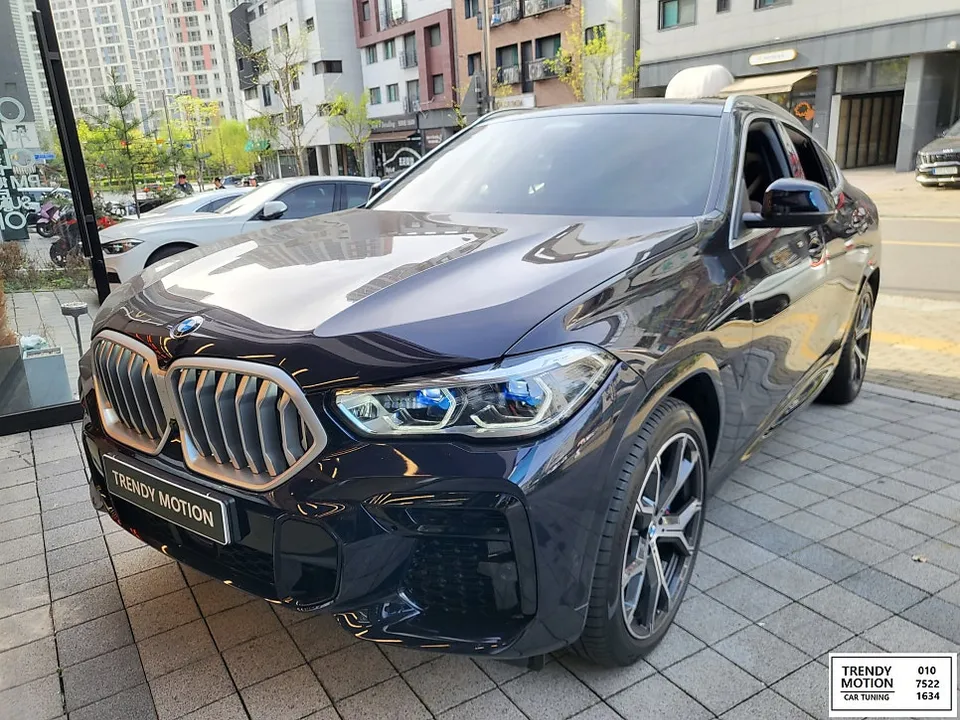
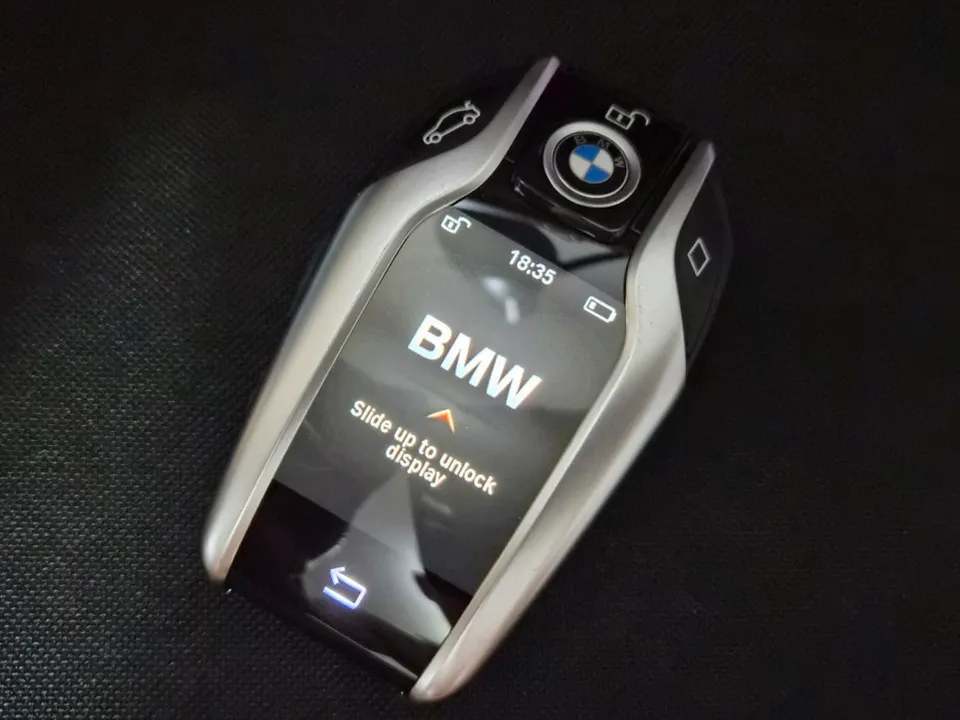
Before
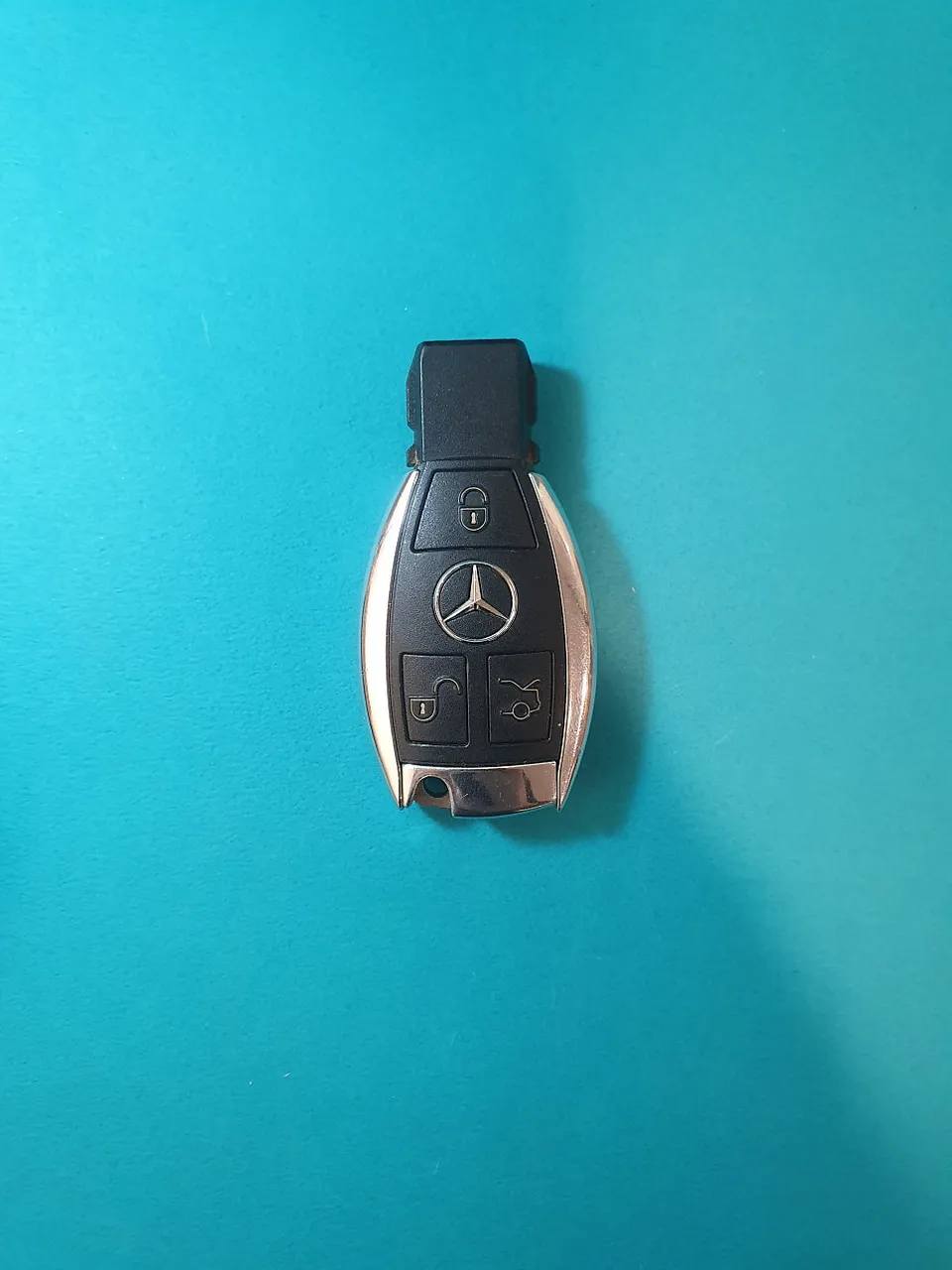
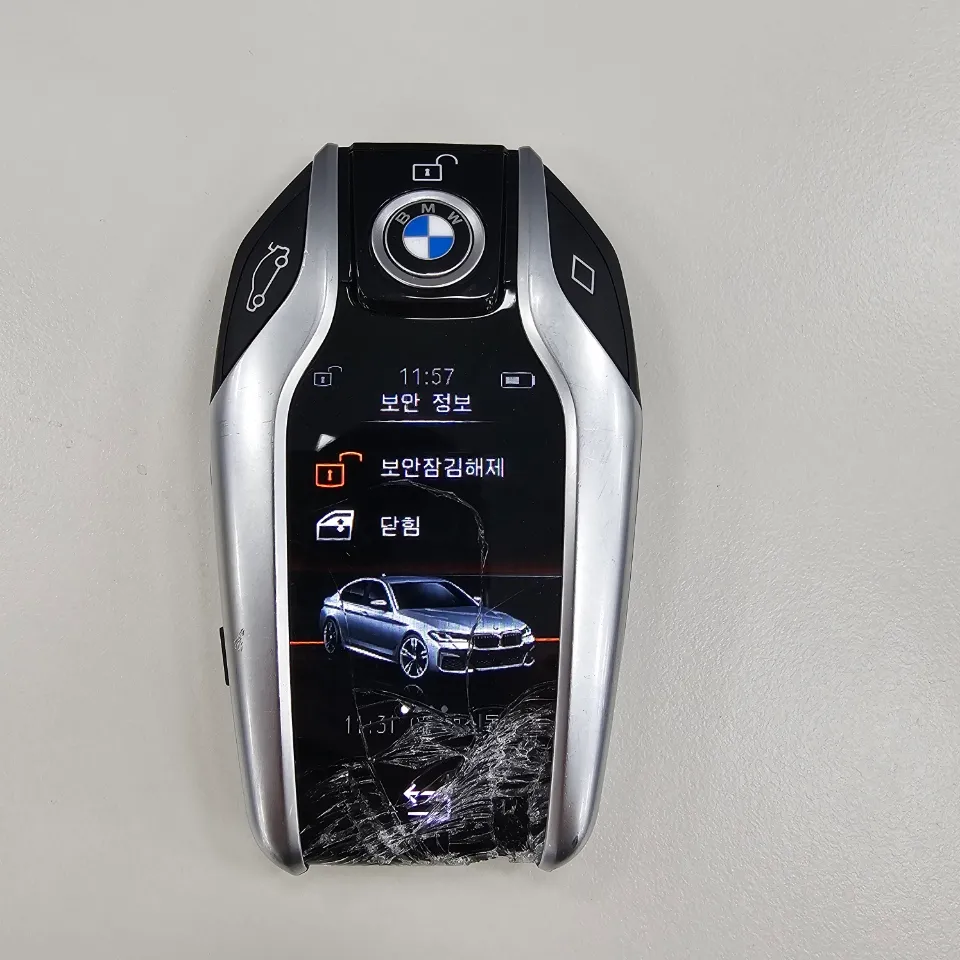
After
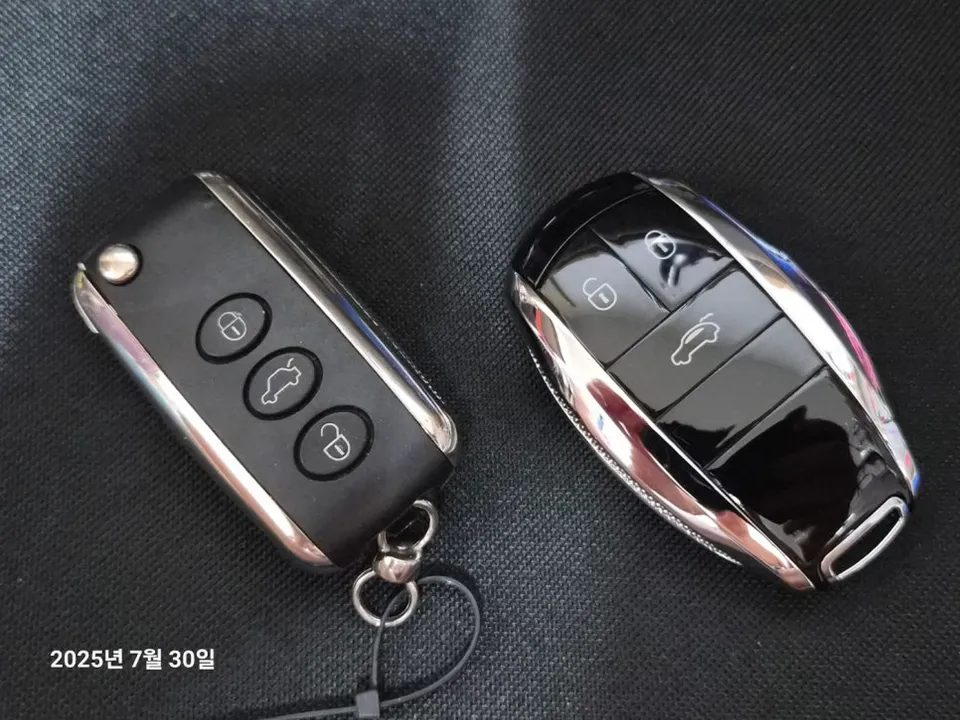
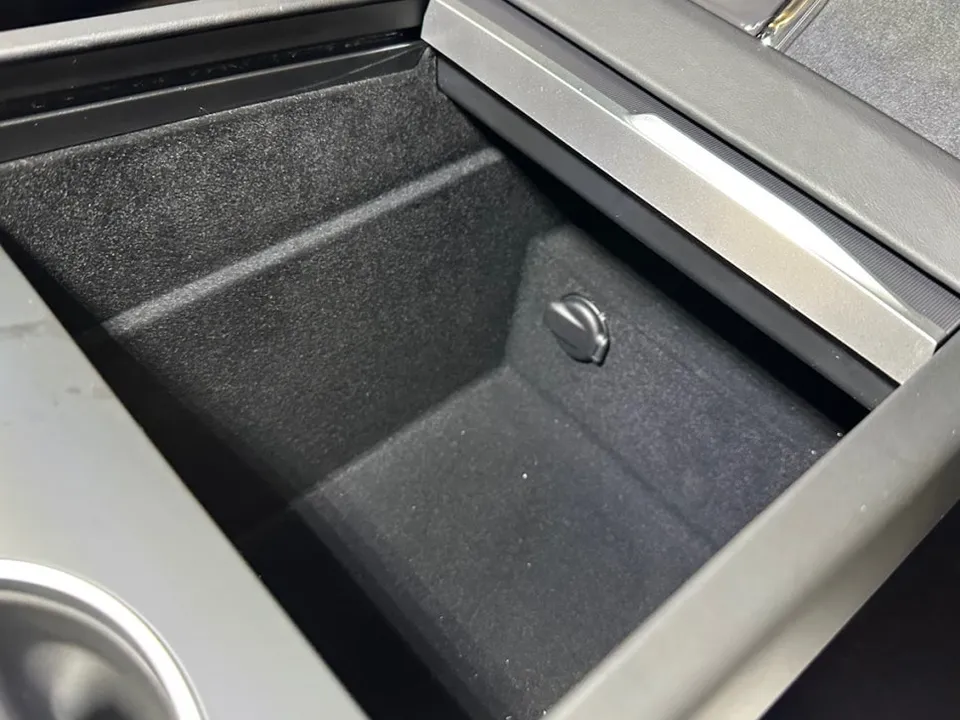
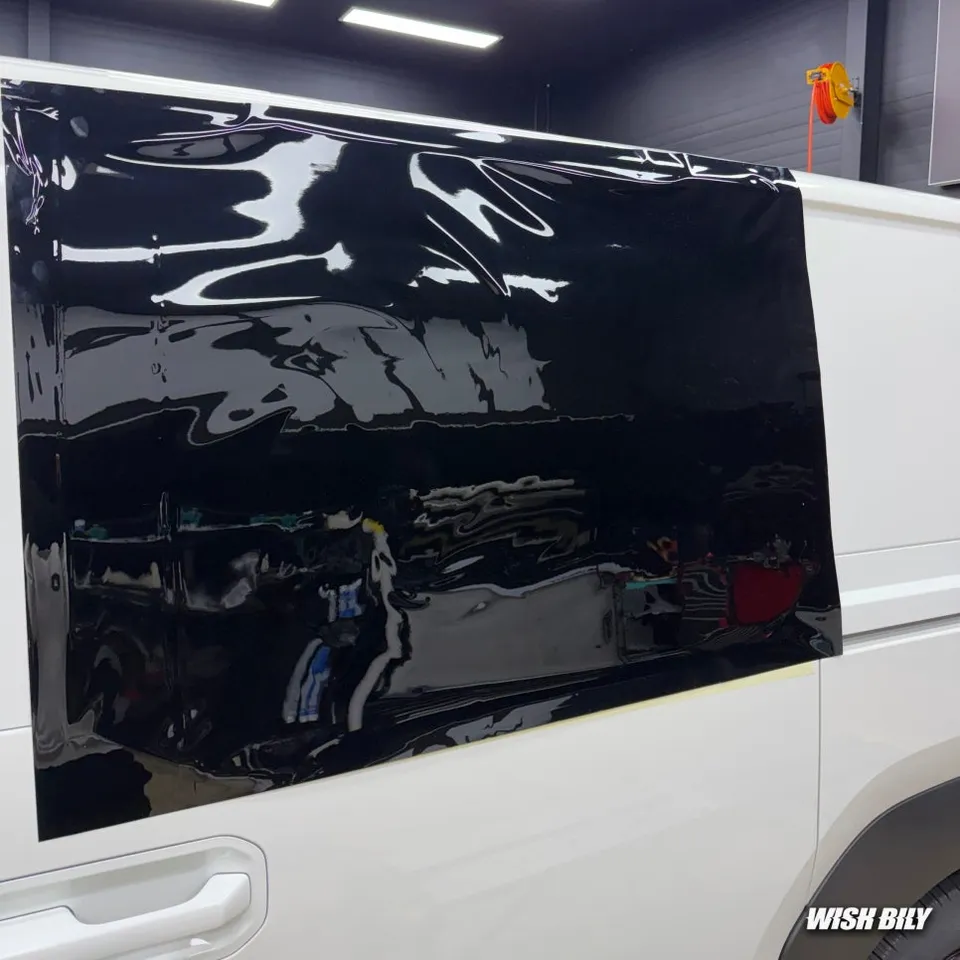
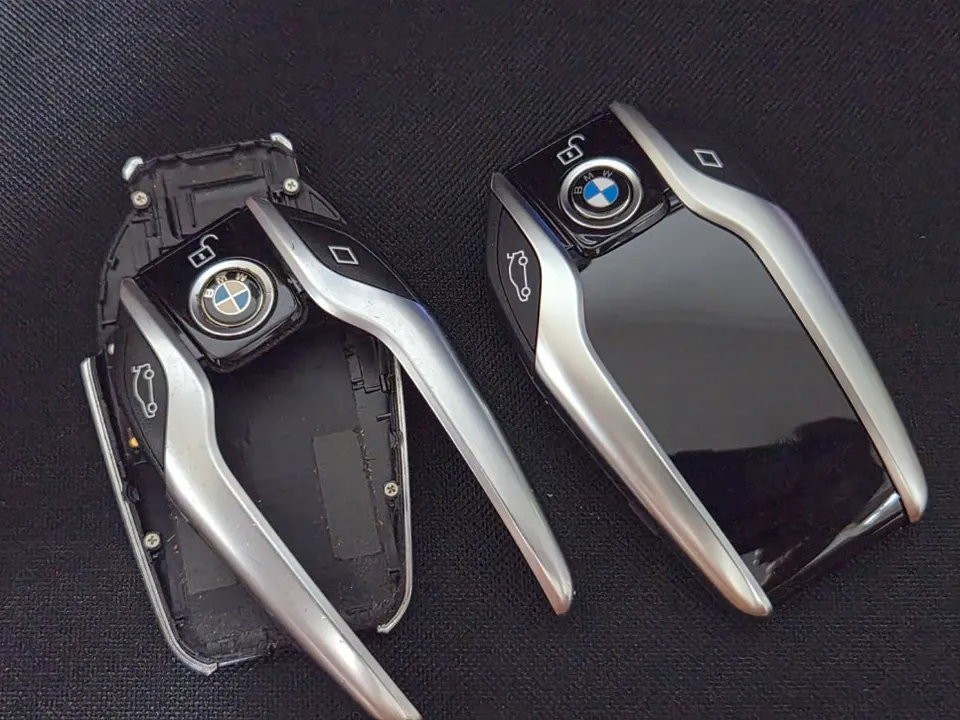
Process photos

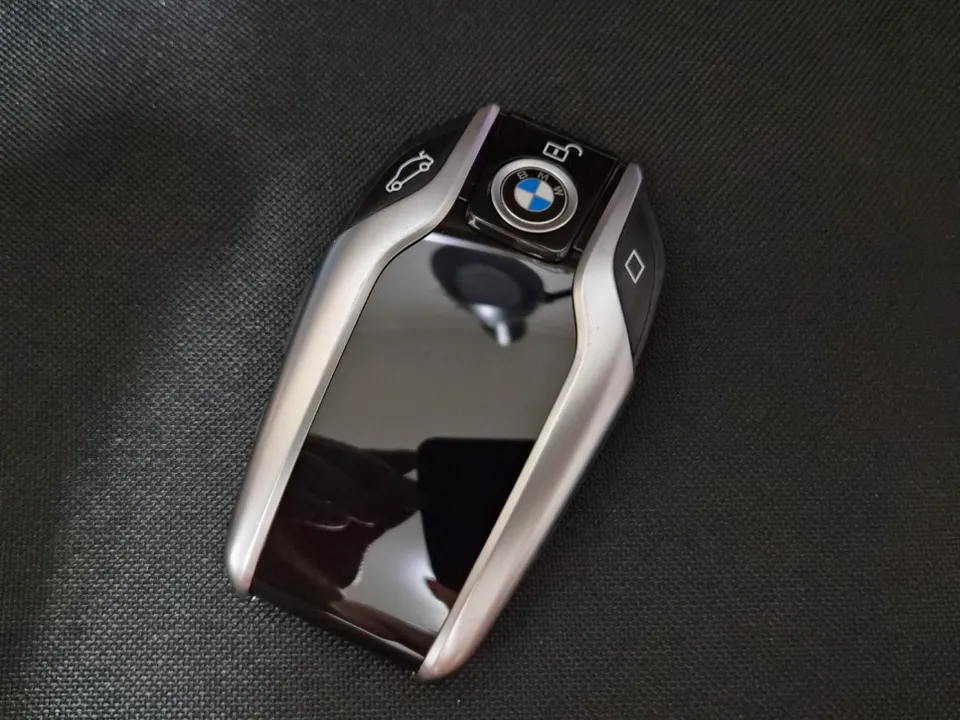
BMW 5 Series OEM option retrofits offer factory-integrated upgrades. Costs vary, but ensure seamless functionality and durability.
Enhancing Your BMW 5 Series with OEM Options
For BMW 5 Series owners looking to enhance their vehicle's functionality or aesthetics after the initial purchase, exploring OEM options and factory upgrade retrofits can be a compelling path. Unlike aftermarket modifications, these are genuine parts designed and approved by BMW, ensuring perfect integration and maintaining the vehicle's integrity. This review delves into the specifics of what OEM options entail for a BMW 5 Series, covering the installation process, potential costs, and the overall value proposition.
Understanding Factory Option Retrofits
When you purchase a new BMW 5 Series, it comes with a specific set of factory-installed options. However, sometimes owners realize later that certain features they desired were available but not selected. This is where factory option retrofits, often referred to as dealer option retrofits or simply OEM options, come into play. These services involve installing genuine BMW components to add features that were originally optional at the time of manufacturing. This could range from advanced driver-assistance systems to upgraded interior trim or enhanced infotainment features. The key benefit is that these are not third-party parts; they are the exact same components BMW would have installed on the production line. This guarantees compatibility, maintains warranty standards, and ensures the aesthetic and functional harmony of the vehicle.
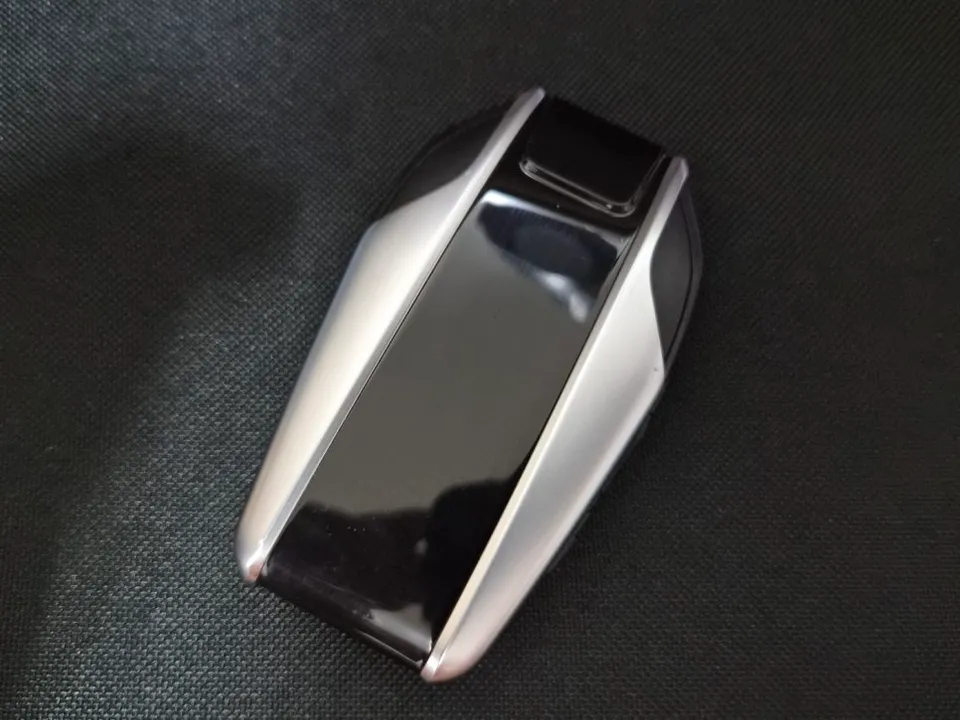
Installation Process and Considerations
The installation of OEM options on a BMW 5 Series is typically performed by certified technicians, often at a BMW dealership or a specialized independent workshop familiar with BMW systems. The process can vary significantly depending on the specific option being retrofitted. For instance, adding a new sensor for a parking assist system will involve different steps than upgrading the ambient lighting. Generally, the installation involves:
- Diagnostic and Planning: Technicians will first confirm the compatibility of the desired OEM option with your specific BMW 5 Series model and year. They will also assess any necessary wiring harnesses or control modules required.
- Component Installation: This involves physically fitting the new parts into the vehicle. For interior upgrades, it might mean removing trim panels. For electronic systems, it could involve routing new wires and connecting them to the car's existing network.
- Software Integration: Crucially, most modern OEM option retrofits require software configuration. The vehicle's onboard computer system needs to be updated to recognize and operate the new feature correctly. This is a critical step that differentiates OEM retrofits from many aftermarket solutions.
- Testing and Calibration: After installation and software updates, thorough testing is performed to ensure the new option functions as intended and integrates seamlessly with other vehicle systems. Calibration may be necessary for certain features, like adaptive cruise control sensors.
The durability of these retrofitted options is generally excellent, as they are genuine BMW parts designed for long-term use. Maintenance is usually minimal and aligns with the standard care required for the specific feature. For example, a retrofitted camera system would require occasional cleaning, similar to the factory-installed ones.
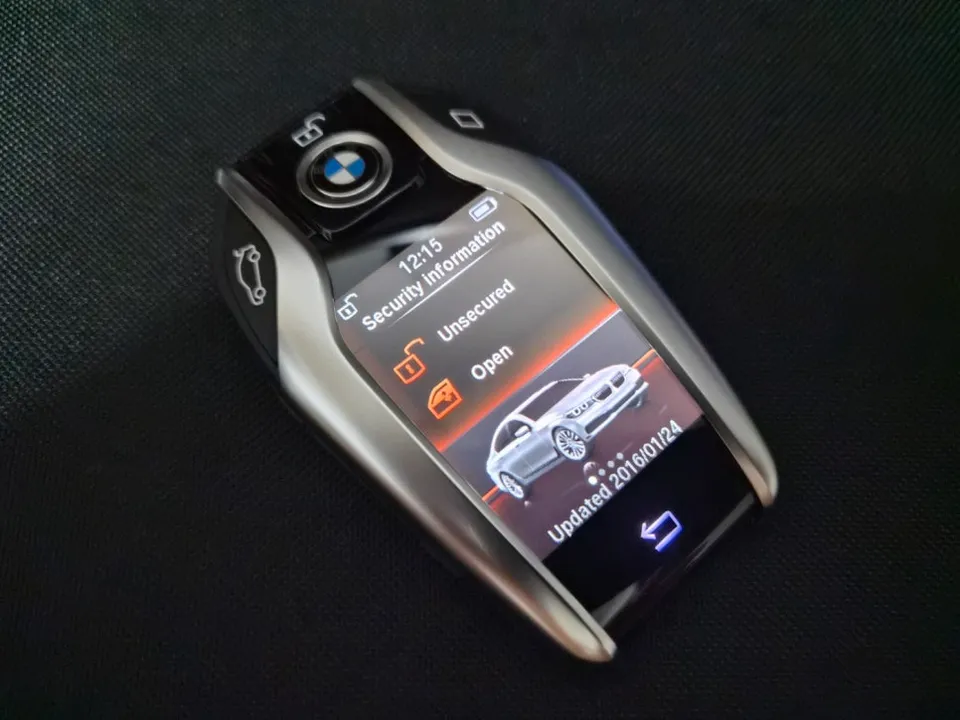
Is it Worth It?
Deciding whether to pursue OEM options for your BMW 5 Series hinges on several factors. The primary consideration is cost. Retrofitting factory options after purchase can be significantly more expensive than selecting them when ordering the car new. However, for features that are highly desired and unavailable through aftermarket channels, or where maintaining the OEM look and feel is paramount, the cost may be justified. The 'before and after' results are typically a seamless integration of the new feature, appearing as if it were factory-installed from day one. This level of integration and quality is hard to match with aftermarket alternatives. For owners who prioritize originality, warranty preservation, and a flawless finish, investing in OEM options for their BMW 5 Series can be a worthwhile endeavor, especially for features that genuinely enhance the driving experience or utility.
Frequently Asked Questions
Q. How much does OEM option and factory upgrade installation cost for a BMW 5 Series?
The cost for OEM options and factory upgrades on a BMW 5 Series can vary widely, often ranging from several hundred to several thousand US dollars depending on the complexity of the feature. While specific pricing for the Korean market was not detailed, expect professional installation costs to be a significant factor.
Q. How long does OEM options installation take on a BMW 5 Series?
The durability of retrofitted OEM options is generally excellent, as they are genuine BMW parts designed for long-term use. Basic maintenance typically involves keeping the components clean, similar to factory-installed features.
Q. Are OEM options worth adding after purchase for a BMW 5 Series?
OEM options are most worth it for BMW 5 Series owners who prioritize seamless integration, warranty preservation, and the highest quality finish. If a specific feature significantly enhances your driving experience and isn't available or desirable through aftermarket means, the investment can be justified.
Q. How are OEM factory options installed on a BMW 5 Series?
OEM factory options are installed through a multi-step process: 1. Technicians confirm compatibility and plan the installation. 2. Physical components are fitted into the vehicle. 3. The car's software is updated to recognize the new feature. 4. The system is thoroughly tested and calibrated.
Q. What is the difference between dealer-installed options and aftermarket upgrades for a BMW 5 Series?
Dealer-installed OEM options are genuine BMW parts designed for perfect integration and warranty compliance, while aftermarket upgrades are made by third-party manufacturers and may not offer the same level of fit, finish, or system compatibility. For a BMW 5 Series, sticking with OEM options is generally recommended for maintaining the vehicle's integrity and resale value.
OhCar Partner Shop