Ford Explorer 6th Gen OEM Options Review
Service Price
$150+
Estimated price · Actual price may vary by shop

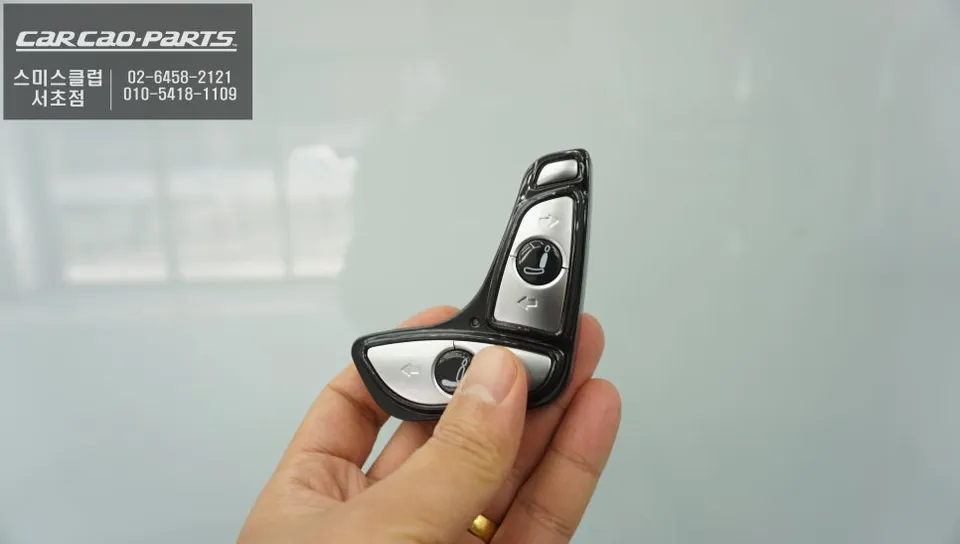
Ford Explorer 6th Gen wireless walk-in switch installation: ~$750-$1500. Improves rear-seat access without seat damage.
Understanding OEM Options for Your Ford Explorer 6th Gen
The 6th generation Ford Explorer is a capable full-size SUV, and like many owners, you might be considering enhancing its functionality with factory-approved upgrades, often referred to as OEM options or dealer option retrofits. This review focuses on a specific type of factory upgrade: a wireless power-assist system for the front passenger seat, designed to improve rear-seat accessibility. While the original Korean context details a 'wireless walk-in switch' installation, we'll explore the broader concept of OEM options and factory upgrades for the Explorer, focusing on the installation process, potential results, and whether such additions are a worthwhile investment.
Why Consider Factory Upgrades (OEM Options)?
The Ford Explorer, particularly in its larger form, offers ample interior space. However, accessing the rear seats can sometimes be a challenge, especially for children or elderly passengers, requiring manual adjustment of the front passenger seat. A factory upgrade, like the wireless walk-in switch detailed in the original context, aims to solve this common inconvenience. This system automates the forward and backward movement of the passenger seat with a simple button press, making entry and exit from the rear much smoother. The key benefit highlighted in the original installation is the ability to perform this upgrade without damaging the original seat upholstery or wiring, preserving the vehicle's integrity.
The Installation Process: Preserving Your Explorer's Integrity
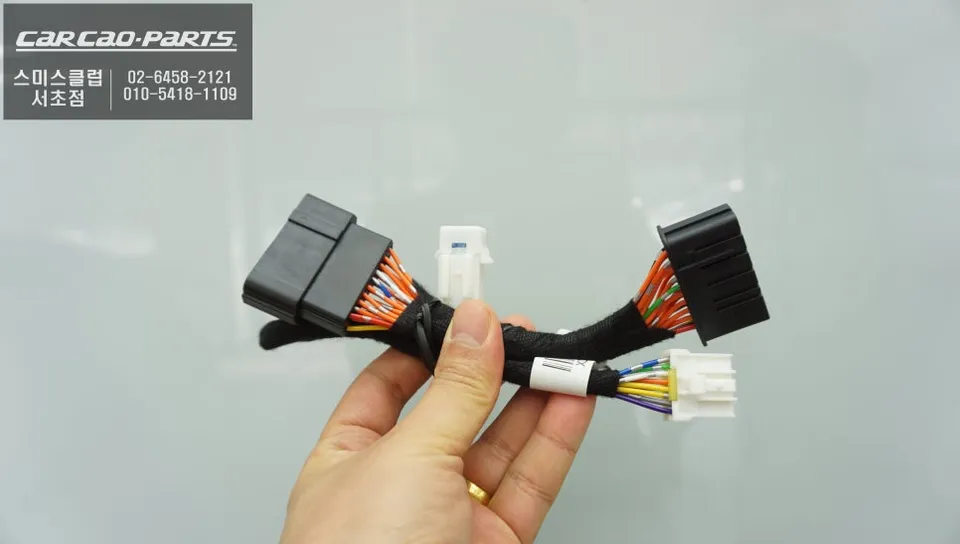
Traditionally, some aftermarket modifications might involve cutting or altering the seat's structure to route wires and install switches. This can lead to permanent damage and complicate future repairs or resale. The approach described in the Korean context for the wireless walk-in switch emphasizes a non-invasive installation. This method involves:
- Module Placement: Wireless receiver modules are discreetly installed, often utilizing existing mounting points on the underside of the passenger seat or employing custom brackets. This is done without any need to cut or modify the seat material.
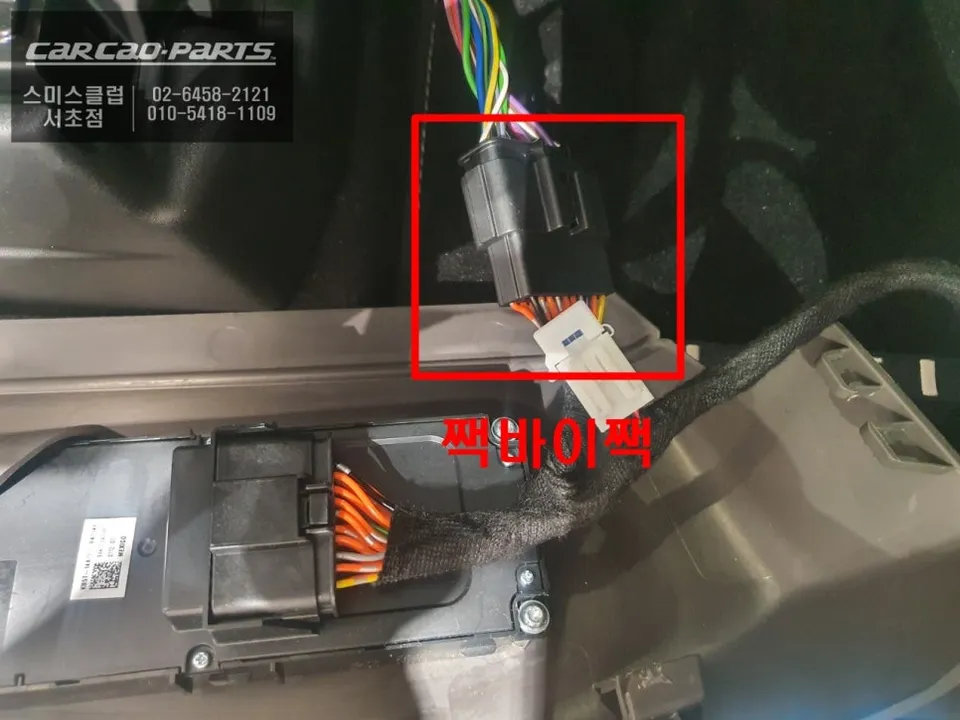
- Wiring Integration: Instead of tapping into or damaging the vehicle's original wiring harness, this system uses a "plug-and-play" or "kakaibai" (connector-to-connector) method. This means new connectors are added to existing factory power points, ensuring the original wiring remains untouched and reversible.
- Power Connection: Power is safely sourced from the vehicle's electrical system, typically from an accessory power point or the battery's positive terminal, again using secure, non-damaging connectors.
- Control Setup: Finally, a wireless remote or a small, discreet button is programmed to control the seat's movement. For complex vehicles like the Ford Explorer, specialized knowledge of its electronic systems is crucial for a seamless integration.
The entire process, as performed by the original installer, took approximately 2-3 hours. This meticulous approach ensures that the vehicle's original condition is maintained, which is a significant advantage for durability and potential future resale value. The focus is on adding convenience without compromising the vehicle's structural or electrical integrity.
Cost and Value of OEM Options
The cost for such a factory upgrade can vary. In the Korean market, the wireless walk-in switch installation was estimated to range from 1,000,000 to 2,000,000 KRW (approximately $750 - $1500 USD, depending on exchange rates). This price typically includes the cost of the wireless module kit itself (around 500,000 - 800,000 KRW), labor for installation (300,000 - 500,000 KRW), and the specialized configuration for the vehicle's electronics (200,000 - 700,000 KRW). Factors influencing the final OEM options cost include the specific year of the Ford Explorer (2020 onwards for the 6th gen), the complexity of the wireless control (basic button vs. app integration), and the intricacy of the wiring integration required. While this specific example is a convenience feature, other OEM options or factory upgrades could range from aesthetic enhancements to performance-related modules, each with its own cost-benefit analysis.
Frequently Asked Questions
Q. How much does OEM option and factory upgrade installation cost for a Ford Explorer 6th Gen?
The wireless walk-in switch installation detailed in the original context cost approximately 1,000,000-2,000,000 KRW (around $750-$1500 USD). Typical OEM options and factory upgrades for vehicles can range from a few hundred to several thousand dollars depending on the complexity and type of upgrade.
Q. How long does OEM options installation take on a Ford Explorer 6th Gen?
The installation of the wireless walk-in switch took about 2-3 hours. Generally, the durability of such OEM options is high, as they are designed to integrate seamlessly with the vehicle's existing systems, often requiring minimal maintenance beyond occasional checks.
Q. Are OEM options worth adding after purchase for a Ford Explorer 6th Gen?
OEM options like the wireless walk-in switch are particularly beneficial for owners who frequently transport passengers in the rear seats, such as families with children or those often assisting elderly individuals. The value lies in the significant improvement in convenience and accessibility without compromising the vehicle's original condition.
Q. How are OEM factory options installed on a Ford Explorer 6th Gen?
Installation typically involves discreetly placing modules using existing seat points or custom brackets, integrating wiring via non-damaging "plug-and-play" connectors to factory power sources, and programming a wireless remote or button. This process prioritizes maintaining the original seat and wiring integrity.
Q. What is the difference between dealer-installed options and aftermarket upgrades for a Ford Explorer 6th Gen?
Dealer-installed options (OEM) are typically designed and warrantied by the manufacturer, ensuring perfect integration and often maintaining the vehicle's original warranty. Aftermarket upgrades are made by third-party companies and can offer more variety or lower costs but may sometimes void parts of the vehicle's warranty or have less seamless integration.
Kakao Parts