BMW 7 Series PPF Review — Cost & Rock Chip Protection
Service Price
$150+
Estimated price · Actual price may vary by shop
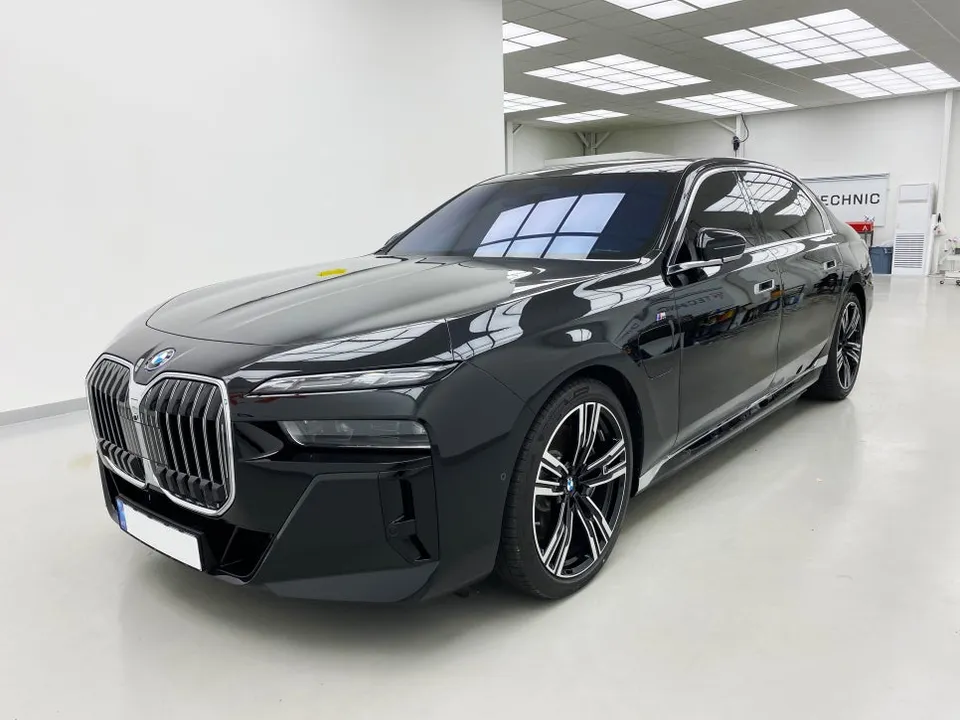
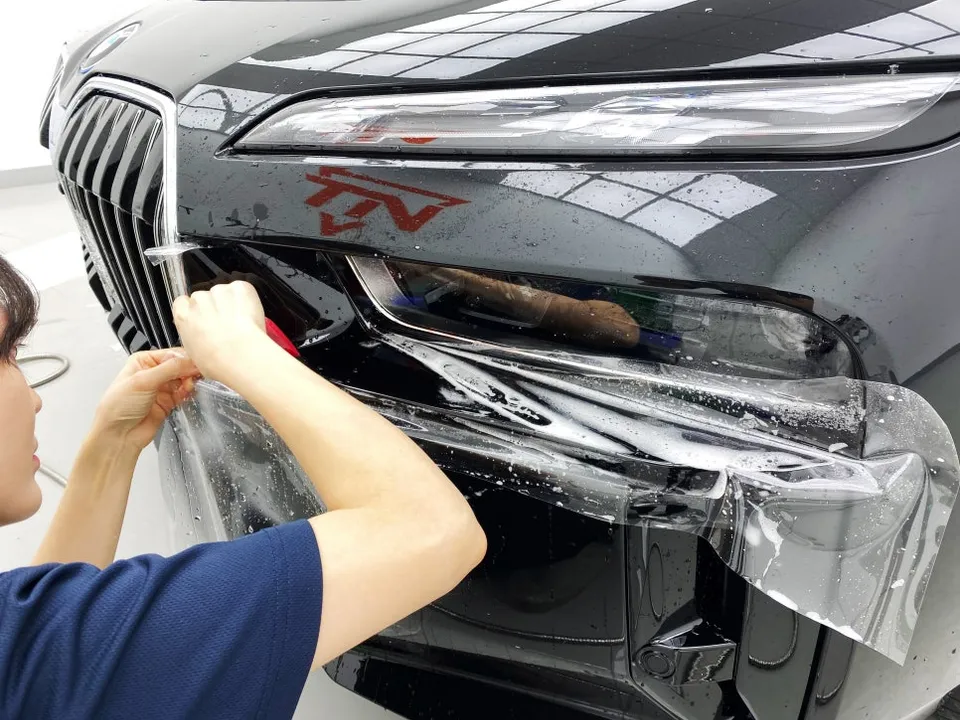
BMW 7 Series PPF installation costs range from approx. $3,000-$5,500 USD. Provides excellent rock chip protection and maintains vehicle value.
Protecting Your BMW 7 Series with Paint Protection Film (PPF)
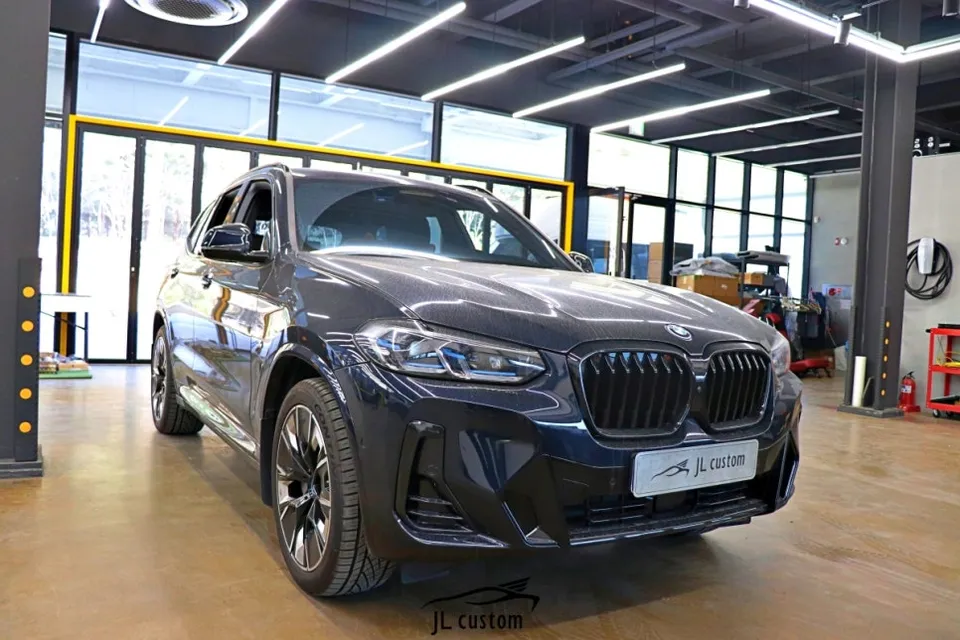
The BMW 7 Series, a symbol of luxury and prestige, commands significant attention. However, its expansive and elegant body lines can be susceptible to scratches and environmental damage. For owners of such a high-value vehicle, maintaining its pristine condition is paramount, as even minor imperfections can impact its resale value. Paint Protection Film (PPF), often referred to as a clear bra, offers a robust solution by shielding the vehicle's paintwork from external impacts, helping to preserve that new-car feel and minimize depreciation. Remember, a vehicle's value isn't solely determined by its model; its physical condition plays a crucial role.
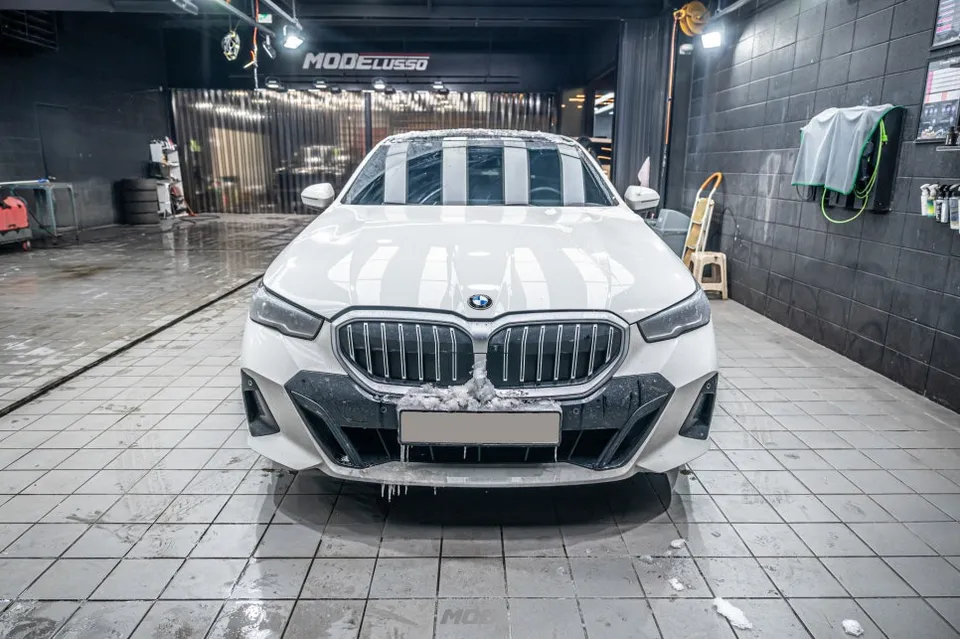
One owner recognized this and sought a solution to maintain their BMW 7 Series' exterior integrity. Applying PPF to a vehicle like the 7 Series, with its sweeping curves and large surface areas, demands a high degree of skill and meticulous attention to detail. The film must adhere flawlessly to every contour without lifting or bubbling, especially on complex body panels.
The extended body of the 7 Series, comparable to some SUVs, means a greater volume of film is required. Achieving a seamless finish across each panel necessitates intense focus and seasoned expertise, often leading to a longer installation time compared to smaller sedans. Rushing the process solely for speed can compromise the final outcome.
At facilities like the one described, a team comprising a veteran installer with over 16 years of experience and top-tier technicians prioritizes perfection over speed. This commitment ensures that your valuable vehicle receives the best possible treatment, even if it means a more extended workshop visit.
The PPF used in these premium applications is typically a high-durability, hard-type film from brands like 'AX'. Unlike standard soft films measuring 5-6 mils, these hard-type films are around 8-9 mils thick. This increased thickness is engineered for superior protection but requires advanced application techniques to ensure it conforms perfectly to the vehicle's intricate shapes.
The Precision of PPF Installation
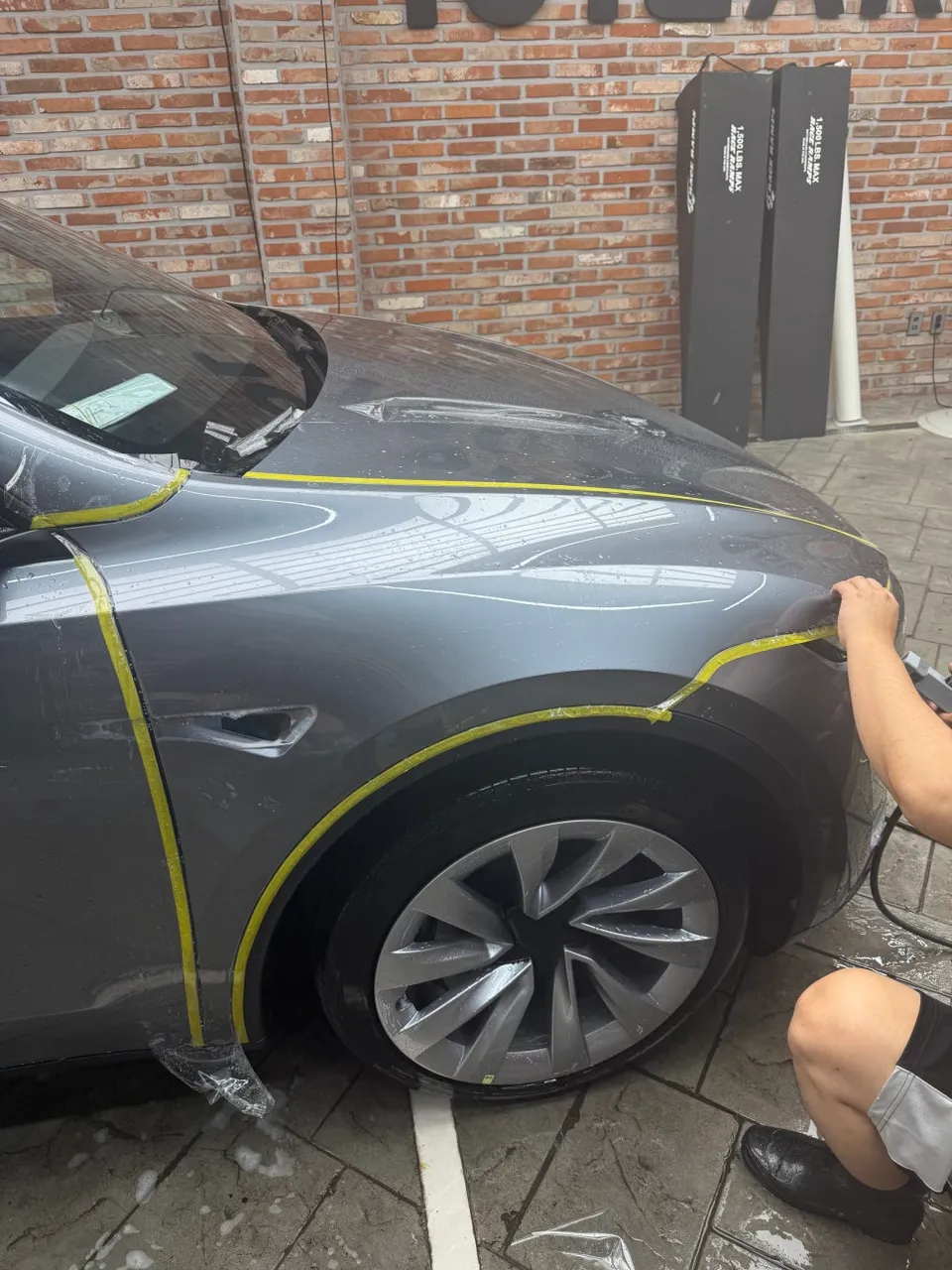
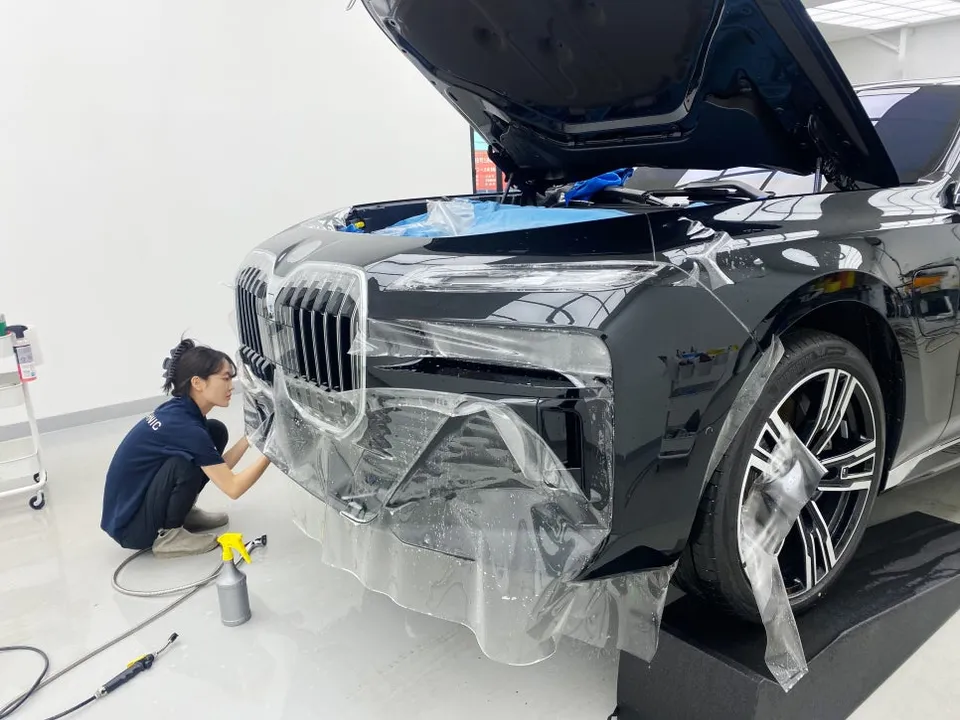
The difference between a good PPF job and a great one lies in the details, from the initial film cutting to the final finishing touches. Applying a thicker film to complex curves without gaps is a challenging task. Installers often cut the film slightly larger than the panel to ensure full coverage during application. Afterward, the film is precisely trimmed around the edges, with the excess carefully tucked behind seams for a clean, integrated look. This meticulous approach is crucial for achieving a flawless finish that protects every inch of the paintwork.
Installation Process:
- Surface Preparation: The vehicle's paintwork is thoroughly cleaned, decontaminated, and often clay-barred to remove any surface imperfections. Any existing contaminants or debris could compromise the film's adhesion.
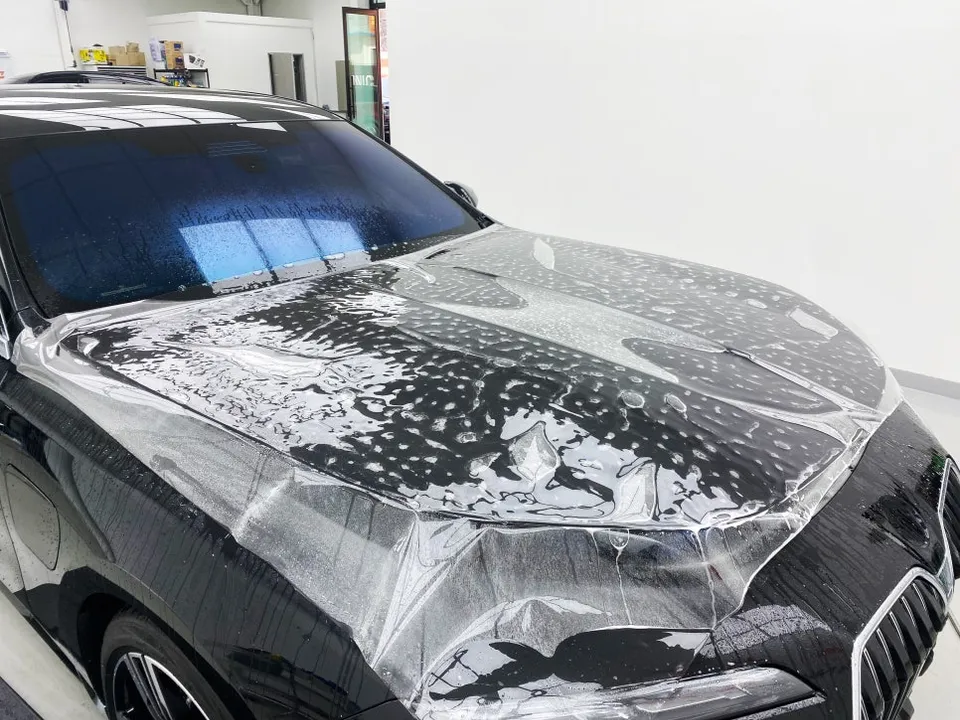
- Film Cutting and Application: The PPF is precisely cut, either using pre-cut patterns or custom-cut on the vehicle. It's then applied using a specialized solution to allow for repositioning and to facilitate squeegeeing out air bubbles and excess liquid.
- Squeegeeing and Edging: Installers meticulously squeegee the film, working from the center outwards to remove all moisture and air. Edges are carefully trimmed and often tucked into seams where possible for a nearly invisible finish.
- Curing: The film is left to cure, typically for a few days, during which it fully adheres to the paintwork. During this time, it's advisable to avoid washing the vehicle.
The result is a virtually invisible barrier that shields the car's paint from rock chips, scratches, insect acids, and other road debris. The film's self-healing properties can also make minor scratches disappear with gentle heat, maintaining a glossy finish over time.
Is Paint Protection Film Worth It for a BMW 7 Series?
Investing in PPF for a BMW 7 Series is a decision driven by the desire to preserve the vehicle's aesthetic appeal and, crucially, its market value. The cost of PPF installation can range significantly, with estimates for a full front-end application on a 7 Series potentially starting around 4 million Korean Won (approximately $3,000 USD, though actual US pricing can vary widely from $1,500 to $3,000+ depending on coverage and location) and extending to 6-7 million Korean Won (approximately $4,500-$5,500 USD) for comprehensive coverage. While this represents a substantial upfront cost, it can be viewed as an investment in protecting a vehicle that itself cost well over $100,000.
The primary benefit is the protection against physical damage. Minor scratches and swirl marks that would otherwise mar the paint and require costly touch-ups or repainting are prevented. This maintained condition directly translates to a higher resale value when it's time to sell or trade in the vehicle. For a car like the 7 Series, where depreciation is a significant concern, PPF acts as a long-term value preservation tool. The durability of high-quality PPF typically lasts for 5-10 years, offering peace of mind and consistent protection. Maintenance is straightforward: regular washing and drying are usually sufficient, with the film's self-healing properties taking care of minor imperfections.
Ultimately, whether PPF is 'worth it' depends on individual priorities. For owners who prioritize maintaining their vehicle's showroom condition, minimize the impact of depreciation, and seek the best possible rock chip protection, PPF is a highly recommended investment. It safeguards the car's appearance and contributes significantly to retaining its value over the years.
Frequently Asked Questions
Q. How much does PPF cost for a BMW 7 Series?
In Korea, PPF for a BMW 7 Series can range from approximately 4 million to 7 million KRW ($3,000-$5,500 USD). Actual US pricing for similar coverage typically falls between $1,500 and $3,000+.
Q. How long does PPF last on a BMW 7 Series?
High-quality Paint Protection Film generally lasts between 5 to 10 years, depending on the product and maintenance. Regular washing and avoiding harsh chemicals will help extend its lifespan.
Q. Is PPF worth it for a BMW 7 Series?
Yes, PPF is highly recommended for BMW 7 Series owners who want to preserve their vehicle's pristine condition and maximize resale value. It provides excellent protection against road debris and minor scratches.
Q. How is PPF installed on a BMW 7 Series?
Installation involves meticulous surface preparation, precise film cutting (often custom-fit), careful application with a solution to remove air and water, and detailed trimming around edges. The film then cures over several days.
Q. What is the difference between PPF and ceramic coating for a BMW 7 Series?
PPF provides physical protection against impacts like rock chips and scratches, while ceramic coating offers a hard, hydrophobic layer that enhances gloss and makes cleaning easier. PPF is a thicker, sacrificial layer, whereas ceramic coating is a thin sealant.
OhCar Partner Shop
More ppf Reviews
See all →


More BMW Reviews
Pair with Another Service
Add hydrophobic protection on top of PPF
Complete your new car protection package