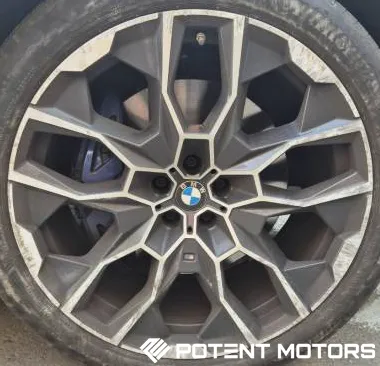
BMW 7 Series Wheel Repair & Painting Review
Service Price
$approx. $400–800
Estimated price · Actual price may vary by shop
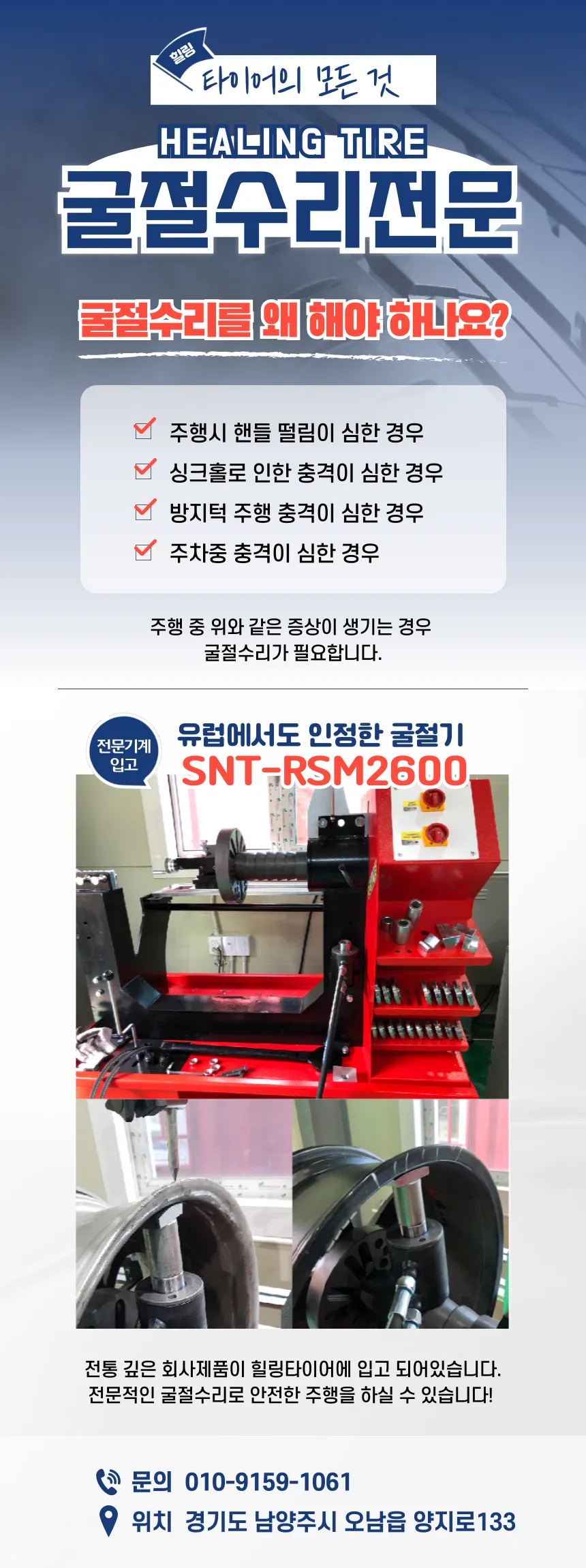
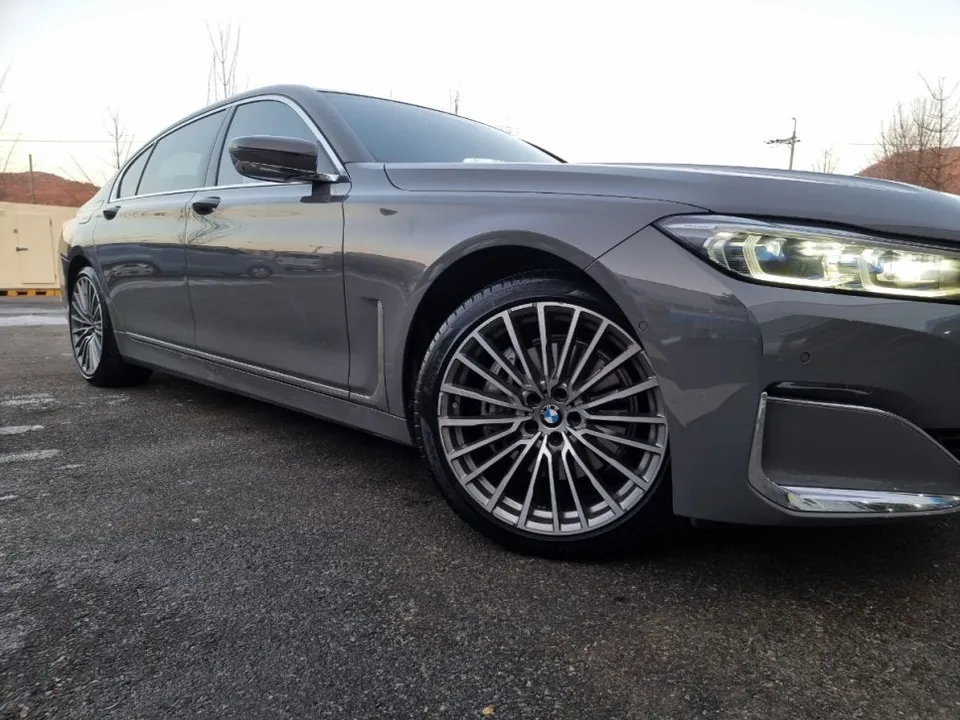
BMW 7 Series wheel repair: ₩300,000-₩600,000. Hydraulic straightening restores bent rims, preventing steering wheel shimmy.
Addressing BMW 7 Series Wheel Damage
Are you experiencing steering wheel shimmy or a general sense of instability while driving your BMW 7 Series? These could be signs of bent or damaged wheels. Wheels are susceptible to deformation from impacts, and a bent wheel isn't just an aesthetic issue; it directly impacts your driving safety. A compromised wheel can place undue stress on your vehicle's suspension components, reducing their lifespan. Furthermore, it can lead to a vibrating steering wheel, uneven tire wear, and decreased fuel efficiency. In severe cases, it could even result in tire damage or a dangerous accident, making prompt inspection and repair essential.
For luxury sedans like the BMW 7 Series, which boast precise suspension tuning and high-performance capabilities, even minor wheel imperfections can be acutely felt. If you suspect wheel damage, it's crucial to seek professional diagnosis immediately.
Hydraulic Wheel Straightening Process
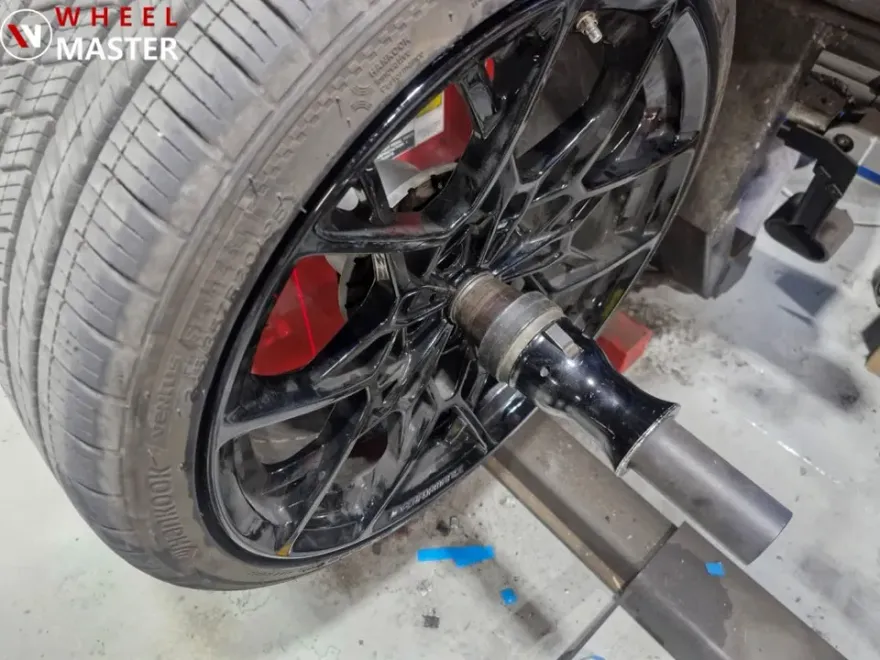
Wheel repair for a BMW 7 Series, particularly for bent rims, is often performed using specialized hydraulic equipment, such as the SNT-RSM2600, which is certified in Europe. This method avoids direct impact on the wheel. Instead, it applies controlled hydraulic pressure to precisely correct the wheel's deformation. This approach minimizes further damage to the wheel while achieving a high rate of restoration. Depending on the wheel's material and the extent of the damage, skilled technicians can often restore the wheel's original strength and shape.
Compared to full wheel replacement or basic cosmetic fixes, hydraulic repair can be more cost-effective, especially if the damage is not severe. The exact cost will depend on the specific damage and repair needed. In Korea, this type of repair typically ranges from 300,000 to 600,000 KRW (approximately $220-$440 USD), but this can vary.
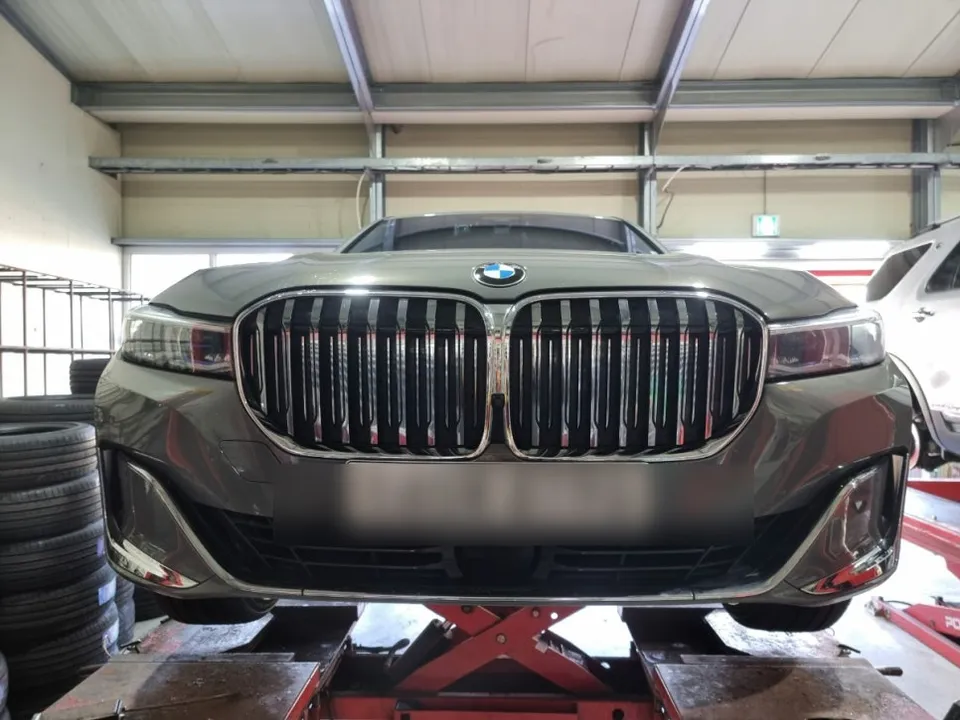
Post-Repair Balancing and Installation
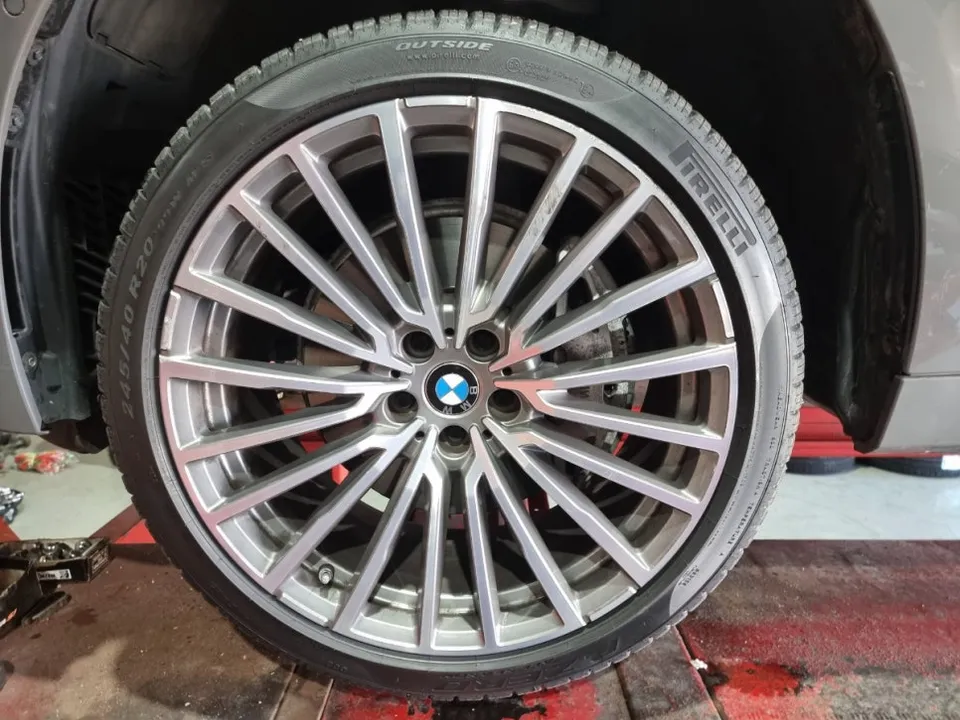
Once the wheel straightening is complete, the next critical steps involve tire mounting and wheel balancing. Proper wheel balancing is vital to prevent steering wheel vibration and ensure even tire wear. The goal is to achieve a balance reading as close to zero as possible.
After precise balancing, the repaired wheel is securely mounted back onto the vehicle. A final inspection of the entire vehicle is conducted to ensure everything is functioning correctly. This thorough check is paramount for your safety.
Installation process:
- Tire removal from the damaged wheel.
- Wheel straightening using hydraulic press.
- Tire remounting and inflation.
- Professional wheel balancing.
- Secure installation onto the vehicle hub.
- Final vehicle inspection.
Failure to perform accurate wheel balancing after repair can reintroduce the very problems the service aimed to fix, like steering wheel shimmy. Therefore, when choosing a wheel repair specialist, verify they have proper balancing equipment and experienced technicians.
Frequently Asked Questions
Q. How much does wheel repair cost for a BMW 7 Series?
In Korea, hydraulic wheel repair for a BMW 7 Series typically costs between 300,000 and 600,000 KRW (approx. $220-$440 USD). US pricing can vary significantly based on location and shop rates.
Q. Can curb rash be fully repaired on BMW 7 Series wheels?
Minor curb rash and cosmetic damage can often be effectively repaired through alloy wheel refinishing, restoring the wheel's appearance. For deeper gouges or structural damage, hydraulic straightening is used to fix bends, but severe damage might still necessitate replacement.
Q. Is wheel repair or replacement cheaper for a BMW 7 Series?
Wheel repair is generally significantly cheaper than replacing an entire wheel, especially for high-end models like the BMW 7 Series. Repair is the more economical choice if the wheel's structural integrity is sound.
Q. How is wheel curb rash repaired on a BMW 7 Series?
For bent wheels, hydraulic straightening uses controlled pressure to reshape the alloy without direct impact. For cosmetic damage like curb rash, the process typically involves sanding down the damaged area, applying filler if needed, priming, painting, and clear coating to match the original finish.
Q. What is the difference between wheel refinishing and full replacement for a BMW 7 Series?
Wheel refinishing addresses cosmetic issues like scratches and curb rash by repairing and repainting the surface, while hydraulic repair fixes structural bends. Full replacement is necessary only when the wheel is severely damaged beyond repair.
OhCar Partner Shop