BMW M2 G87 Wheel Customization Review — Gloss Black Powder Coat
Service Price
$115–150
Estimated price · Actual price may vary by shop
Transform Your BMW M2 G87: A Wheel Repair and Refinishing Masterpiece
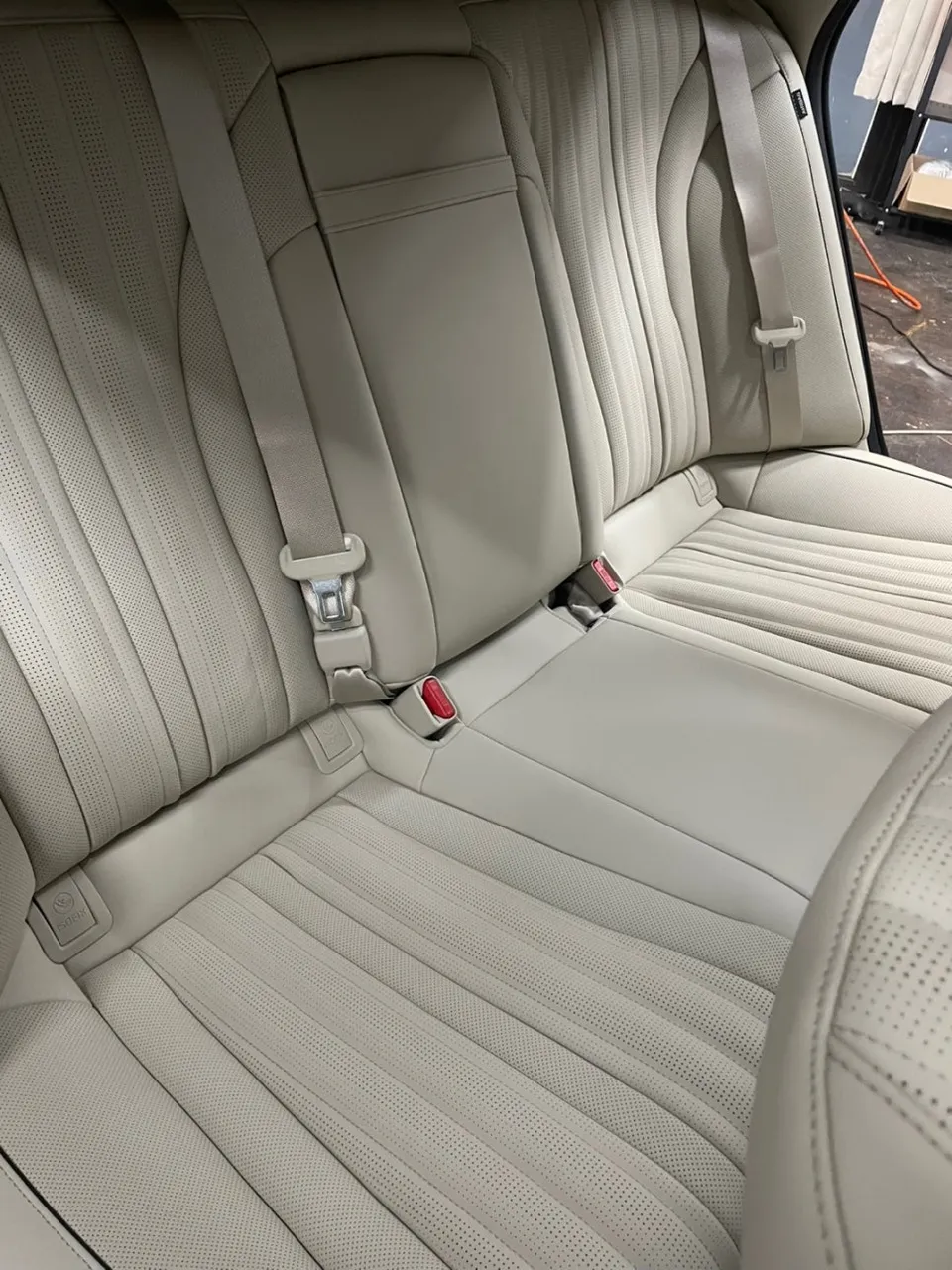
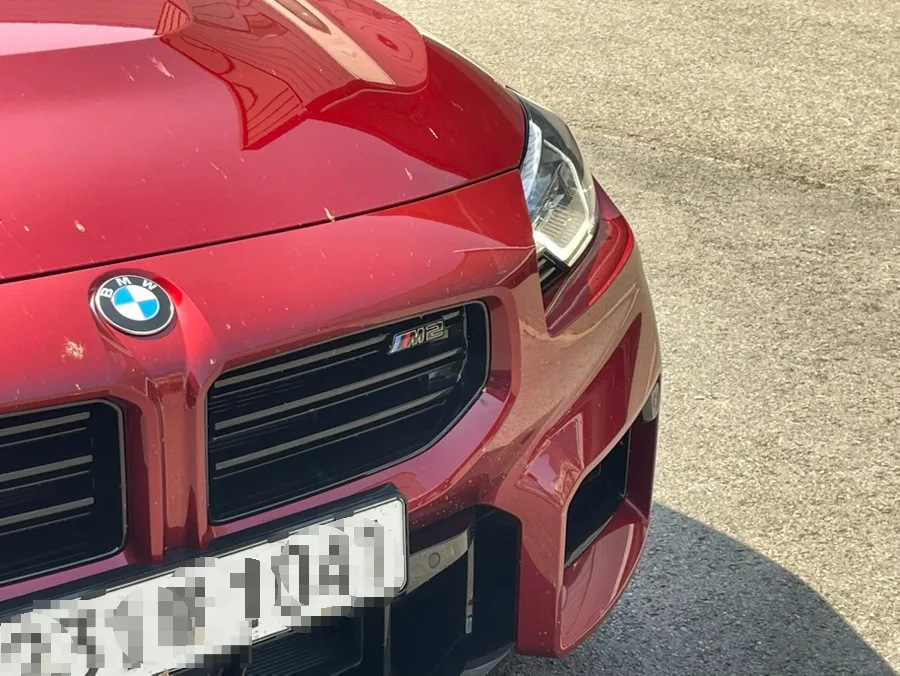
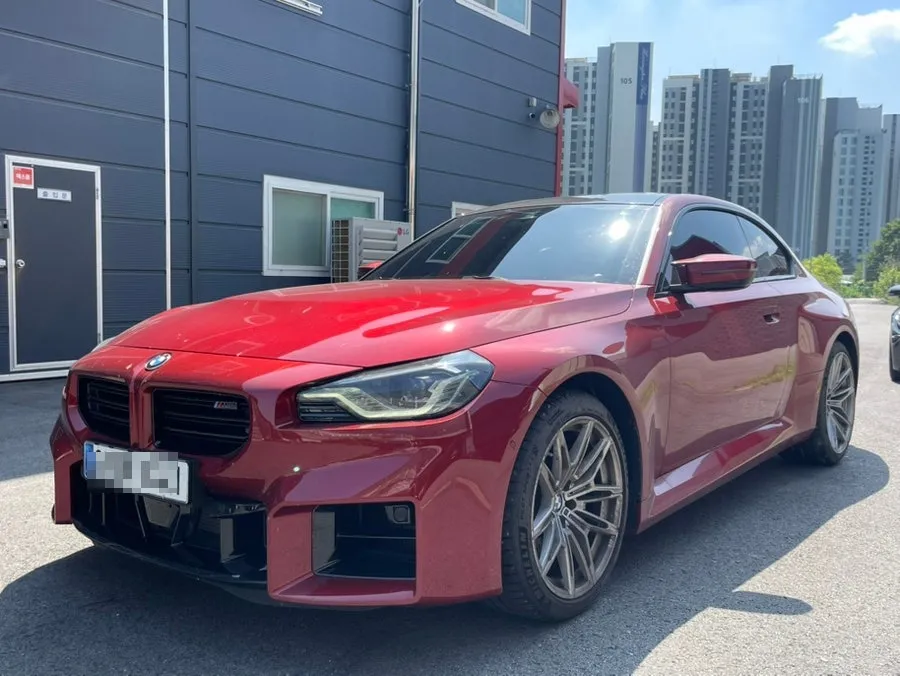
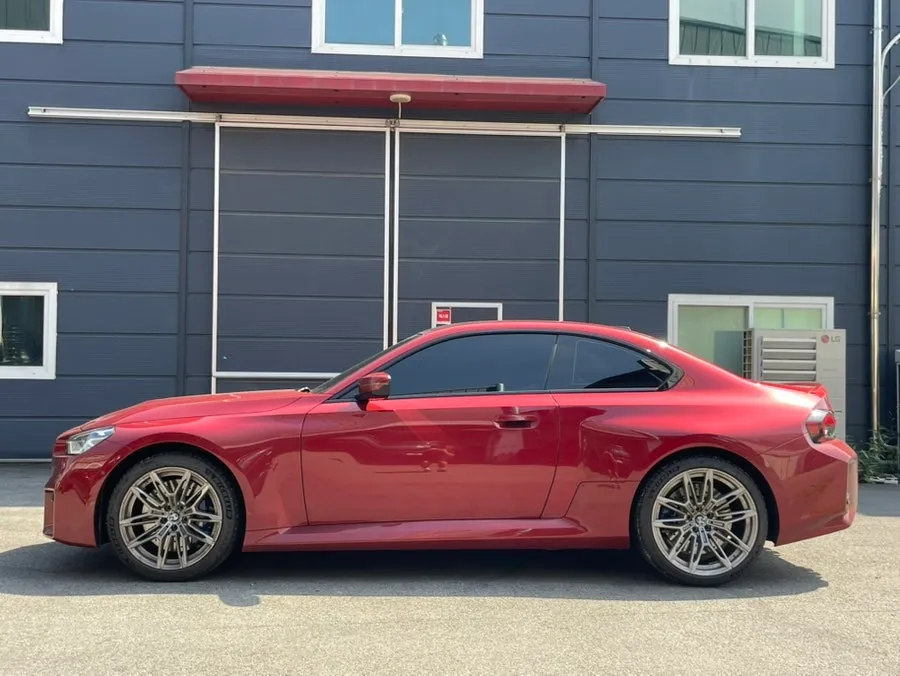
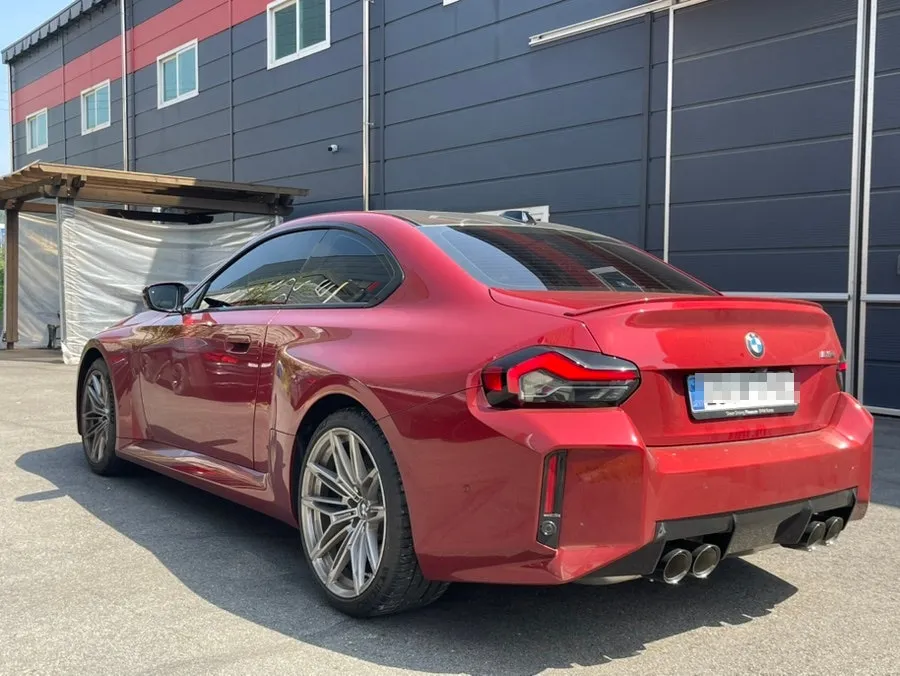
The owner of this stunning BMW M2 G87 found the factory silver 930M wheels didn't quite match the aggressive aesthetic of their new performance machine. Even before completing the initial break-in period, the thought of a wheel color change became a persistent desire. Adding to the concern was the constant battle against brake dust from the high-performance braking system, which quickly marred the silver finish and created cleaning stress. This case highlights how a professional wheel repair and refinishing service in Cheonan can do more than just change color; it can fundamentally alter the vehicle's entire presence.
At our Cheonan facility, we transformed the stock silver wheels into a sleek gloss black finish. To complement this, the factory Performance Blue calipers were refinished in a vibrant super red. For a high-performance sports car like the M2, the combination of wheel and caliper color is arguably the most critical factor in defining its overall visual impact.
Why Powder Coating is the Superior Choice for Wheel Refinishing
When it comes to rim repair and refinishing, several methods exist. While liquid paint, similar to standard automotive paint, can be used, powder coating offers significant advantages in both durability and finish quality. The key differentiator lies in the curing process.
Powder coating involves a multi-stage thermal curing process. After an initial black base coat application, the wheels are baked at a high temperature of 200°C (approximately 392°F) to cure the layer. This is followed by a second application of an acrylic clear coat, which is then subjected to the same 200°C heat treatment. This rigorous process significantly increases the surface hardness of the wheel to over 3H, making it substantially more resistant to scratches and chips compared to conventional liquid paint methods. Standard liquid paint often requires lengthy air drying times (over 48 hours) or curing in a low-temperature paint booth, resulting in a less durable finish. For components like wheels, which are constantly exposed to road debris, brake dust, road salt, and cleaning chemicals, powder coating is not just recommended—it's essential for longevity. The gloss black finish achieved through powder coating is also exceptionally smooth and maintains its luster for much longer.
The Detailed Process of BMW M2 Wheel Refinishing
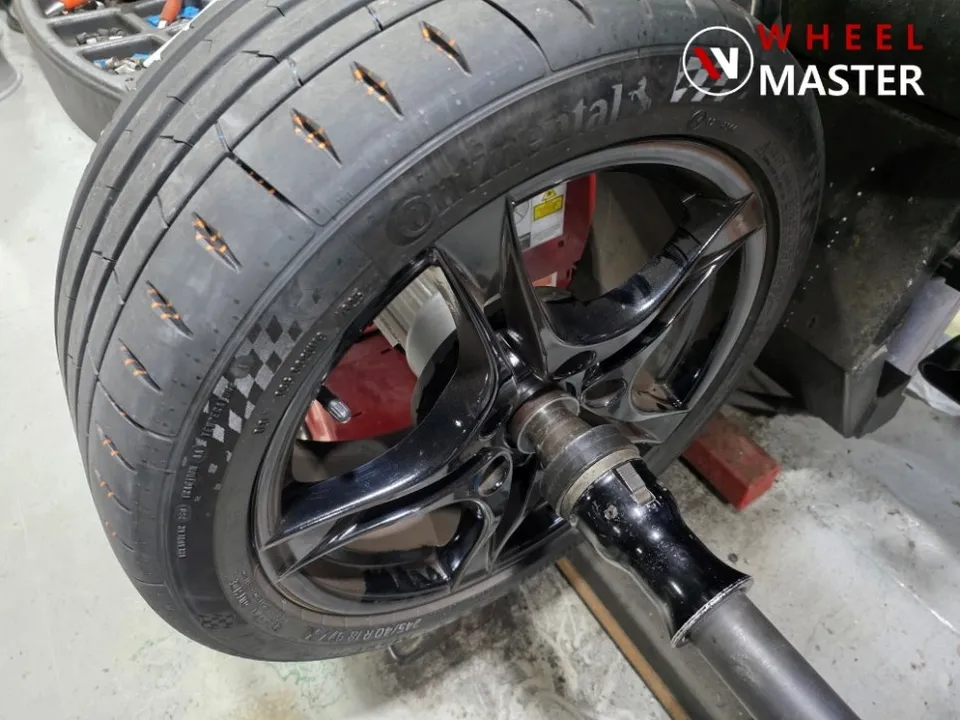
Our meticulous process begins with the careful removal of all four wheels from the vehicle. We precisely mark the location of the TPMS (Tire Pressure Monitoring System) sensors and the wheel's orientation to ensure perfect reassembly.
Wheel Refinishing Process:
- Balance Weight Removal: This is a critical foundational step. All old balance weights, adhesive tape, and stubborn residue are meticulously removed using specialized tools. Skipping this step would leave visible silver patches where the weights were, detracting from the new finish.
- Sandblasting: High-pressure abrasive media is used to strip the wheel down to its bare metal. This process removes all existing paint, oxidation, and creates a micro-textured surface, ensuring optimal adhesion for the new coatings.
- Cleaning and Degreasing: Following sandblasting, thorough cleaning and degreasing are performed to eliminate any residual dust or oils, guaranteeing a pristine surface for coating.
- Powder Coating Application: The first layer of black powder coat is applied, followed by the 200°C thermal curing process. This fuses the powder into a hard, durable layer.
- Clear Coat and Final Cure: An acrylic clear coat powder is applied for gloss and protection, then baked again at 200°C. This final cure provides the high-gloss finish and protects against UV damage and environmental factors.
Once the wheels were flawlessly refinished, we turned our attention to the brake calipers. Fortunately, the owner's M2 was still in its early break-in phase, meaning the calipers were in excellent condition with minimal damage. To ensure maximum paint adhesion, we cleaned them with specialized chemicals and then lightly sanded the entire surface.
The caliper refinishing process involves four distinct stages, starting with the application of a high-temperature primer to ensure a strong bond between the caliper and the subsequent paint layers.
OhCar Partner Shop