BMW MINI OEM Options Review: Auto Light Sensor Cost
Service Price
$75–115
Estimated price · Actual price may vary by shop
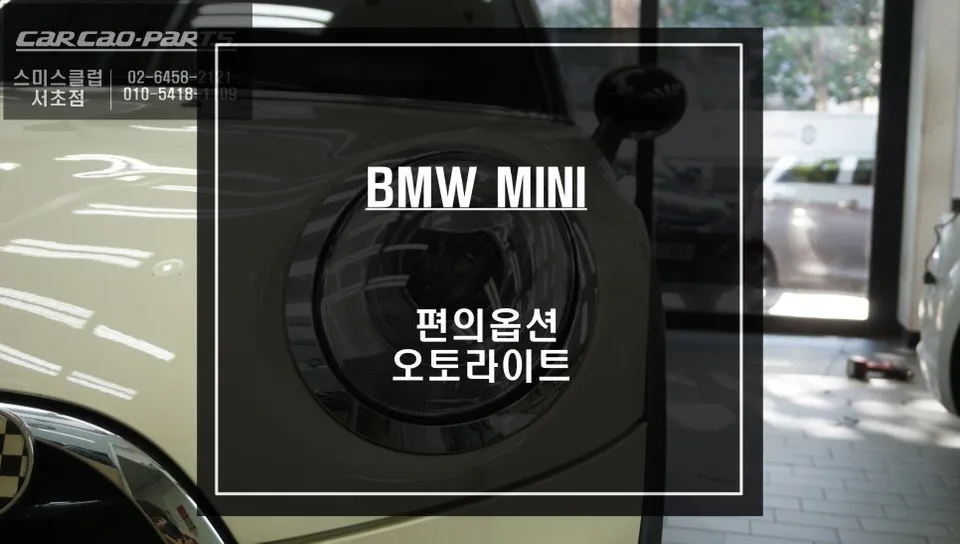
BMW MINI Auto Light Sensor retrofit: Approx. $375-$750. Enhances safety and convenience with automatic headlight control.
Why Your BMW MINI Needs Auto Lights
While many modern cars come standard with automatic headlights, some BMW MINI models lack this convenient feature. Auto lights, which use a light sensor to detect ambient brightness and automatically turn your headlights on or off, significantly enhance both driver convenience and safety. Retrofitting this system on your MINI can eliminate the hassle of manual light control and reduce the risk of accidents caused by forgetting to turn on your lights.
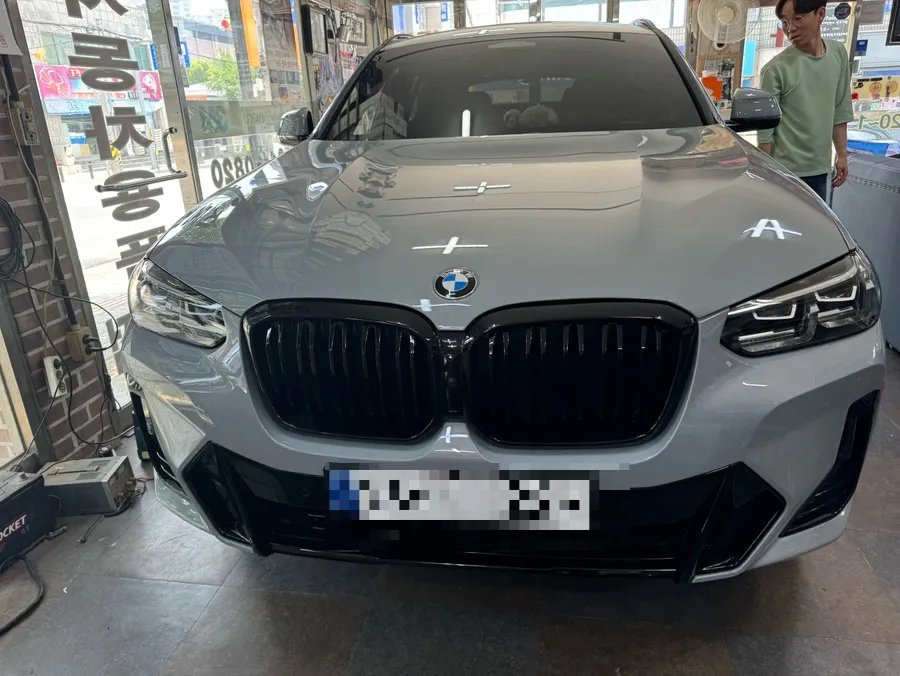
This review details a real-world installation of a genuine-style (OEM-like) light sensor system on a BMW MINI. We'll explore how this upgrade is performed at a verified workshop, focusing on the process, results, and overall value.
Choosing Your Auto Light Sensor Installation Method
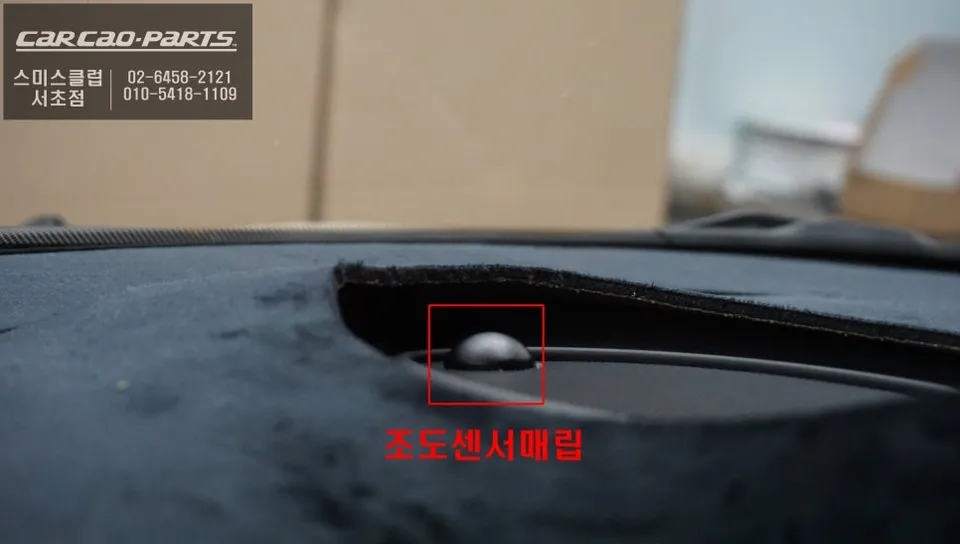
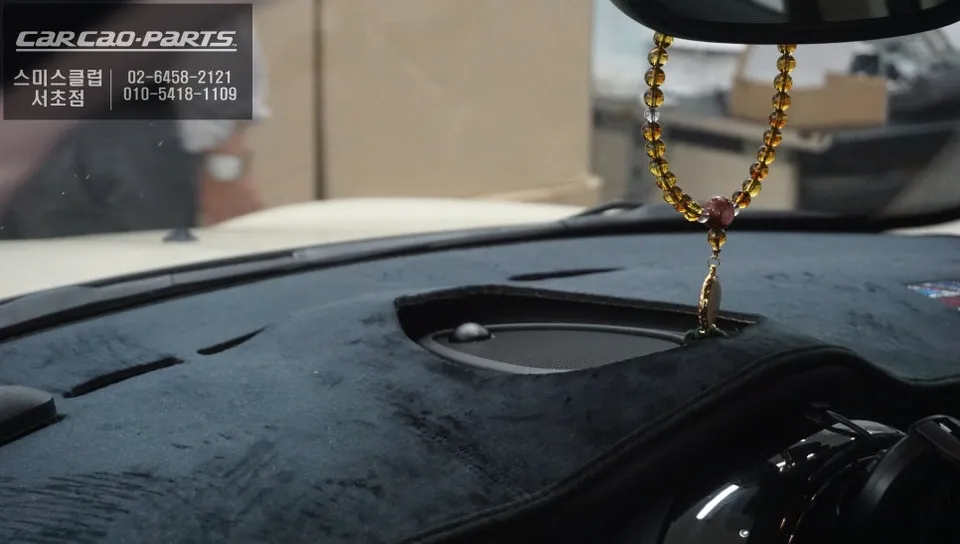
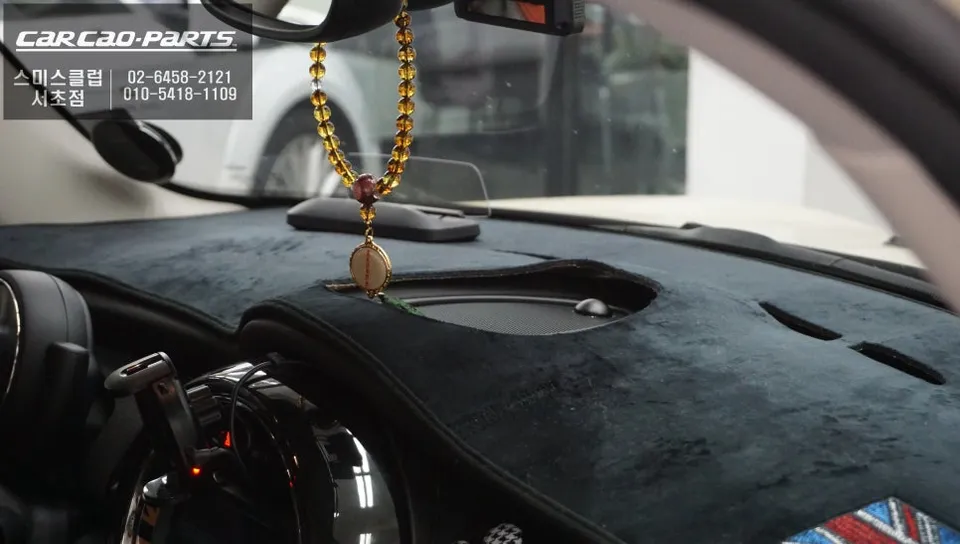
There are two primary methods for installing an auto light sensor on a MINI: an external mount on the dashboard or a concealed, flush-mount installation. The flush-mount approach offers a factory-perfect finish, integrating seamlessly with your car's interior. This method involves precisely drilling a small hole in the center speaker area to house the sensor, ensuring it remains hidden while effectively detecting light changes. While it requires meticulous work, the aesthetic payoff is substantial, making the MINI appear as if it came with the option from the factory.
The alternative is an external mount, where the sensor is attached to the dashboard surface. This method is quicker and generally less expensive. However, the visible sensor unit can detract from the clean interior design. For owners prioritizing a factory look and feel, the flush-mount, or 'embedded' method, is the superior choice, despite the higher technical demands.
The Installation Process: Precision and Integration
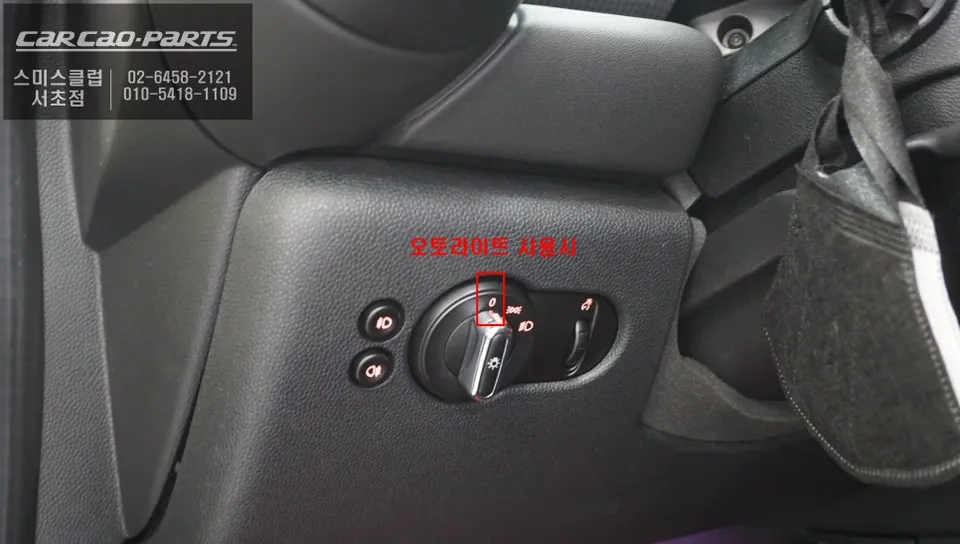
The installation begins with a thorough inspection of the center speaker area. Technicians carefully remove interior trim panels to access the necessary wiring routes and precisely mark the location for the sensor hole. Precision drilling is critical; a hole of approximately 1.5-2 cm in diameter is created using a low-speed drill to prevent damage to the surrounding materials. Once the hole is made, the light sensor unit is securely fitted. The wiring is then meticulously connected to the vehicle's light switch and power source, ensuring no disruption to the car's original electrical system. Finally, the sensor's sensitivity is tested by simulating different light conditions, confirming that the headlights activate and deactivate correctly. After all checks are complete, the trim panels are reinstalled, finalizing the upgrade.
OEM Options Cost and Value for Your BMW MINI
The cost for a flush-mount auto light sensor installation on a BMW MINI typically ranges from ₩500,000 to ₩1,000,000 (approximately $375 - $750 USD, depending on exchange rates). Factors influencing the final price include the quality of the sensor module (standard vs. premium), the complexity of the wiring harness, and the specific access required within the vehicle's dashboard. The embedded installation, requiring precise drilling and careful integration, generally commands a higher labor cost than simpler surface-mount options. For a precise quote, it's best to contact installation centers directly, as pricing can vary based on their expertise and the specific components used.
Frequently Asked Questions
Q. How much does OEM option and factory upgrade installation cost for a BMW MINI?
A flush-mount auto light sensor retrofit for a BMW MINI typically costs between ₩500,000 to ₩1,000,000 (approx. $375-$750 USD). The estimated US price for similar dealer options can range from $75–$115, though this often refers to simpler accessories rather than integrated systems.
Q. How long does OEM options installation take on a BMW MINI?
The durability of an OEM-like auto light sensor system is expected to match factory-installed components, lasting for many years with proper installation. Basic maintenance involves occasional cleaning of the sensor lens if it becomes obstructed, though this is rarely needed for embedded units.
Q. Are OEM options worth adding after purchase for a BMW MINI?
Adding an auto light sensor is highly recommended for BMW MINI owners who frequently drive in varying light conditions or live in areas with unpredictable weather. The enhanced safety and convenience significantly outweigh the installation cost for many drivers.
Q. How are OEM factory options installed on a BMW MINI?
Installation typically involves precision drilling a small hole (1.5-2cm) in the center speaker area, securely fitting the sensor, and connecting its wiring to the vehicle's light switch and power system. Finally, sensitivity is tested, and interior trim is reassembled for a factory-like finish.
Q. What is the difference between dealer-installed options and aftermarket upgrades for a BMW MINI?
Dealer-installed options, like this OEM-style auto light sensor, are designed to integrate seamlessly with the vehicle's existing systems for a factory look and feel. Aftermarket upgrades, while functional, may not offer the same level of aesthetic integration or long-term reliability.
Kakao Parts