Hyundai Elantra MD Factory Option Retrofit Review


Hyundai Elantra MD front parking sensors: ₩300,000-₩500,000. Improves parking safety with early obstacle detection.
Why Add Front Parking Sensors to Your Hyundai Elantra MD?
While rear parking sensors are now standard on most vehicles, front sensors are often still an optional extra. For drivers, especially those new to the road, front parking assistance can be a game-changer. In tight spots or complex parking lots, having an early warning system for front obstacles significantly reduces the risk of minor collisions. Although once a premium feature, aftermarket solutions now make this upgrade accessible. Unlike some factory-installed systems that only alert you when you're very close, aftermarket options often provide earlier warnings, making them more practical for everyday driving.
This review focuses on a specific installation for the Hyundai Elantra MD, detailing the benefits and process of adding front parking sensors. We'll explore the real-world performance, cost, and overall value of this popular factory option retrofit.
Benefits of Aftermarket Front Parking Sensors
For this Hyundai Elantra MD, an aftermarket front sensor kit was chosen over a factory option. A key advantage noted was the alert system. Similar to rear sensors, these front sensors provide audible and visual cues starting from about a meter away. This graduated warning system allows drivers to intuitively gauge their distance to obstacles, a significant improvement over systems that only beep when you're inches away. This is particularly beneficial for novice drivers, offering a safer and more comfortable parking experience.
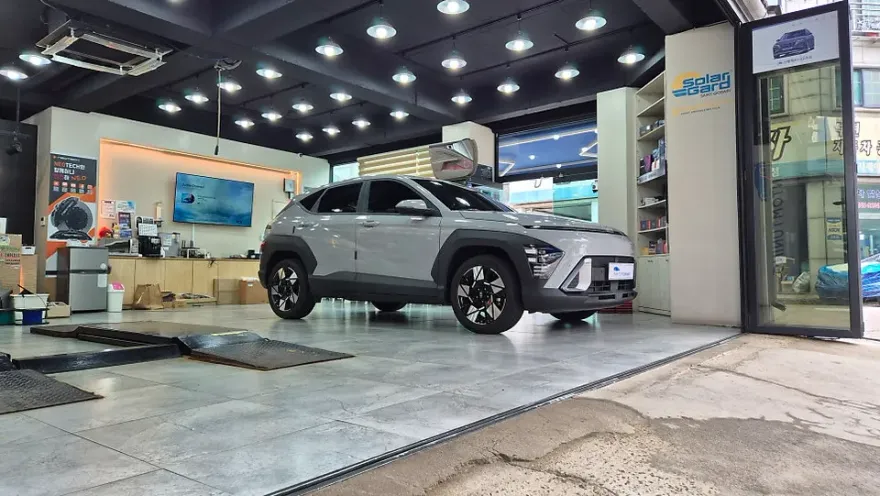
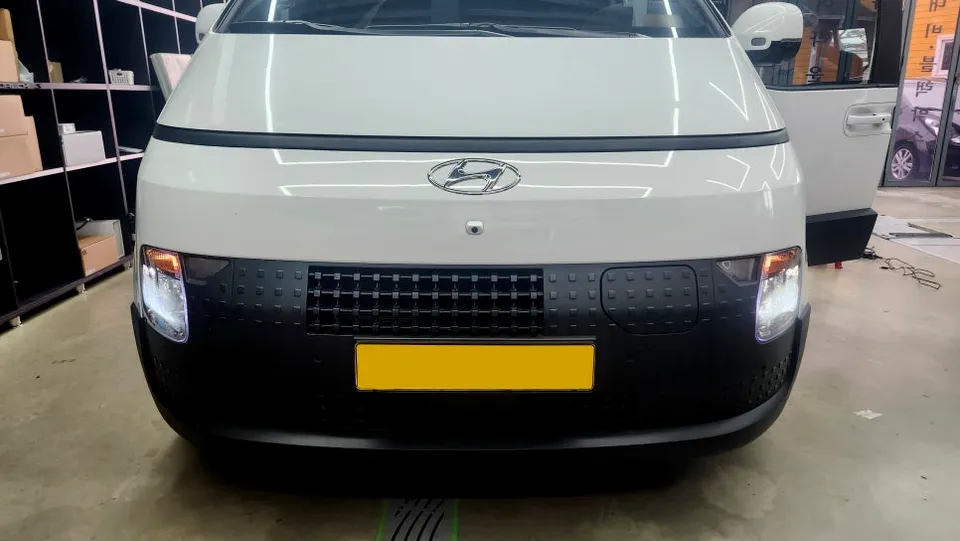
The sensors themselves are available in basic colors like black and white. For the white Elantra MD in this case, white sensors were installed for a seamless, integrated look. The typical cost for this type of installation ranges from 300,000 to 500,000 Korean Won (approximately $220-$370 USD, subject to exchange rates), though the exact price can vary based on the specific vehicle model and the chosen sensor brand. Consulting with an installer after a vehicle inspection is the best way to get an accurate quote.
Installation Process and Real-World Performance
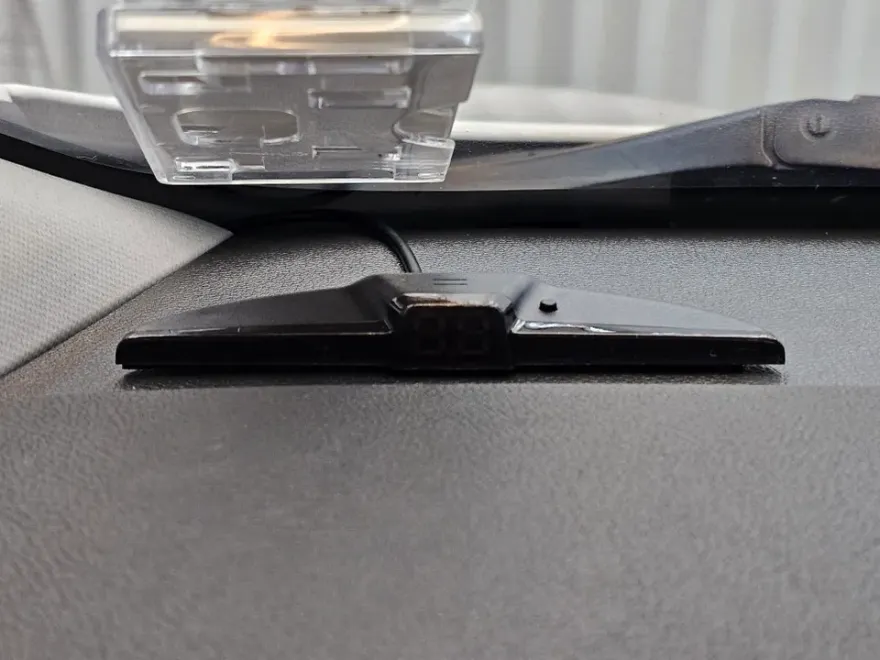
A small monitor, which also functions as a buzzer, is installed inside the vehicle's cabin. This unit activates when the car is in motion or when the brakes are applied, initiating the front sensor detection. The system automatically detects obstacles from approximately 80 centimeters (about 2.6 feet) away. The detected distance is displayed numerically on the monitor, accompanied by indicator lights. The frequency and intensity of the audible alert increase as the vehicle gets closer to an obstacle.
Installation process:
- Sensor placement and drilling on the front bumper.
- Wiring the sensors to the control module and the interior display unit.
- Connecting the display unit to the vehicle's power source, often linked to ignition or brake signals.
- Testing the system for accurate detection and alert functionality.
The visual display provides a clear, real-time indication of proximity, making parking maneuvers much less stressful. The audible alerts offer a crucial layer of safety, ensuring drivers are aware of their surroundings even in challenging visibility conditions.
Frequently Asked Questions
Q. How much does OEM option and factory upgrade installation cost for a Hyundai Elantra MD?
This aftermarket front sensor installation for the Hyundai Elantra MD cost between ₩300,000-₩500,000 (approx. $220-$370 USD). Similar factory option retrofits in the US can range from $300 to $800 depending on the vehicle and system.
Q. How long does OEM options installation take on a Hyundai Elantra MD?
The durability of these sensors is generally excellent, often lasting for many years with proper installation. Basic maintenance involves keeping the sensor surfaces clean from dirt and debris.
Q. Are OEM options worth adding after purchase for a Hyundai Elantra MD?
Yes, adding front parking sensors is highly beneficial for novice drivers or anyone frequently navigating tight parking spaces. The enhanced safety and convenience offered by early obstacle detection provide significant value.
Q. How are OEM factory options installed on a Hyundai Elantra MD?
Installation involves carefully drilling small holes in the front bumper for the sensors. These sensors are then wired to a control module and a dashboard display unit that provides audible and visual alerts.
Q. What is the difference between dealer-installed options and aftermarket upgrades for a Hyundai Elantra MD?
Dealer-installed options are typically OEM parts fitted by the dealership, while aftermarket upgrades use third-party components. Aftermarket systems, like the one reviewed, can sometimes offer earlier detection ranges and more detailed visual feedback than basic factory options.
OhCar Partner Shop