BMW MINI OEM Options Retrofit Review — Cost & Results
Service Price
$115–150
Estimated price · Actual price may vary by shop

BMW MINI front sensors: Approx. $600-$1150. Provides visual parking assistance integrated with the factory display.
Is Installing Genuine BMW MINI Front Sensors Worth It?
Parking can be stressful, especially when you can't clearly see obstacles in front of your BMW MINI. While rear sensors are common, the front can be just as challenging to navigate, particularly around guardrails, pillars, or other vehicles. This guide dives into the specifics of installing front parking sensors on a BMW MINI, comparing genuine OEM options with aftermarket alternatives. We'll cover the key differences, the installation process, and help you decide if a factory option retrofit is the right choice for your vehicle.
Genuine OEM vs. Aftermarket Front Sensors for MINI
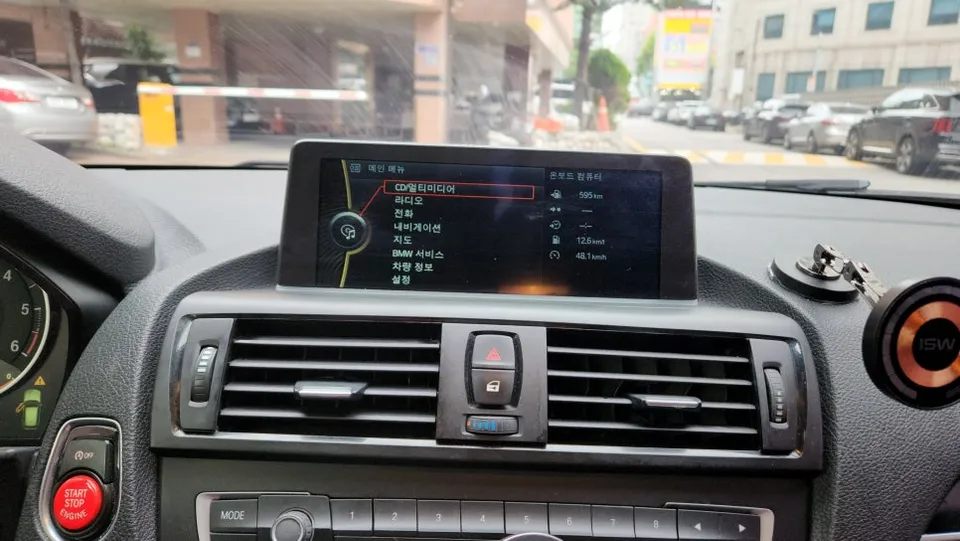
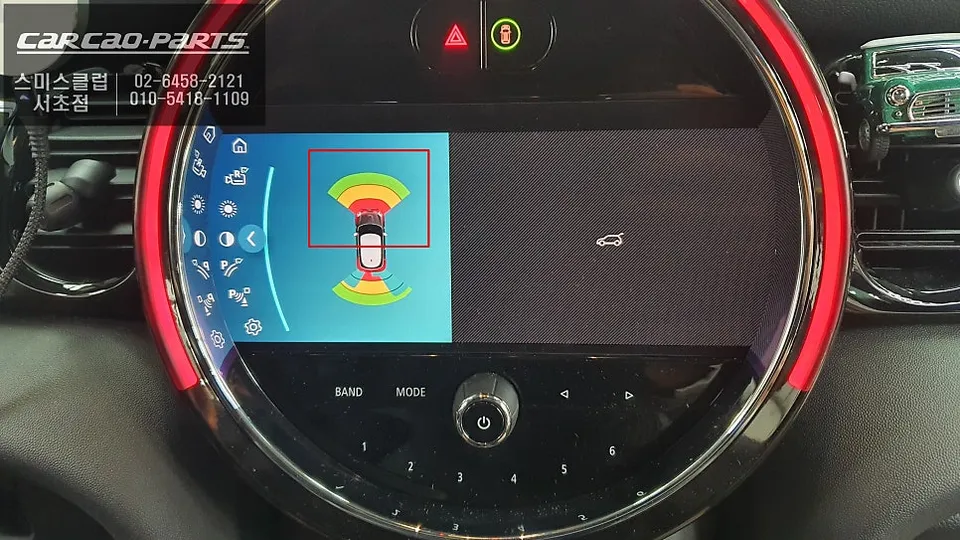
The primary advantage of genuine OEM options for BMW MINI front sensors is seamless integration with your car's existing display. When obstacles are detected, the sensors communicate with the factory Visual Boost monitor on your dashboard. The display shows the distance to the obstacle using a color gradient – green for far, yellow for caution, and red for close. This visual feedback allows for precise parking, a feature often missing in aftermarket solutions. Many aftermarket four-sensor kits primarily rely on audible beeps, and any visual display usually requires a separate, aftermarket unit, making the integrated experience of OEM options far superior for those seeking a factory look and feel.
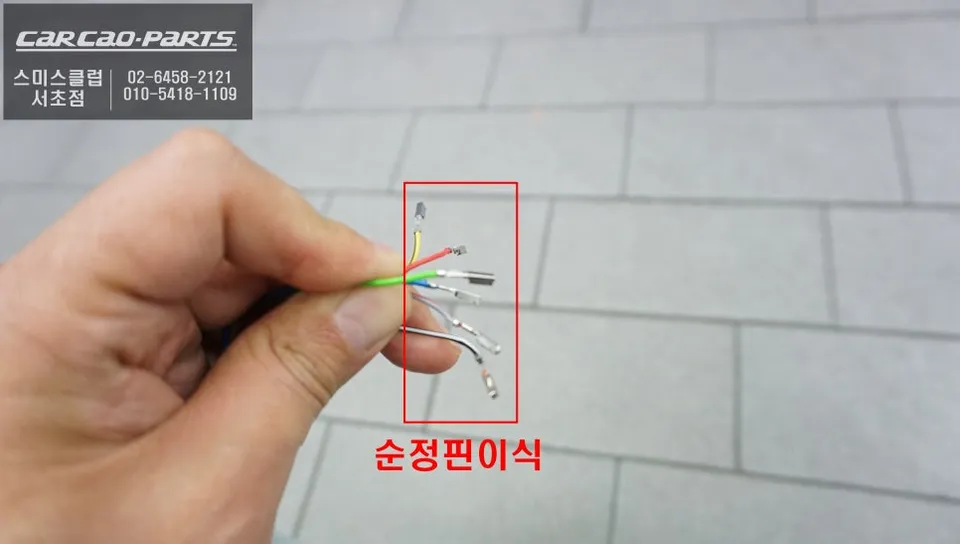
Another significant benefit of genuine factory upgrade kits lies in the installation method. Instead of splicing into the vehicle's existing wiring harness, which can be complex in modern BMWs and potentially lead to electrical issues, the OEM installation uses a plug-and-play approach. Genuine pins are inserted into the original connectors, preserving the integrity of the car's electrical system. Aftermarket sensors, conversely, often require custom wiring connections, increasing the long-term risk of wire damage, short circuits, or poor contact.
BMW MINI Front Sensor Installation Process
The installation of front parking sensors on a BMW MINI involves several key steps:
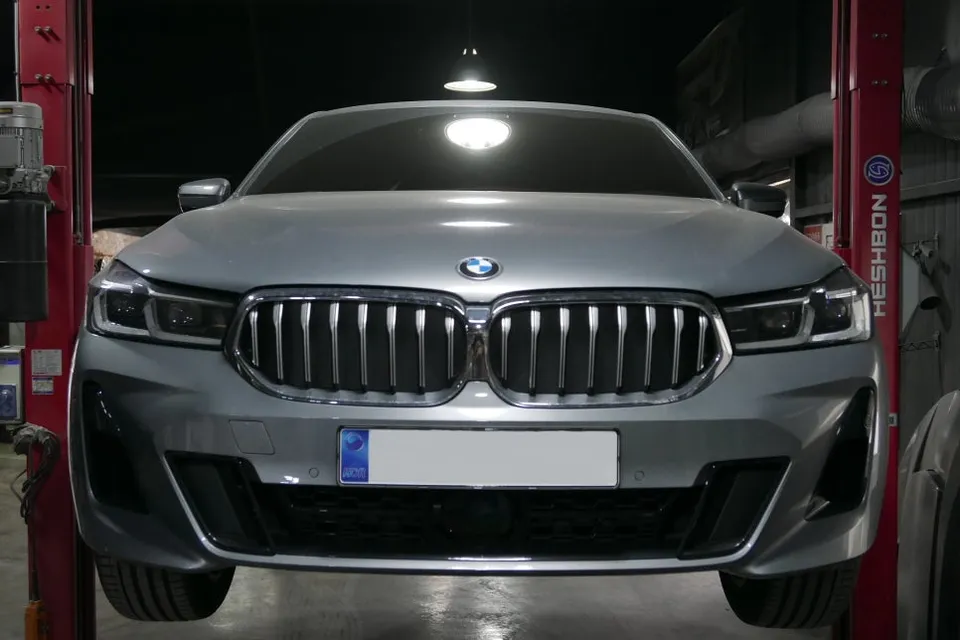
- Front Bumper Removal: The entire front bumper assembly is carefully detached from the vehicle.
- Sensor Hole Drilling: Precise holes are drilled into the front bumper at designated locations to accommodate the sensors.
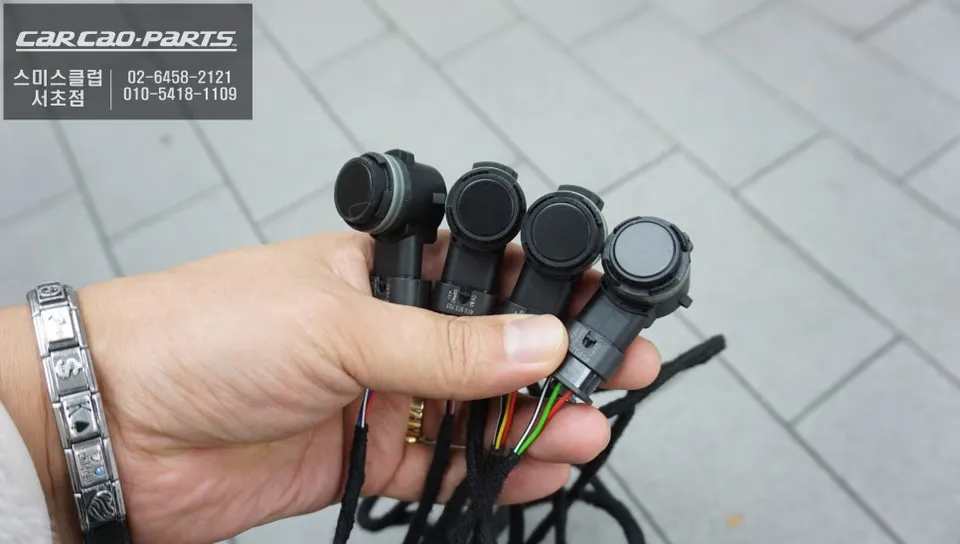
- Sensor Mounting: The sensors are then fitted into the newly created holes, ensuring a flush and secure fit.
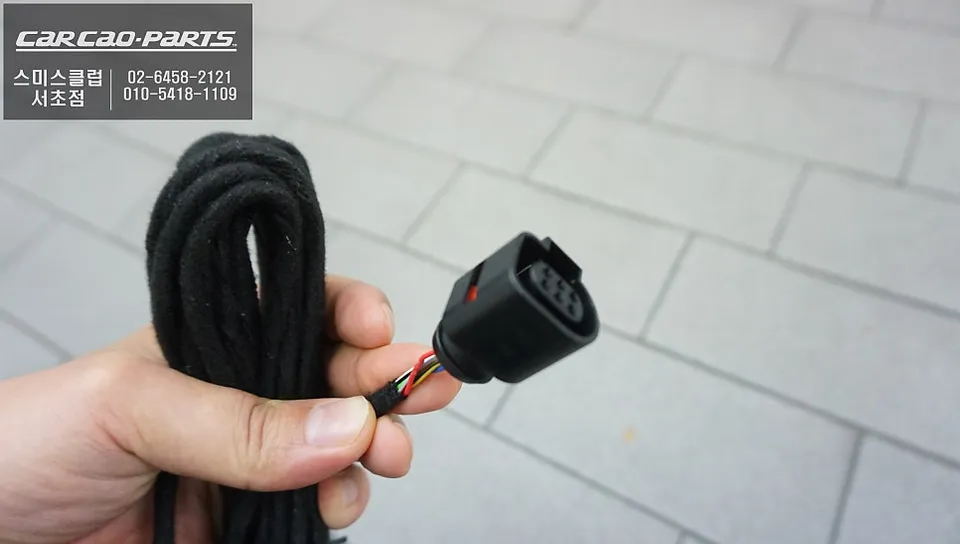
- Wiring and Integration: The sensors are connected to the vehicle's wiring harness, integrating with the car's computer and display system.
- Bumper Reinstallation: Finally, the front bumper is reattached, leaving the sensors hidden for a clean, factory appearance.
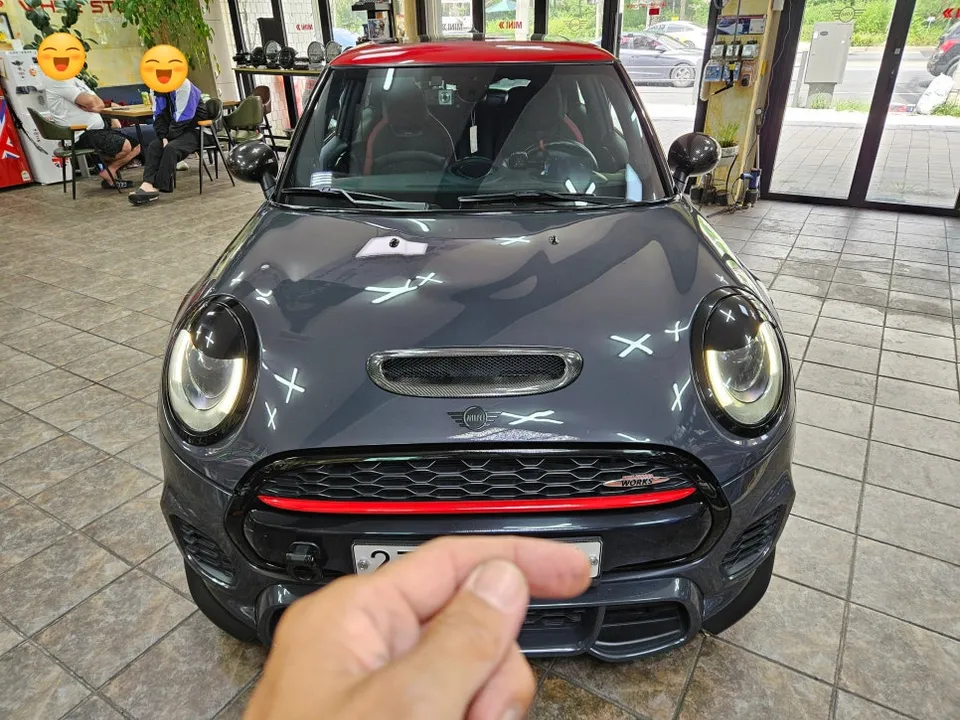
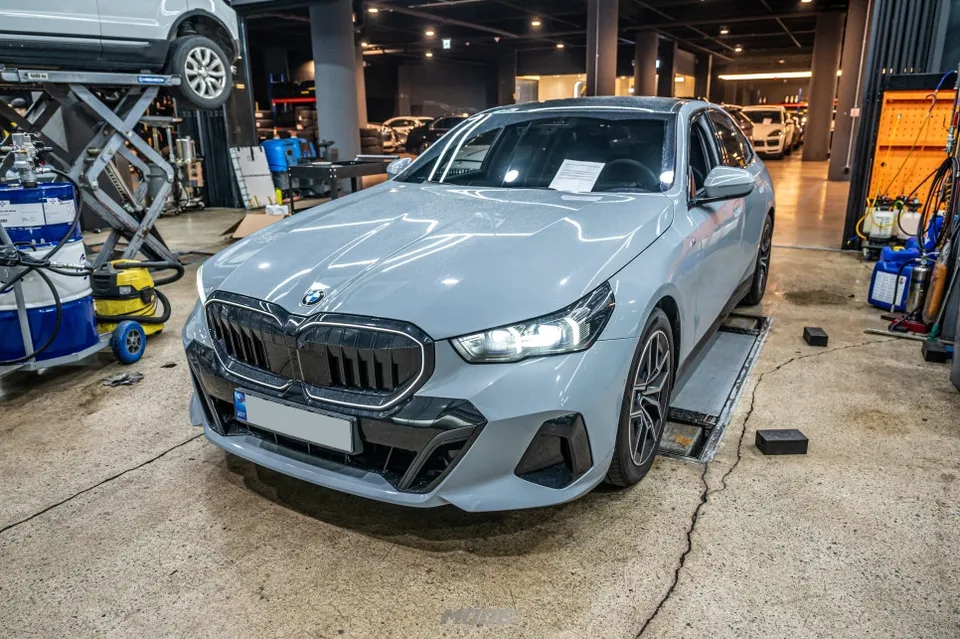
Proper sensor placement is crucial. They must be mounted at consistent intervals along the lower part of the bumper to ensure comprehensive coverage of the front area. Incorrect positioning, such as placing them too high or too far to one side, can lead to missed detections of low-lying or off-center obstacles.
How OEM Front Sensors Work: Visual Feedback
Once installed, the genuine OEM options provide intuitive feedback directly on the PDC (Parking Distance Control) screen. As the vehicle approaches an obstacle, the display transitions through three color stages: green, yellow, and red. This color-coded system mirrors the familiar interface of the rear parking sensors, meaning drivers can easily understand the proximity warnings without needing to learn a new system. This consistency is a major advantage of choosing genuine factory parts.
OEM Options Cost and Value for BMW MINI
The cost for a genuine BMW MINI front sensor installation typically ranges from ₩800,000 to ₩1,500,000 (approximately $600-$1150 USD, though actual US pricing may vary). This is considerably higher than aftermarket four-sensor kits, which can cost between ₩200,000 and ₩500,000 (approx. $150-$380 USD). The higher price for OEM options reflects the cost of genuine parts, the complexity of integrating the system with the car's monitor, and the precision required for installation. Several factors influence the final price: the vehicle's model year and specific monitor specifications (standard vs. premium), labor rates which vary by region and installer, and whether the sensors are part of a larger package deal, such as combined with a rear camera upgrade.
For owners who prioritize a seamless, factory-integrated experience and the reliability of genuine parts, the investment in OEM options is often considered worthwhile. The visual display and plug-and-play installation offer a level of convenience and peace of mind that many aftermarket solutions cannot match. If budget is the primary concern and audible alerts suffice, aftermarket sensors are a viable, more affordable alternative.

Frequently Asked Questions
Q. How much does OEM option and factory upgrade installation cost for a BMW MINI?
Genuine BMW MINI front sensor installation typically costs between ₩800,000 to ₩1,500,000 (approx. $600-$1150 USD). Actual US pricing for similar factory option retrofits can range from $115-$150 for basic sensors, but full integration with display can be significantly higher.
Q. How long does OEM options installation take on a BMW MINI?
The installation process for OEM front sensors on a BMW MINI usually takes several hours, depending on the complexity of the integration with the car's existing systems. Proper maintenance involves ensuring the sensors remain clean and unobstructed for optimal performance.
Q. Are OEM options worth adding after purchase for a BMW MINI?
OEM options like front sensors are highly recommended for BMW MINI owners who value seamless integration and visual parking assistance. The factory upgrade offers superior display integration and reliability compared to most aftermarket solutions.
Q. How are OEM factory options installed on a BMW MINI?
OEM factory options are installed by first removing the front bumper, then drilling precise holes for the sensors. The sensors are mounted, wired using original connectors and pins without altering the factory harness, and finally, the bumper is reinstalled for a clean finish.
Q. What is the difference between dealer-installed options and aftermarket upgrades for a BMW MINI?
Dealer-installed OEM options utilize genuine factory parts and integrate seamlessly with your BMW MINI's existing systems, often including visual displays. Aftermarket upgrades are typically less expensive but may only offer audible alerts and require separate installations that don't integrate with the factory screen.
Kakao Parts