BMW X3 OEM Options Installation Review
Service Price
$under $40
Estimated price · Actual price may vary by shop
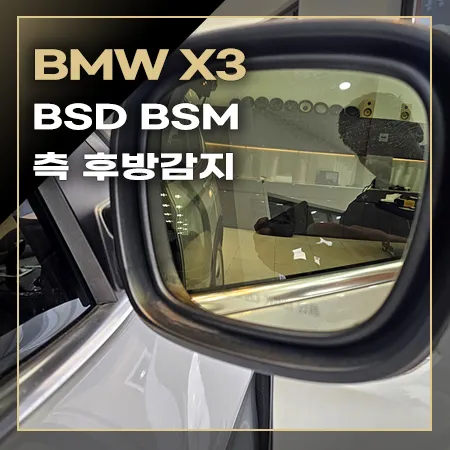
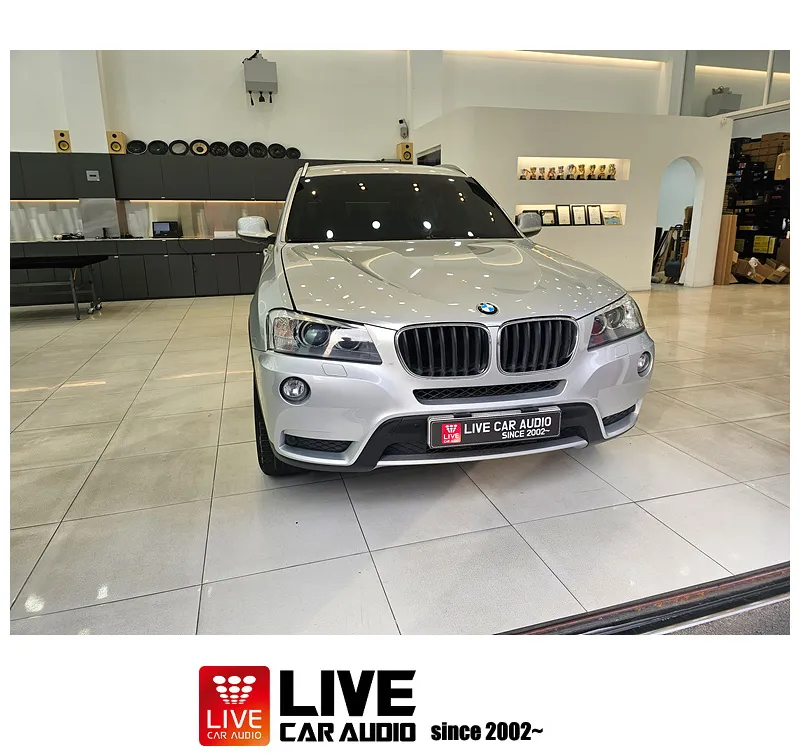
BMW X3 F25 BSD radar sensor retrofit: Starts around ₩300,000. Enhances safety with blind spot alerts via LED mirrors.
Enhancing Your BMW X3 with Factory Option Retrofits
Driving a BMW X3 offers a premium experience, but like any vehicle, there are opportunities to enhance its safety and functionality through factory option retrofits. One common concern for drivers is the risk of accidents stemming from blind spots, particularly during lane changes. This review focuses on the installation of a radar-based Blind Spot Detection (BSD) system, often referred to as a factory upgrade, for the BMW X3 F25 model. This system aims to mitigate the dangers lurking in those unseen areas, providing drivers with crucial alerts.
Why a Blind Spot Detection System is Crucial
Blind spots are a universal challenge in driving, posing a significant risk, especially at higher speeds or in low-visibility conditions like nighttime or inclement weather. A well-implemented blind spot detection system acts as an extra set of eyes, monitoring the areas to the rear and sides of your vehicle. When another car enters these zones, the system typically alerts the driver via an LED indicator, often integrated into the side mirrors. While once a feature exclusive to luxury vehicles, these systems are becoming more accessible and are highly recommended for improving overall driving safety. For older models or those without this feature from the factory, a dealer option retrofit can bring this advanced safety technology to your BMW X3.
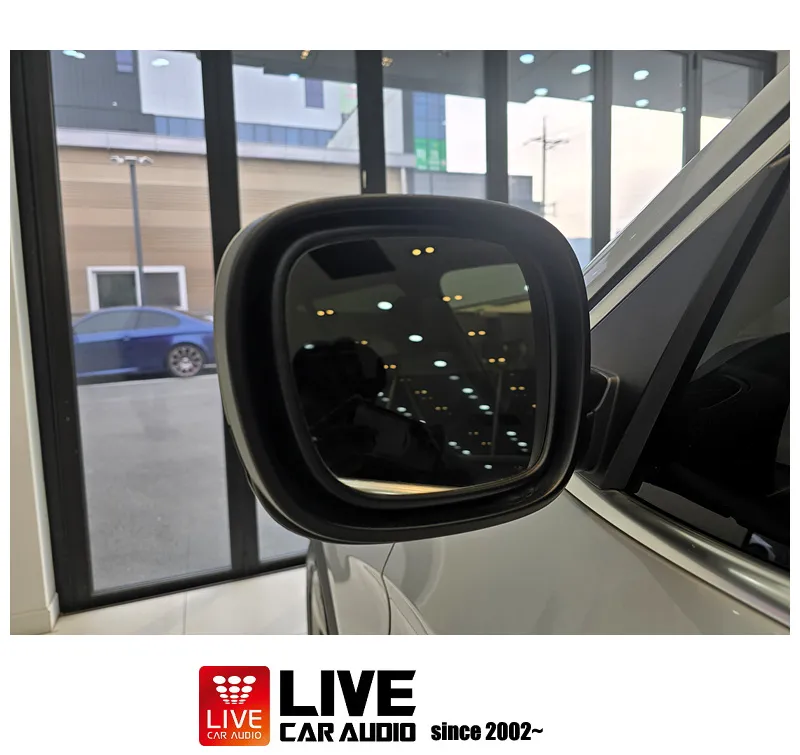
Installation Process: Radar-Based BSD for BMW X3 F25
The installation of a radar-based BSD system on a BMW X3 F25 is designed to be discreet and effective. Unlike some aftermarket solutions that might be visually intrusive, this type of retrofit integrates seamlessly. The core components are radar sensors, which are carefully mounted within the rear bumper. This placement protects them from external elements, ensuring they are safe from car washes and minor impacts, and maintaining the vehicle's aesthetic. The original side mirrors are typically retained, but they are often replaced with wide-angle mirrors that incorporate LED warning lights. These lights illuminate when a vehicle is detected in the blind spot.
Installation process:
- Sensor Mounting: Precision installation of radar sensors within the rear bumper, ensuring optimal detection angles without external visibility.
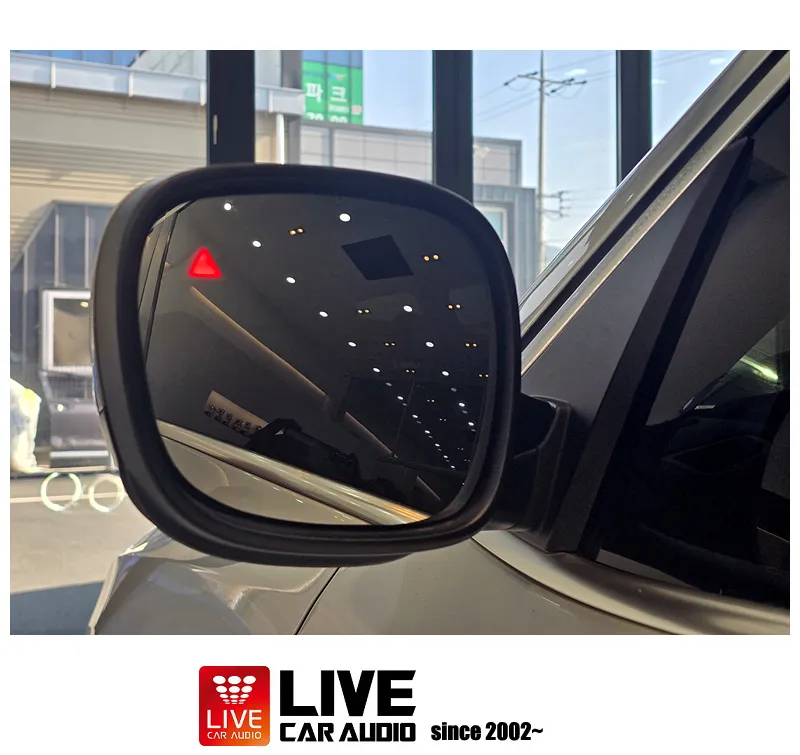
- Mirror Replacement: Swapping the factory side mirrors for wide-angle versions equipped with integrated LED warning indicators.
- Wiring and Calibration: Connecting the sensors and LED indicators to the vehicle's electrical system and calibrating the system for accurate performance.
- System Testing: Thorough testing to confirm the LED indicators activate correctly when vehicles approach from the blind spots.
A key advantage of the radar-based system is its lack of external components, preserving the car's design integrity. This contrasts with some ultrasonic sensor systems that can be visible on the exterior. The wide-angle mirrors not only provide a broader view but also serve as the visual alert system, offering real-time feedback on the surrounding traffic.
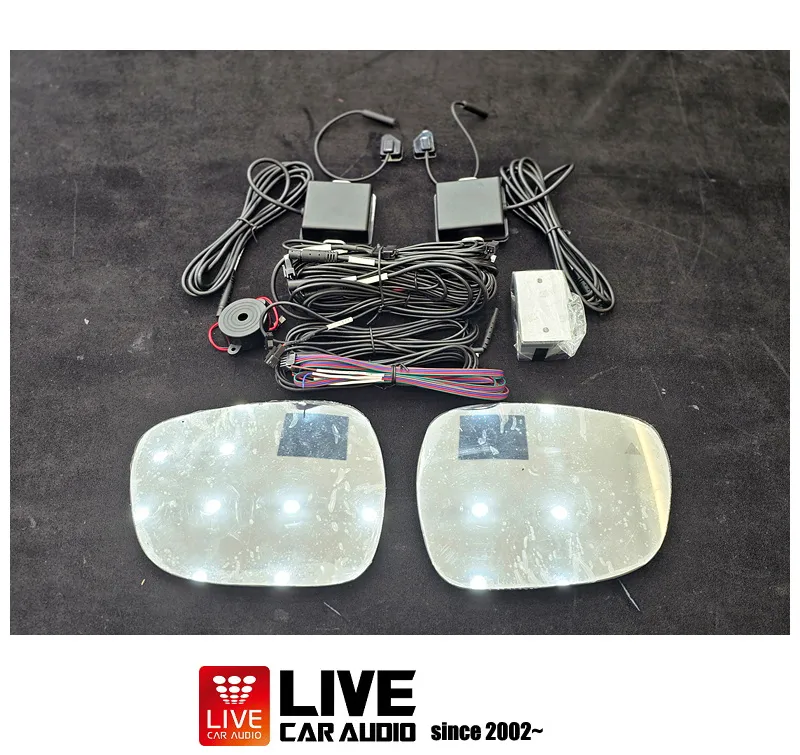
Before and After: Enhanced Visibility and Safety
After the installation, the most immediate change drivers notice is the expanded field of vision provided by the wide-angle side mirrors. More importantly, the integrated LED warnings offer a proactive safety measure. When a car enters the blind spot, the corresponding mirror's LED will light up, signaling the driver to hold off on changing lanes. This feature is invaluable during highway driving, city commuting, and especially in challenging conditions like heavy rain, fog, or darkness, where visibility is compromised. For BMW X3 owners, this retrofit significantly boosts confidence and reduces the anxiety associated with potential blind spot incidents, making every drive safer.
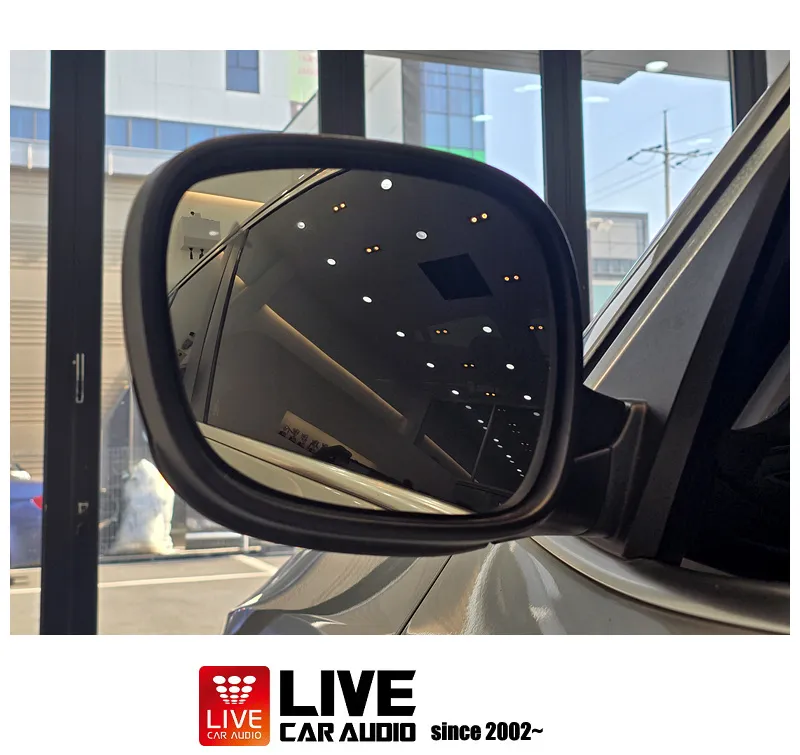
Cost, Durability, and Value
The cost for a radar-based Blind Spot Detection system retrofit for a BMW X3 typically starts in the range of 300,000 Korean Won (approximately $220-$250 USD, depending on exchange rates). The final price can vary based on the specific radar sensor grade and the complexity of the installation. The entire process usually takes about 3 to 4 hours and can often be completed within a single day. These systems are built for longevity, with many offering a performance lifespan of over five years. High-quality components may even come with extended warranty periods. Considering the potential cost of accidents and the peace of mind offered, investing in such a safety feature is often deemed worthwhile for enhancing the driving experience and protecting your BMW X3.
Frequently Asked Questions
Q. How much does OEM option and factory upgrade installation cost for a BMW X3?
The radar-based Blind Spot Detection system for a BMW X3 F25 starts around 300,000 Korean Won (approx. $220-$250 USD). US pricing for similar dealer-installed options can range from $300 to $800 depending on the vehicle and system complexity.
Q. How long does OEM options installation take on a BMW X3?
Installation of the blind spot detection system typically takes 3-4 hours and can usually be completed the same day. These systems are designed for durability, often lasting over 5 years with proper installation and no specific maintenance required beyond regular vehicle care.
Q. Are OEM options worth adding after purchase for a BMW X3?
Yes, adding a Blind Spot Detection system is highly recommended for drivers who frequently encounter highway driving or complex urban environments. It significantly enhances safety by mitigating blind spot risks, offering valuable peace of mind for a reasonable investment.
Q. How are OEM factory options installed on a BMW X3?
Installation involves mounting radar sensors discreetly within the rear bumper. Then, the factory side mirrors are replaced with wide-angle versions containing integrated LED warning lights. Finally, the system is wired and calibrated for accurate performance, with testing to ensure proper function.
Q. What is the difference between dealer-installed options and aftermarket upgrades for a BMW X3?
Dealer-installed options, like this radar BSD system, are designed to integrate seamlessly with the vehicle's existing electronics and aesthetics, often using OEM-quality parts. Aftermarket upgrades can vary widely in quality and integration, sometimes requiring more intrusive installation methods.
OhCar Partner Shop