BMW X6 Blind Spot Sensors Installation Review
Service Price
$150+
Estimated price · Actual price may vary by shop
BMW X6 Blind Spot Sensors installation for enhanced lane change safety. Improves visibility and provides driver alerts.
Why BMW X6 Blind Spot Sensors are Essential
While a premium driving experience is paramount, safety takes precedence. Large SUVs like the BMW X6 often have significant blind spots due to their size. This can lead to dangerous situations, particularly when changing lanes, where unseen vehicles approaching from the rear can cause collisions. Blind Spot Detection (BSD) systems utilize cameras and radar to identify these blind spots, alerting the driver with visual and auditory cues. This review details the process of retrofitting a blind spot sensor system onto a BMW X6 at a certified "Today's Car" location, enhancing lane change safety.
Pre-Installation Vehicle Assessment and Preparation
The installation of blind spot sensors on a BMW X6 involves adding a rear-facing sensor system to vehicles that did not originally come equipped with this feature. Before commencing work, a thorough inspection of the vehicle's bumper structure, potential wiring routes, and mirror specifications is conducted. It's crucial to verify that the side mirrors are functioning correctly and that there is adequate space within the bumper for sensor placement. In this case, the X6 lacked any blind spot monitoring capabilities, prompting the decision to install both wide-angle mirrors and sensors for a comprehensive rear detection system. The process includes precise measurement and marking of the optimal sensor locations to ensure accurate detection while minimizing any impact on the original bumper's integrity.
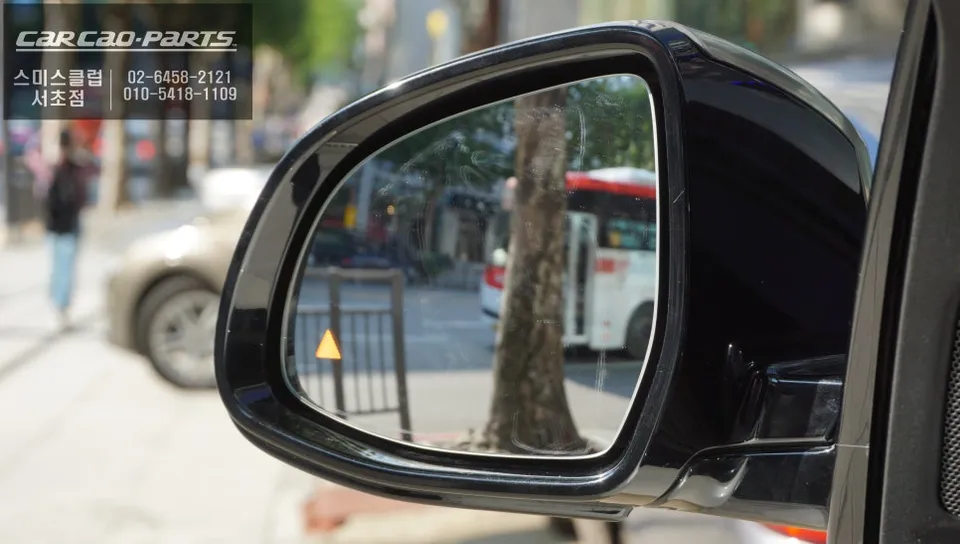
Wide-Angle Mirror and Sensor Integration
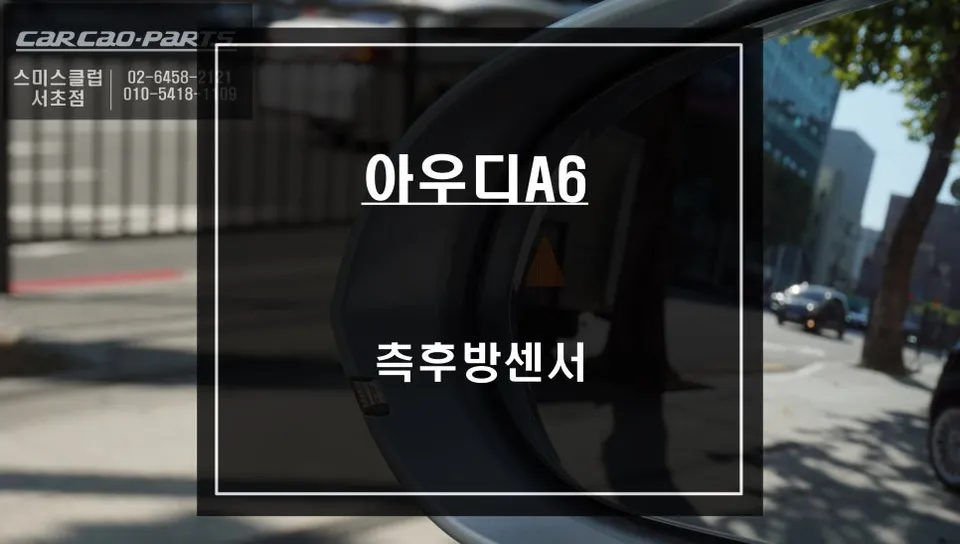
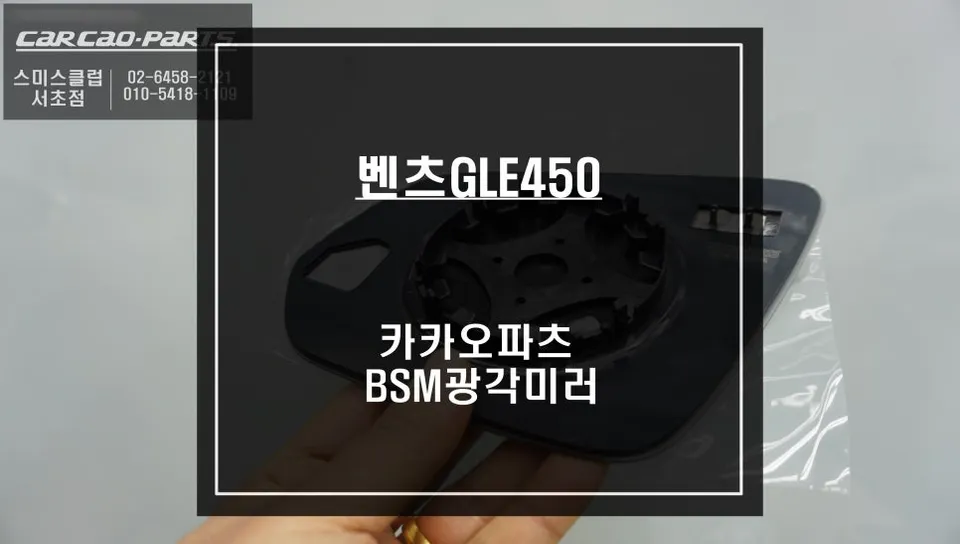
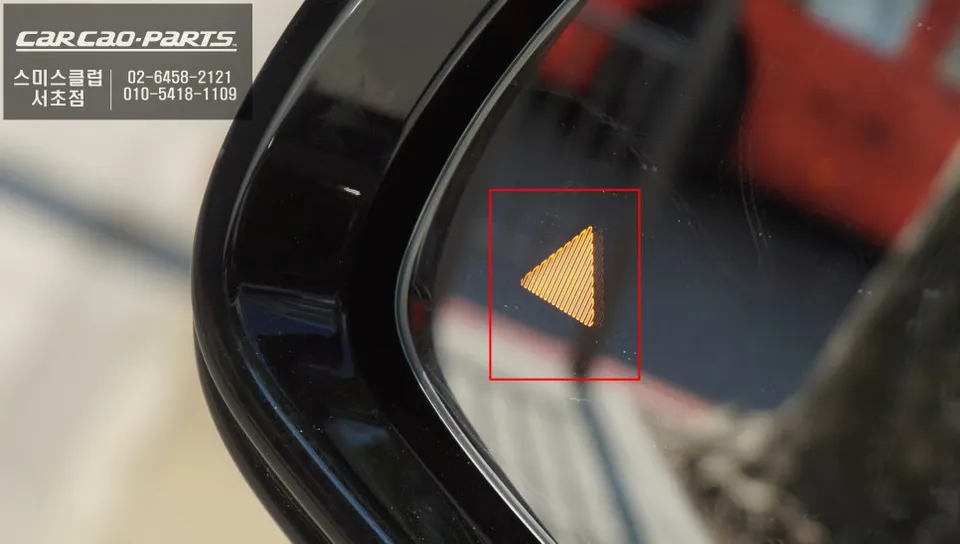
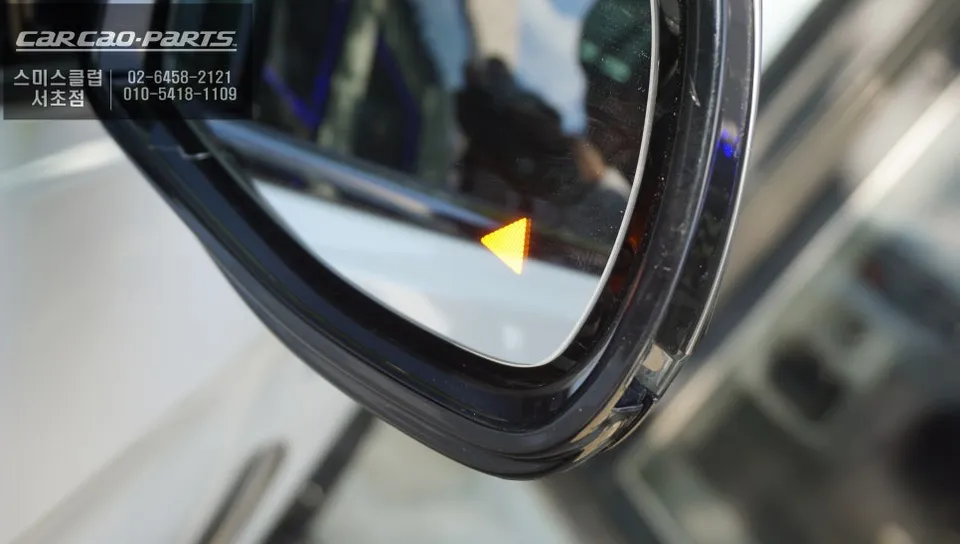
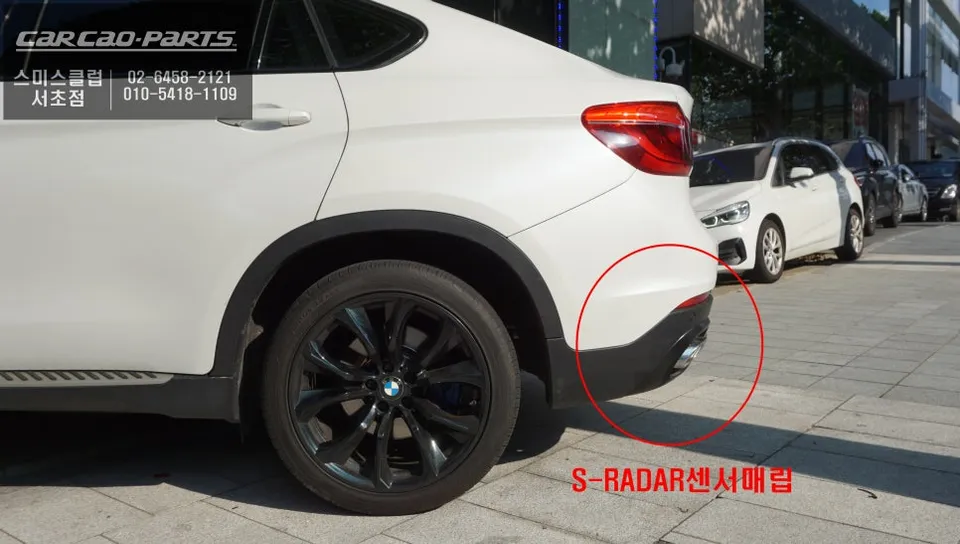
A key component of the blind spot sensor installation is the integration of wide-angle mirrors. Standard mirrors typically offer a field of vision of 150-180 degrees. However, wide-angle mirrors, often featuring 800R curved glass, expand this view to over 350 degrees. This significant enhancement allows the driver to perceive the rear-side situation almost instantaneously without needing to turn their head. These wide-angle mirrors are marked with a triangular icon indicating the radar sensor's detection zone. Ultrasonic sensors are then affixed to the underside of the side mirrors, with the sensors themselves discreetly housed within the bumper, ensuring no visible alteration to the vehicle's exterior.
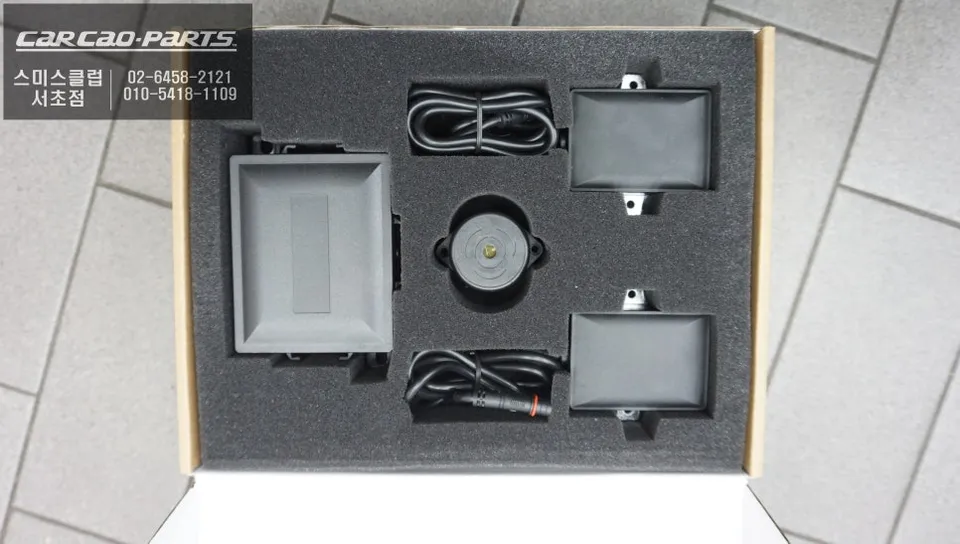
The S-RADAR Sensor System: Intelligent Detection
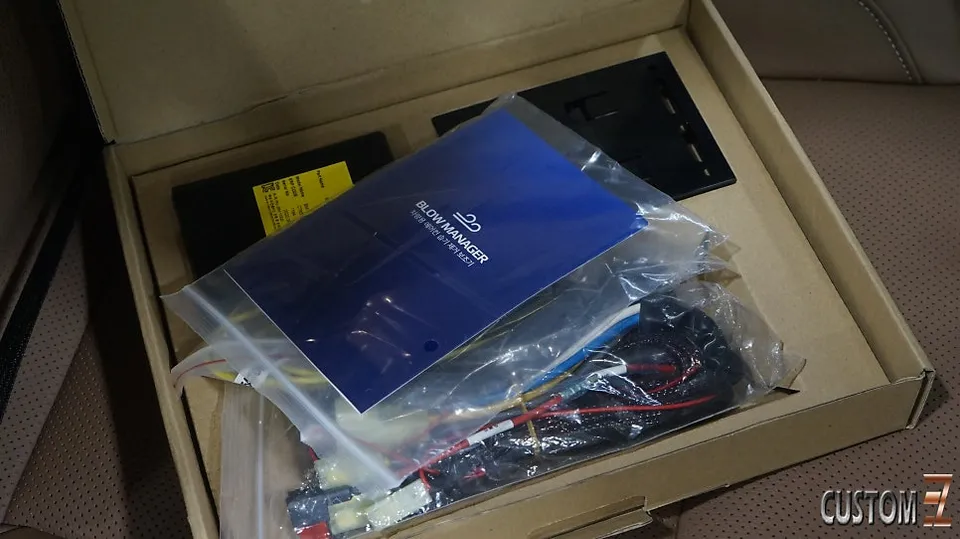
The system employed in this installation is the 'S-RADAR' sensor combination. This advanced system features an intelligent algorithm capable of detecting only moving objects, effectively ignoring stationary items like walls or pillars. With a detection range of approximately 5-7 meters, it provides ample warning time for drivers navigating city traffic. The S-RADAR kit includes a main ECU (Electronic Control Unit), left and right sensors, a wiring harness, and four speakers. It boasts KC certification and a proven track record with over 650 installations in Korea, ensuring high reliability. Notably, it integrates seamlessly with the BMW's OBD2 port, enabling automatic activation and deactivation based on vehicle speed, mirroring the functionality of factory-installed options.
Wiring, ECU Programming, and Final Checks
Proper functioning of the S-RADAR sensors relies on perfect synchronization with the BMW's electronic control systems. The main ECU is securely mounted, typically beneath the dashboard or within the wheel well, to receive and process signals from the sensors in real-time. Recognizing the vehicle's speed signal is a critical aspect of this programming. Alert speakers are installed discreetly, often within the door panels or dashboard sides, to emit a distinct two-tone beep when a rear-side object is detected. Wiring is routed meticulously along the shortest paths, utilizing protective tubing to prevent chafing or damage, passing through areas like the undercarriage, door sills, or behind headliners. Upon completion, the vehicle undergoes a test drive to calibrate sensor sensitivity. This involves placing objects near the sensors while stationary and simulating lane changes during driving to ensure alerts are triggered at the optimal moment. Fine-tuning of the sensitivity can be performed during this final inspection phase.
Frequently Asked Questions
Q. How much does OEM option and factory upgrade installation cost for a BMW X6?
The cost for retrofitting OEM-style blind spot sensors on a BMW X6 can range from approximately ₩700,000 to ₩1,200,000 KRW in Korea. In the US, similar aftermarket installations typically range from $500 to $1000 USD, depending on the system's complexity and the vehicle's specific requirements.
Q. How long does OEM options installation take on a BMW X6?
The installation of blind spot sensors typically takes between 3 to 5 hours to complete. Proper maintenance involves ensuring the sensors remain clean and unobstructed by dirt or debris, which could affect their performance.
Q. Are OEM options worth adding after purchase for a BMW X6?
Adding blind spot sensors is highly recommended for BMW X6 owners who frequently drive in heavy traffic or perform frequent lane changes. The enhanced safety and peace of mind offered by this system provide significant value, especially considering the vehicle's size and potential blind spots.
Q. How are OEM factory options installed on a BMW X6?
Installation involves: 1. Mounting radar sensors discreetly within the rear bumper. 2. Integrating wide-angle mirrors with integrated warning indicators. 3. Connecting the system to the vehicle's ECU via the OBD2 port for speed-dependent activation. 4. Installing alert speakers for auditory warnings.
Q. What is the difference between dealer-installed options and aftermarket upgrades for a BMW X6?
Dealer-installed options are typically genuine OEM parts designed to integrate seamlessly with the vehicle's existing systems, often maintaining the factory warranty. Aftermarket upgrades, like the S-RADAR system reviewed here, offer similar functionality but are not from the original manufacturer; however, reputable aftermarket systems provide excellent performance and safety features.
Kakao Parts