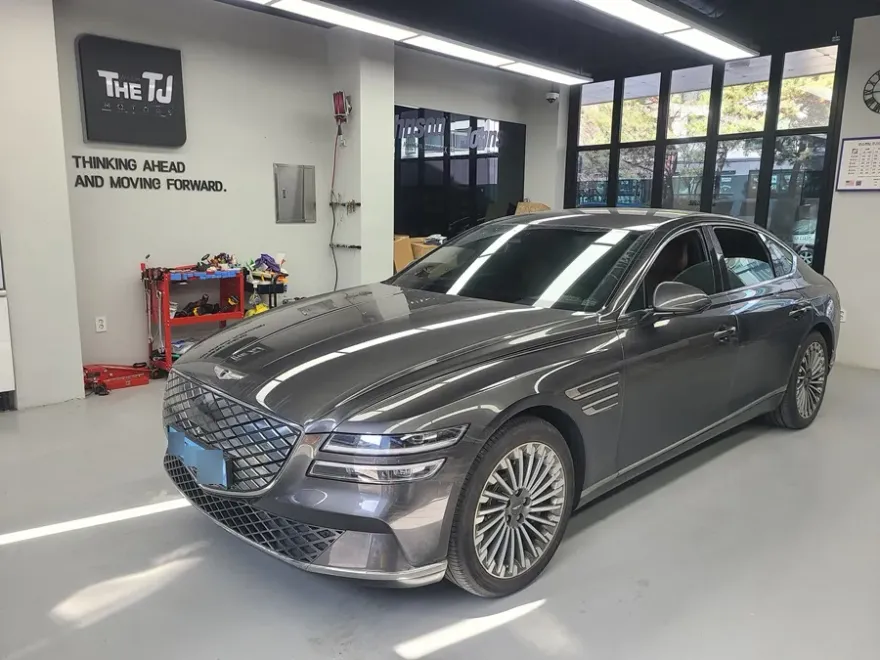
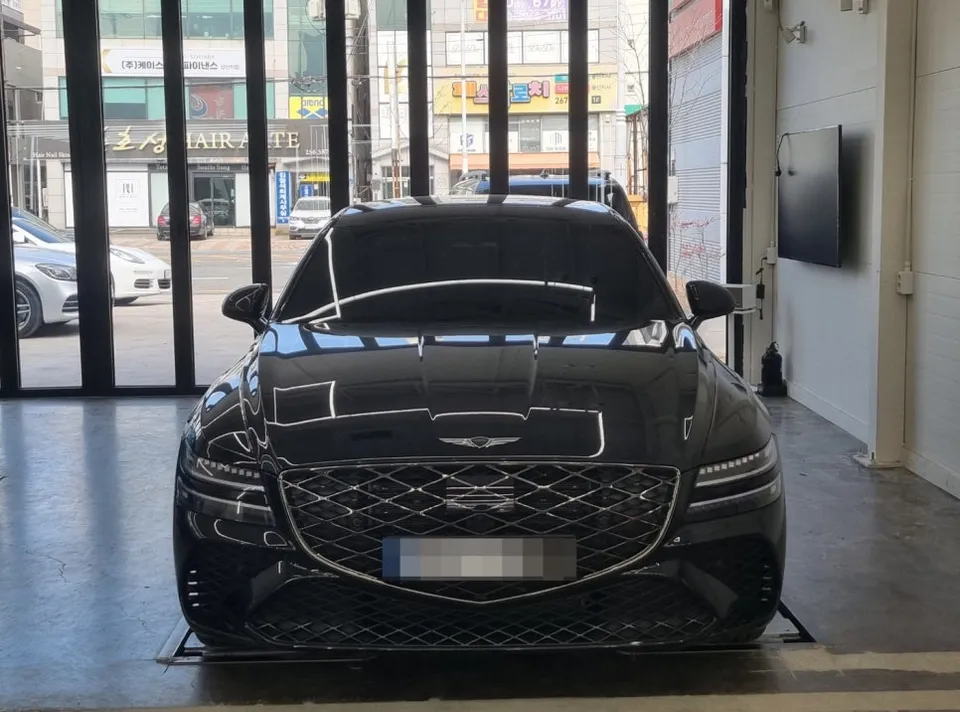
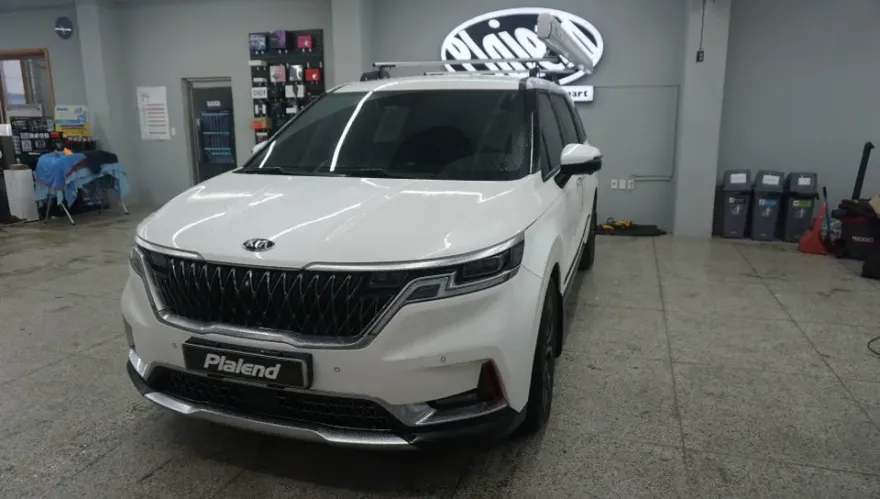
Chevrolet Cruze Blind Spot Monitor Installation Review
Service Price
$40–80
Estimated price · Actual price may vary by shop

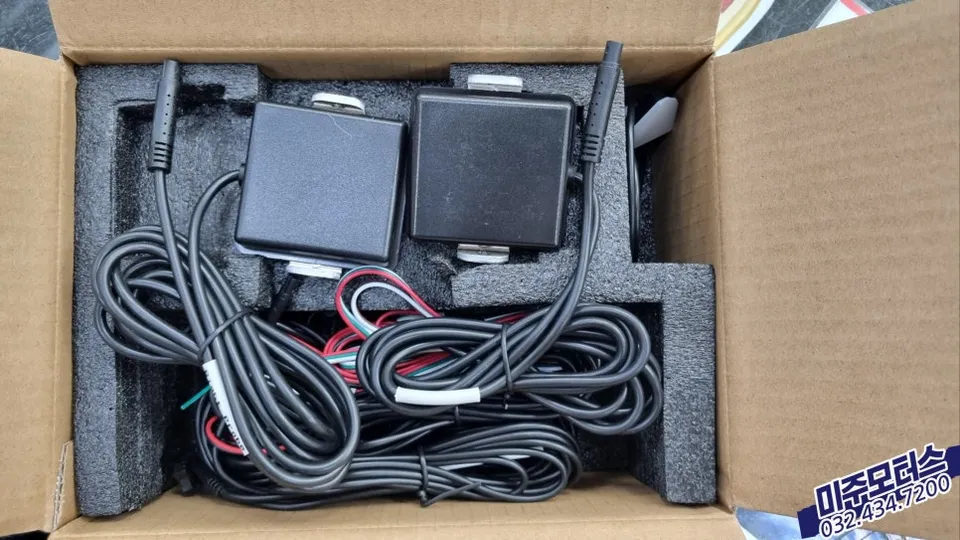
Chevrolet Cruze blind spot monitor installation using radar sensors. Enhances safety and confidence during lane changes.
Why Install a Blind Spot Monitor on Your Chevrolet Cruze?
Driving in busy traffic, especially during commutes, often involves sudden maneuvers and the risk of overlooking vehicles in your blind spots. While side mirrors are essential, they can't cover every angle. This is where a blind spot monitor system becomes a crucial safety upgrade, particularly for vehicles like the Chevrolet Cruze that may not have come equipped with this feature from the factory. The system uses radar sensors to detect vehicles approaching or lingering in your blind spots, providing timely alerts to prevent potential collisions during lane changes.
Unlike older ultrasonic systems, the radar-based blind spot monitors offer greater accuracy and a longer detection range, making them a superior choice for enhancing driving safety. This review details the process and benefits of retrofitting such a system onto a Chevrolet Cruze.
Radar Blind Spot Monitor Installation Process
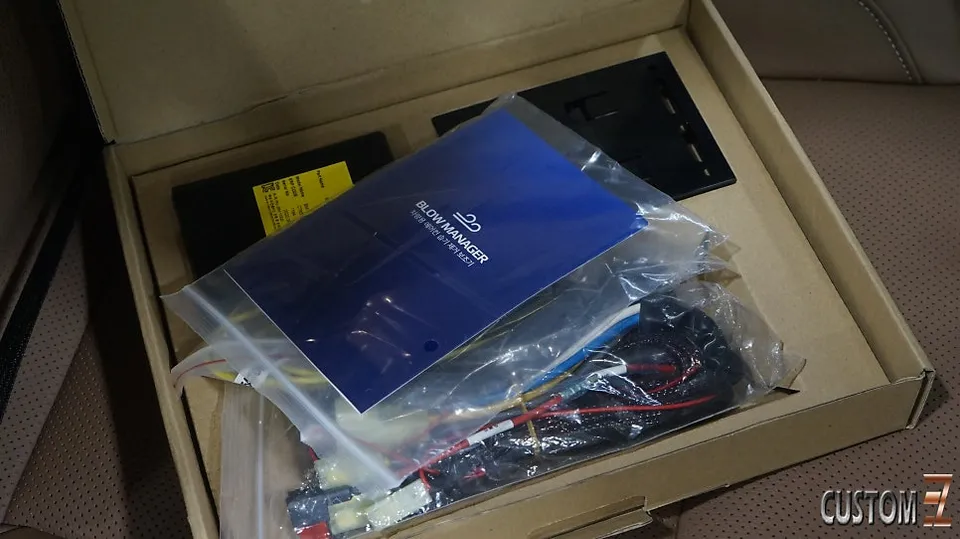
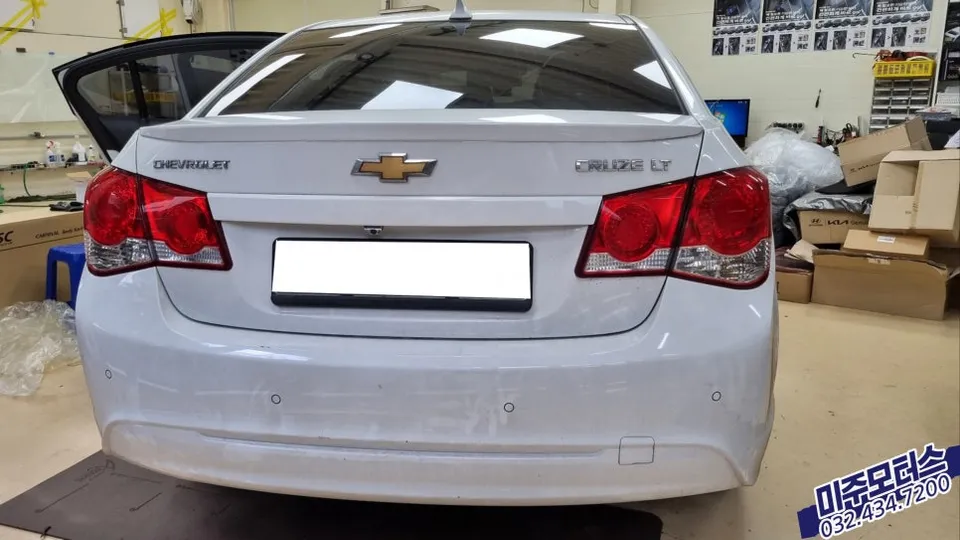
The installation of a radar-based blind spot monitoring system on a Chevrolet Cruze involves several key steps performed by skilled technicians. This method is preferred as it allows for the sensors to be mounted discreetly within the rear bumper without requiring any drilling, thus preserving the vehicle's aesthetic integrity.
- Sensor Placement: Precision is key. The radar sensors are carefully positioned inside the rear bumper to ensure optimal coverage and accurate detection of surrounding vehicles.
- Wiring Integration: All wiring is meticulously routed and connected, following factory standards to prevent interference and ensure reliable operation.
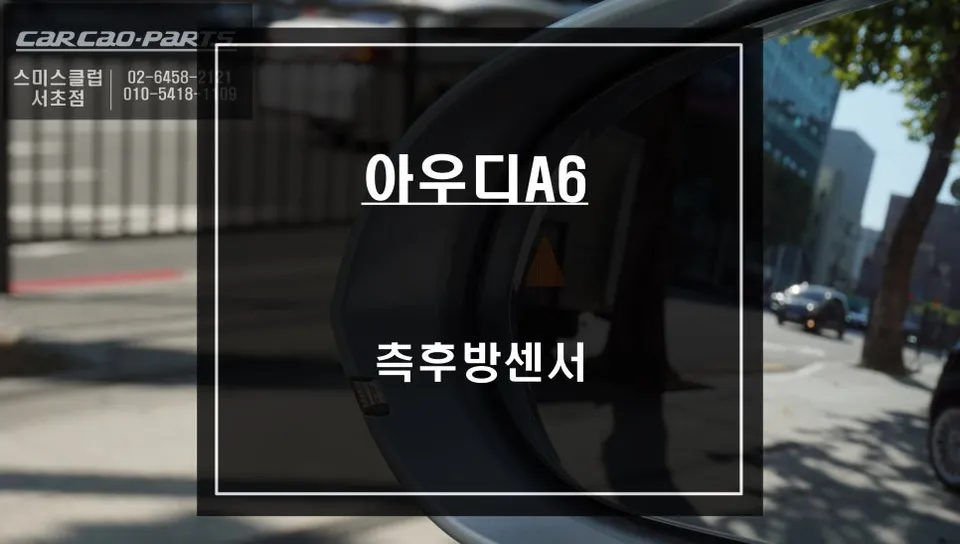
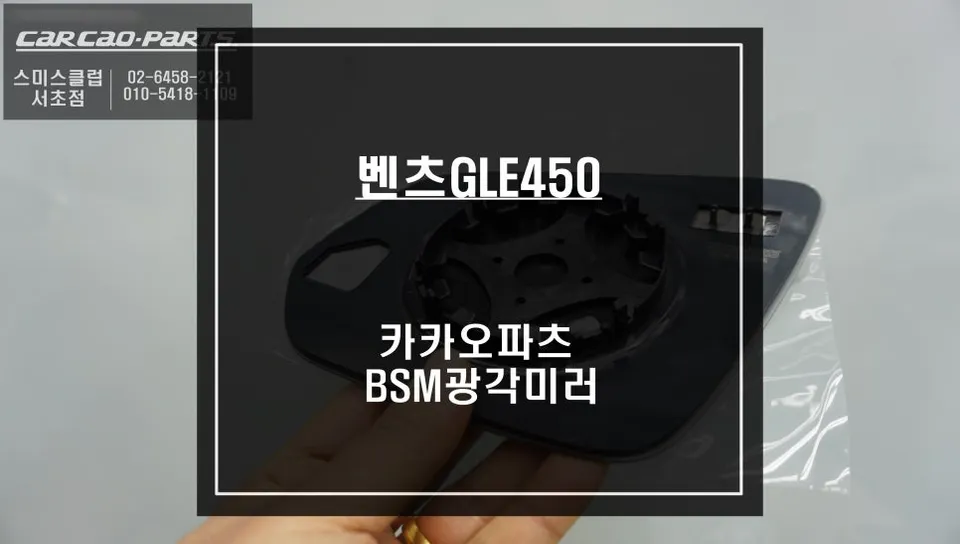
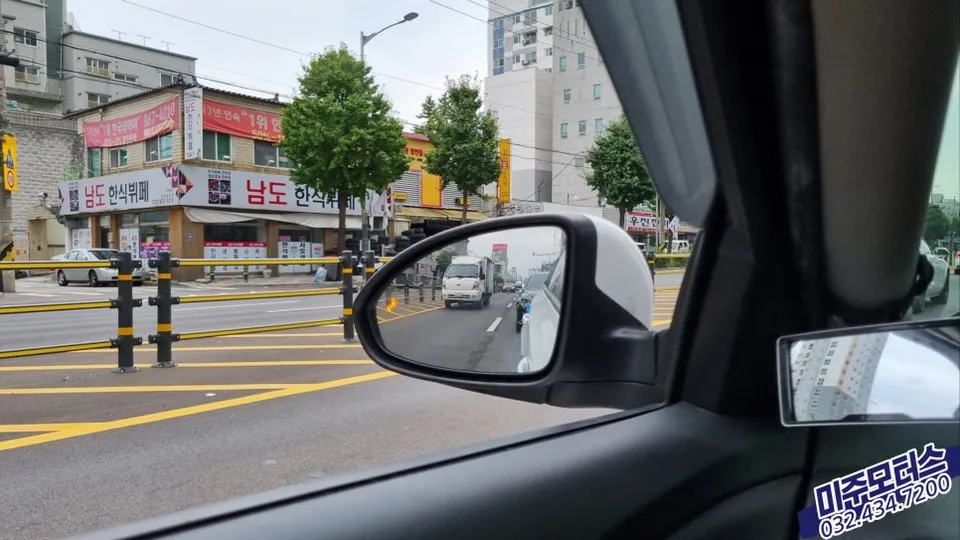
- Side Mirror Upgrade: The factory side mirrors are replaced with specialized units that feature integrated LED warning lights. These lights illuminate when a vehicle is detected in the blind spot.
- System Calibration and Testing: After installation, the system undergoes rigorous testing. This includes driving the vehicle to confirm that the LED indicators activate correctly when other cars approach from the rear and sides, and that audible alerts sound if a lane change is attempted while a vehicle is detected.
Benefits and User Satisfaction
Following the installation of the blind spot monitor on the Chevrolet Cruze, the owner reported a significant increase in confidence during lane changes, especially in congested traffic. The visual cues from the LED indicators in the side mirrors, coupled with audible warnings, provide a clear and immediate alert, effectively mitigating the risks associated with blind spots. This upgrade not only enhances safety by preventing potential accidents but also reduces the driver's stress and anxiety, making every journey more secure and enjoyable.
Frequently Asked Questions
Q. How much does a blind spot monitor installation cost for a Chevrolet Cruze?
The installation of a radar-based blind spot monitor for a Chevrolet Cruze, as detailed in this review, was performed in Korea. Typical professional installation costs in the US can range from $300 to $800 depending on the system's complexity and the vehicle.
Q. How long does blind spot monitor installation take on a Chevrolet Cruze?
Blind spot monitor installation typically takes 2-4 hours to complete. Regular cleaning of the rear bumper area where sensors are mounted can help maintain optimal performance.
Q. Are blind spot monitors worth adding after purchase for a Chevrolet Cruze?
Blind spot monitors are highly recommended for drivers who frequently navigate busy roads or change lanes often, significantly enhancing safety. They add substantial value by reducing the risk of side-swipe collisions.
Q. How is a blind spot monitor installed on a Chevrolet Cruze?
Installation involves mounting radar sensors discreetly inside the rear bumper, integrating wiring with the vehicle's electrical system, and replacing side mirrors with units featuring integrated LED warning lights. The system is then calibrated and tested for accurate detection and alerts.
Q. What is the difference between dealer-installed options and aftermarket upgrades for a Chevrolet Cruze?
Dealer-installed options are typically OEM (Original Equipment Manufacturer) parts integrated during manufacturing or by the dealership, often with a higher price but seamless integration. Aftermarket upgrades, like the radar system described, are sourced from third-party manufacturers and can offer more advanced features or be more cost-effective, though professional installation is crucial.
OhCar Partner Shop