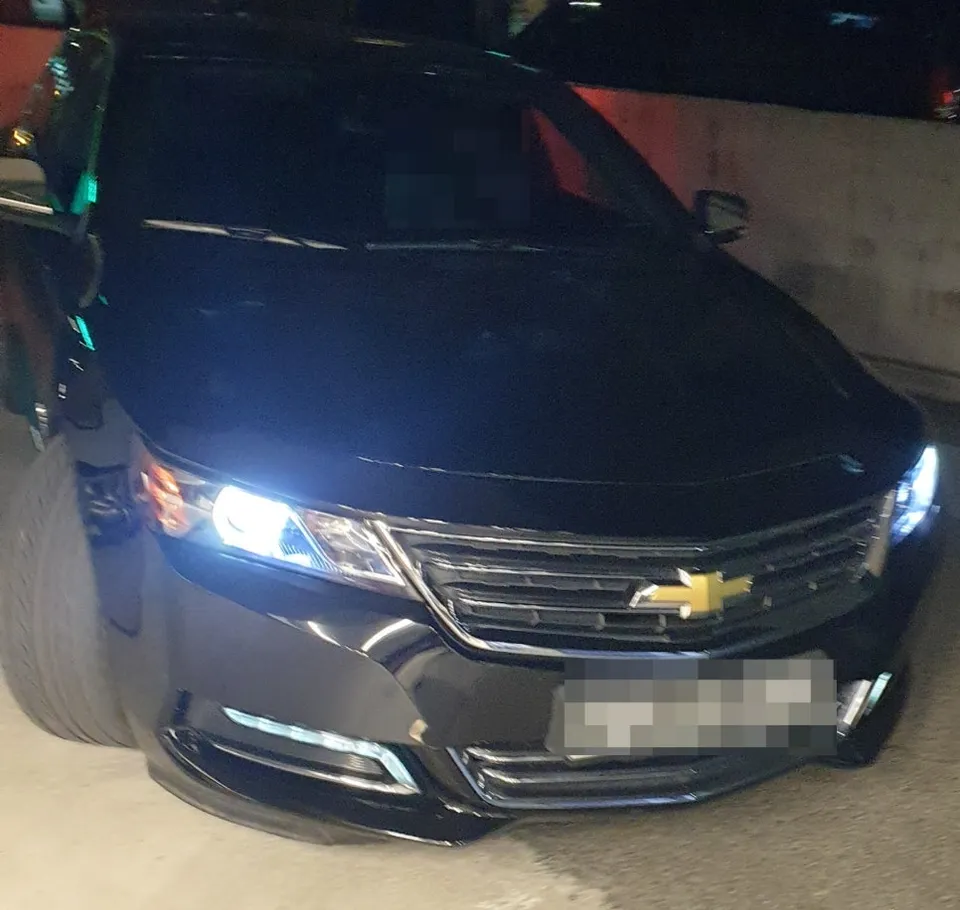
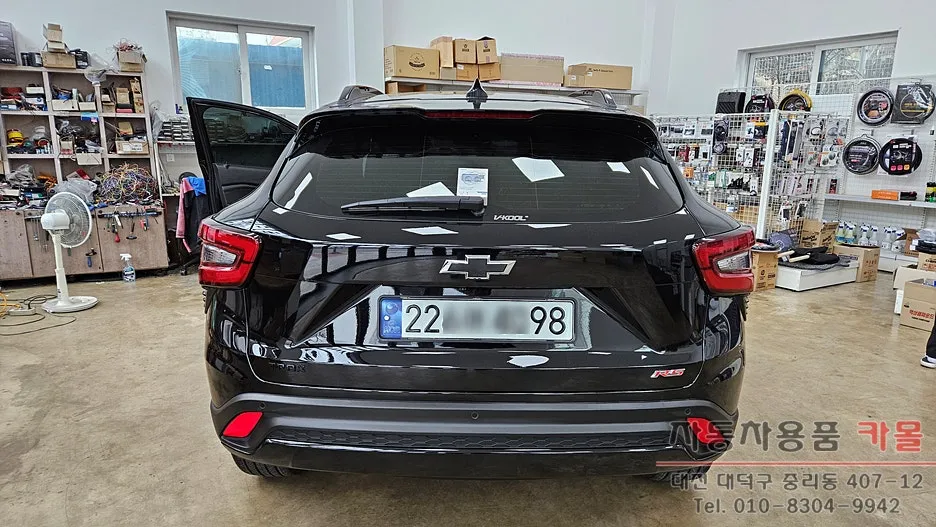
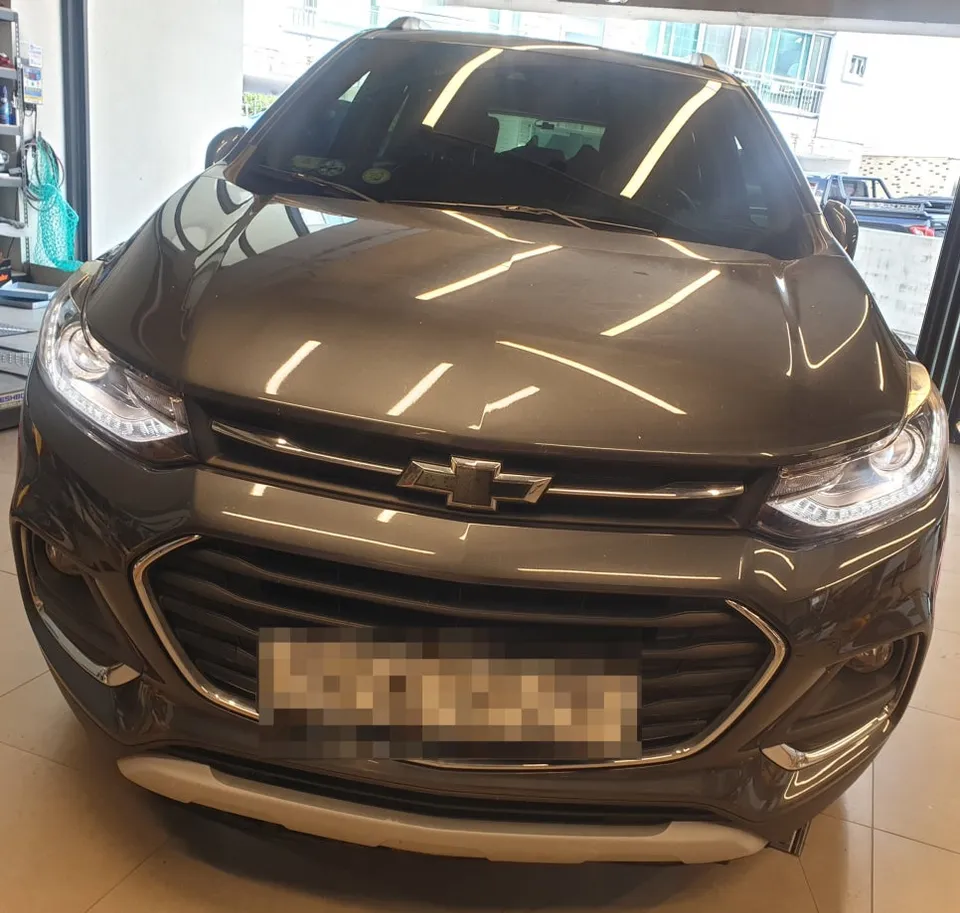
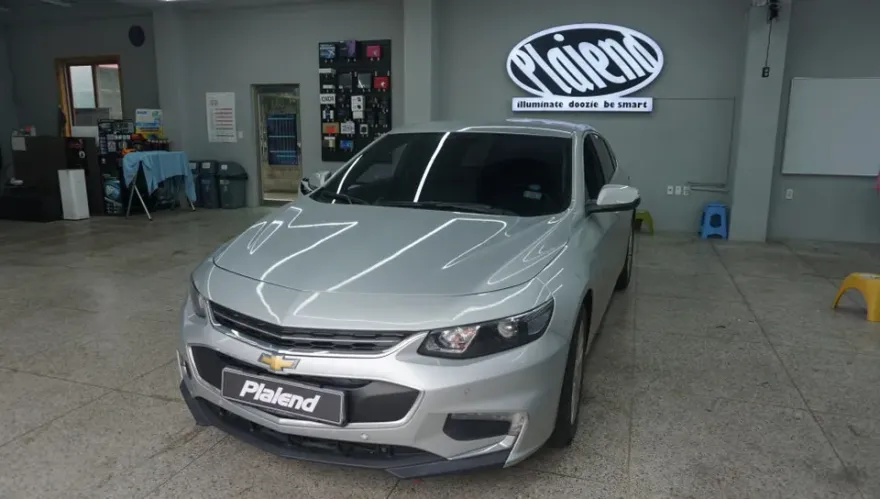
Chevrolet Malibu Body Repair & Painting Review
Service Price
$under $40
Estimated price · Actual price may vary by shop
Before
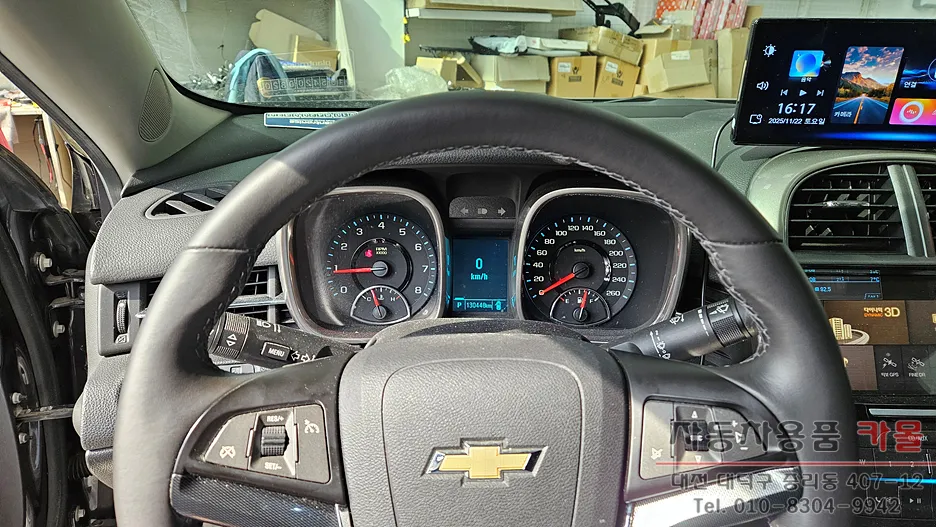
After
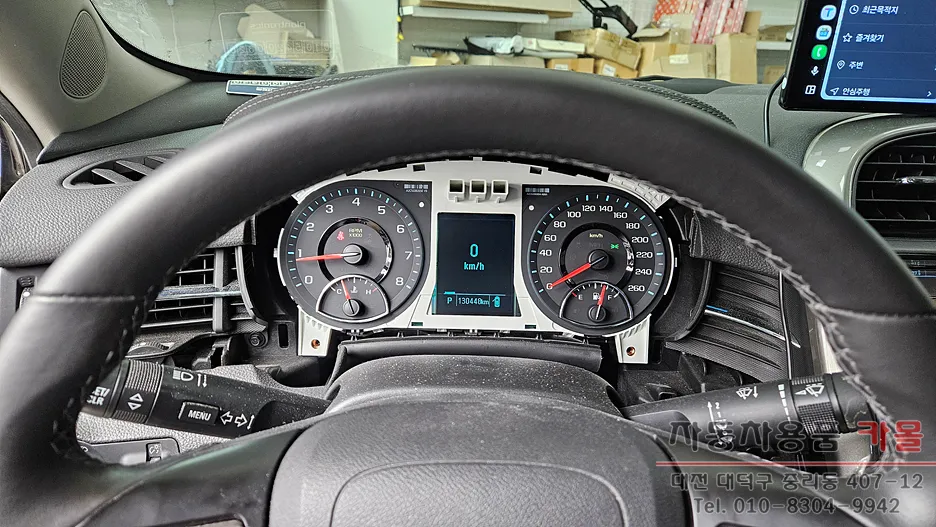
Process photos
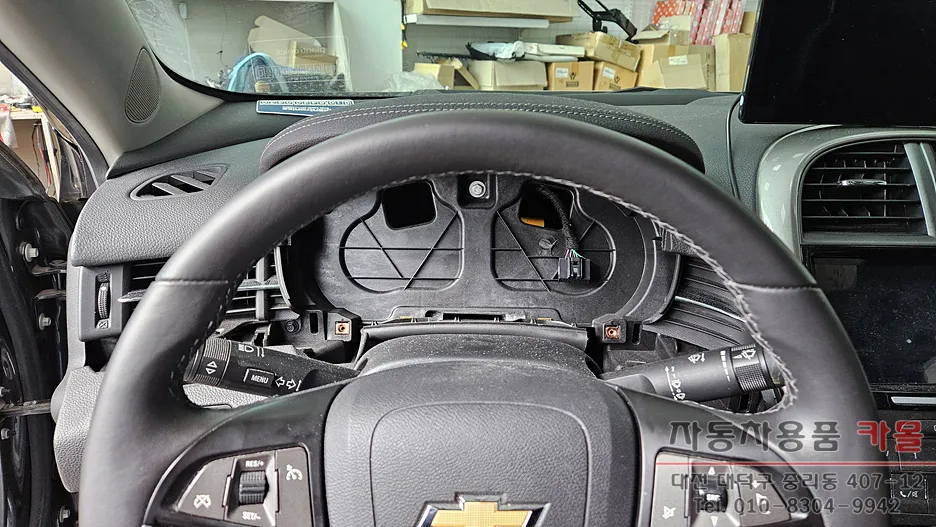
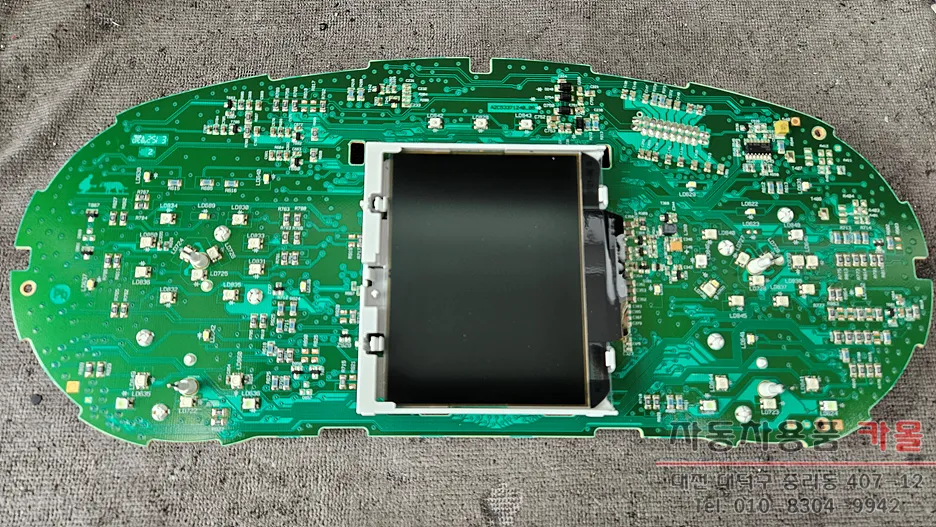
Chevrolet Malibu body repair & painting review: Costs vary widely. Professional repair restores appearance and protects your vehicle.
Chevrolet Malibu Body Repair & Painting: A Comprehensive Review
When your Chevrolet Malibu sustains damage, whether it's a minor scratch, a dented panel, or a cracked bumper, the thought of auto body repair and painting can be daunting. This review delves into the process, potential costs, and the overall value of getting your Malibu back to its pristine condition. We'll cover what to expect from the installation, the durability of the repair, and whether it's a worthwhile investment for your vehicle.
Understanding Body Repair & Painting for Your Chevrolet Malibu
Auto body repair encompasses a range of services aimed at restoring your vehicle's exterior after an accident or wear and tear. For a Chevrolet Malibu, this can involve anything from minor scratch repair and bumper repair to more extensive panel repair. The goal is not just cosmetic; it's also about maintaining the structural integrity and protecting your vehicle from further damage, like rust.
The process typically begins with a thorough inspection of the damaged area. For scratch repair, technicians might use paintless dent repair (PDR) techniques if the metal isn't creased, or they'll move to filling and sanding for deeper imperfections. Bumper repair often involves plastic welding or replacement, followed by priming and painting. Panel repair, such as fixing a dented door or fender, usually requires metalwork, filling, sanding, and then a meticulous paint job to match the original factory finish. The painting process itself is crucial for durability and aesthetics. It involves multiple layers: primer to ensure adhesion, base coat for color, and a clear coat for protection and shine. This multi-step application is key to achieving a seamless, long-lasting finish that can withstand the elements.
The Installation Process and What to Expect
Getting your Chevrolet Malibu's bodywork done involves several key steps to ensure a quality outcome. Here’s a general overview of the installation process:
- Damage Assessment and Preparation: Technicians will carefully inspect the damaged area to determine the best course of action. The area is then thoroughly cleaned and prepped, which may involve sanding or removing existing paint depending on the extent of the damage.
- Repair and Reshaping: Dents are pulled out, panels are straightened, or damaged sections are replaced. For bumper repair, this might involve plastic welding or using specialized fillers.
- Priming and Sanding: A primer is applied to create a smooth surface for paint adhesion and to prevent rust. This layer is then sanded smooth.
- Painting: The color-matched base coat is applied, followed by multiple layers of clear coat for protection and a high-gloss finish. This is done in a controlled environment, often a paint booth, to prevent dust and ensure an even application.
- Curing and Finishing: The paint is allowed to cure properly, sometimes with the aid of heat lamps. Finally, the area is polished to blend seamlessly with the rest of the vehicle.
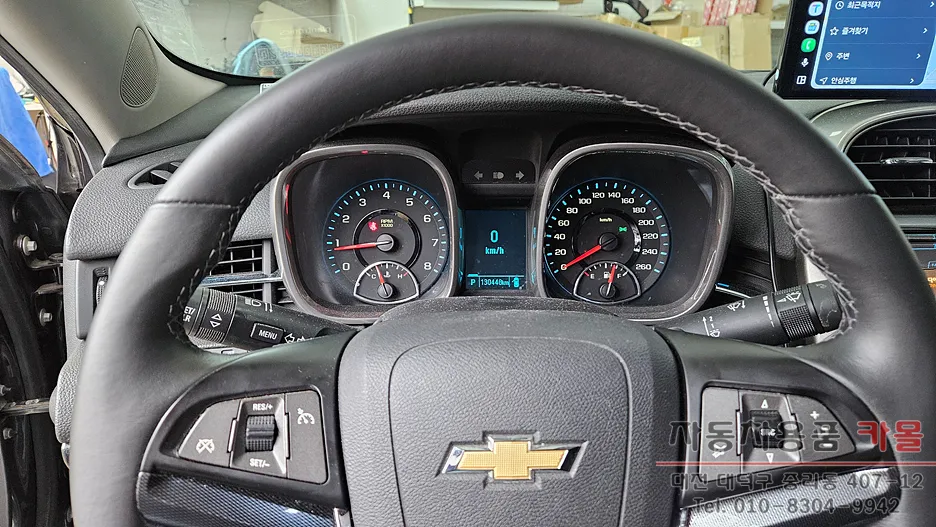
The time required for these repairs can vary significantly. Minor scratch repair might take a few hours, while extensive panel repair and painting could take several days, depending on the complexity and the shop's schedule. The original context for this review comes from a Korean service provider who detailed a repair process for a Chevrolet Malibu's instrument cluster, which typically costs between 200,000 and 400,000 Korean Won (approximately $150-$300 USD, though exchange rates fluctuate). While this specific review focuses on bodywork, the principle of detailed repair and transparent pricing applies. For body repair and painting, costs in the US can range widely, often starting from a few hundred dollars for minor cosmetic fixes and going up to several thousand for significant collision damage and full panel repainting.
Is Chevrolet Malibu Body Repair & Painting Worth It?
Deciding whether auto body repair and painting is worth the cost for your Chevrolet Malibu depends on several factors. If the damage is purely cosmetic and affects the car's appearance, you'll need to weigh the repair cost against the vehicle's value and your personal satisfaction. For safety-related damage, such as compromised structural integrity or malfunctioning components like the instrument cluster mentioned in the original Korean context, repair is essential. Durability is a key consideration; a professional paint job using quality materials should last for many years, provided the vehicle is maintained properly. Regular washing and waxing can help preserve the finish. Ultimately, investing in quality body repair and painting can significantly enhance your Chevrolet Malibu's appearance, protect it from further deterioration, and potentially increase its resale value.
Frequently Asked Questions
Q. How much does auto body repair cost for a Chevrolet Malibu?
For minor cosmetic issues on a Chevrolet Malibu, expect costs to start from a few hundred dollars, potentially reaching several thousand for major collision damage. The specific price depends heavily on the extent of the damage and the parts needed.
Q. How long does auto body repair take for a Chevrolet Malibu?
Minor scratch repair might take a few hours, while more significant panel repair and painting can take several days. The durability of a professional paint job can last many years with proper maintenance like regular washing and waxing.
Q. Is auto body repair covered by insurance for a Chevrolet Malibu?
Auto body repair for a Chevrolet Malibu is typically covered by comprehensive or collision insurance if the damage resulted from an accident or covered event. It's best to check your specific policy details with your insurance provider.
Q. How is auto body repair done on a Chevrolet Malibu?
1. The damaged area is assessed and prepped. 2. Dents are repaired, panels are straightened, or replaced. 3. Primer is applied and sanded. 4. Color-matched paint and clear coat are applied. 5. The finish is cured and polished.
Q. What is the difference between PDR and conventional body repair for a Chevrolet Malibu?
Paintless Dent Repair (PDR) is used for minor dents without damaging the paint, making it faster and cheaper. Conventional body repair involves filling, sanding, and repainting for larger dents or damaged paint.
OhCar Partner Shop