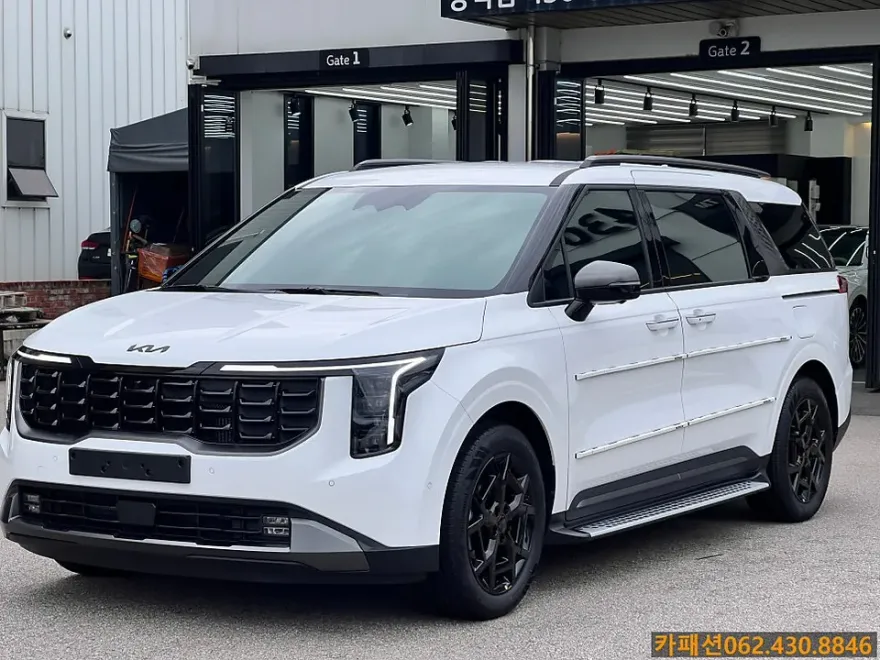
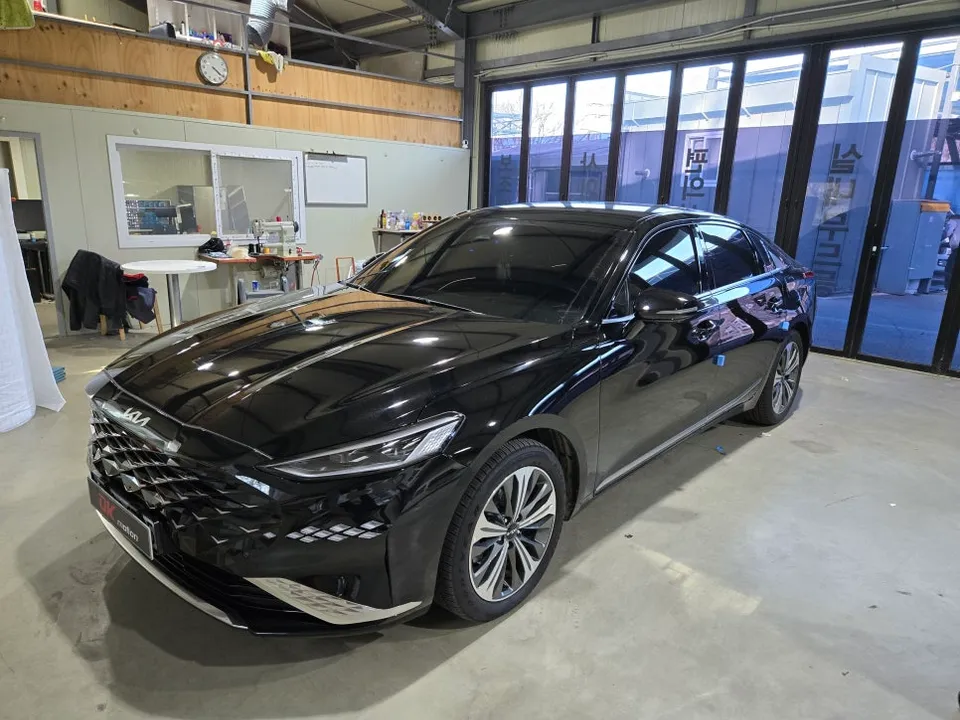
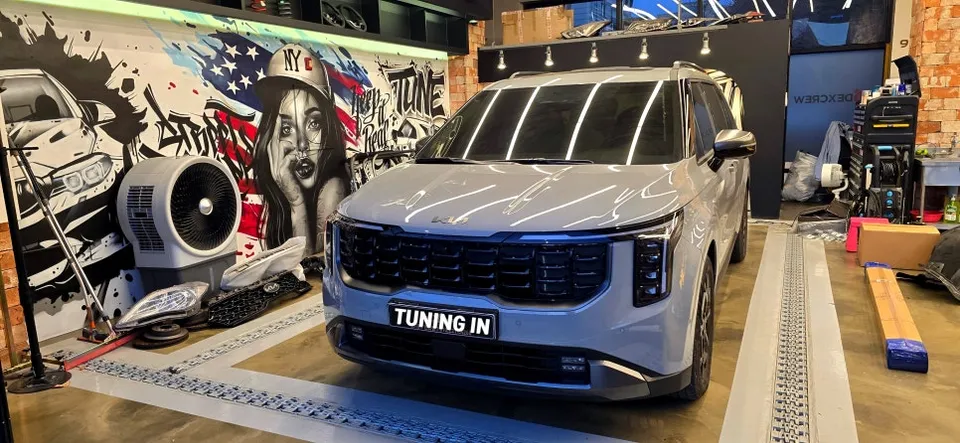
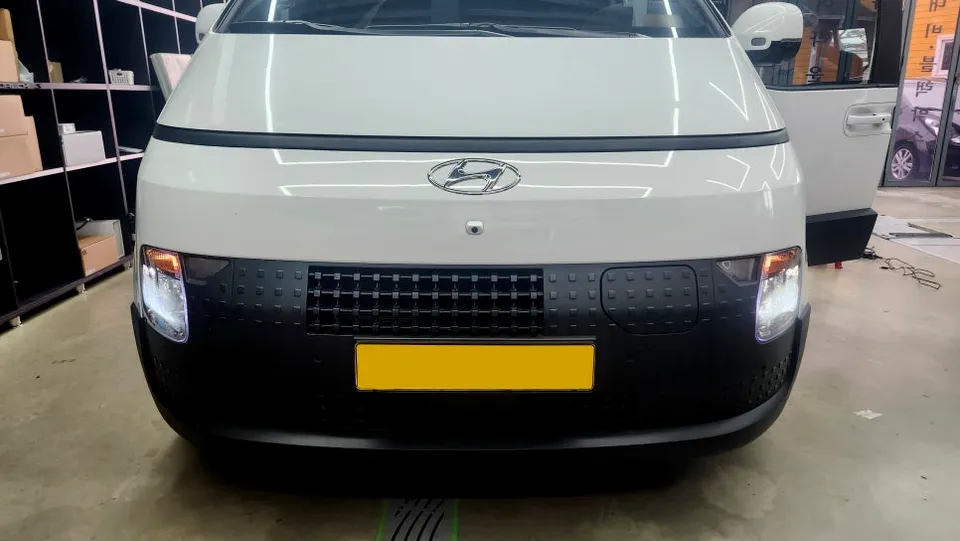
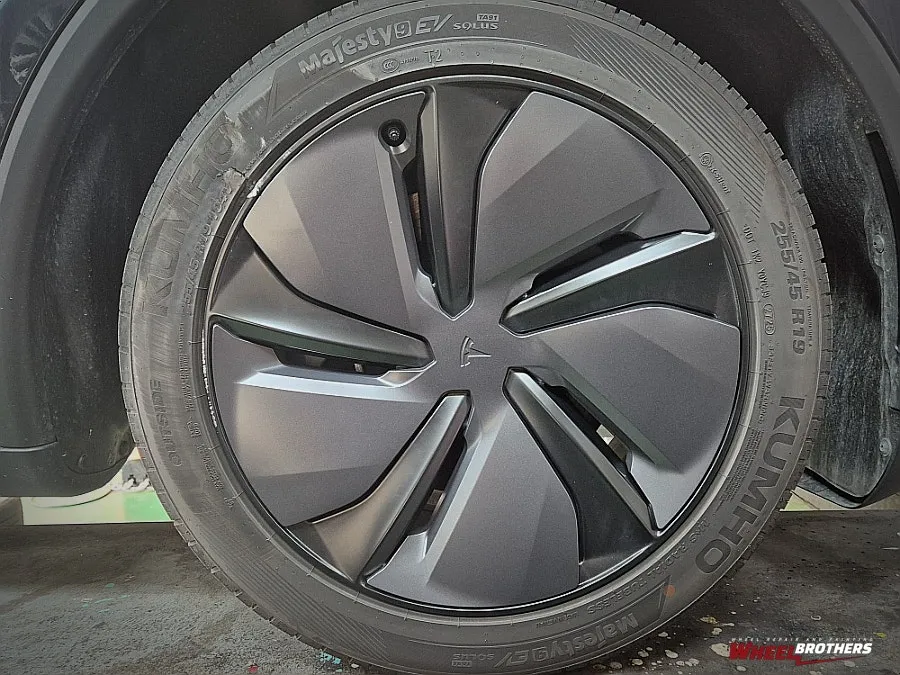
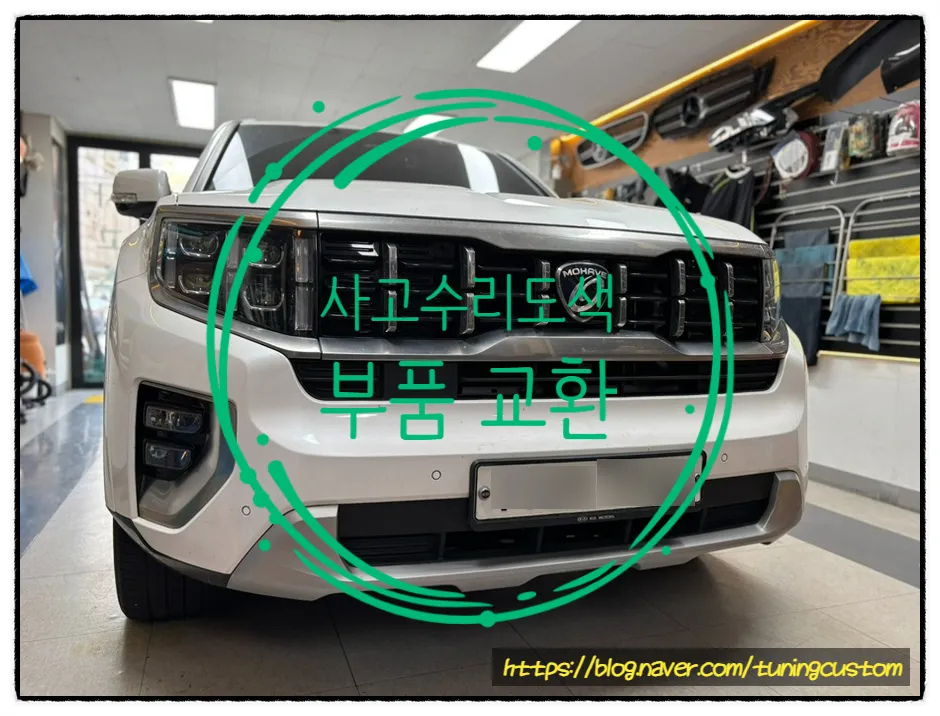
Kia Mohave The Master Body Repair & Painting Review
Service Price
$40–80
Estimated price · Actual price may vary by shop

Kia Mohave The Master fender repair & painting: approx. $220-$440 USD. Includes sensor replacement for restored safety and appearance.
Kia Mohave The Master Body Repair & Painting: A Comprehensive Review
Encountering vehicle damage can be a stressful experience, leaving you wondering about the best way to restore your car. This review details the body repair and painting process for a Kia Mohave The Master, focusing on a specific case involving the rear passenger-side fender and associated components. We'll cover the scope of work, the installation process, and considerations for durability and overall value.
Repairing the Kia Mohave The Master: Fender, Sensors, and More
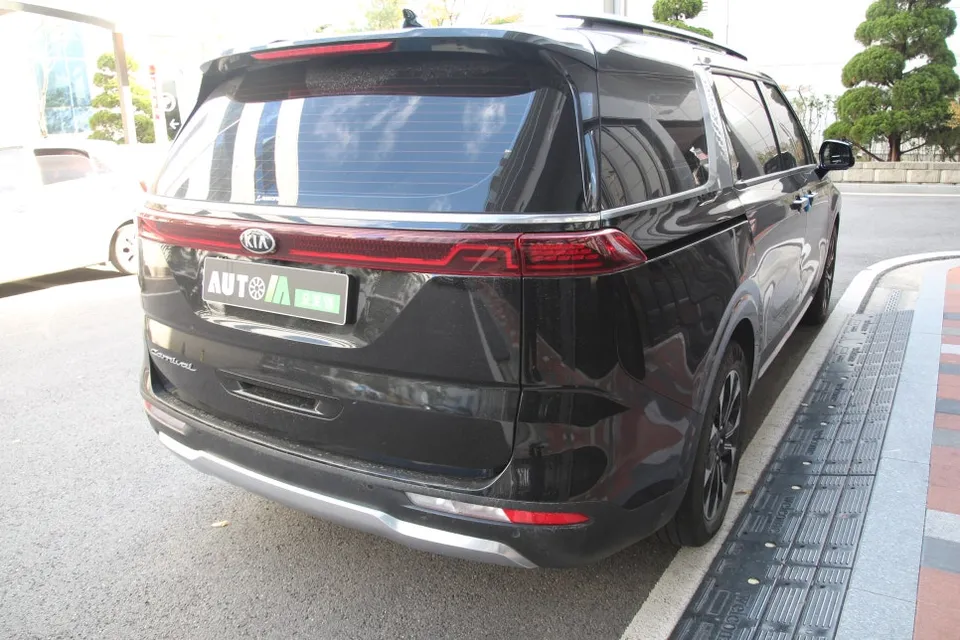
This particular Kia Mohave The Master required significant attention after an incident. The primary focus was the rear passenger-side fender, which sustained damage. Depending on the severity, such damage can range from minor cosmetic issues to more substantial structural deformation, necessitating either panel repair (panel beating) or complete part replacement. In this instance, the repair involved not only the fender panel beating and painting but also the replacement of the rear bumper diffuser and the crucial rear corner radar sensor. The estimated cost for such work in Korea can range from approximately 300,000 to 600,000 KRW (roughly $220-$440 USD, subject to exchange rates and specific shop pricing), with the final price varying based on the exact condition of the vehicle and the parts needed.
Vehicle: Kia Mohave The Master
Services Performed: Rear passenger-side fender panel beating and painting, rear bumper diffuser replacement, rear corner radar sensor replacement, molding replacement.
Affected Areas: Rear passenger-side fender, rear bumper, passenger-side rear door.
Estimated Time: Approximately 1-2 days, depending on vehicle condition and parts availability.
The Installation Process: Precision Panel Beating and Painting
The repair process began with meticulous panel beating to restore the deformed fender to its original shape. This isn't just about hammering out dents; it involves carefully reshaping the metal to perfectly match the vehicle's original lines and curves. Following the panel beating, a precise paint repair was undertaken. The goal is to achieve a flawless finish that perfectly matches the original factory paint color, ensuring no visible signs of repair and avoiding issues like fading or uneven gloss.
Installation Process:
- Damage Assessment & Disassembly: Thoroughly inspect the damaged area and remove any obstructing parts.
- Panel Beating: Carefully reshape the damaged fender panel using specialized tools to restore its original contour.
- Surface Preparation: Sand and prime the repaired area to ensure a smooth surface for painting.
- Color Matching & Painting: Mix paint to precisely match the vehicle's original color and apply multiple coats for a seamless finish.
- Component Replacement: Install new parts such as the bumper diffuser and radar sensor.
- Reassembly & Quality Check: Reassemble all removed parts and conduct a final inspection for fit, finish, and sensor functionality.
In addition to the fender, the rear bumper diffuser and the passenger-side rear corner radar sensor were replaced. Radar sensors are vital for safety features like blind-spot monitoring and parking assistance, making their proper function critical. Sometimes, replacement parts come pre-painted, which can help reduce labor costs and turnaround time. It's also important to address smaller components like moldings, as their replacement contributes to the overall aesthetic and completeness of the repair.
Durability, Maintenance, and Making the Right Choice
After the repair and painting are complete, a final inspection is performed to ensure the paint quality, panel alignment, and functionality of all replaced components, especially the radar sensor. To enhance the longevity of the paintwork and protect against environmental factors, consider additional protective measures such as ceramic coating or paint protection film (PPF). These can help maintain the gloss and shield the paint from minor scratches and UV damage.
When choosing an auto body repair service, it's crucial to look beyond just the cosmetic fix. Ensuring that all functional components, like sensors, are properly assessed and repaired or replaced is paramount for safety. The quality of the auto body repair and painting directly impacts the vehicle's appearance, resale value, and, most importantly, its safety systems. Investing in a reputable shop that addresses all aspects of the damage, both visible and functional, ensures a satisfactory and durable outcome.
Frequently Asked Questions
Q. How much does auto body repair cost for a Kia Mohave The Master?
For this specific Kia Mohave The Master repair involving fender panel beating, painting, and sensor replacement, the cost in Korea was approximately 300,000-600,000 KRW ($220-$440 USD). Typical auto body repair costs in the US can vary widely based on the extent of damage, ranging from $100 for minor scratch repair to over $1,000 for significant panel work.
Q. How long does auto body repair take for a Kia Mohave The Master?
The durability of auto body repair and painting depends on the quality of materials and workmanship, but a professional job should last many years. Regular washing and waxing can help maintain the finish, and consider applying a ceramic coating or paint protection film for enhanced durability against environmental factors.
Q. Is auto body repair covered by insurance for a Kia Mohave The Master?
This review focuses on the repair process and cost, not insurance coverage specifics. Auto body repair is often covered by comprehensive or collision insurance policies, depending on the cause of the damage and your policy terms. It's best to consult your insurance provider for details.
Q. How is auto body repair done on a Kia Mohave The Master?
The process typically involves: 1. Assessing the damage and disassembling affected areas. 2. Performing panel beating to reshape metal panels. 3. Preparing the surface through sanding and priming. 4. Precisely matching and applying paint. 5. Replacing any necessary components like sensors or trim. 6. Reassembling and conducting a final quality check.
Q. What is the difference between PDR and conventional body repair for a Kia Mohave The Master?
Paintless Dent Repair (PDR) is used for minor dents where the paint is not broken, preserving the original finish. Conventional body repair, as detailed in this review for fender damage, involves panel beating, filling, sanding, and repainting to fix more significant damage or deformation.
OhCar Partner Shop