Chevrolet Malibu OEM Options Installation Cost & Review
Service Price
$approx. $400–800
Estimated price · Actual price may vary by shop
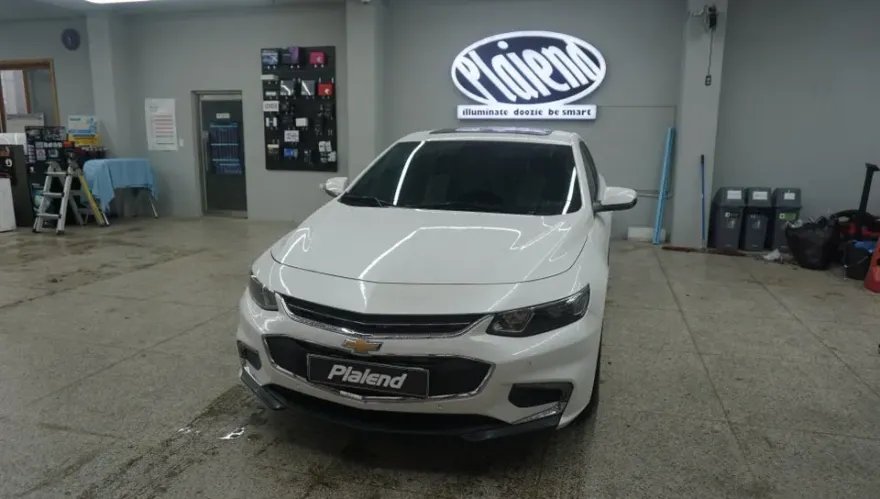
Chevrolet Malibu OEM options installation: $400-$800. Adds integrated navigation and entertainment.
Adding OEM Options to Your Chevrolet Malibu
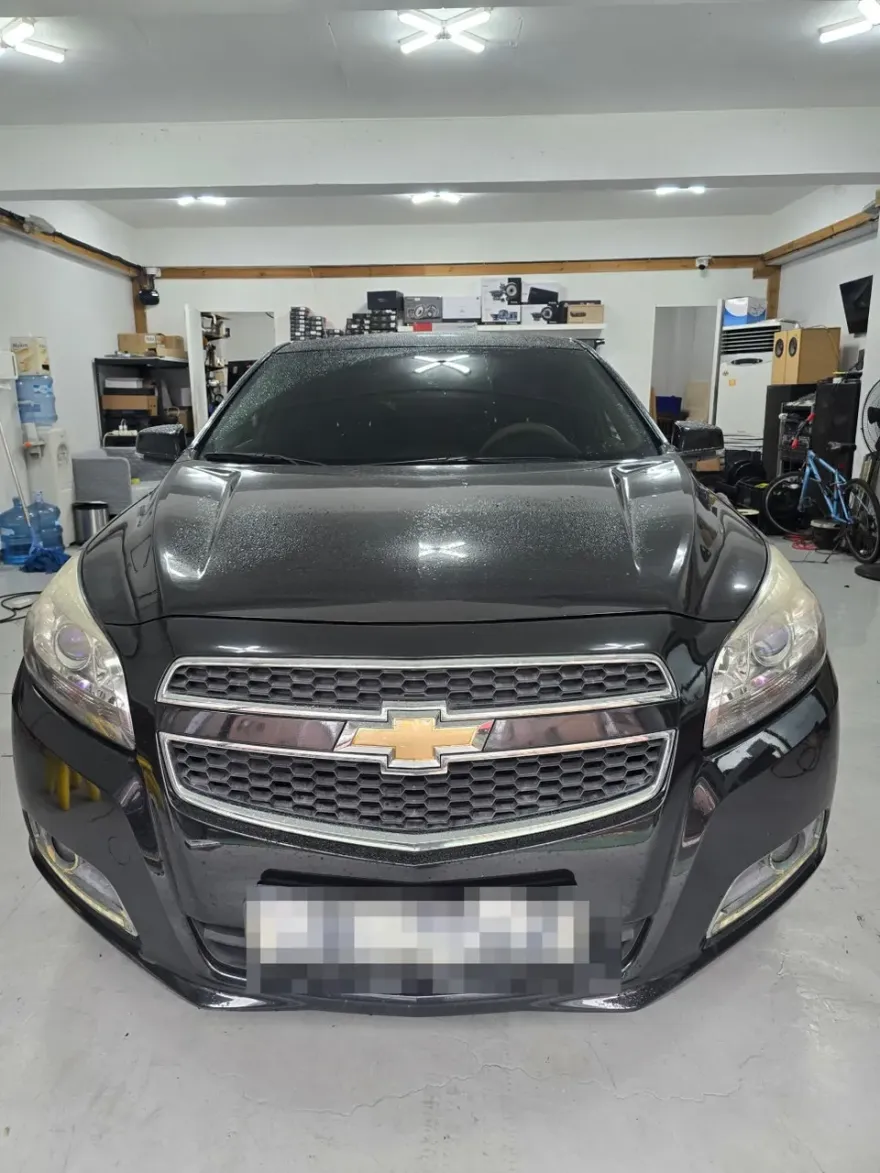
Many Chevrolet Malibu owners look to enhance their driving experience by adding features that weren't originally equipped on their specific trim level. This often involves retrofitting what are known as OEM (Original Equipment Manufacturer) options. These are parts and systems designed and manufactured by or for Chevrolet, ensuring perfect integration with your vehicle's existing electronics and aesthetics. This review focuses on the process, cost, and benefits of adding such factory upgrades to a Chevrolet Malibu, drawing from experiences with similar installations, such as a popular aftermarket navigation system retrofit for the All New Malibu in Korea. While specific US availability for every single Korean market option may vary, the principles of factory option retrofitting remain consistent.
OEM Options Installation: What to Expect
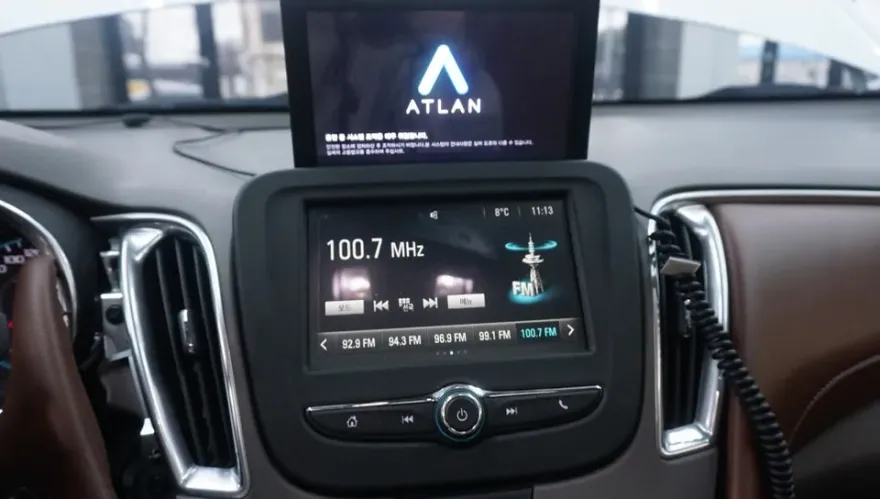
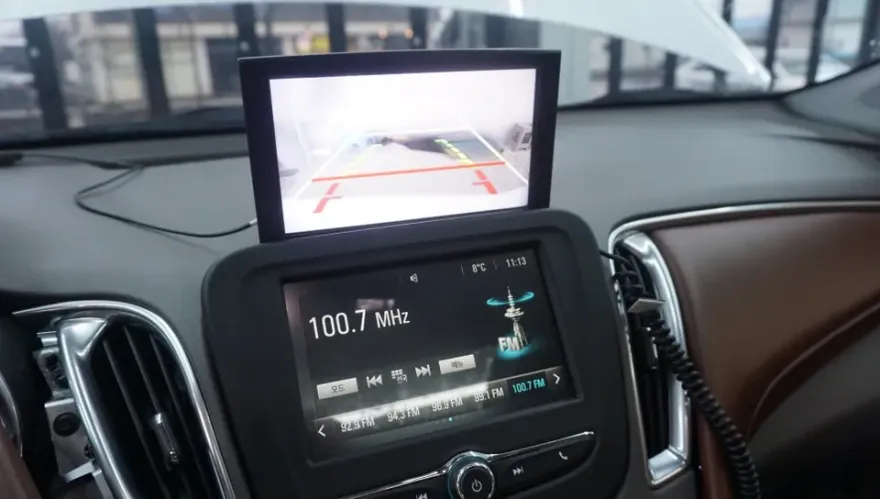
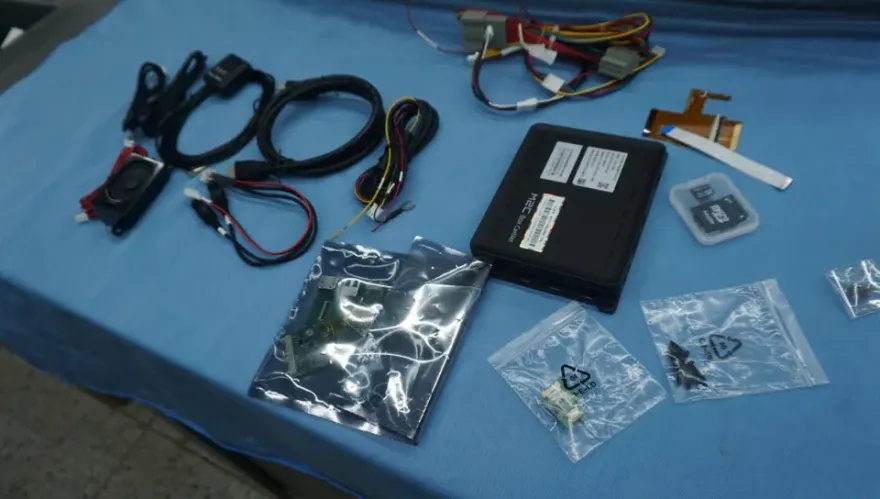
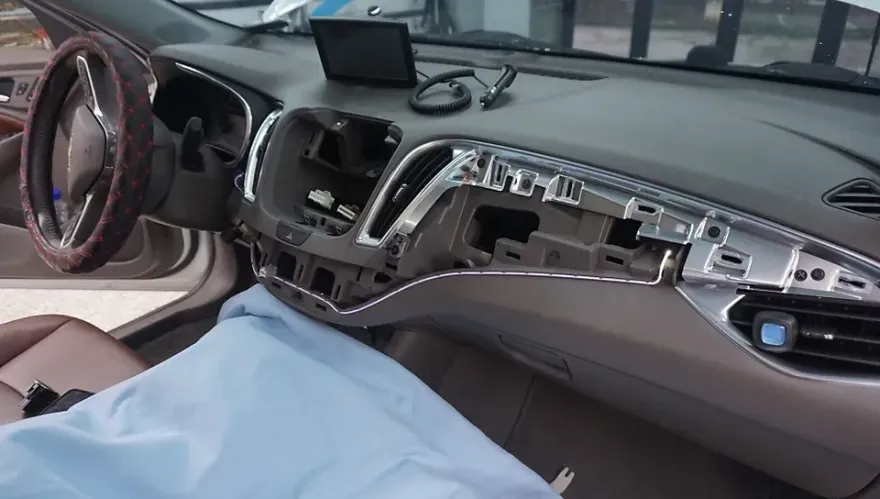
The installation of OEM options, or factory option retrofits, aims to seamlessly integrate new functionalities into your Chevrolet Malibu. For instance, a common upgrade is adding a navigation system to models that didn't come equipped with one. In the Korean market, a popular solution for the All New Malibu involved a 'settop' navigation box (like the M2C 20A) that interfaces with the factory monitor. This process typically takes around 3 to 4 hours. The installation involves carefully removing the factory display, integrating the new navigation module, and meticulously managing all wiring. Crucially, sound-dampening tape is used on all wiring harnesses to prevent rattles and ensure a quiet cabin. The navigation unit itself is usually hidden, often in the glove box area, with accessible ports for USB or SD cards. The goal is a clean, factory-like finish, preserving the original interior look while vastly expanding functionality. This includes retaining the use of the factory reverse camera and even integrating steering wheel controls for the new system.
Before & After: The Benefits of Factory Upgrades
The transformation after installing OEM options can be significant. For a Chevrolet Malibu that lacked built-in navigation, the 'before' state might involve using a cumbersome windshield-mounted GPS device, which can obstruct vision and look untidy. After the installation of a factory-integrated system, the 'after' result is a sleek, unified dashboard. The navigation interface appears directly on the original factory screen, often activated by a simple button press or a sequence on the steering wheel controls. For example, holding the direction button on the steering wheel for two seconds could switch the display to the navigation system. The navigation itself, like the Atlant 3D map mentioned in the Korean context, offers intuitive guidance. Furthermore, many modern retrofit solutions, especially those based on Android, allow for smartphone hotspot connectivity, enabling access to streaming services like Netflix or other apps directly on the car's display. This turns a basic infotainment system into a much more versatile entertainment and information hub. The integration also ensures that existing features, like the reverse camera, continue to function flawlessly, sometimes with added benefits like dynamic parking assist lines that move with the steering angle.
Is it Worth It? Cost, Durability, and Decision Making
The cost for retrofitting OEM options or factory upgrades on a Chevrolet Malibu can vary widely depending on the specific feature. Based on the Korean market example for a navigation system retrofit, costs ranged from approximately 400,000 to 600,000 KRW, which translates to roughly $400–$800 USD. This price reflects the hardware, specialized installation labor, and the enhanced functionality gained. Durability is generally high, as OEM parts are designed to withstand automotive conditions. The lifespan of the installed system itself can be many years, with software updates often available via USB or SD card to keep maps and features current. Maintenance typically involves ensuring the system software is updated periodically. The decision to pursue these upgrades often comes down to necessity and desire. If your Malibu lacks a crucial feature like navigation, or if the factory system is outdated, a retrofit offers a compelling alternative to buying a new vehicle. It's particularly beneficial for owners of lower trim levels who want premium features without the higher initial purchase price. The key is to choose reputable installers who specialize in these types of integrations to ensure a clean, reliable job that avoids electrical issues or interior rattles. Always verify compatibility with your specific Malibu model year and trim before proceeding.
Frequently Asked Questions
Q. How much does OEM option and factory upgrade installation cost for a Chevrolet Malibu?
The cost for retrofitting OEM options like navigation on a Chevrolet Malibu can range from approximately $400 to $800 USD. Specific pricing depends on the chosen features and installation complexity.
Q. How long does OEM options installation take on a Chevrolet Malibu?
The durability of OEM options is generally high, designed for long-term automotive use. Regular software updates via USB or SD card can help maintain optimal performance and map accuracy.
Q. Are OEM options worth adding after purchase for a Chevrolet Malibu?
OEM options are particularly worth it for Chevrolet Malibu owners whose vehicles lack desired features like integrated navigation or advanced infotainment. They offer a cost-effective way to gain premium functionality.
Q. How are OEM factory options installed on a Chevrolet Malibu?
Installation typically involves: 1. Carefully removing the factory display. 2. Integrating the new OEM module or interface. 3. Meticulously routing and securing all wiring with sound-dampening materials. 4. Safely housing the module in an inconspicuous location like the glove box.
Q. What is the difference between dealer-installed options and aftermarket upgrades for a Chevrolet Malibu?
OEM options are parts designed and manufactured by or for the original automaker, ensuring seamless integration, whereas aftermarket upgrades are made by third-party companies and may vary in quality and compatibility. For the best integration and reliability, OEM options are generally preferred.
Q. What should I know before getting OEM Options on a Chevrolet Malibu? (common regrets and mistakes)
The most common regret is choosing an installer who performs sloppy wiring, leading to rattles or electrical issues. Always ensure the installer uses sound-dampening tape and has a proven track record for clean, professional integration.
OhCar Partner Shop