Ford Explorer OEM Options Review: Blind Spot Mirrors
Ford Explorer BSM wide-angle mirror installation. Improves visibility, reduces blind spots. Cost details available.
Ford Explorer Blind Spot Mirrors: Enhancing Your Drive
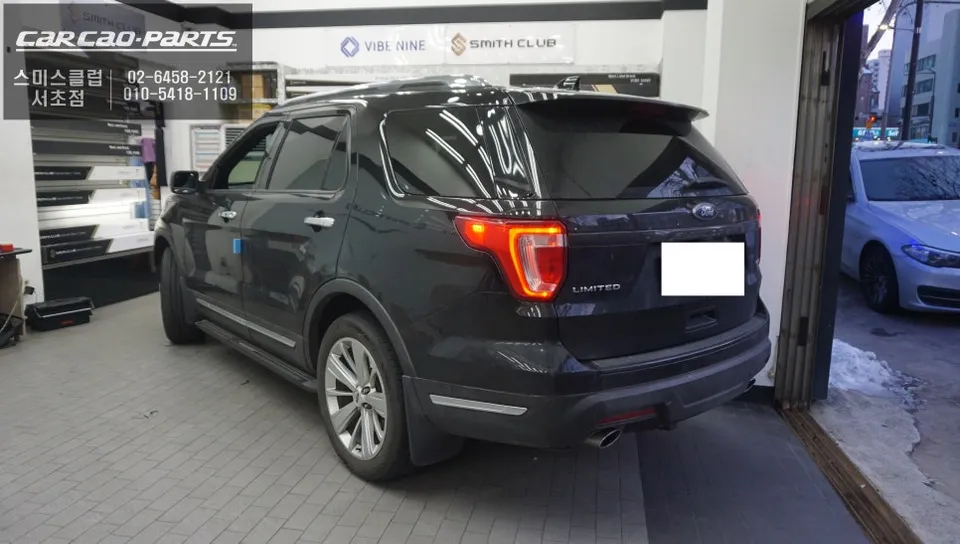
The Ford Explorer, a popular SUV, can sometimes present blind spot challenges. Drivers often experience moments of anxiety when a vehicle disappears from view, especially during lane changes or in busy traffic. This review details the installation of the KakaoParts BSM Wide-Angle Mirror, a factory option retrofit designed to fundamentally address the Explorer's blind spots. This upgrade can even incorporate additional BLIS sensors, significantly boosting driving safety.
Pre-Installation Inspection and Preparation
Before any work begins, a thorough inspection of the existing mirror is crucial. For Ford Explorer 5th and 5.5th generation models, selecting the correct BSM wide-angle mirror requires confirming the current mirror's shape and sensor connections. The installation team carefully examines the area around the mirror, often by lifting the vehicle to access the underside panels. A key aspect is verifying compatibility with the factory BLIS (Blind Spot Information System) sensor. While the stock BLIS sensor is oval, the BSM wide-angle mirror allows for the integration of a more visible, separate sensor lamp, which is a core value of this OEM option.
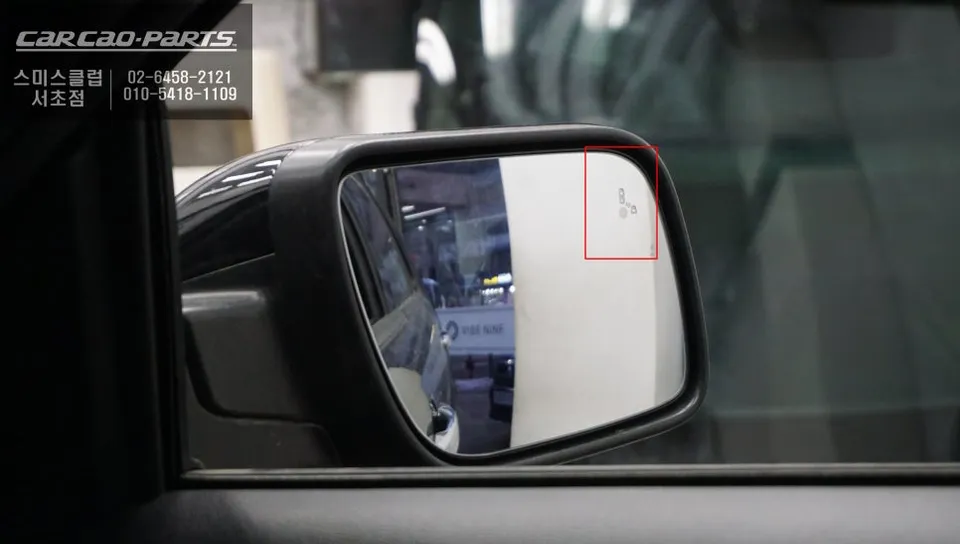
Mirror Removal and Sensor Disconnection
The process starts with carefully removing the original factory mirror. This isn't just about unscrewing bolts; it involves meticulously disconnecting the BLIS sensor, wiring harnesses, and various mounting brackets. Mishandling these components can lead to costly replacements. Once the mirror assembly is detached, the mounting points on the vehicle body are thoroughly cleaned. Removing any old adhesive residue or dust ensures the new mirror will be seated precisely, contributing to the overall quality of the final installation.
Installing the New BSM Wide-Angle Mirror
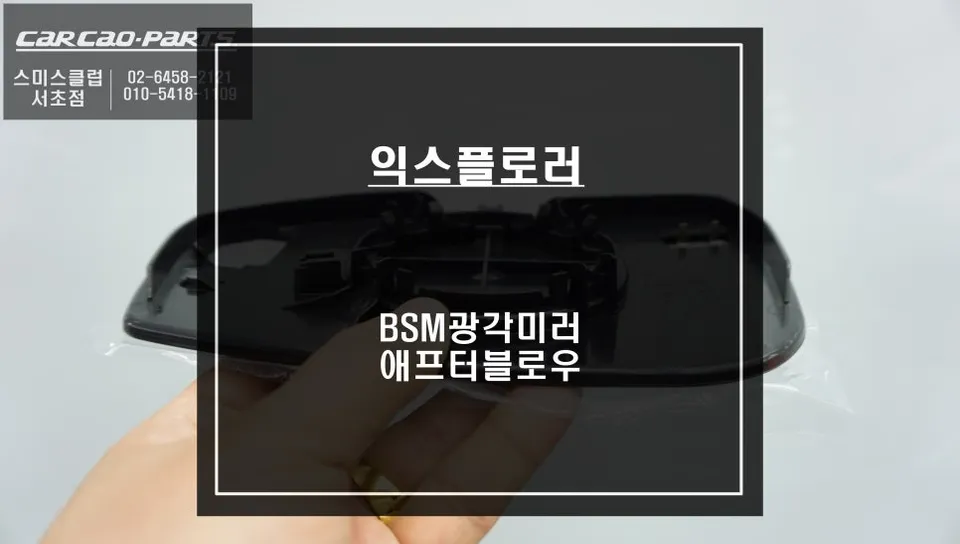
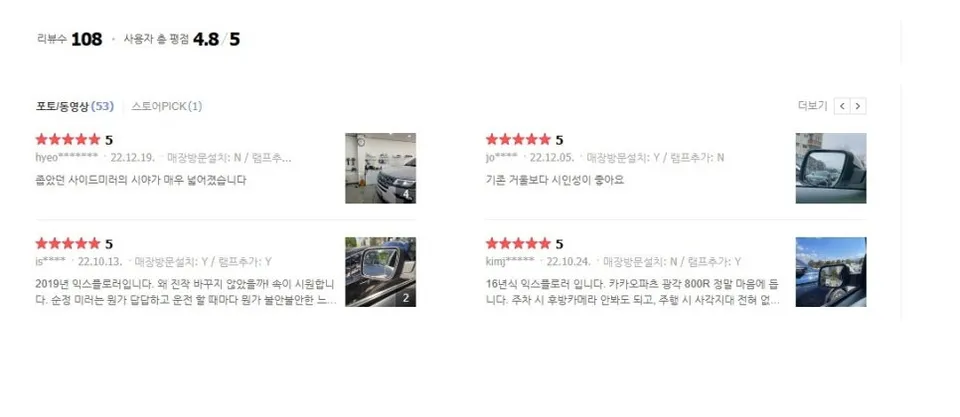
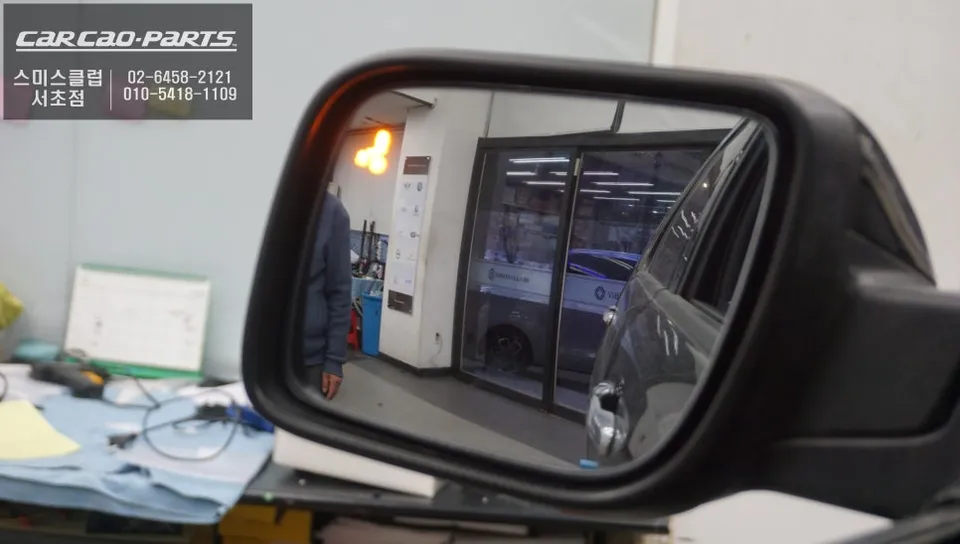
The new KakaoParts BSM wide-angle mirror is prepared for installation. This mirror features an 800R curved glass surface. The '800R' denotes the radius of the curve; a smaller number indicates a more extreme wide-angle curvature. This design significantly expands the field of vision compared to the standard factory mirror. Areas previously hidden in the blind spot, particularly near the rear wheels and diagonally behind the vehicle, become clearly visible. Users consistently report a reduction in anxiety during lane changes and parking maneuvers.
Installation involves carefully reattaching the original BLIS sensor to the new mirror, ensuring all connections are secure to maintain sensor functionality. If the optional BLIS sensor lamp was selected, it is integrated at this stage, providing a sleek LED illumination that complements the vehicle's design, offering a more sophisticated look than the standard oval sensor housing. Proper alignment of the mirror on the vehicle body is critical. The team uses gauges and visual checks to ensure the mirror is level and angled correctly, guaranteeing optimal positioning.
Electrical System Check and Final Testing
With the new mirror physically installed, the next step is to test the electronic mirror adjustment motor. The team verifies that the mirror moves smoothly up, down, left, and right. Crucially, they also test the BLIS sensor's audible warning system to ensure it functions correctly. For the Ford Explorer, other integrated features like the auto-folding side mirrors when the ignition is turned off and the auto-tilting mirrors when reversing are also checked to confirm they operate as expected. Only when all these functions are confirmed to be working properly is the installation considered complete.
Results: Enhanced Visibility and Safety
After the BSM wide-angle mirror installation, the Ford Explorer offers a significantly safer driving experience. The elimination of blind spots is remarkable. Areas that were previously invisible with the stock mirrors are now clearly in view, providing drivers with greater confidence and awareness on the road. This factory option retrofit is a worthwhile investment for any Explorer owner prioritizing safety and a more relaxed driving experience.
Frequently Asked Questions
Q. How much does OEM option and factory upgrade installation cost for a Ford Explorer?
The cost for this specific OEM option retrofit in Korea was approximately 250,000 KRW (around $180 USD). Typical US dealer option retrofit costs can range from $200 to $500 depending on the specific feature.
Q. How long does OEM options installation take on a Ford Explorer?
This blind spot mirror upgrade typically takes about 1-2 hours to install. The wide-angle mirrors are generally durable, requiring minimal maintenance beyond regular cleaning with glass cleaner.
Q. Are OEM options worth adding after purchase for a Ford Explorer?
Yes, OEM options like the BSM wide-angle mirrors are worth it for Ford Explorer owners who frequently drive in traffic or are concerned about blind spots. They offer a significant safety enhancement and peace of mind.
Q. How are OEM factory options installed on a Ford Explorer?
Installation involves carefully removing the original mirror, disconnecting sensors and wiring, cleaning the mounting area, attaching the new wide-angle mirror with its integrated sensors, and reconnecting all electrical components. Finally, a full system test is performed.
Q. What is the difference between dealer-installed options and aftermarket upgrades for a Ford Explorer?
Dealer-installed options, like these OEM mirrors, are designed and tested by the manufacturer for seamless integration and often maintain warranty coverage. Aftermarket upgrades are made by third-party companies and may vary in quality and compatibility, potentially affecting your vehicle's warranty.
Kakao Parts