Ford Explorer 360 Camera Install Review
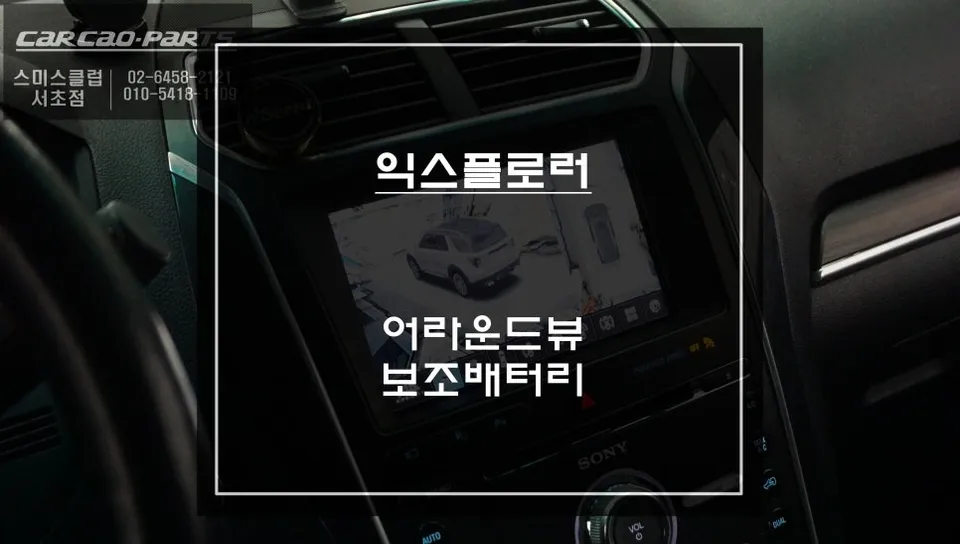
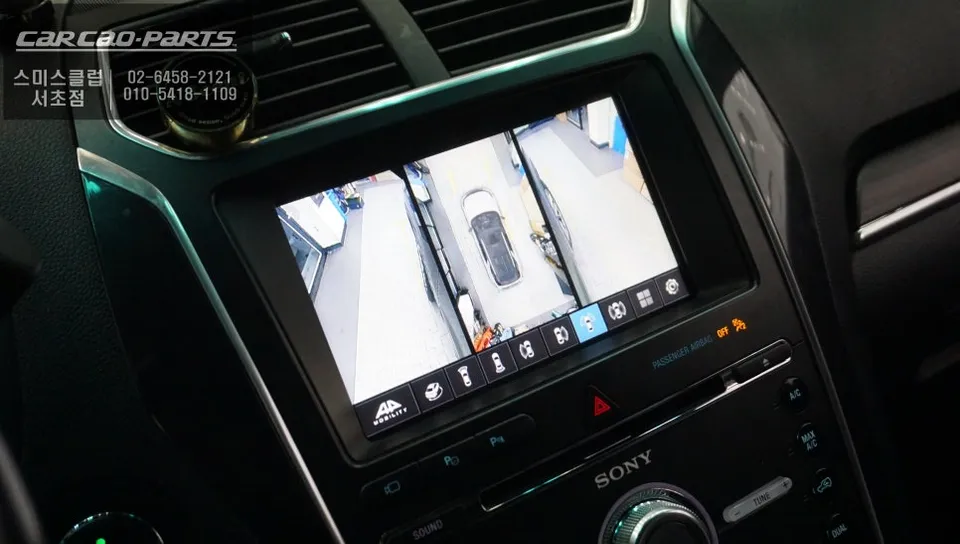
Ford Explorer 360 camera retrofit: KRW 1.2M-1.5M (approx. $900-$1100 USD). Achieves seamless integration and accurate bird's-eye view.
Why a Surround View Camera is Essential for Large SUVs like the Ford Explorer
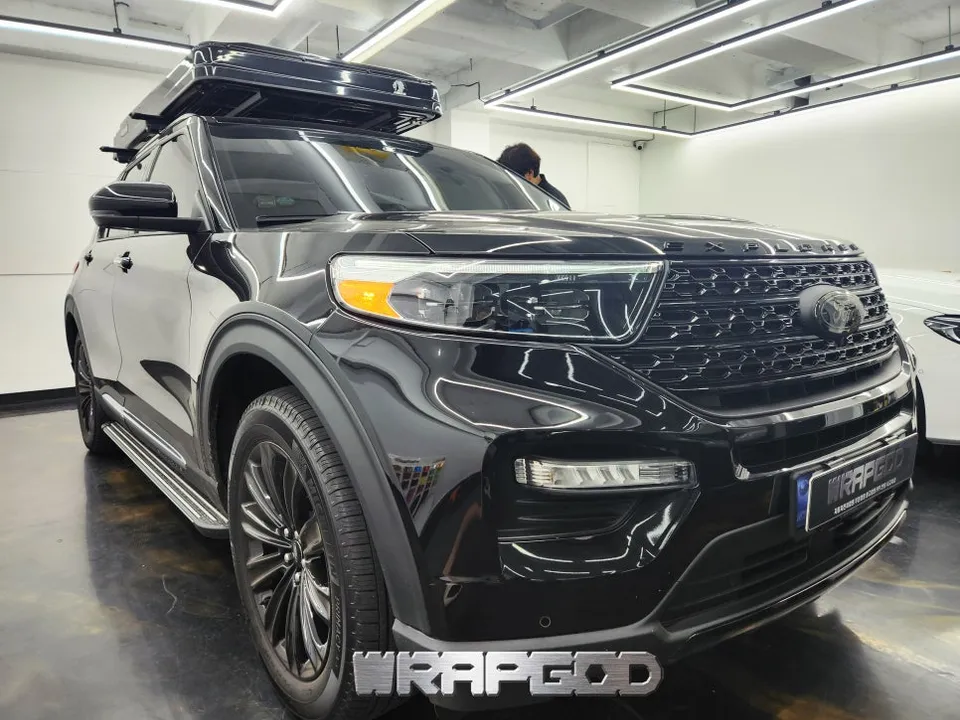
Vehicles like the Ford Explorer, with their substantial size, present significant blind spots not just in the front and rear, but also along the sides. This can make navigating tight urban environments, narrow alleyways, or underground parking garages a challenge. The 5.5-generation Ford Explorer surround view camera system installation we're reviewing here aims to solve this by providing a clear, 360-degree view of the vehicle's surroundings. This upgrade, featuring a high-resolution, four-channel camera system that integrates seamlessly with the factory display, promises to deliver a true safety enhancement through precise calibration.
Expertise in Import Car Electronics Installation
The installation was performed by 'Today's Car Seoul', a specialist in import car electronics tuning. They possess extensive experience, particularly in integrating surround view cameras, dashcams, and other smart automotive systems. Their background with various import brands, including Ford, BMW, and Mercedes-Benz, means they develop and install custom interfaces that ensure perfect compatibility, going beyond simple part fitting to guarantee a fully integrated experience.
Seamless Integration with the Factory Display
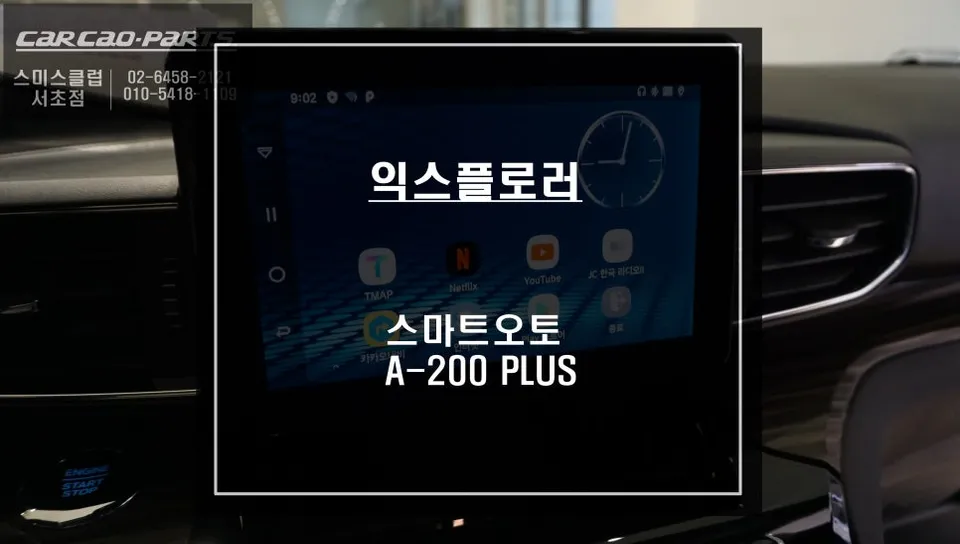
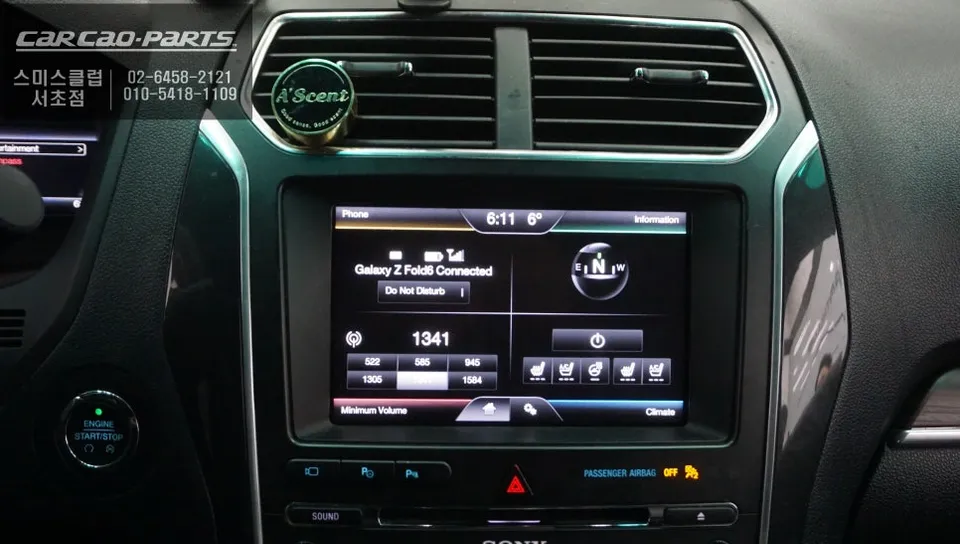
A key aspect of this Ford Explorer surround view camera installation is its use of the original factory monitor. Unlike many aftermarket solutions that add separate screens, 'Today's Car Seoul' utilizes a dedicated interface module to ensure the system works harmoniously with the existing setup. This means the display automatically switches views without any jarring transitions, preserving the vehicle's original aesthetic and user experience. Achieving this seamless integration requires more than just connecting cameras; it involves developing a vehicle-specific interface module and configuring CAN/UART communication protocols. This ensures the system integrates naturally with the existing menu structure, allowing for intuitive operation without a steep learning curve.
Precision Installation of 1080P High-Resolution Cameras
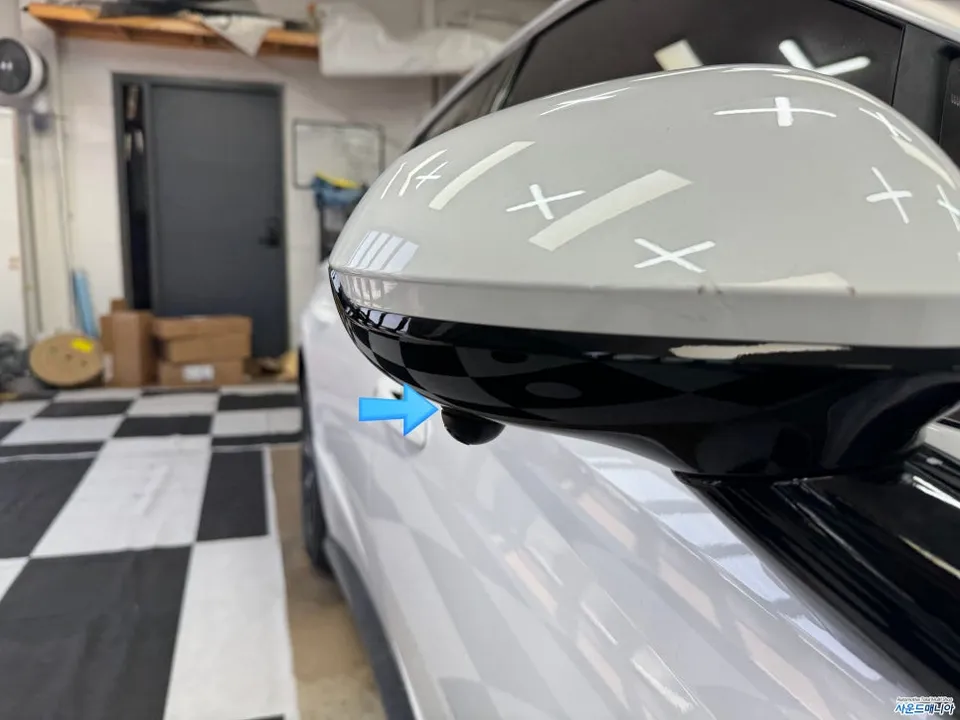
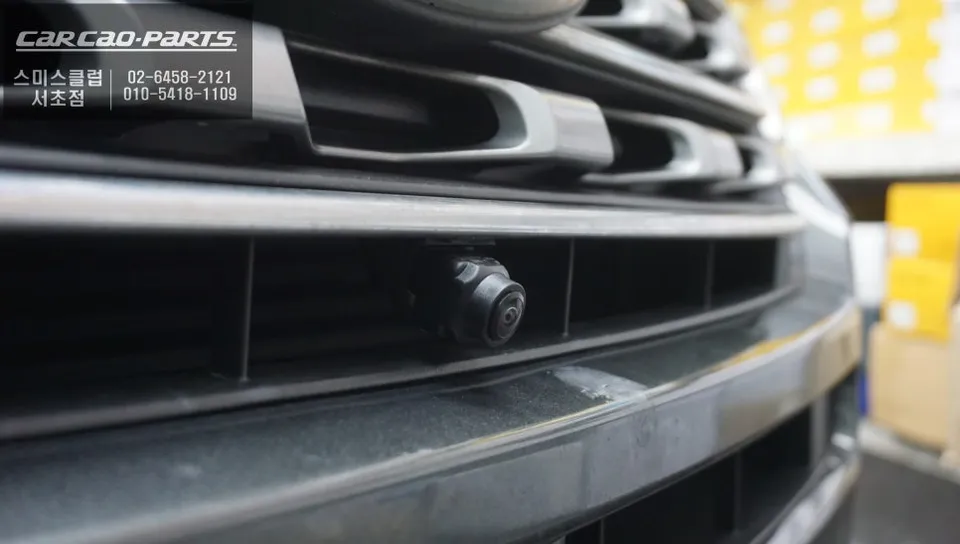
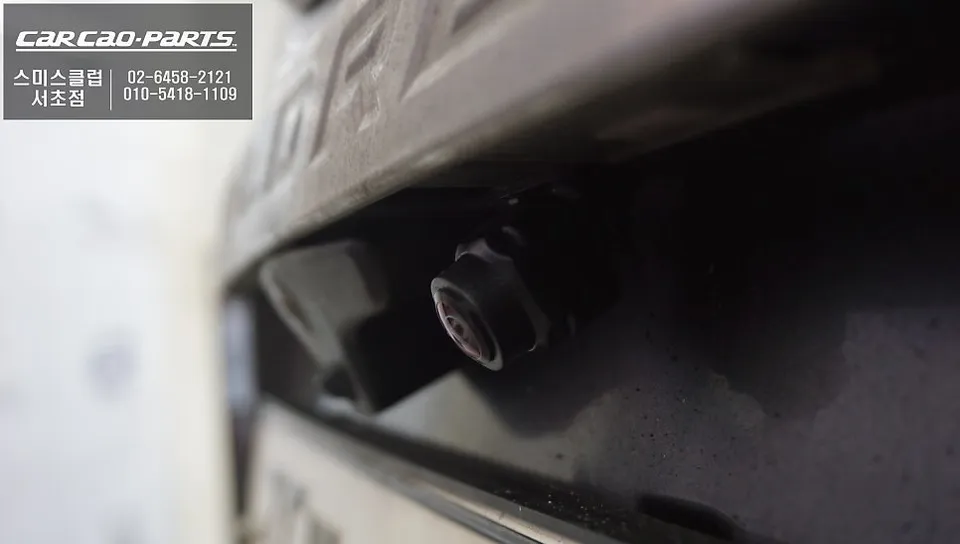
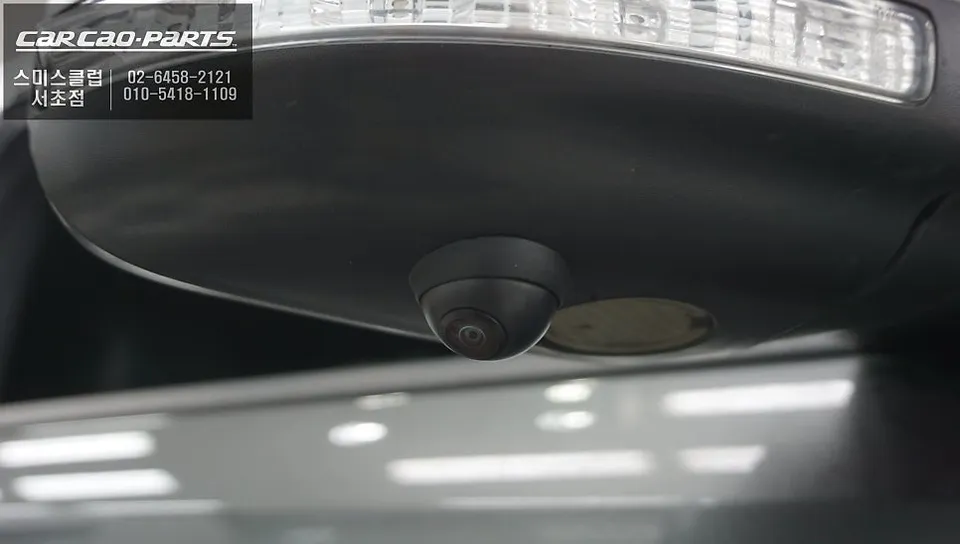
The quality of a surround view camera system heavily depends on the accuracy of the camera placement. 'Today's Car Seoul' meticulously installs 1080P high-resolution cameras at the front, rear, and both sides, ensuring each is positioned according to the vehicle's specific design. This isn't just about sticking cameras on; it involves considering the vehicle's height, camera angles, and even the position of the side mirrors to minimize image distortion. Each camera lens has unique wide-angle and focal length properties, and manufacturers recommend specific angles and distances. Ignoring these details during installation can make proper calibration impossible later. Precise initial installation is the most critical step in determining the overall quality of the surround view system.
Calibration: The Crucial Step for Surround View Accuracy
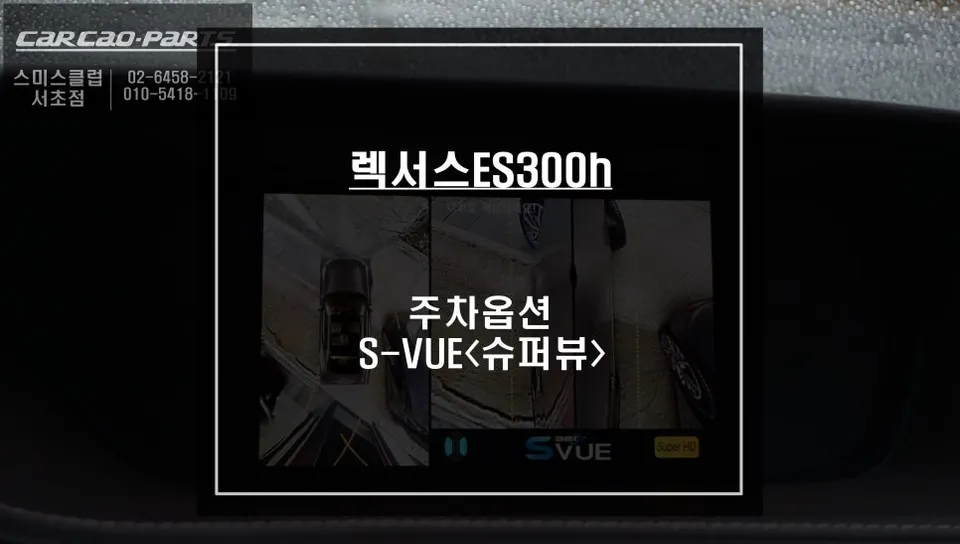
Simply installing the cameras doesn't complete the surround view system. The core functionality lies in stitching the four camera feeds into a single, cohesive top-down (bird's-eye) view. This requires a precise calibration process using a special pattern mat placed around the vehicle. The primary goal of calibration is to ensure that the vehicle's position on the screen accurately reflects its real-world position. Inaccurate calibration can lead to dangerous situations, such as appearing to have ample space when an object is actually very close, incorrect parking alignment due to misaligned parking lines, or misjudging distances because of skewed boundary lines.
Why Calibration Matters Significantly for the Ford Explorer
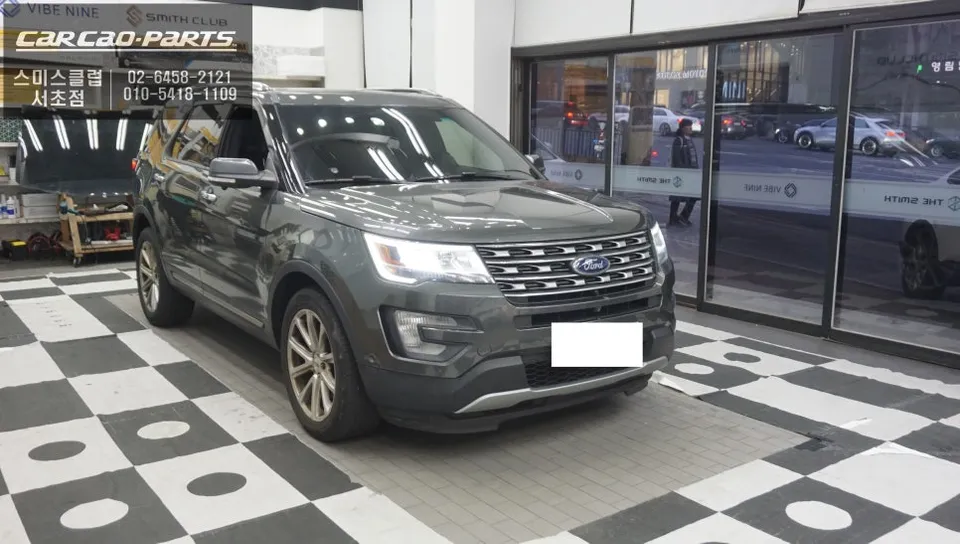
For a large SUV like the Ford Explorer, even a few centimeters of error in calibration can be perceived as a significant issue by the driver. The longer the vehicle and the greater its wheelbase, the more pronounced the discrepancy between the on-screen representation and reality becomes. Therefore, investing adequate time in the calibration process is paramount for larger vehicles. 'Today's Car Seoul' dedicates sufficient time and uses specialized patterns to achieve a true 360-degree surround view, accounting for factors like vehicle angle and ground inclination during the calibration.
Installation Process:
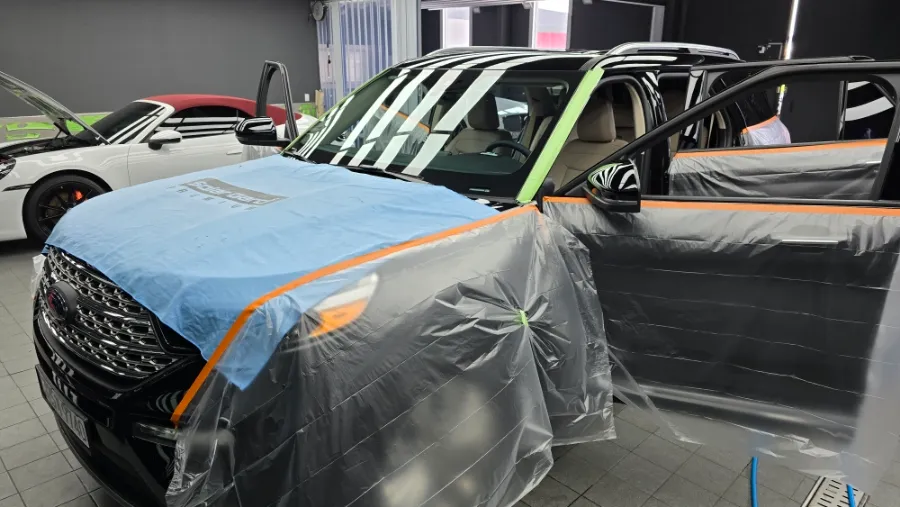
- Precise Camera Mounting: Cameras are carefully positioned on the front, rear, and sides of the Ford Explorer, considering vehicle contours and angles to minimize distortion.
- Interface Module Integration: A specialized interface module is installed to connect the cameras to the factory infotainment system.
- System Calibration: A calibration pattern is laid out, and specialized software is used to precisely align the four camera views into a seamless bird's-eye perspective, ensuring accurate real-world representation.
Frequently Asked Questions
Q. How much does a 360 camera installation cost for a Ford Explorer?
The installation reviewed in Korea cost approximately 1.2 to 1.5 million KRW (roughly $900 to $1100 USD). Typical US pricing for a professional aftermarket 360 camera installation can range from $800 to $2000, depending on the system and vehicle.
Q. How long does a surround view camera installation take on a Ford Explorer?
While the review doesn't specify the exact duration, a professional surround view camera installation, including calibration, typically takes between 4 to 8 hours. Proper maintenance involves keeping the camera lenses clean from dirt and debris, which can be done with a soft cloth during regular car washes.
Q. Is an aftermarket 360 camera worth it for a Ford Explorer?
An aftermarket 360 camera system is highly beneficial for drivers who frequently navigate tight spaces or want to significantly reduce blind spots on their large SUV. The enhanced visibility and parking assistance it provides offer substantial value for improving safety and reducing the risk of minor collisions.
Q. How is a surround view camera system installed on a Ford Explorer?
Installation involves precisely mounting four high-resolution cameras (front, rear, sides), integrating a specialized interface module with the factory display, and performing a critical calibration process using a pattern mat to ensure accurate image stitching and a seamless bird's-eye view.
Q. What is the difference between OEM and aftermarket surround view cameras for a Ford Explorer?
OEM systems are factory-integrated and often come standard or as an option from the manufacturer, offering seamless integration but limited availability on older models. Aftermarket systems, like the one reviewed, provide a retrofit solution that can be installed on most vehicles, offering comparable functionality and often a more cost-effective option, though integration complexity can vary.
Kakao Parts