Ford Explorer Window Tinting Review — Cost & Results
Service Price
$75–115
Estimated price · Actual price may vary by shop
Before
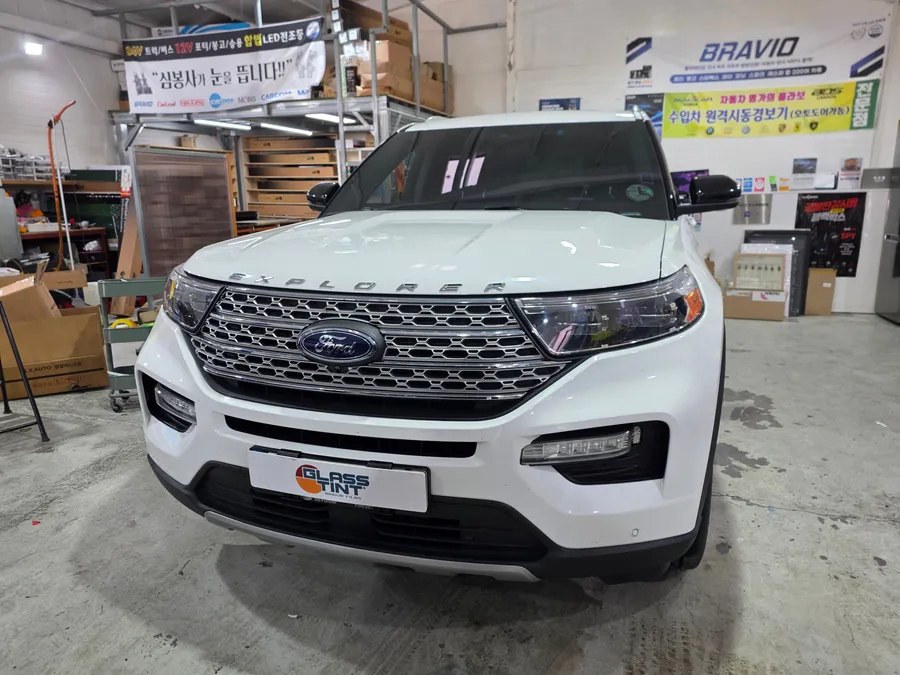
After
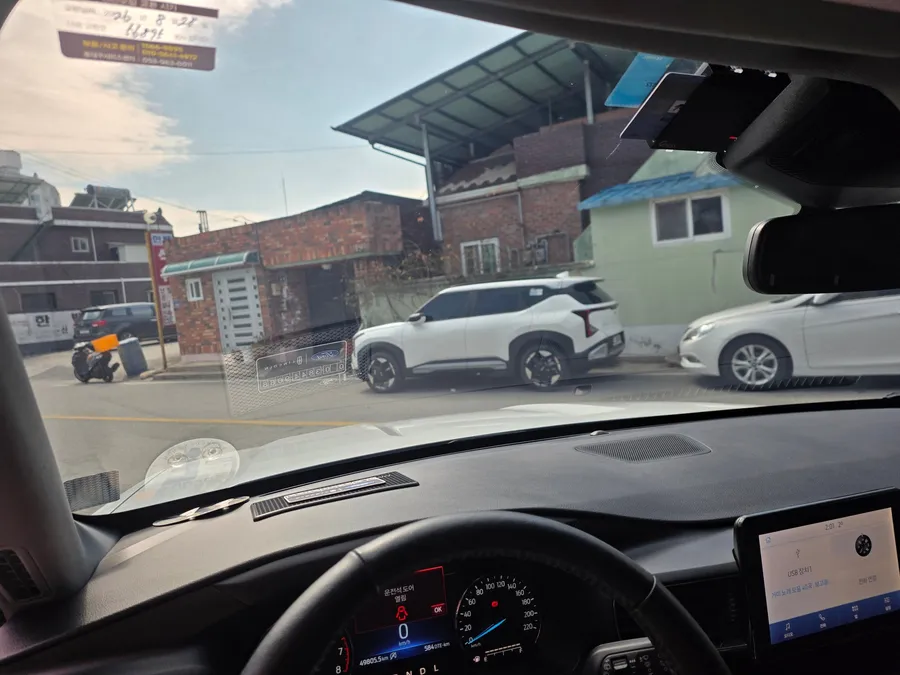
Process photos
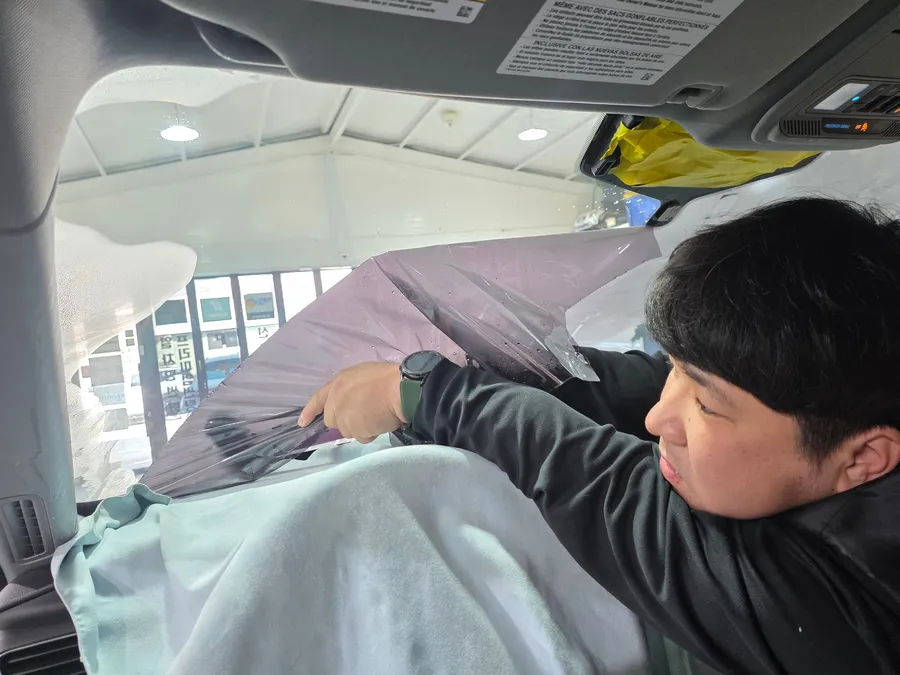
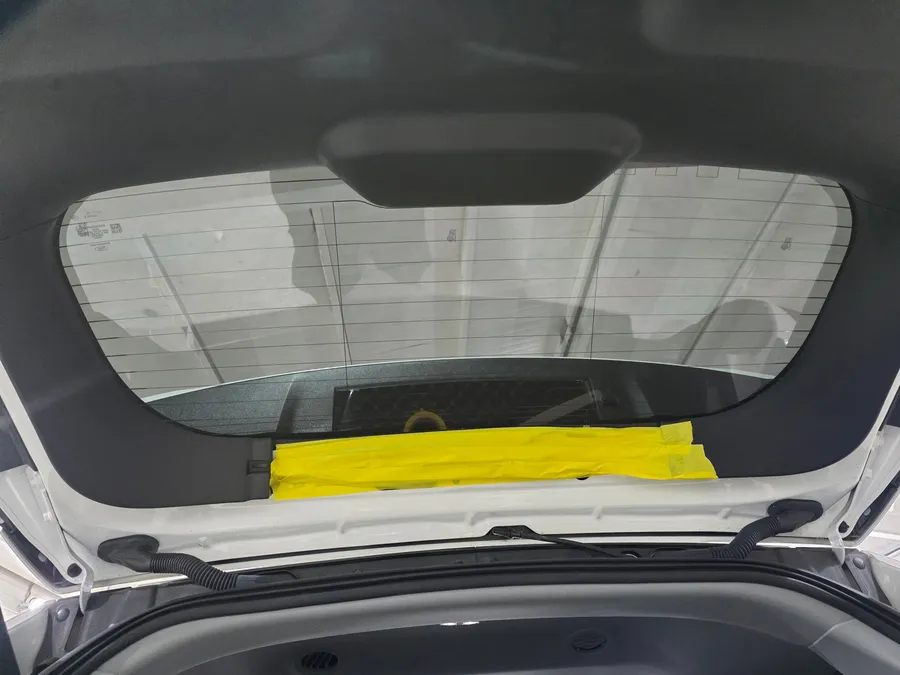
Ford Explorer window tinting re-application: Glass Tint Santana installed for $75–115 (approx. KRW 100,000-150,000). Improved heat rejection & clarity
Ford Explorer Window Tinting Re-application: Why It's Necessary
When the weather suddenly heats up, inquiries about re-applying car window tint often surge. This review details a Ford Explorer owner's experience with a full tint re-application, covering everything from the removal of old film to the meticulous installation of new heat rejection film. The owner decided to re-tint their Explorer, just one year after purchase, because the dealer-applied film wasn't effectively blocking the intense summer heat. Many car owners face similar issues, finding their existing tint inadequate for strong sunlight, or noticing problems like discoloration and bubbling over time, which can impair visibility and compromise safe driving. Window tinting is more than just an aesthetic upgrade; it directly impacts driver comfort and safety. In summer, it's crucial for protecting occupants from harsh UV rays and heat, helping to keep the cabin cooler and improving air conditioning efficiency. Choosing the right film based on your vehicle and needs is therefore essential.
The Importance of Meticulous Film Removal and Glass Preparation
The first step in any tint re-application is the careful removal of the old film. This is especially critical for rear windows, which have defroster lines. Cheaper or older films can sometimes adhere to these lines, risking damage and costly repairs if the defroster functionality is compromised. Fortunately, this Ford Explorer, being only a year old, allowed for safe removal without damaging the defroster. However, for vehicles over ten years old, the risk of defroster damage increases significantly, making the skill of an experienced professional paramount. At the facility where this service was performed (Ogadai Car in Geochang, South Korea), a high-pressure steam machine is used to gently soften the film before removal, minimizing risks. After film removal, thoroughly cleaning the glass to eliminate any sticky residue is vital. Leftover adhesive can compromise the new tint's adhesion, leading to bubbles or peeling over time, ultimately degrading the quality of the installation. The process involves using specialized cleaners and scrapers to remove all traces of old glue, followed by a degreasing process to ensure the glass is perfectly prepped for optimal film bonding. This meticulous preparation is key to achieving a clear, bubble-free finish with excellent visibility.
Glass Tint Santana Installation and Results
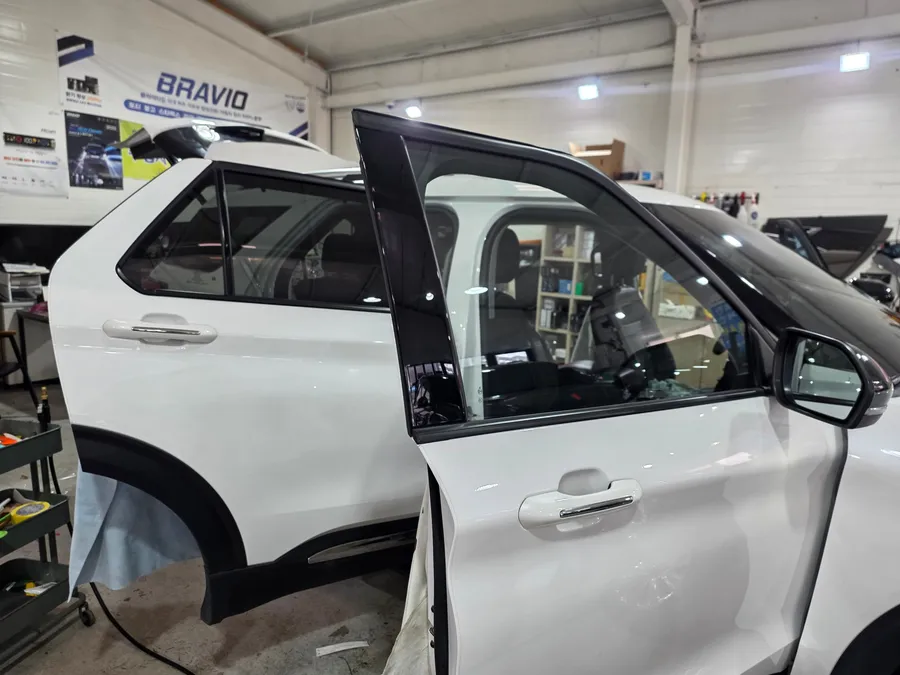
Following the thorough glass preparation, the new window tinting was applied. This specific installation used 'Glass Tint Santana' film, known for its excellent heat rejection capabilities and clear visibility, making it a popular choice among car owners. The film's durable, glossy black finish also enhances the vehicle's premium appearance. The entire process, including the removal of the old tint and the application of the new Glass Tint Santana film across the front, first row, second row, and rear windows, took approximately 3 to 4 hours. The result is a Ford Explorer with significantly improved interior comfort due to better heat and UV protection, alongside a sleeker look.
Installation Process:
- Careful removal of existing window film using specialized tools and steam.
- Thorough cleaning of all glass surfaces to remove adhesive residue and contaminants.
- Precise cutting and application of the new Glass Tint Santana film.
- Final inspection to ensure a flawless finish and optimal clarity.
This re-application not only addresses the functional need for better heat rejection but also restores the vehicle's aesthetic appeal, demonstrating the value of professional window tinting services.
Frequently Asked Questions
Q. How much does window tinting cost for a Ford Explorer?
This Ford Explorer tint re-application cost approximately 100,000-150,000 KRW (roughly $75–115 USD). Typical professional window tinting for a Ford Explorer in the US can range from $200 to $500 depending on the film type and number of windows.
Q. What tint percentage is legal for a Ford Explorer?
Legality of tint percentages varies by state in the US and region in the UK; always check local regulations. High-quality tint films, like ceramic tint, can last 10-15 years or more with proper care, which mainly involves gentle cleaning with ammonia-free solutions.
Q. Is ceramic tint worth the extra cost for a Ford Explorer?
Ceramic tint is highly recommended for its superior heat rejection and UV protection without significantly darkening the windows, making it ideal for drivers prioritizing comfort and protection. While often more expensive upfront, its durability and performance benefits offer excellent long-term value.
Q. How is window tint installed on a Ford Explorer?
Installation begins with meticulously cleaning the glass and removing any old tint and adhesive. The new film is then precisely cut to size, applied to the interior of the glass using a slip solution, and squeegeed to remove excess liquid and air bubbles. Finally, the edges are trimmed, and the tint is allowed to cure.
Q. What is the difference between ceramic and dyed window tint for a Ford Explorer?
Dyed window tint primarily offers privacy and some UV blocking by embedding dye into the film, but its heat rejection is limited and can fade over time. Ceramic tint uses non-metallic ceramic particles to block heat and UV rays effectively without obstructing signals, offering superior performance and longevity.
OhCar Partner Shop
More window tinting Reviews
See all →
More Ford Reviews
Pair with Another Service
Protect paint while you're at the shop
Add gloss and protection