Genesis G70 Interior Customization Review: Sporty Carbon Accents
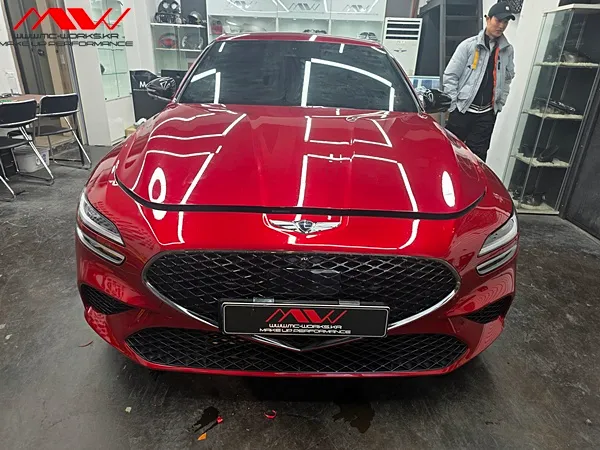
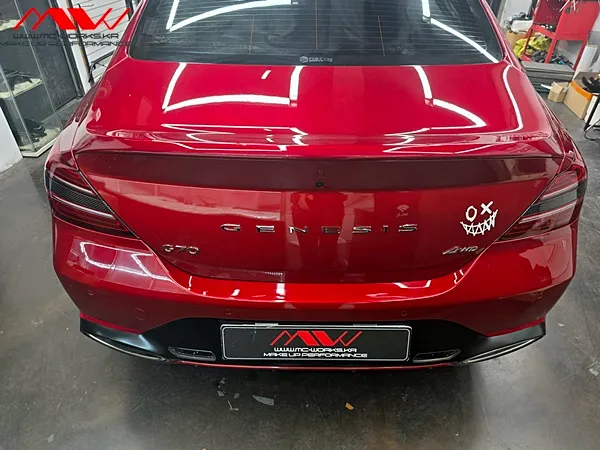
Genesis G70 interior customization with carbon hydrographics: cost varies, expect 3-5 year durability. Enhances sporty look.
Elevate Your Genesis G70 with Custom Interior Accents
For Genesis G70 owners looking to inject more personality and a sportier feel into their Blazing Red vehicle, custom interior accents, particularly through carbon fiber hydrographics (water transfer printing), offer a compelling solution. This process can transform subtle details into striking features, creating a cohesive and premium aesthetic. This review explores a specific case of interior customization on a Genesis G70, detailing the application, expected results, and considerations for potential owners.
Where Can You Apply Carbon Fiber Customization?
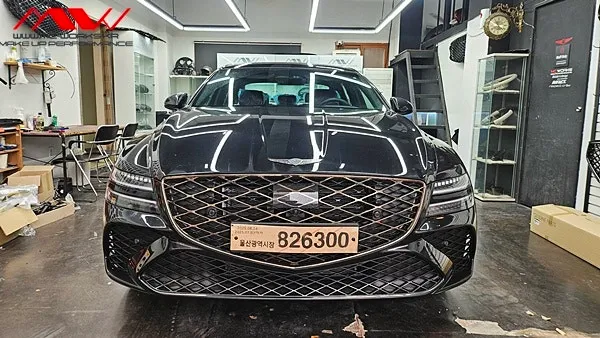
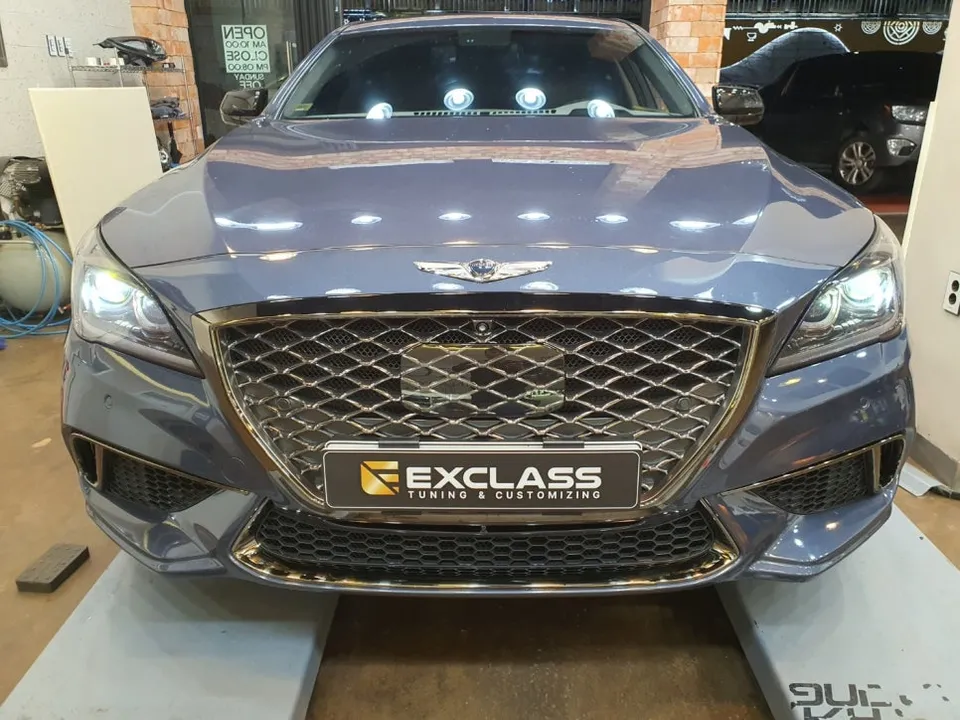
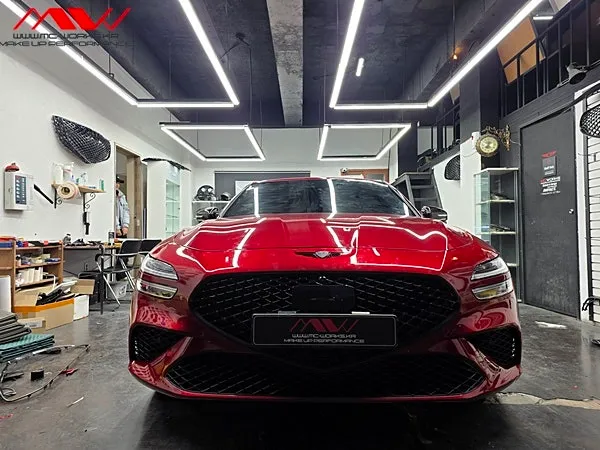
The Genesis G70, especially in a vibrant color like Blazing Red, can benefit immensely from the addition of carbon fiber elements. This customization isn't just about aesthetics; it's about refining the vehicle's sporty character. In the featured G70, carbon hydrographics were applied to various components, including the front emblem, grille, rear lettering, muffler tips, fuel filler cap, and fender accents. The front emblem was updated to a sleeker design reminiscent of the Magma concept car. The carbon grille pattern seamlessly integrates with any exterior color, adding a unified and sporty appeal that surpasses traditional chrome finishes. A crucial aspect of this customization is applying the hydrographic film directly onto genuine parts, rather than simply sticking on a carbon-patterned overlay. This ensures a flawless finish and avoids potential functional issues, such as signal interference that can occur with adhesive carbon on components like the shark fin antenna.
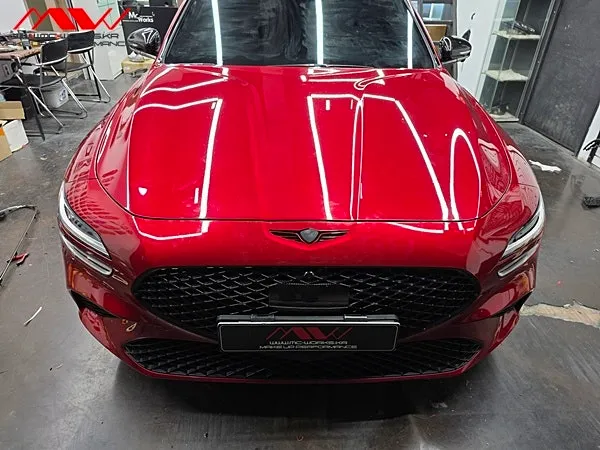
Detailed Look at the Carbon Fiber Customization
The customization extends to the vehicle's side fender garnishes, where a two-tone combination of the original silver accent and carbon fiber pattern creates a dynamic, sporty look. This subtle yet sophisticated touch exemplifies effective vehicle tuning. The rear muffler tips also received a carbon fiber treatment, finished with heat-resistant paint to enhance durability and further amplify the car's sporty stance. Chrome lettering on the rear was replaced with a gloss black finish for a cleaner, more unified appearance. Previously completed carbon hydrographic work on the taillight moldings and side mirror covers remained in excellent condition, attesting to the quality of the application. Even the fuel filler cap was hydrographically treated on the genuine part, ensuring a perfect fit and a seamless finish. Utilizing genuine parts for this 1:1 replacement method ensures the customized elements integrate flawlessly with the vehicle, enhancing its overall value beyond a simple cosmetic upgrade.
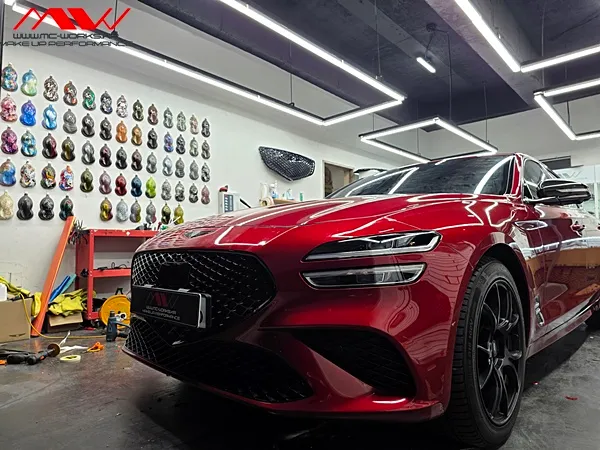
Your Guide to a Personalized G70 with Carbon Accents
Carbon fiber hydrographics offer an effective way to make your Genesis G70 stand out. If you're aiming to enhance its sporty appeal or find the standard chrome trim a bit understated, this type of customization is worth considering. The process involves several key steps to achieve a durable and high-quality finish:
- Surface Preparation: The genuine vehicle part is thoroughly cleaned and prepped to ensure optimal adhesion of the primer and base coat.
- Hydrographic Film Application: A specialized carbon fiber pattern film is floated on water, and the prepped part is carefully dipped through the film, transferring the pattern onto the surface.
- Clear Coating: Multiple layers of a high-quality automotive clear coat are applied to protect the carbon fiber pattern from UV rays and physical damage.
- Curing and Finishing: The coated parts are allowed to cure properly, followed by any necessary polishing for a high-gloss finish.
The durability of the finish typically lasts 3-5 years with proper care. While exact costs vary based on the extent of the customization and specific parts involved, such work in Korea can range from hundreds of thousands of Korean Won, potentially translating to several hundred US dollars. The installation time is usually completed within a single day, taking approximately 3-5 hours depending on the number of components being treated.
Frequently Asked Questions
Q. How much does interior customization cost for a Genesis G70?
The cost for this type of carbon fiber hydrographic customization on a Genesis G70 can range from hundreds of thousands of Korean Won (approximately $200-$500+ USD depending on scope). Actual pricing depends heavily on the specific parts and complexity of the application.
Q. How long does interior customization take for a Genesis G70?
This type of interior customization, like carbon hydrographics, is typically completed within a single day, often taking 3-5 hours. The finish is generally durable for 3-5 years with proper maintenance, such as regular cleaning with mild automotive soap and avoiding abrasive materials.
Q. Is interior customization worth it for a Genesis G70?
Interior customization, especially with carbon fiber accents, is worth it for Genesis G70 owners seeking a more personalized and sporty aesthetic. It's particularly beneficial for those who find the standard trim lacking in visual excitement or want to complement a vibrant exterior color.
Q. What does interior customization include for a Genesis G70?
Interior customization for a Genesis G70, as demonstrated with carbon hydrographics, involves applying a carbon fiber pattern to various genuine parts. The installation process includes: 1. Thorough cleaning and preparation of the original part. 2. Dipping the part into water with a floated carbon fiber film to transfer the pattern. 3. Applying multiple layers of protective clear coat. 4. Curing and finishing the part for a high-gloss, durable result.
Q. What is the difference between seat covers and full upholstery for a Genesis G70?
Seat covers are protective layers that fit over your existing seats, offering a simpler and often more affordable way to change appearance or protect the original upholstery. Full upholstery involves removing and replacing the original seat fabric or leather with new material, providing a more integrated and premium transformation, but at a higher cost and complexity.
OhCar Partner Shop