Genesis G80 Sport Interior Customization Review — Cost
Service Price
$40–80
Estimated price · Actual price may vary by shop
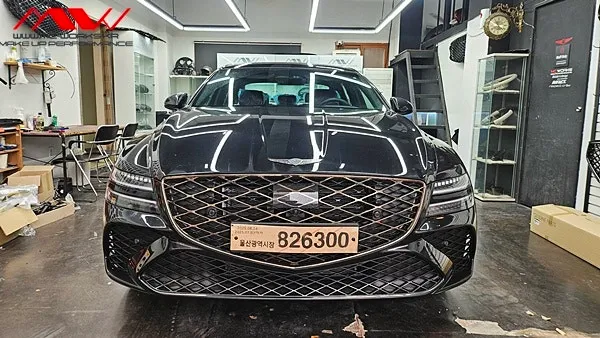
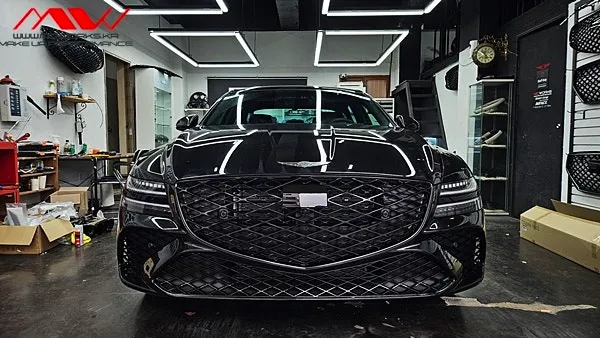
Genesis G80 Sport interior customization with carbon fiber hydrographics starts around $220-$250 USD, enhancing sporty appeal with a durable, all-blac
Elevate Your Genesis G80 Sport with a Custom Carbon Fiber Interior
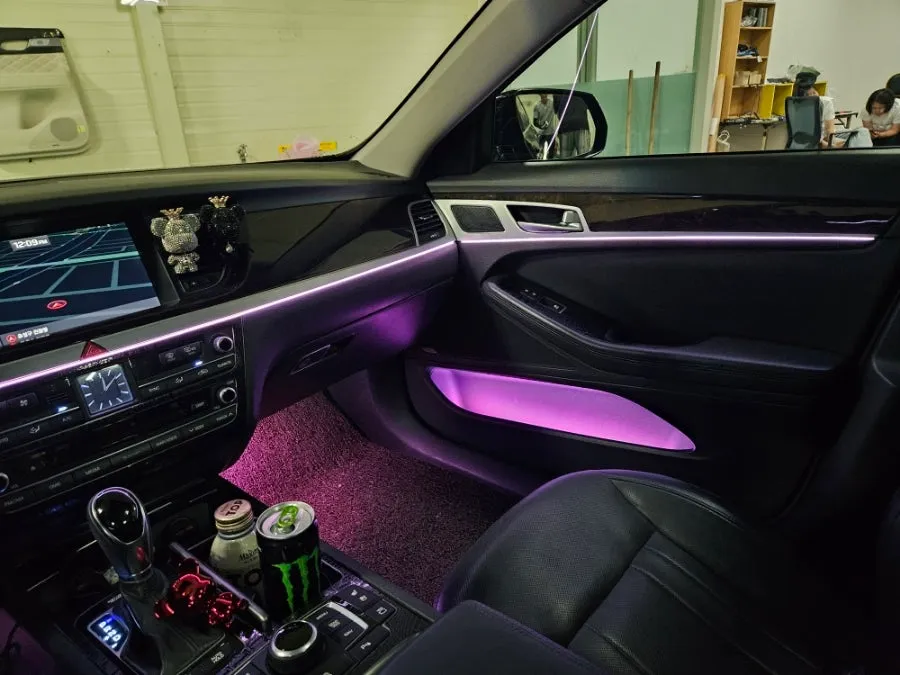
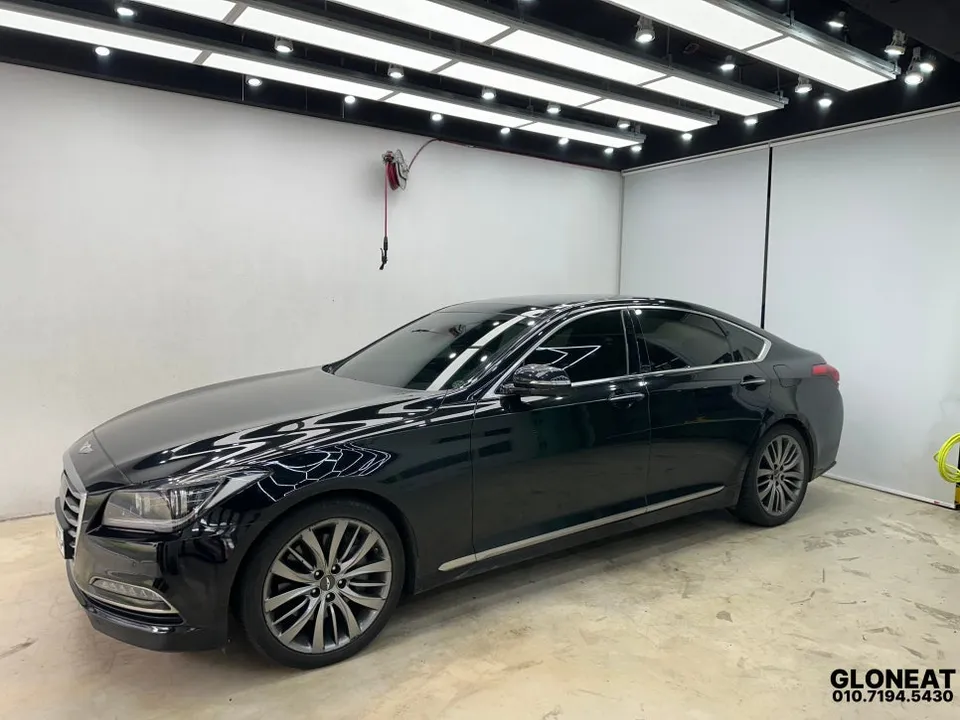
For Genesis G80 Sport owners looking to amplify their vehicle's already sporty aesthetic, interior customization offers a compelling way to achieve a more unified and sophisticated look. While the G80 Sport often comes with subtle dark chrome accents, some owners desire a more aggressive, all-black theme. This review explores a popular interior customization service: carbon fiber hydrographic (water transfer printing) application, focusing on how it can transform the G80 Sport's cabin, its installation process, and what to expect in terms of results and durability. This specific transformation was performed in Korea, offering insights into a service popular in the automotive aftermarket scene there.
The All-Black Carbon Fiber Transformation
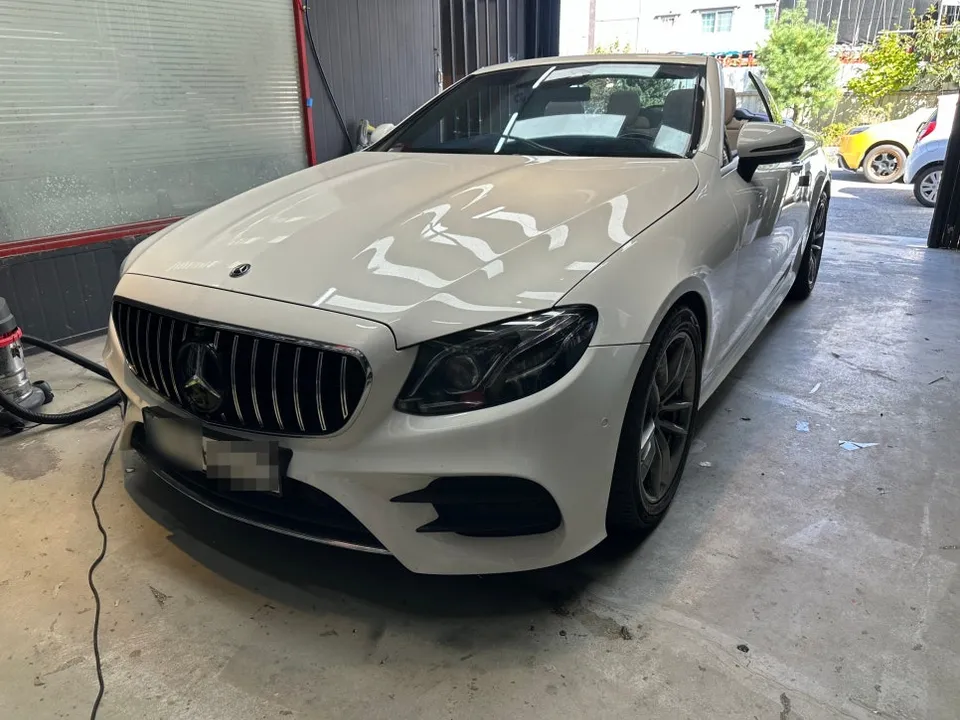
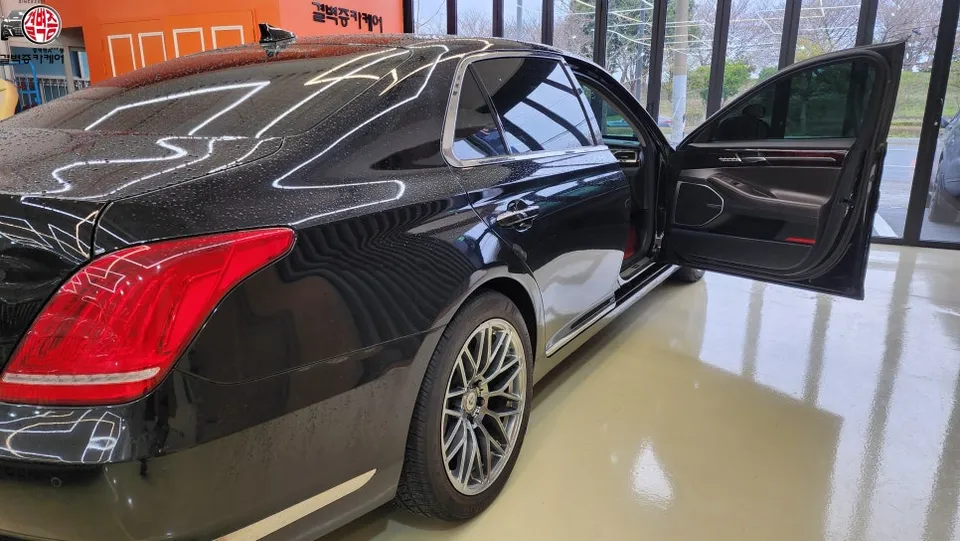
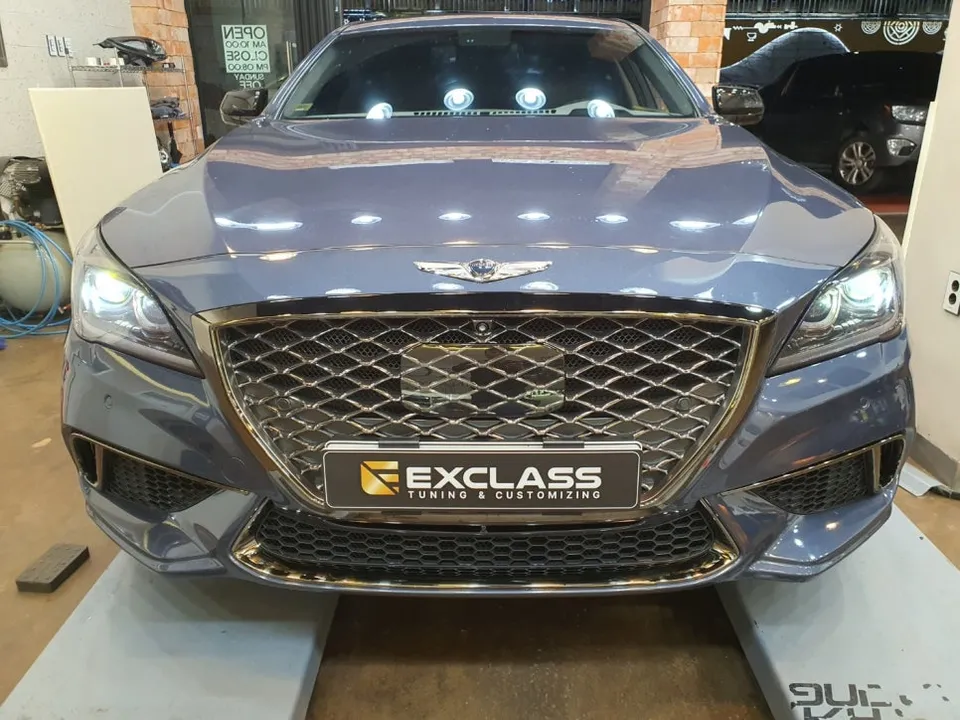
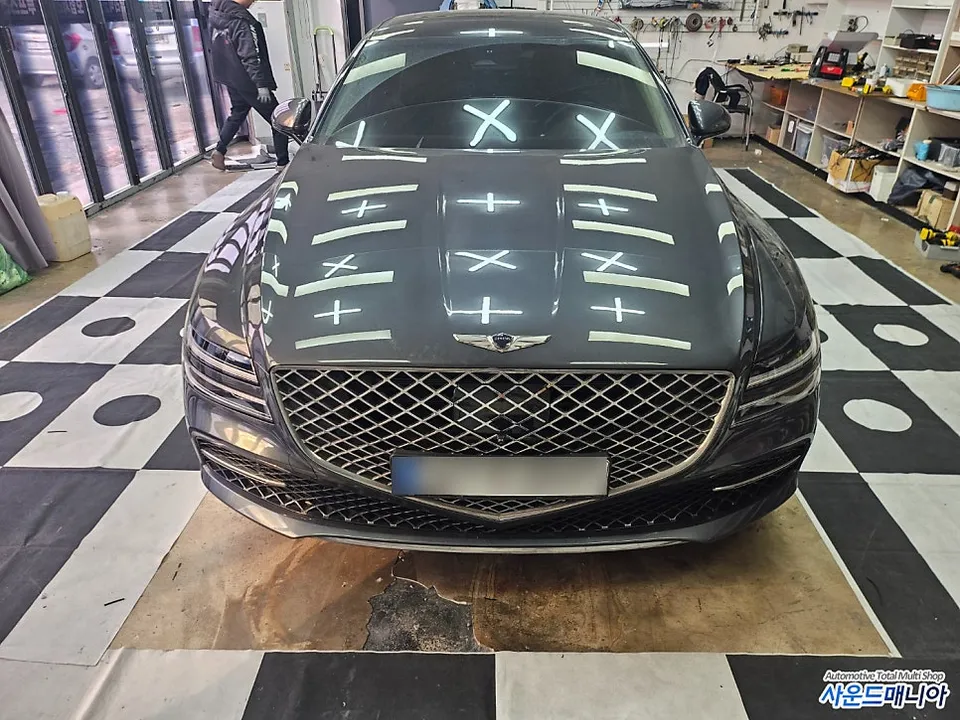
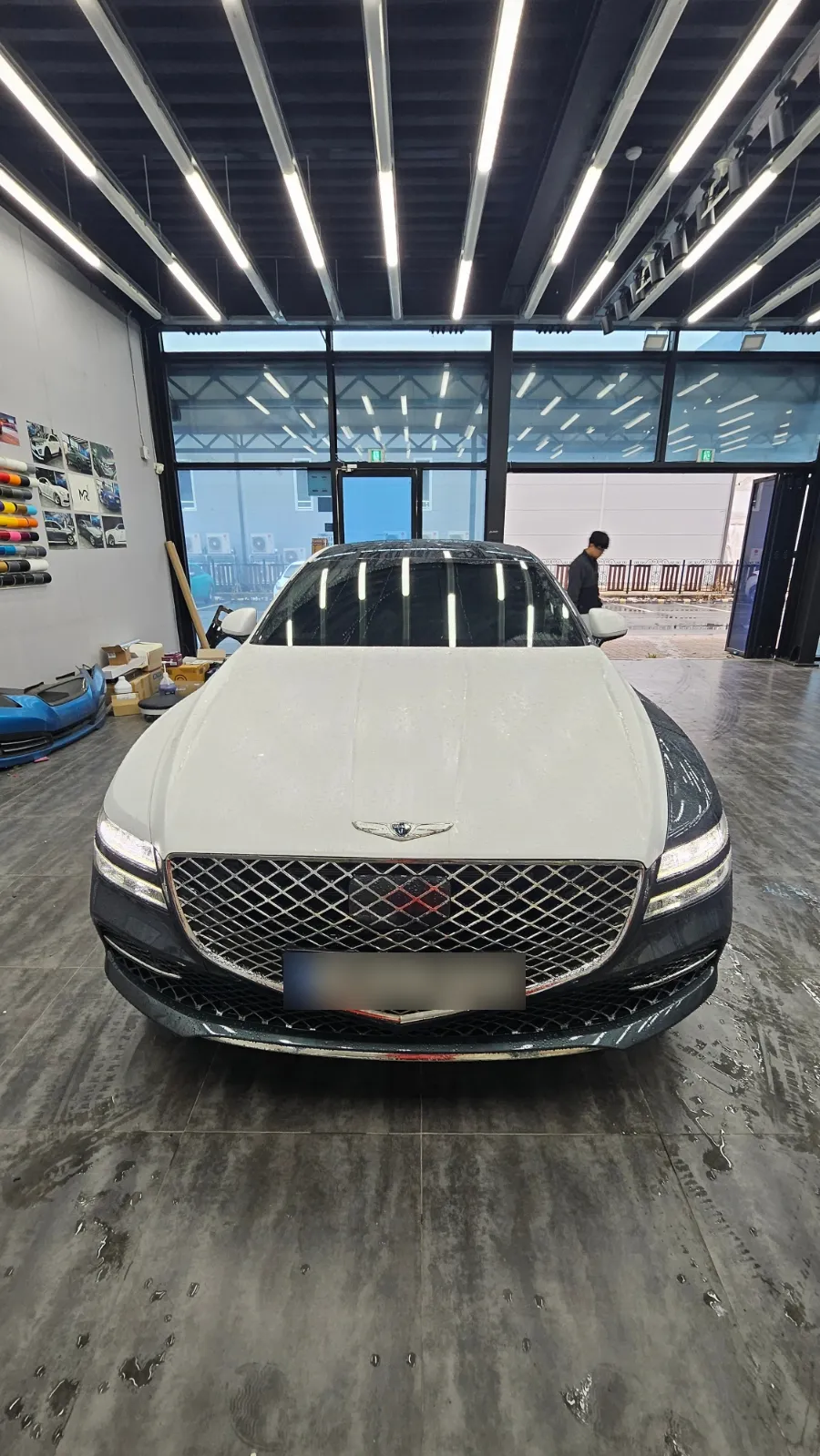
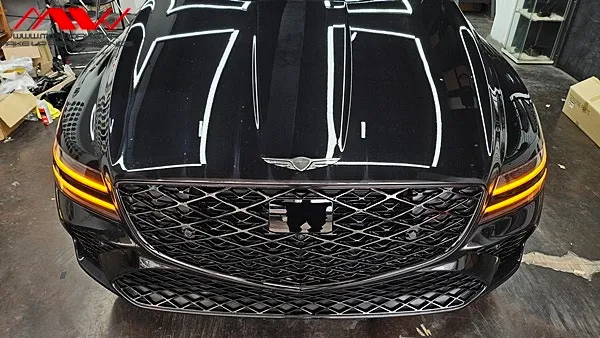
The goal of this particular customization was to create a cohesive, all-black interior, moving away from the stock dark chrome elements. The process involved applying a carbon fiber pattern to various interior trim pieces, including the front grille, side mirrors, door handles, fender accents, and even the muffler tips. Unlike simply painting these parts black, the carbon fiber hydrographic technique adds a layer of depth and visual interest, mimicking the look of genuine carbon fiber components often found on high-performance vehicles. This method is particularly effective for models like the G80 Sport, where enhancing a sporty image is a key owner desire. The result is a cabin that feels more premium, aggressive, and tailored to the owner's taste, moving beyond the standard factory finish.
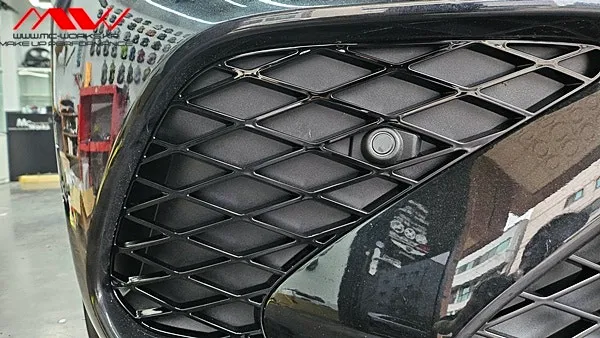
Installation Process and Durability
The interior customization process for the Genesis G80 Sport involves several key steps to ensure a high-quality, durable finish. While the exact procedure can vary slightly depending on the shop and the specific parts being treated, a typical installation includes:
- Surface Preparation: All trim pieces are meticulously cleaned, degreased, and often lightly sanded to ensure optimal adhesion of the hydrographic film.
- Hydrographic Application: The chosen carbon fiber film is carefully laid onto the surface of a water bath. The parts are then dipped through the film, allowing the pattern to conform to the shape of the component.
- Washing and Rinsing: After the film adheres, any residual film is washed away, revealing the carbon fiber pattern.
- Clear Coating: Multiple layers of a high-quality automotive clear coat are applied to protect the pattern, provide a glossy finish, and enhance durability against UV rays and minor wear.
- Curing: The parts are allowed to cure fully, ensuring the clear coat hardens properly for long-term protection.
This method offers significant advantages over alternatives like vinyl wrapping. Hydrographic printing allows for a seamless application on complex curves and edges, avoiding the lifting or peeling issues sometimes seen with wraps. The durability is also a key selling point; with proper clear coating, the finish is resistant to fading and wear, maintaining its appearance for an extended period. Shops often provide warranties against defects, offering peace of mind. For the G80 Sport, this means the carbon fiber accents can withstand daily use and varying environmental conditions without significant degradation.
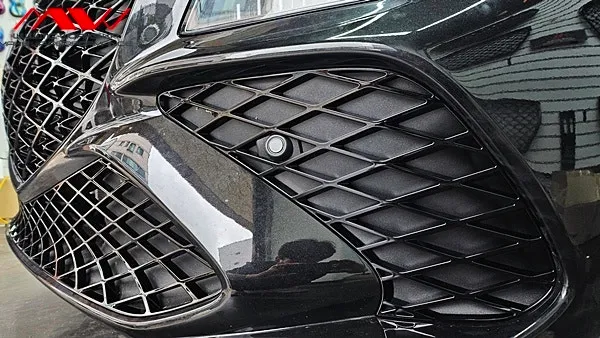
Is Interior Customization Worth It for Your G80 Sport?
The decision to undertake interior customization, such as the carbon fiber hydrographic treatment, depends on individual priorities. For owners who prioritize a unique, sporty, and cohesive cabin aesthetic, the investment is often considered worthwhile. The cost for this type of service in Korea typically starts in the range of 300,000 KRW (approximately $220-$250 USD), depending on the number of parts and complexity. This price point offers a significant visual upgrade compared to the cost of genuine carbon fiber parts, which can be substantially more expensive. The enhanced visual appeal and personalized touch can increase owner satisfaction and potentially resale value. However, if the goal is simply to change a color or if the existing interior already meets your aesthetic needs, the expense might not be justified. For those seeking to make their G80 Sport stand out with a distinct, high-performance look, this interior customization is a highly effective and relatively affordable option.
Frequently Asked Questions
Q. How much does interior customization cost for a Genesis G80 Sport?
For this specific carbon fiber hydrographic customization on a Genesis G80 Sport, the cost in Korea starts around 300,000 KRW (approximately $220-$250 USD). Typical interior customization services in the US can range widely from $40-$80 for minor cosmetic upgrades to several thousand dollars for full upholstery overhauls.
Q. How long does interior customization take for a Genesis G80 Sport?
The durability of interior customization like hydrographic carbon fiber application is generally excellent, with a well-applied clear coat offering resistance to fading and wear for many years. Basic maintenance involves regular cleaning with mild automotive interior cleaners and avoiding abrasive materials.
Q. Is interior customization worth it for a Genesis G80 Sport?
Interior customization is most worthwhile for Genesis G80 Sport owners seeking a highly personalized, sporty, and cohesive cabin aesthetic that goes beyond factory options. The value lies in achieving a premium, custom look at a fraction of the cost of genuine carbon fiber parts.
Q. What does interior customization include for a Genesis G80 Sport?
This interior customization involved applying a carbon fiber hydrographic pattern to various trim pieces, including the front grille, side mirrors, door handles, and fender accents. The process includes meticulous surface preparation, hydrographic film application, and multiple layers of protective clear coating for durability and finish.
Q. What is the difference between seat covers and full upholstery for a Genesis G80 Sport?
Seat covers are protective slip-on layers for existing seats, offering a temporary aesthetic change or protection, while full upholstery involves replacing or reupholstering the original seat fabric and foam for a permanent, integrated upgrade. For a significant interior transformation, full upholstery or custom material application like the carbon fiber trim is recommended over simple seat covers.
OhCar Partner Shop