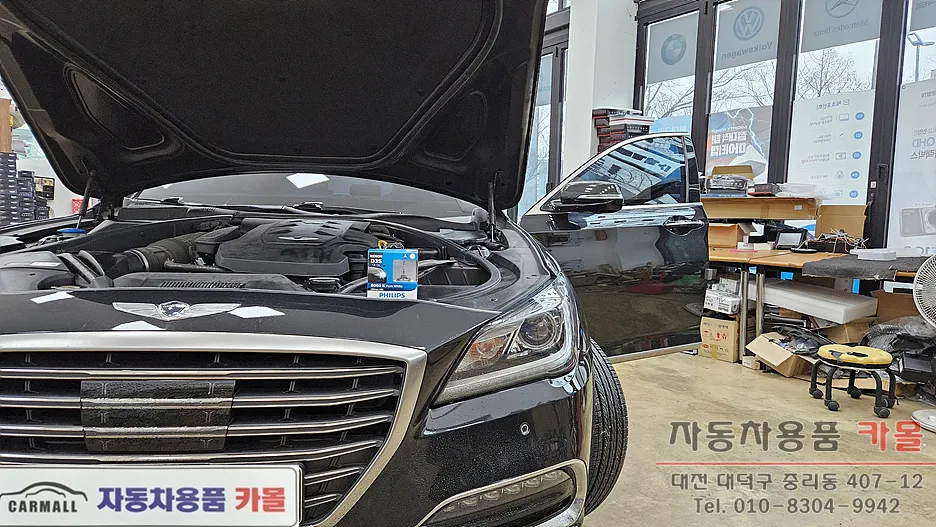
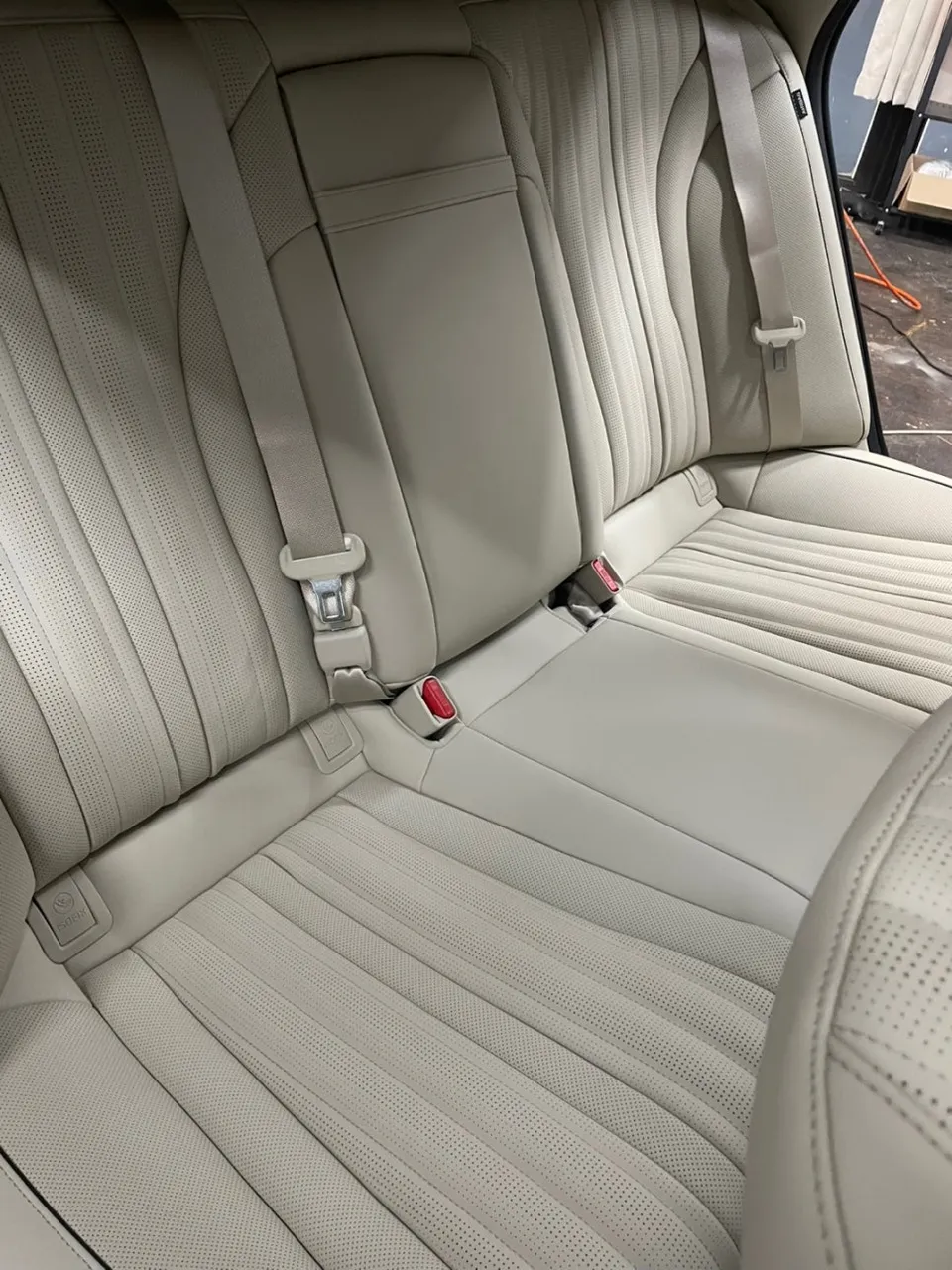
Genesis G80 OEM Options Review - HDA2 Upgrade
Service Price
$150+
Estimated price · Actual price may vary by shop
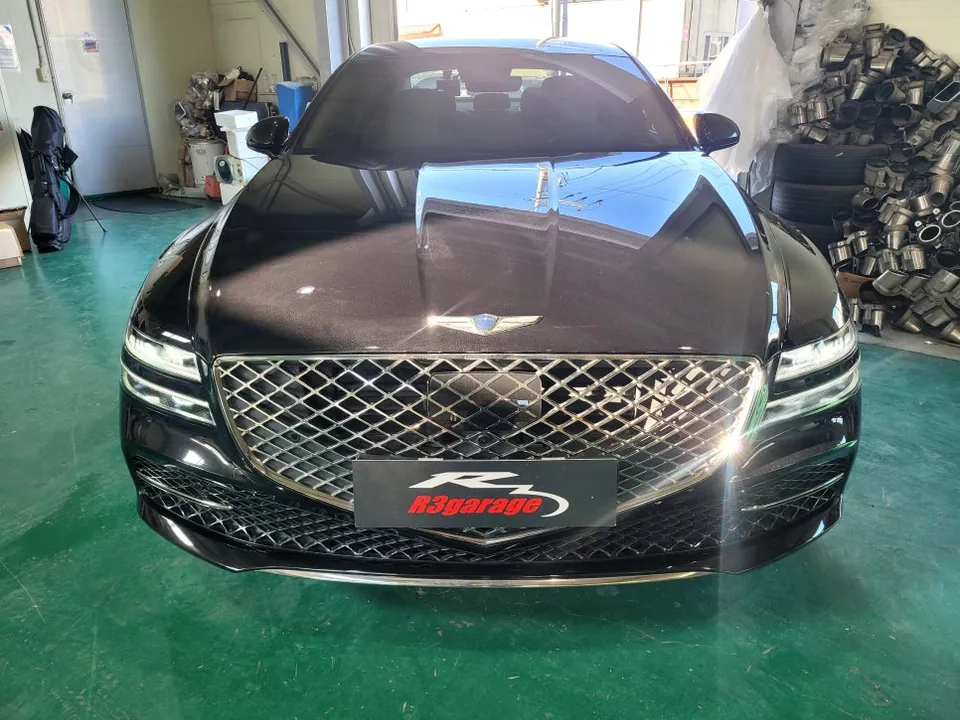
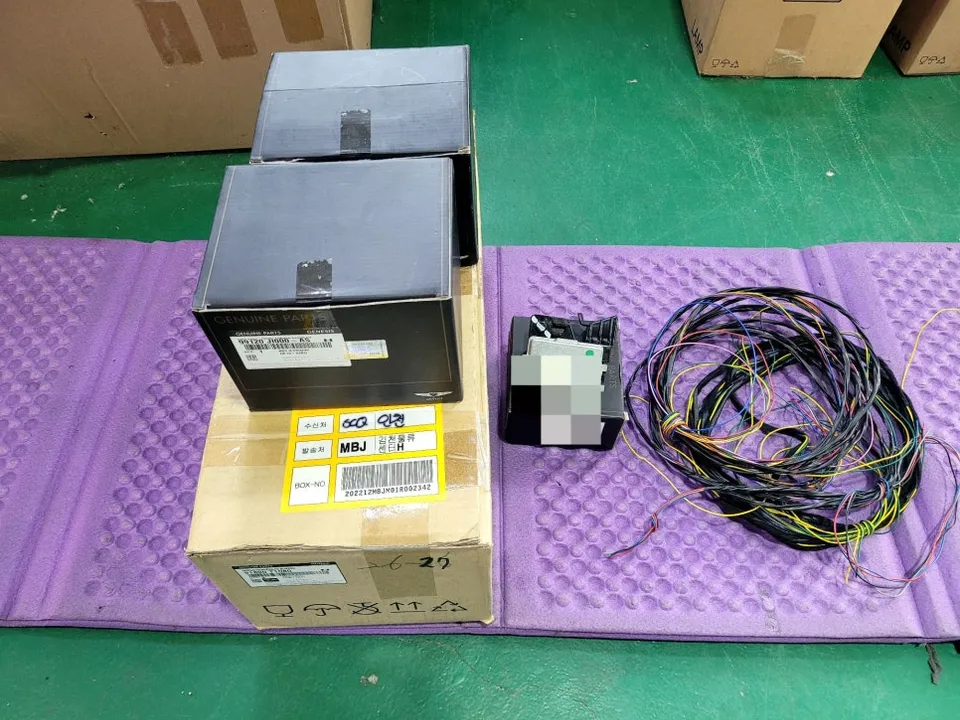
Genesis G80 RG3 HDA2 retrofit: Enhance your drive with advanced lane keeping and adaptive cruise control. Professional installation ensures seamless i
Genesis G80 RG3: The Need for Advanced Driving Assistance
The Genesis G80 RG3 represents the pinnacle of luxury sedans, and a crucial aspect of modern premium vehicles is the integration of advanced driver-assistance systems (ADAS). Many owners find themselves regretting not opting for features like Highway Driving Assist 2 (HDA2) at the time of purchase. Fortunately, retrofitting these capabilities is possible. HDA2 is a semi-autonomous driving technology that simultaneously manages lane keeping and distance control on highways, significantly enhancing the driving experience. This review delves into how the HDA2 system is installed and operates on the Genesis G80.
Understanding the G80 RG3 Structure and HDA2 Sensor Integration
For many Genesis G80 RG3 models, the lane-keeping system isn't a standard feature from the factory. This is because HDA2 requires a specific sensor setup: four corner radar sensors strategically placed around the vehicle. If these were not selected as an option during the initial purchase, the necessary hardware is simply not installed. The OEM HDA2 configuration in a Genesis is intricate; it's not just about adding sensors. Each sensor must be precisely mounted in its designated location on the car's body. Their signals then need to be transmitted to the vehicle's central computer or ECU. Finally, a crucial step involves using a scanner to code the system, enabling its functionality. This complexity is why retrofitting can be challenging.
The Retrofitting Process for Driving Assistant Systems
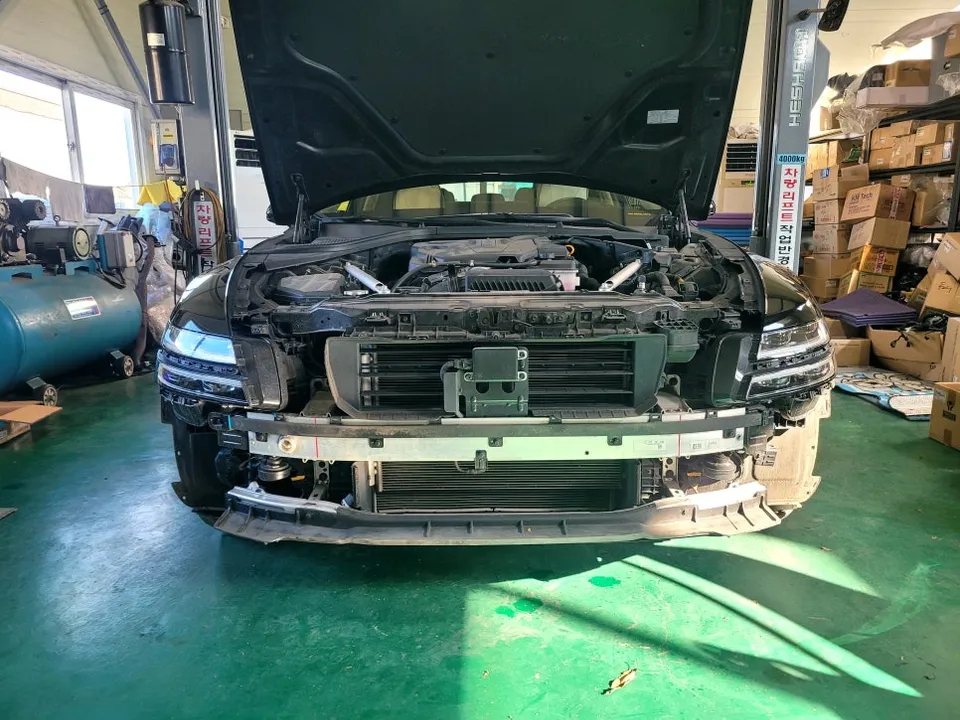
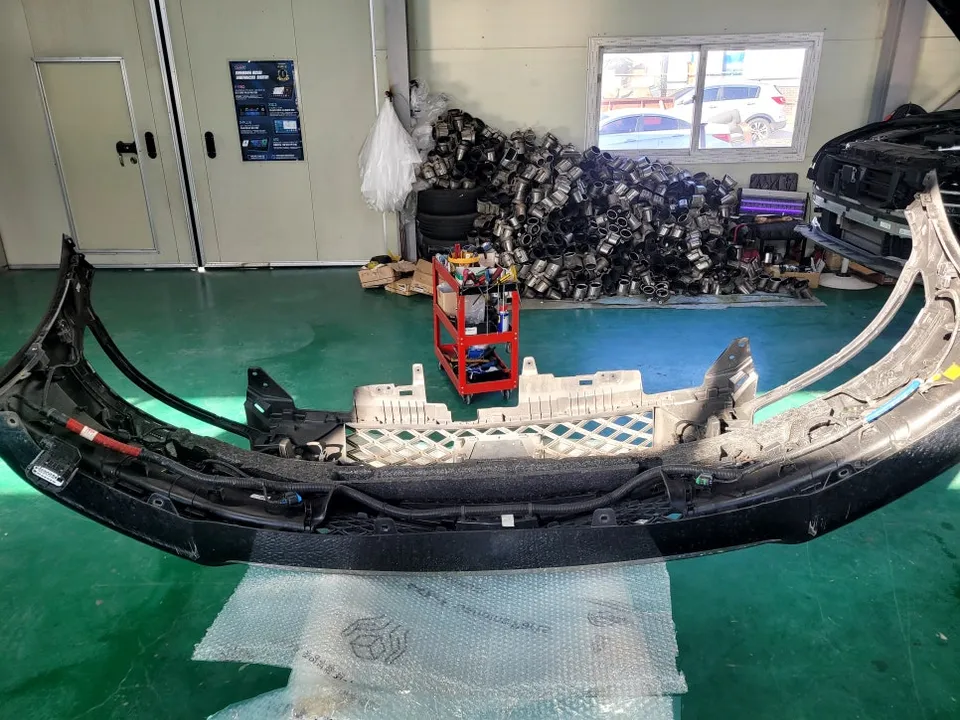
The installation begins with the careful disassembly of the front bumper to access the mounting points for the two front corner radar sensors. The G80's bumper isn't merely a plastic cover; it incorporates a composite reinforcement structure, requiring delicate handling to avoid damage during removal.
Installation Process:
- Sensor Mounting: Once the bumper is removed, the front corner radars are securely attached to the sensor brackets located inside the bumper. This isn't a simple click-in process; the sensors must be precisely angled and fixed with multiple screws. Even a slight deviation of 1-2 degrees can skew the detection range, preventing the system from functioning correctly.
- Wiring Harness Integration: The signal cables from the front corner radars must be routed through the vehicle's internal wiring ducts into the cabin. If the vehicle was originally equipped with the wiring for this option, a dedicated harness will already be present. However, for vehicles without the factory option, a custom harness may need to be fabricated, or new signal wires must be branched from the existing wiring.
- ECU Connection and Coding: After the wiring is complete, the system needs to connect to the vehicle's central control unit. For the Genesis G80, a dedicated HDA2 ECU is typically installed beneath the dashboard or near the driver's side. This ECU receives signals from all four corner radars and integrates them with data on vehicle speed, steering angle, and acceleration to issue lane-keeping commands. The final stage is software configuration, known as 'scanner coding.' A specialized diagnostic tool is connected to the OBD-II port (located under the dashboard on the driver's side) to communicate with all the vehicle's ECUs. This process activates the newly installed HDA2 system, ensuring it functions as intended by the manufacturer.
The successful integration of these components and the subsequent coding allow the Genesis G80 to achieve enhanced highway driving capabilities, including precise lane centering and adaptive cruise control.
Frequently Asked Questions
Q. How much does OEM options & factory upgrades cost for a Genesis G80 RG3?
The cost for retrofitting the HDA2 system on a Genesis G80 RG3 can vary significantly based on the specific components and labor involved, typically ranging from ₩1,500,000 to ₩3,000,000 in Korean Won. In the US, similar factory option retrofits can range from $1,000 to $2,500 depending on the complexity.
Q. How long does OEM options & factory upgrades last on a Genesis G80 RG3?
When properly installed and maintained, the OEM HDA2 system can last the lifetime of the vehicle, offering consistent performance. Regular checks of sensor cleanliness and ensuring software is up-to-date are recommended maintenance tips.
Q. Is OEM options & factory upgrades worth it for a Genesis G80 RG3?
Retrofitting the HDA2 system is highly beneficial for drivers who frequently use highways, as it significantly reduces driving fatigue and enhances safety. The value lies in gaining advanced semi-autonomous driving capabilities that were not originally equipped.
Q. How is OEM options & factory upgrades done on a Genesis G80 RG3?
The process involves carefully disassembling the front bumper to mount and precisely angle four corner radar sensors. 1. Wiring harnesses are routed from the sensors to the vehicle's interior. 2. A dedicated ECU is installed and connected to the vehicle's network. 3. Finally, a diagnostic scanner is used to code the system, enabling the HDA2 functionality.
Q. What is the best OEM options & factory upgrades option for a Genesis G80 RG3?
The most impactful OEM option to retrofit for the Genesis G80 RG3 is the Highway Driving Assist 2 (HDA2) system. This upgrade provides superior lane-keeping assistance and adaptive cruise control compared to basic driver aids.
OhCar Partner Shop