Genesis GV80 Body Kit Installation Review
Service Price
$40–80
Estimated price · Actual price may vary by shop

Genesis GV80 body kit installation review covering costs, process, and durability. Enhance your SUV's look with an aero kit.
Genesis GV80 Body Kit Installation: Enhancing Style and Function
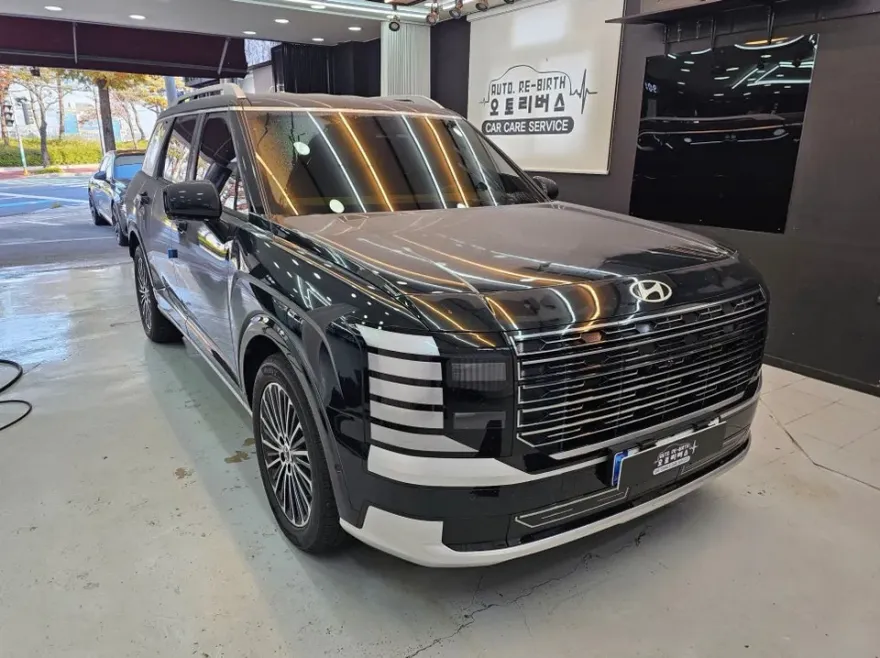
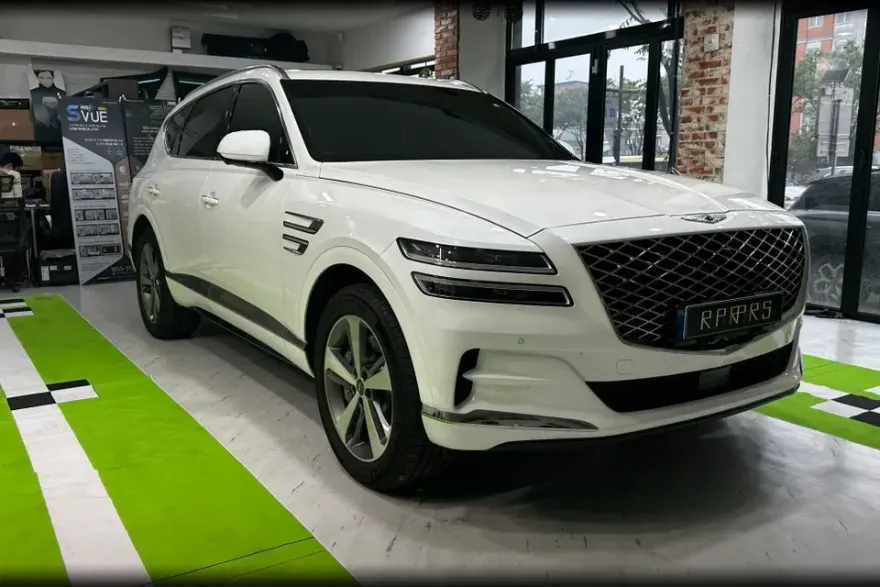
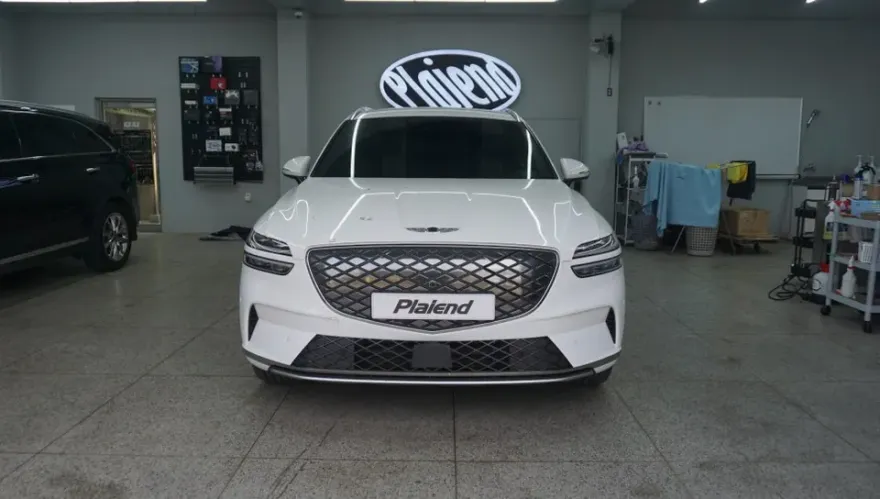
For owners of the Genesis GV80, a luxury SUV known for its elegant design, the desire to further personalize and enhance its aesthetic is common. While the GV80 already boasts a sophisticated presence, a body kit can offer a more aggressive or unique look. This review delves into the specifics of body kit installation for the Genesis GV80, covering the process, potential costs, and whether it's a worthwhile upgrade.
Understanding Body Kits for the GV80
A body kit, often referred to as an aero kit, typically includes components like a front lip spoiler, side skirts, and a rear diffuser or bumper extension. These parts are designed to complement the vehicle's existing lines while adding a sportier or more imposing stance. For the Genesis GV80, body kits can range from subtle enhancements to more dramatic transformations. The materials used are crucial for durability and fitment, with common options including polyurethane (PU) and fiberglass-reinforced plastic (FRP). Polyurethane is generally more flexible and impact-resistant, making it a preferred choice for daily drivers, while FRP can be lighter but more prone to cracking upon impact.
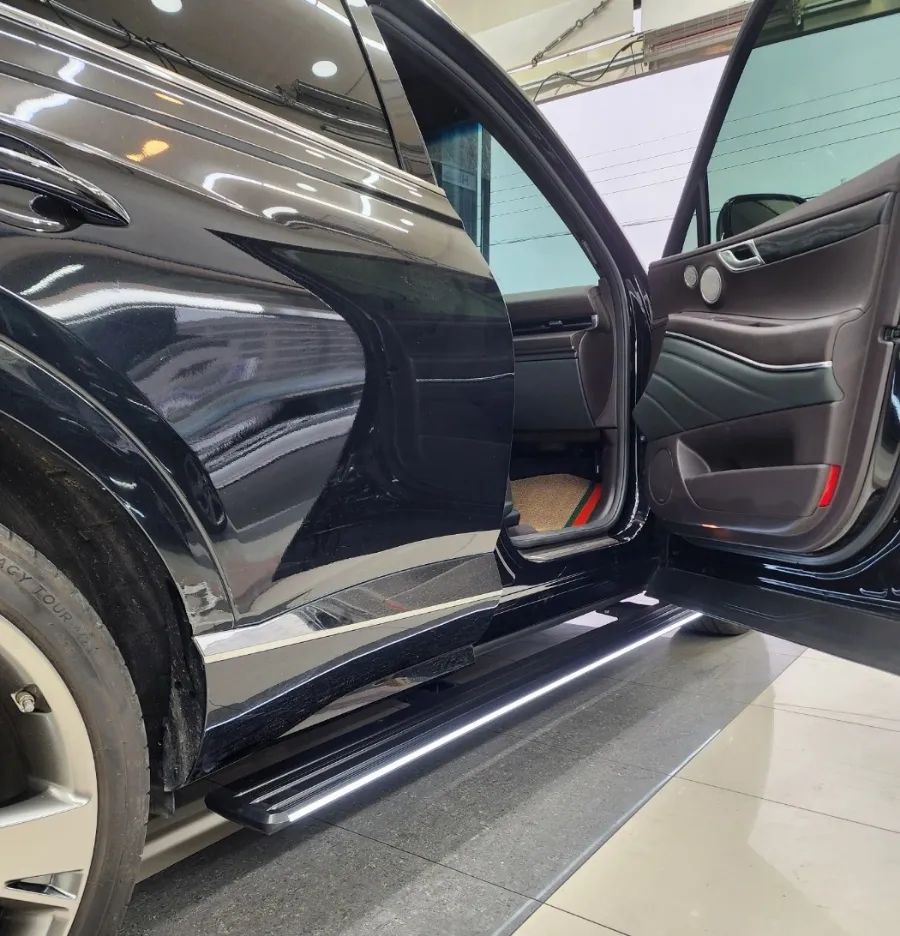
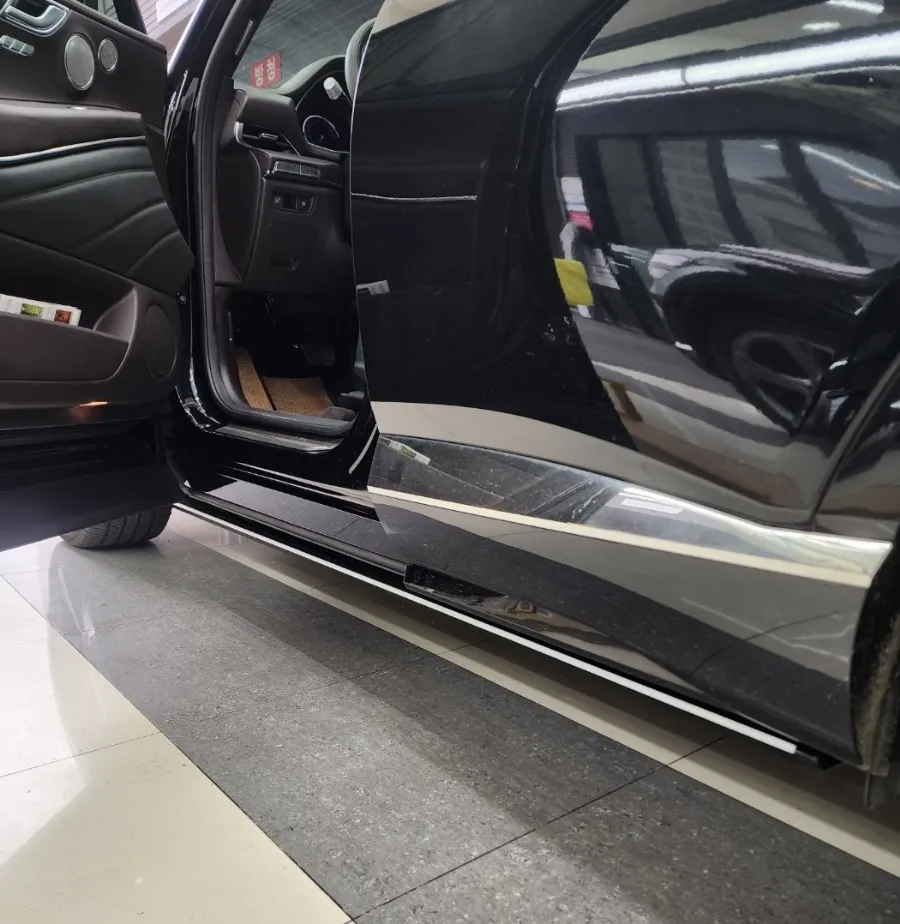
The decision to install a body kit often stems from a desire for a more distinctive appearance. Before and after results can be striking, with the GV80 appearing lower, wider, and more performance-oriented. However, it's important to consider the practical implications. Installation involves carefully fitting these new components to the vehicle's body, often requiring precise alignment and secure fastening. The cost can vary significantly based on the kit's brand, material, and the complexity of the installation. While the provided Korean context mentions an estimated cost of 300,000 to 600,000 KRW (approximately $220-$440 USD) for electric side steps, body kits for aesthetic modifications can range higher, often from $400 to $1500 USD or more for the parts alone, with installation costs adding to the total.
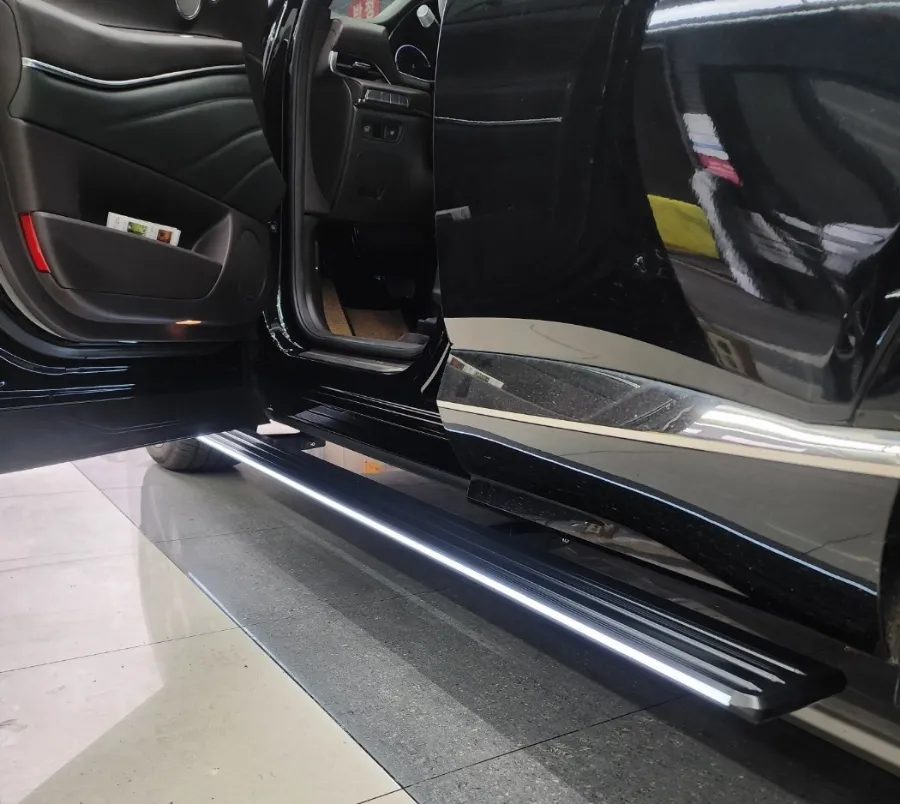
The Installation Process: Precision and Expertise
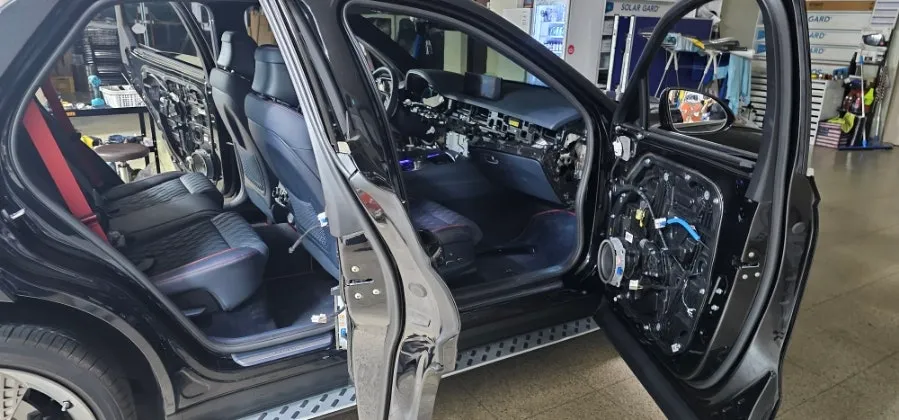
Installing a body kit on a Genesis GV80 requires a methodical approach to ensure a seamless finish and proper fitment. While the specific steps can vary depending on the kit's design, a general process is followed by professional installers.
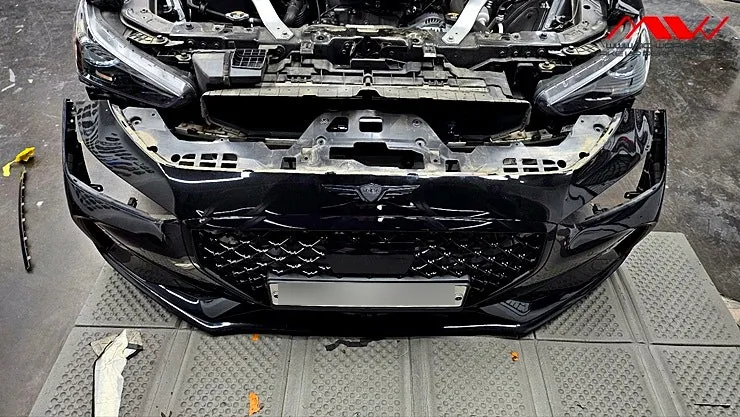
- Preparation: The vehicle's existing bumpers and side skirts are thoroughly cleaned and inspected. Any imperfections are addressed. The new body kit components are test-fitted to ensure alignment and identify any minor adjustments needed.
- Attachment: Depending on the kit, components may be attached using a combination of automotive-grade adhesive tape, specialized clips, and sometimes drilling into the vehicle's original panels or the new kit parts. For front lips and side skirts, secure mounting is essential to prevent them from dislodging during driving.
- Finishing: After all components are securely attached, any gaps are meticulously filled, and the entire kit is often sanded and prepped for paint. The parts are then painted to match the GV80's factory color code, ensuring a cohesive look.
- Final Inspection: Once painted and cured, the body kit is installed on the vehicle. A final inspection is performed to check for proper alignment, secure fitment, and overall aesthetic appeal.
The estimated time for a full body kit installation can range from a few hours to a full day, depending on the complexity and whether painting is included in the service. It's crucial to have this work performed by experienced professionals who understand automotive bodywork and aerodynamics to avoid damage and ensure a high-quality finish.
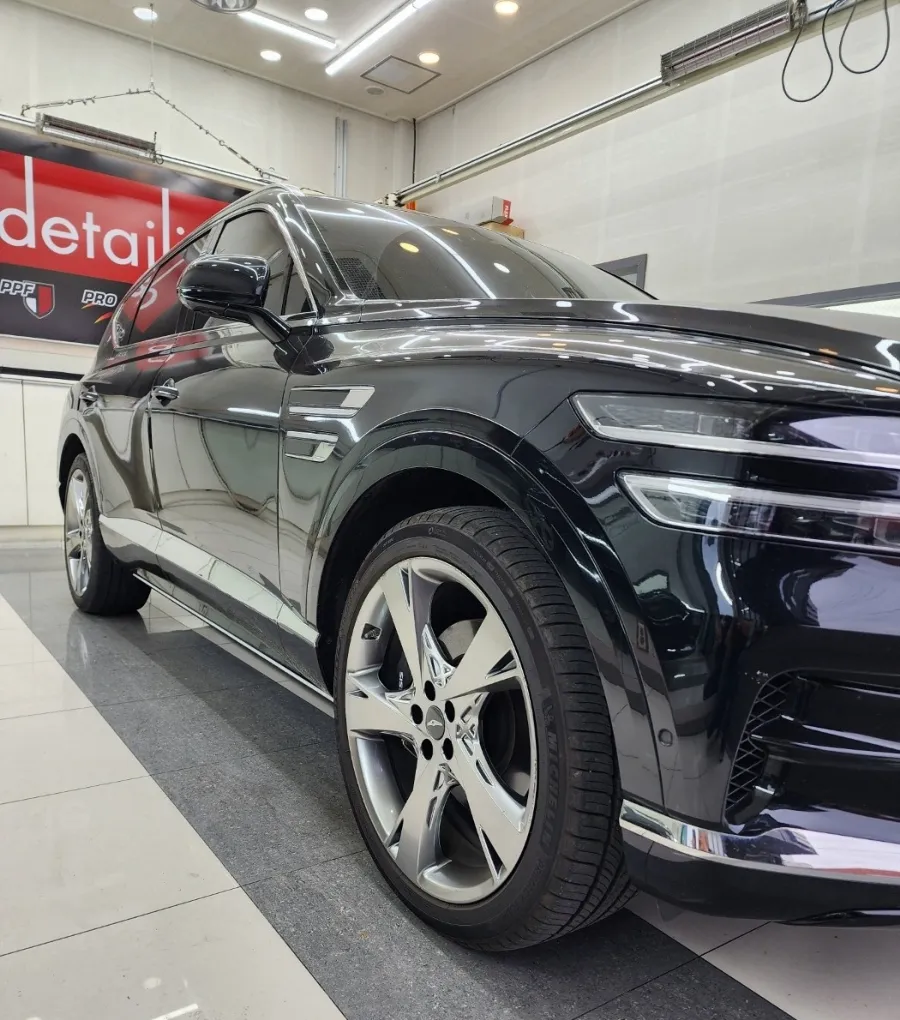
Durability, Maintenance, and Value Proposition
The durability of a body kit largely depends on the material used and the quality of the installation. Polyurethane kits tend to be more resilient to minor impacts and temperature changes, offering better long-term performance. Regular cleaning with mild soap and water is usually sufficient for maintenance. Avoid harsh chemicals or abrasive materials that could damage the paint or finish. For FRP kits, extra caution should be exercised over speed bumps and during parking to prevent cracks.
When considering if a body kit is worth it for your Genesis GV80, weigh the aesthetic benefits against the cost and potential risks. If you're looking for a more aggressive or customized look and are prepared for the investment, a well-chosen and professionally installed body kit can significantly enhance your vehicle's visual appeal. However, if practicality and maintaining the original factory look are higher priorities, it might not be the best upgrade for your needs. The decision ultimately hinges on personal preference and budget.
Frequently Asked Questions
Q. How much does a body kit cost for a Genesis GV80?
The cost for a Genesis GV80 body kit can range from approximately $400 to $1500 USD for parts alone, with installation and painting adding to the total expense. Typical professional installation costs can range from $300 to $1000+ depending on the complexity.
Q. How long does body kit installation take on a Genesis GV80?
Body kit installation on a Genesis GV80 typically takes between 4 to 8 hours, depending on the kit's complexity and whether painting is required. Proper maintenance involves regular cleaning with mild soap and water, and avoiding abrasive cleaners to preserve the finish.
Q. Is a body kit worth it for a Genesis GV80?
A body kit can be worth it for a Genesis GV80 if you desire a more aggressive or personalized aesthetic and are prepared for the associated costs. It's a great option for owners seeking to make their luxury SUV stand out visually.
Q. How is a body kit installed on a Genesis GV80?
Installation involves preparing the vehicle's surface, test-fitting the new components (front lip, side skirts, etc.), and securely attaching them using automotive adhesives, clips, or fasteners. The parts are then often painted to match the vehicle's color before final mounting.
Q. What is the difference between FRP and polyurethane body kits for a Genesis GV80?
Polyurethane body kits are more flexible and impact-resistant, making them ideal for daily driving and better at withstanding minor bumps. FRP kits are lighter but can be more prone to cracking upon significant impact, making polyurethane generally the preferred choice for durability.
OhCar Partner Shop