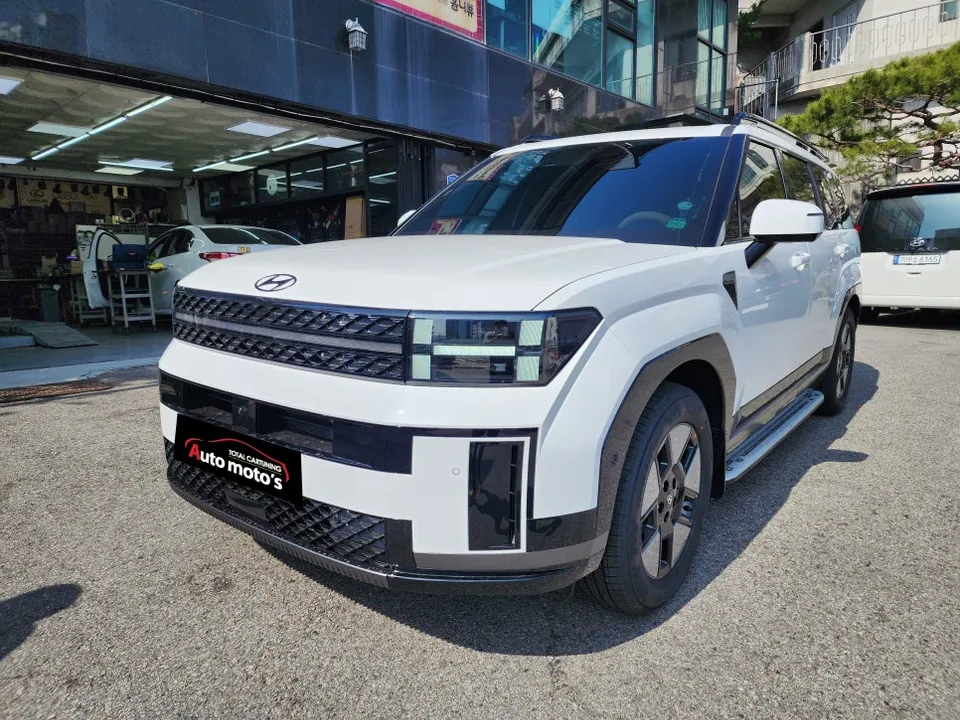
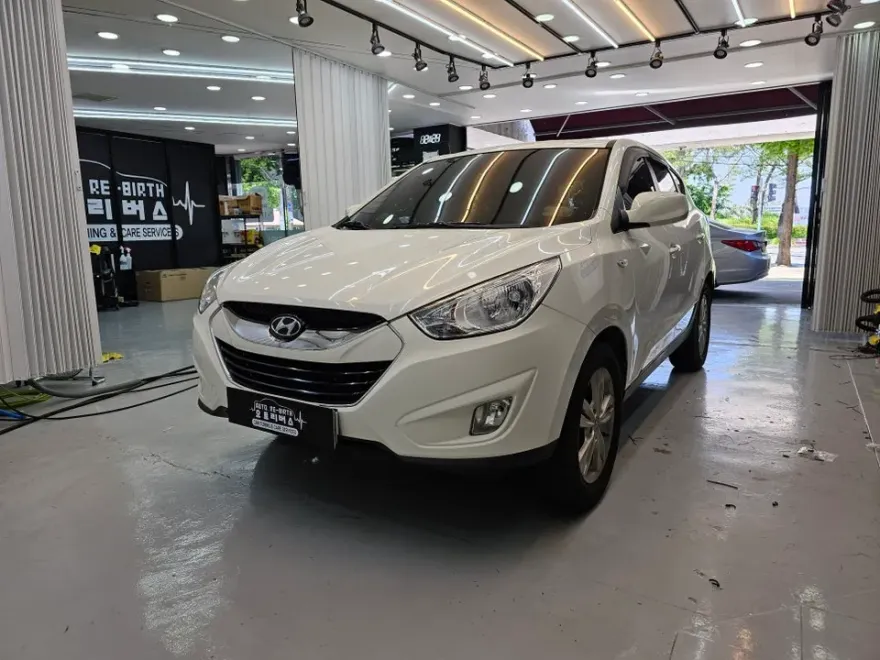
Hyundai Santa Fe TM Body Kit Installation Review
Service Price
$40–80
Estimated price · Actual price may vary by shop
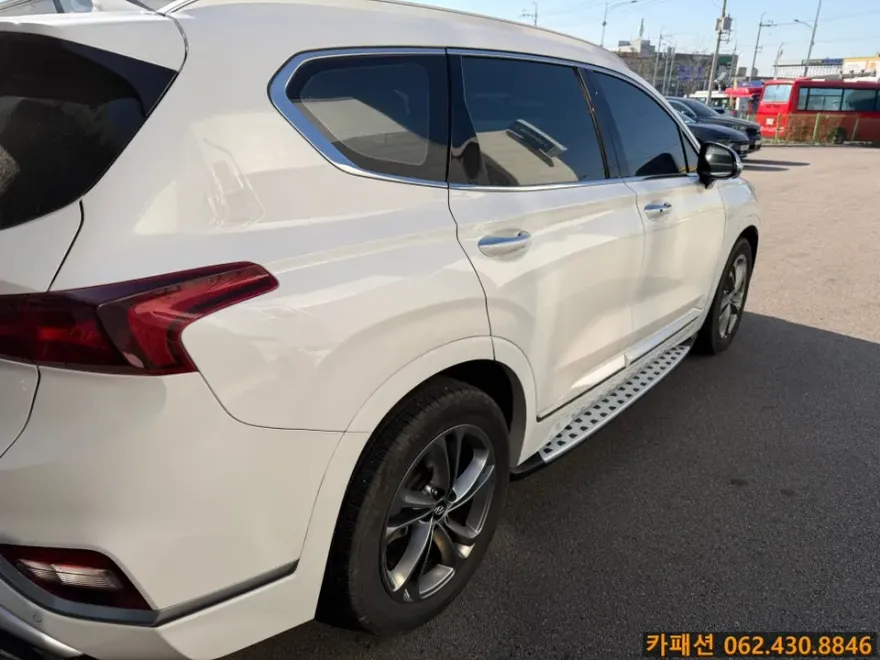
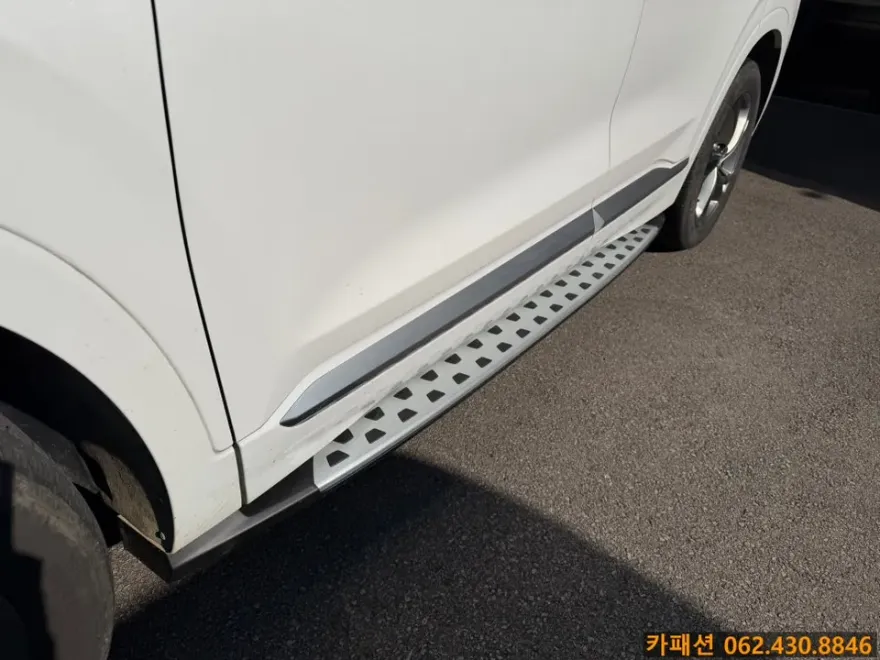
Hyundai Santa Fe TM body kit installation review. Costs vary, but enhance style. Consider material and professional fitting for durability.
Hyundai Santa Fe TM Body Kit: Enhancing Style and Functionality
The Hyundai Santa Fe TM, known for its spacious interior and family-friendly features, can be further personalized with a body kit. While the original Korean context focuses on installing genuine side steps for improved ingress and egress, the concept extends to aftermarket body kits that can dramatically alter the vehicle's aesthetic. This review delves into the world of body kits for the Santa Fe TM, covering installation, cost considerations, and the overall value proposition for US and UK car owners.
Understanding Body Kits: Types and Benefits
A body kit, often referred to as an aero kit, is a set of aftermarket modifications for a vehicle's body. These typically include a new front bumper or lip, side skirts, and a rear bumper or spoiler. The primary goals are usually to enhance the vehicle's visual appeal, making it look sportier or more aggressive, and sometimes to improve aerodynamic performance. For the Santa Fe TM, a body kit can transform its utilitarian SUV look into something more dynamic.
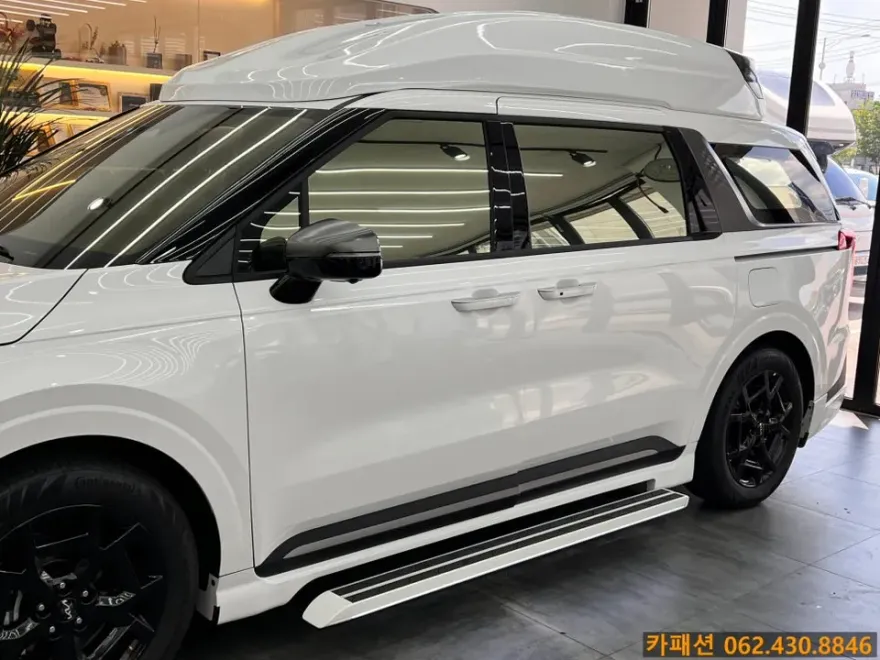
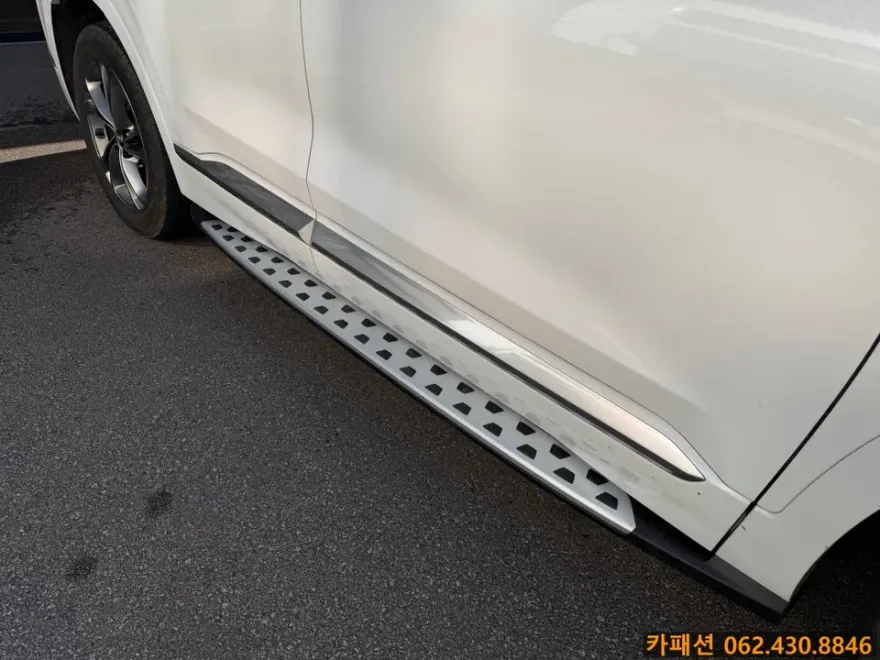
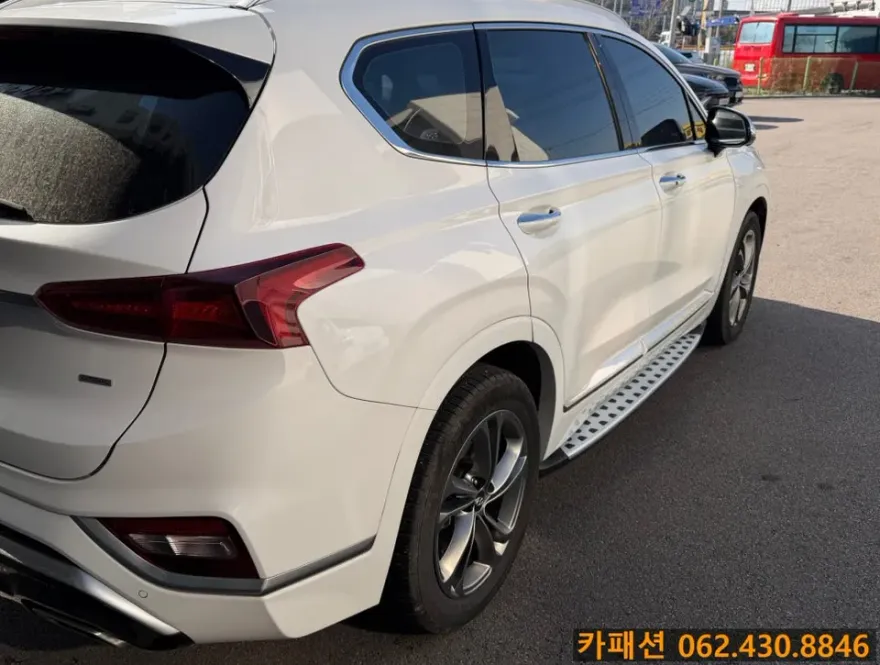
The Korean context highlights the practical benefits of side steps, which function like a built-in step for easier entry and exit, especially for children or elderly passengers. While not strictly a 'body kit' in the aggressive styling sense, these genuine accessories offer a similar enhancement in practicality. Similarly, body kits can add a visual 'step' or lower profile, contributing to both form and function. Materials for body kits vary, with common options including polyurethane (flexible and durable) and fiberglass-reinforced plastic (FRP, often more affordable but potentially more brittle). The choice of material can impact durability, cost, and the complexity of installation.
Body Kit Installation and Cost for the Hyundai Santa Fe TM
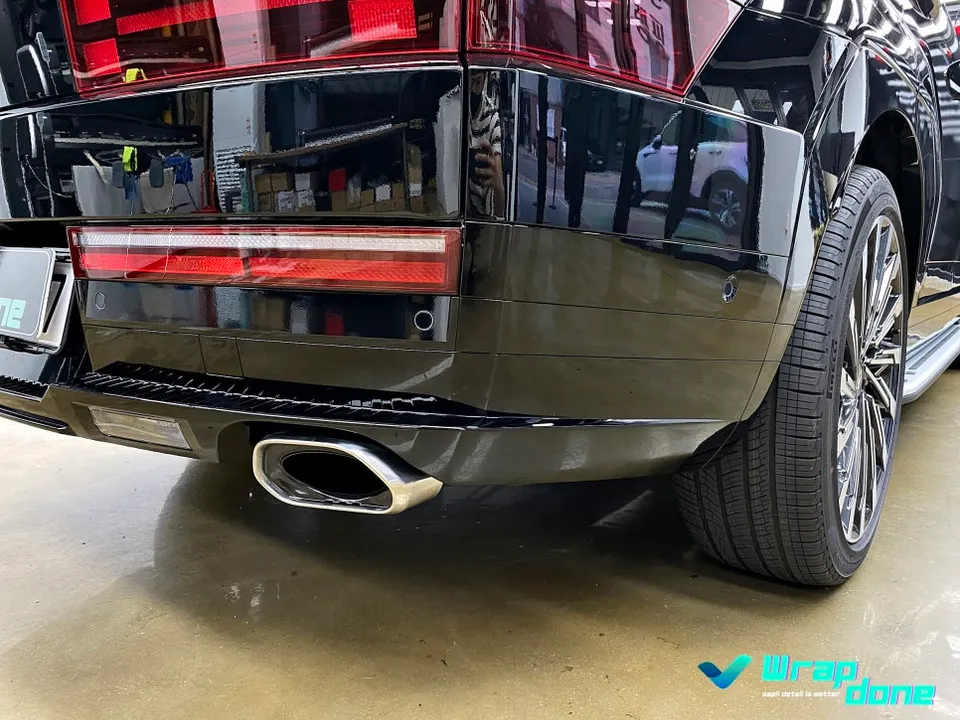
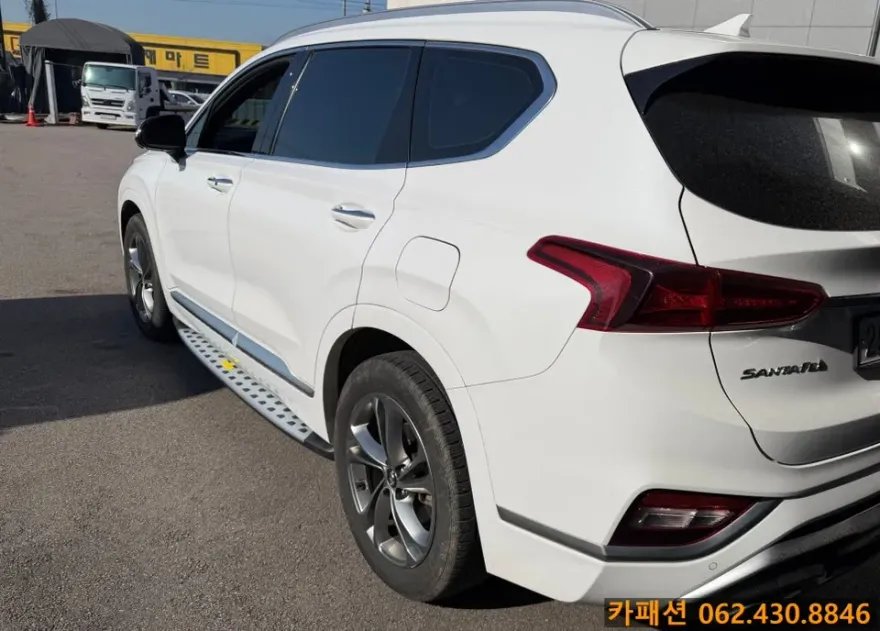
Installing a body kit involves fitting these new components to your Santa Fe TM. The process generally requires professional expertise to ensure a perfect fit and finish, minimizing gaps and ensuring all parts are securely attached. The Korean context mentions the installation of genuine Hyundai Mobis side steps, emphasizing a perfect fit and integration with the vehicle's design. This principle applies to aftermarket body kits as well; a well-executed installation is key to achieving the desired look and ensuring longevity.
The estimated cost for body kit components can range significantly, but for basic kits, you might find options in the $40-$80 range in the US, though this is a very general estimate and high-quality kits will be considerably more. Professional installation costs will add to this, varying based on labor rates and the complexity of the kit. The Korean context mentions a price point for side steps, which, when converted, is quite affordable, suggesting that practical enhancements can be cost-effective. When considering a full body kit, expect the total cost, including parts and labor, to be substantially higher, potentially running into hundreds or even thousands of dollars depending on the brand and complexity.
Durability, Maintenance, and Is It Worth It?
The durability of a body kit depends heavily on the material used and the quality of the installation. Polyurethane kits tend to be more resilient to minor impacts, while FRP kits may require more careful handling. Regular cleaning with mild soap and water is usually sufficient for maintenance. Avoid abrasive cleaners that can damage the finish. Checking for any loose fittings periodically is also recommended.
Deciding if a body kit is 'worth it' for your Santa Fe TM is a personal decision. If you're looking to significantly enhance your SUV's appearance and give it a more personalized, sporty stance, then a well-chosen and professionally installed body kit can be a worthwhile investment. The Korean side step example shows how even functional additions can greatly improve the user experience. For those prioritizing aesthetics and a unique look, a body kit delivers. However, if practicality and maintaining a factory look are paramount, you might consider other modifications or stick to genuine accessories.
Installation Process:
- Preparation: The existing bumpers and side skirts are removed. The new body kit components are test-fitted to ensure proper alignment.
- Modification & Fitting: Minor adjustments may be needed for a perfect fit. Holes for mounting hardware are drilled if necessary.
- Attachment: The new body kit parts are securely attached using bolts, screws, and specialized automotive adhesives.
- Finishing: Gaps are sealed, and the kit is prepared for painting. After painting to match the vehicle's color, it's given a final inspection.
Frequently Asked Questions
Q. How much does a body kit cost for a Hyundai Santa Fe TM?
While specific kit prices vary greatly, basic components might start around $40-$80 in the US, with professional installation adding to the total cost. High-quality, full body kits can cost significantly more, often into the hundreds or thousands of dollars.
Q. How long does body kit installation take on a Hyundai Santa Fe TM?
Installation time can range from a few hours to a full day or more, depending on the complexity of the kit and whether painting is required. Proper maintenance involves regular cleaning and checking for loose fittings.
Q. Is a body kit worth it for a Hyundai Santa Fe TM?
A body kit is worth it if you aim to significantly enhance your SUV's appearance and achieve a personalized, sporty look. For those prioritizing aesthetics and a unique style, it's a valuable modification.
Q. How is a body kit installed on a Hyundai Santa Fe TM?
Installation typically involves removing the original bumpers and skirts, test-fitting the new components, making any necessary adjustments, and then securely attaching the kit using bolts, screws, and adhesives. Finally, the kit is painted to match the vehicle and inspected.
Q. What is the difference between FRP and polyurethane body kits for a Hyundai Santa Fe TM?
Polyurethane kits are generally more flexible and durable against minor impacts, while FRP kits are often more affordable but can be more prone to cracking. For most owners seeking longevity and resilience, polyurethane is often the preferred choice.
OhCar Partner Shop