Honda Accord OEM Options Review: Factory Upgrade Cost & Results
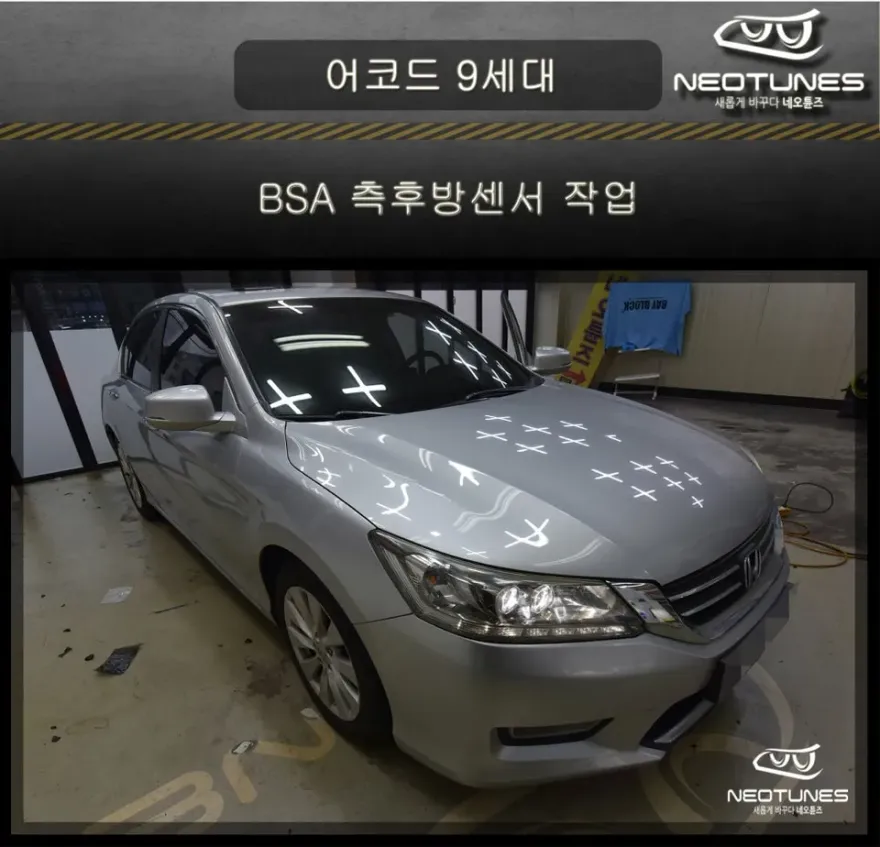
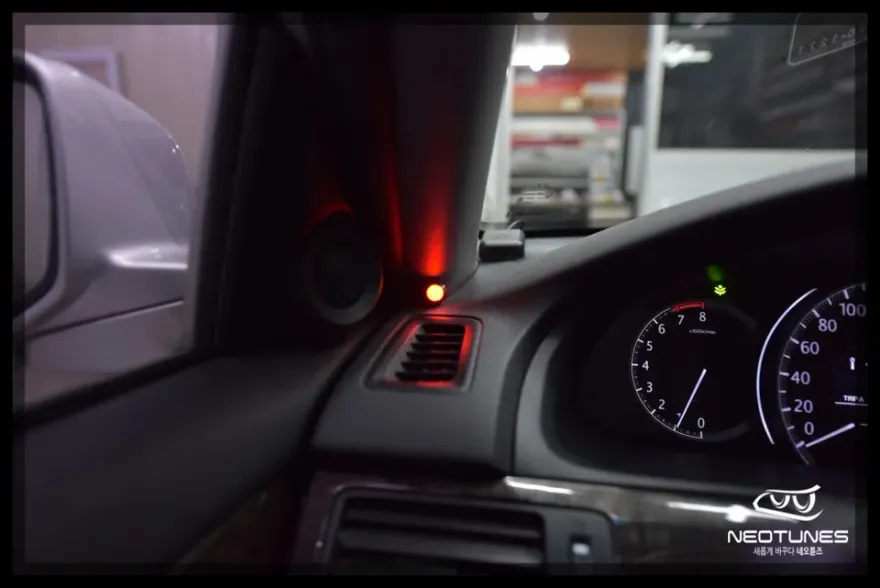
Honda Accord 9th Gen BSA installation: Approx. $225 USD. Adds crucial blind-spot detection.
Enhancing Your Honda Accord with OEM Options
Many Honda Accord owners look to enhance their driving experience with features not originally equipped on their specific trim. This often involves exploring OEM options, which are genuine parts and systems designed and manufactured by the car's original equipment manufacturer. For the 9th generation Honda Accord, a popular factory option retrofit is the addition of a Blind Spot System (BSA), also known as side-rear sensors. This review delves into the installation, results, and overall value of such a dealer option retrofit.
BSA Installation and Before/After Results
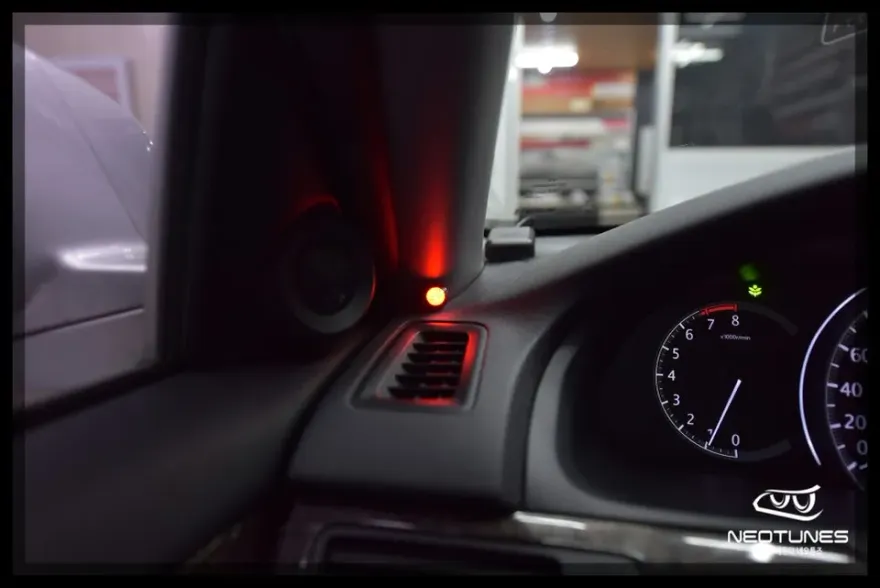
The installation of OEM options like the BSA on a 9th gen Honda Accord involves integrating sensors into the rear bumper and connecting them to the vehicle's internal systems. The process requires careful placement of the sensors to ensure optimal detection range and accuracy. After installation, the driver benefits from visual alerts, typically on the side mirrors, indicating the presence of vehicles in the blind spots. This significantly enhances safety, especially during lane changes on highways or in busy urban traffic. The before-and-after difference is substantial; what was once a potential hazard becomes a managed risk with clear, immediate feedback.
Durability, Maintenance, and Decision Making
OEM options, when installed correctly, are designed for the longevity of the vehicle. The components are built to withstand typical automotive environmental conditions, offering durable performance. Maintenance for a BSA system is generally minimal, usually involving keeping the sensors clean from dirt, snow, or debris. The decision to pursue a factory upgrade like this often comes down to prioritizing safety and convenience. While there's an upfront OEM options cost, the peace of mind and enhanced driving experience can make it a worthwhile investment for many Accord owners. The original context for this specific installation was in South Korea, with the parts and labor costing approximately 300,000 KRW (around $225 USD at the time of the original post), though US/UK pricing will vary.
Installation Process:
- Careful removal of rear bumper components to access mounting points.
- Precise drilling and mounting of BSA sensors into the designated areas of the bumper.
- Wiring the sensors and control module, integrating them with the vehicle's CAN bus system.
- Testing the system for proper functionality and calibration of alert indicators.
Frequently Asked Questions
Q. How much does OEM option and factory upgrade installation cost for a Honda Accord?
The specific OEM option installation in Korea cost approximately 300,000 KRW (around $225 USD). Typical US pricing for similar dealer-installed options can range from $300 to $800 depending on the feature.
Q. How long does OEM options installation take on a Honda Accord?
The durability of OEM options is designed to match the vehicle's lifespan with proper installation. Regular cleaning of sensors is the primary maintenance required to ensure optimal performance.
Q. Are OEM options worth adding after purchase for a Honda Accord?
OEM options are most beneficial for drivers who frequently encounter blind spots or desire enhanced safety features not present on their current trim. The value lies in improved safety and driving confidence.
Q. How are OEM factory options installed on a Honda Accord?
Installation typically involves mounting sensors, running wiring harnesses, and integrating the new components with the vehicle's existing electrical system. 1. Sensors are precisely mounted, often in the rear bumper. 2. Wiring is routed and connected to the vehicle's control modules. 3. The system is then calibrated and tested for functionality.
Q. What is the difference between dealer-installed options and aftermarket upgrades for a Honda Accord?
OEM options are genuine manufacturer parts designed specifically for your vehicle, ensuring perfect integration and often maintaining warranty. Aftermarket upgrades are made by third-party companies and may offer more variety but can sometimes lead to compatibility issues or void parts of your warranty.
OhCar Partner Shop