Honda Pilot Body Kit Review — Cost & Installation
Service Price
$115–150
Estimated price · Actual price may vary by shop
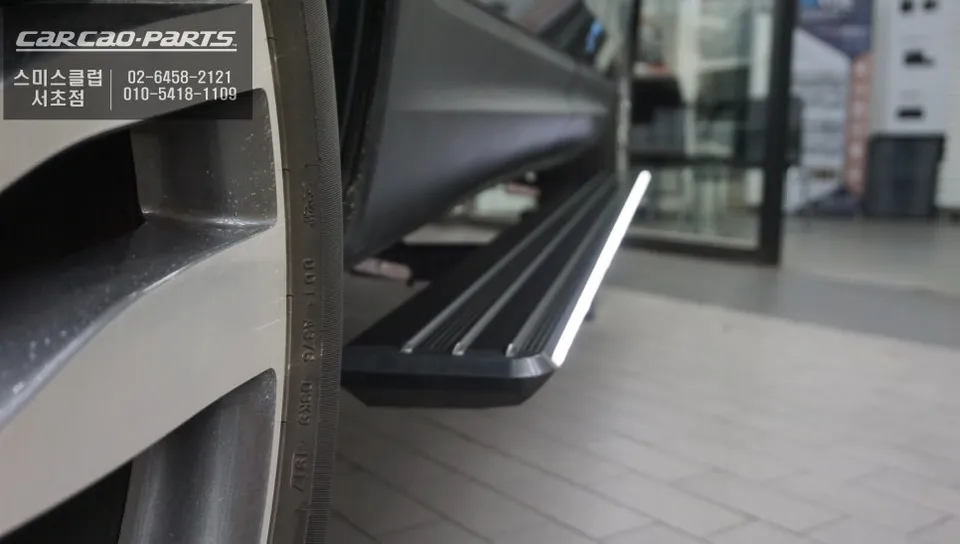
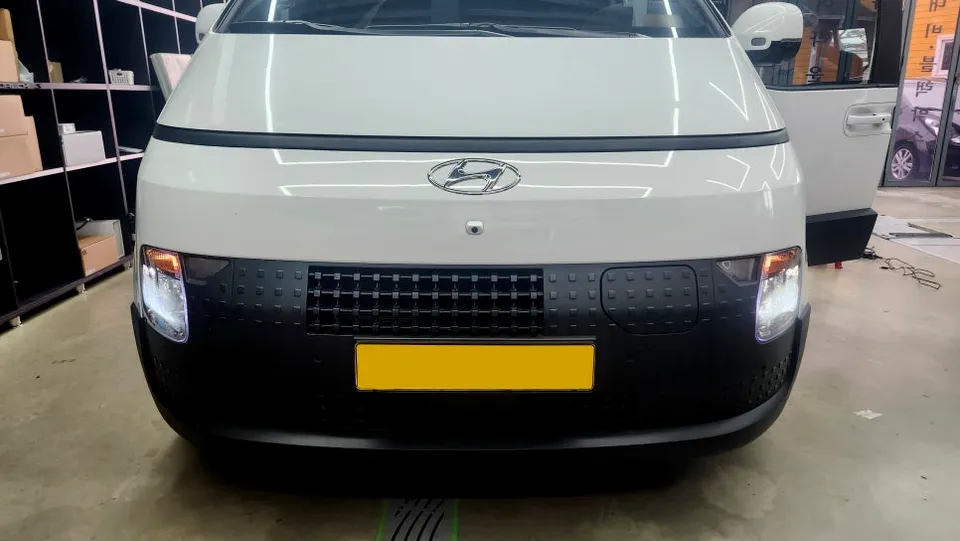
Honda Pilot body kit installation: $115-$150+ for basic parts. Enhances aesthetics with a custom look.
Upgrade Your Honda Pilot with a Body Kit
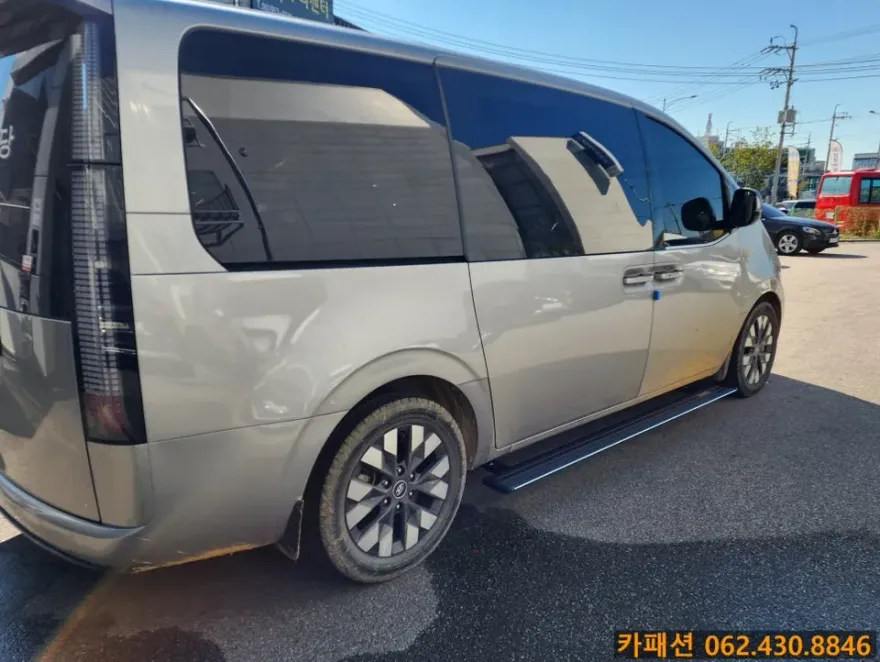
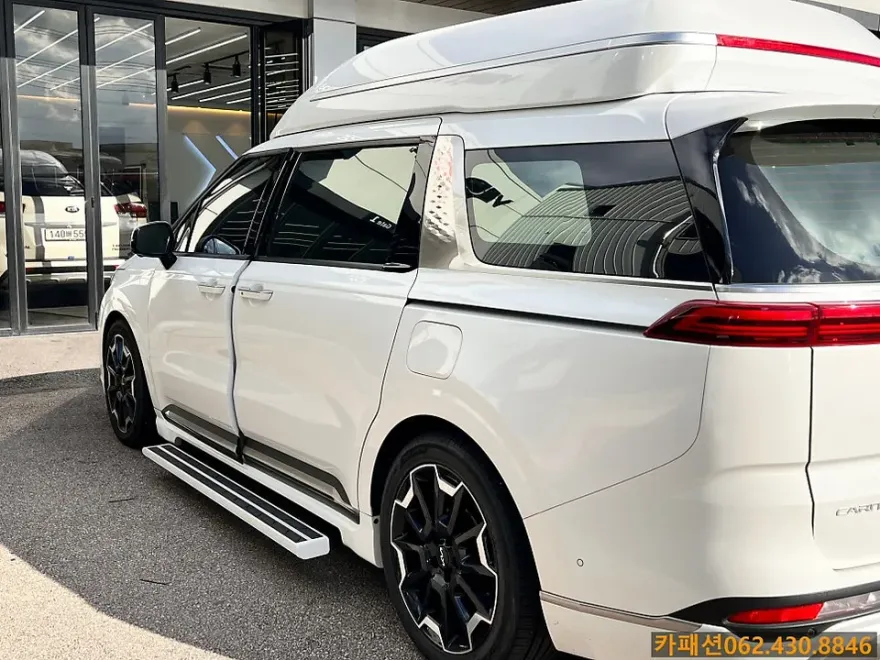
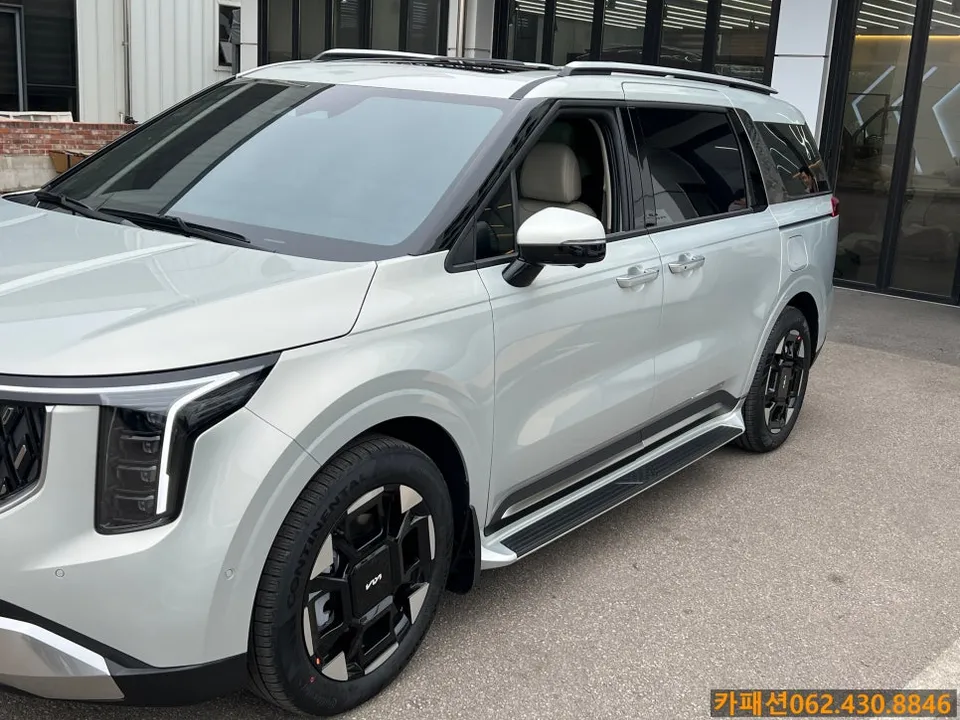
The Honda Pilot, a popular 3-row SUV, is designed for family adventures. However, its substantial size and higher ground clearance can present challenges, especially for younger passengers or those with mobility concerns. While the original Korean context for this review focused on electric side steps for a Honda Pilot, the principles of enhancing a vehicle's functionality and aesthetics with aftermarket parts are universal. This review will explore the general considerations for adding a body kit, including front lip and side skirt installation, to a Honda Pilot, focusing on cost, results, and overall value for US and UK owners.
Body Kit Installation: What to Expect
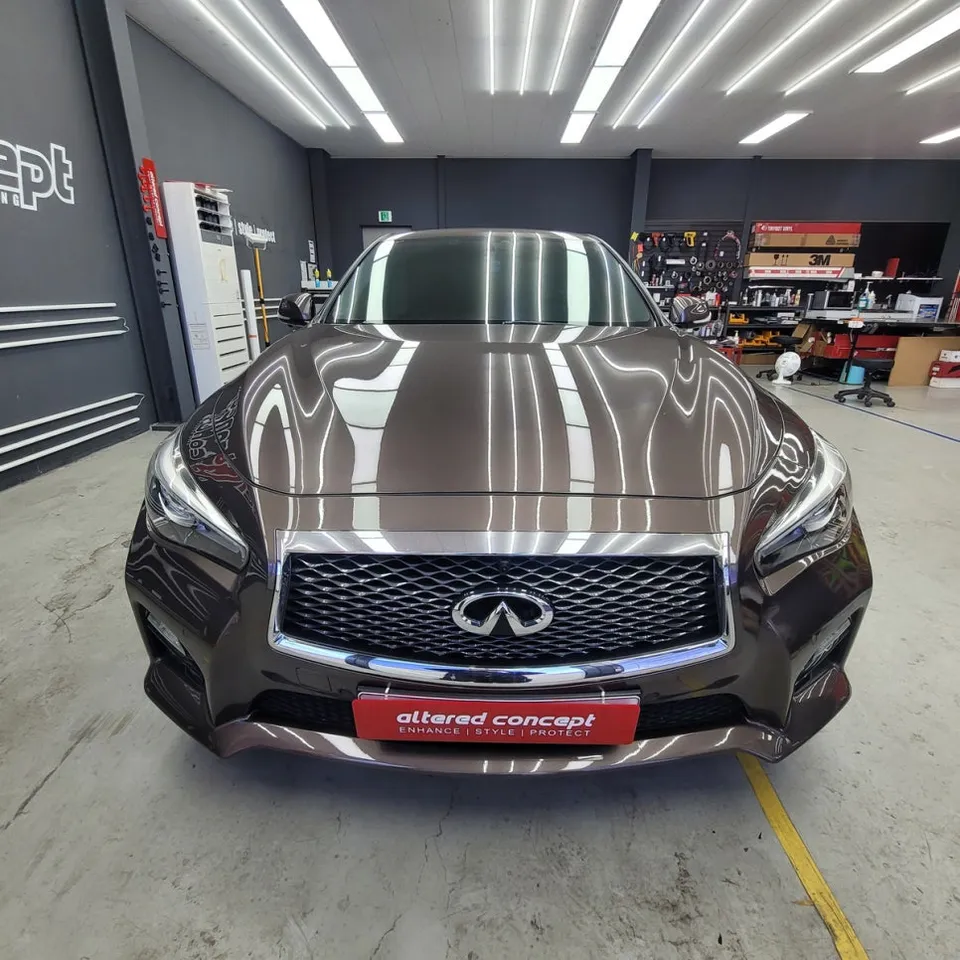
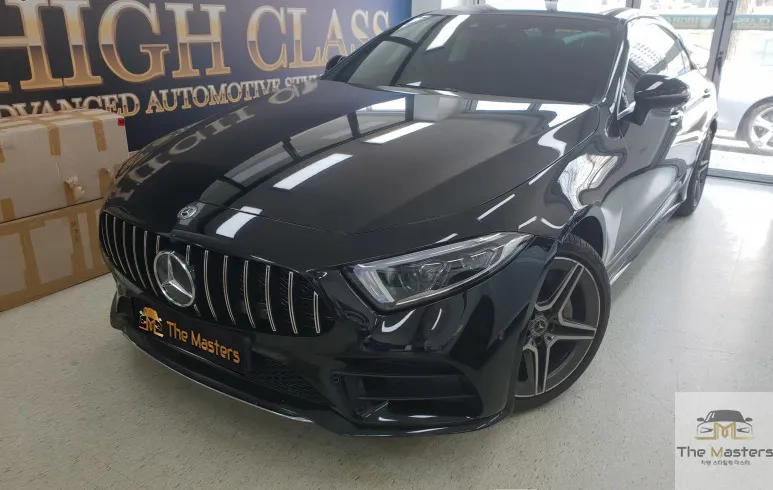
Adding a body kit to your Honda Pilot can significantly alter its appearance, giving it a more aggressive or luxurious stance. This typically involves installing components like a new front bumper cover, side skirts, and a rear bumper extension or spoiler. The body kit installation process requires precision to ensure a seamless fit and finish. While the specific components and complexity can vary, a professional installation is generally recommended to achieve the best results and avoid potential issues.
The cost for a body kit itself can range widely depending on the material and brand, from a few hundred dollars for basic polyurethane or ABS plastic kits to over a thousand for more complex or premium designs. Professional installation costs can add another $500 to $1500 or more, depending on the labor rates in your area and the number of pieces involved. For a Honda Pilot, you might expect the total body kit cost to be in the range of $115–150 for a basic front lip or side skirt set, with full kits costing significantly more.
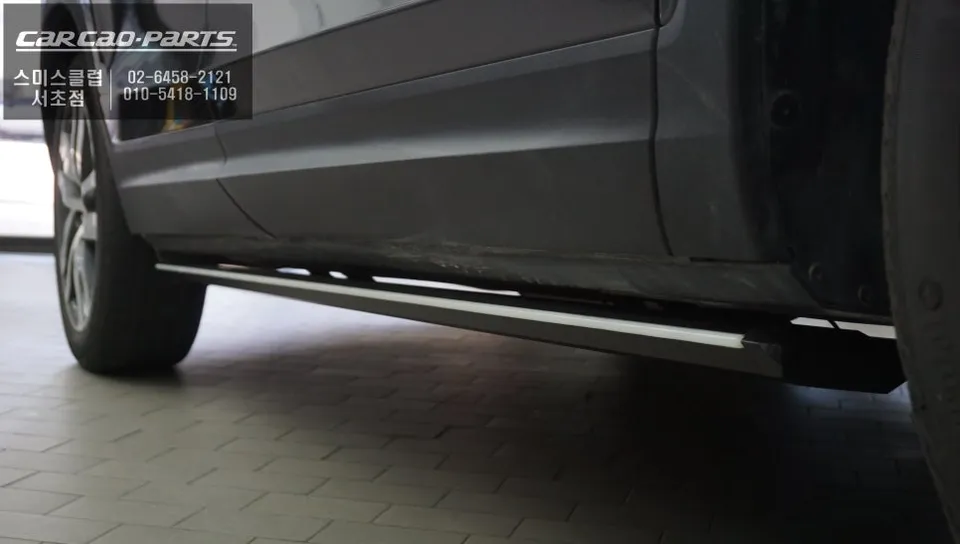
Before & After: Transforming Your Pilot's Look
The most dramatic impact of a body kit is the visual transformation. A well-chosen aero kit can lower the perceived height of the SUV, add sharper lines, and give it a sportier or more upscale presence. Before installation, the Pilot might have a more conventional SUV profile. After the body kit is fitted, it can appear more grounded, wider, and distinctly more aggressive. This aesthetic upgrade is often the primary motivation for owners seeking a personalized look.
Beyond aesthetics, some body kit components, like front lips and side skirts, can subtly influence aerodynamics, though the effect on a vehicle like the Pilot is usually minimal for daily driving. The key benefit is the enhanced visual appeal, making your Pilot stand out from the crowd. The durability of the body kit is crucial; materials like polyurethane are generally more flexible and impact-resistant than fiberglass (FRP), making them a better choice for daily drivers who might encounter minor road debris or parking lot bumps.
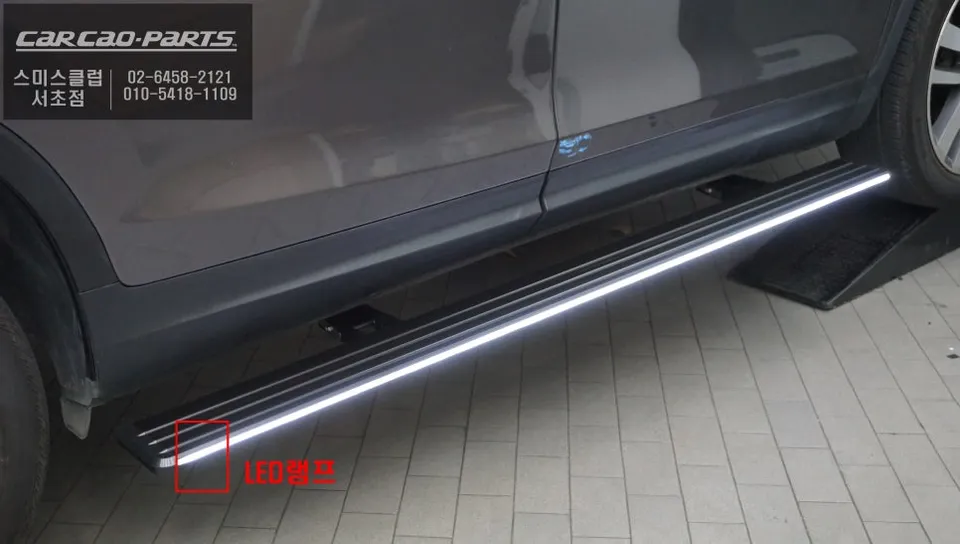
Is a Body Kit Worth It for Your Honda Pilot?
Deciding if a body kit is worth the investment depends on your priorities. If you're looking to significantly customize your Honda Pilot's appearance and achieve a unique look, then the cost and effort may well be justified. For owners who value aesthetics and want their vehicle to reflect a more personalized style, a body kit can be a rewarding modification.
However, it's important to consider the potential downsides. Body kits can be susceptible to damage from road hazards, and repairs can be costly. Furthermore, some kits might affect ground clearance, which could be a concern if you frequently drive on uneven terrain. For a large SUV like the Pilot, the primary benefit is almost always cosmetic. If your goal is purely visual enhancement, and you're prepared for the associated costs and potential maintenance, a body kit can be a worthwhile upgrade.
Installation Process:
- Preparation: The original bumper covers and side skirts are removed. The new body kit components are test-fitted to ensure proper alignment.
- Modification & Fitment: Minor adjustments or trimming may be necessary for a perfect fit. Mounting points are marked and prepared.
- Attachment: The new body kit pieces are securely attached using a combination of factory mounting points, specialized clips, and automotive-grade adhesive or fasteners.
- Finishing: Gaps are checked, and any necessary sealing is performed. The vehicle may then be prepared for painting if the kit is unpainted.
- Painting & Reassembly: If required, the body kit is professionally painted to match the vehicle's color. Finally, any removed components are reinstalled.
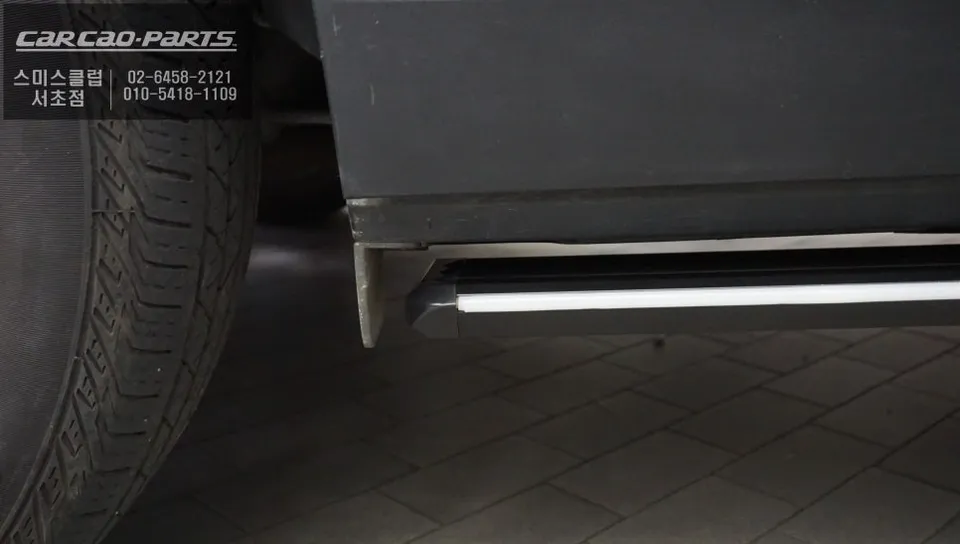
Frequently Asked Questions
Q. How much does a body kit cost for a Honda Pilot?
A basic front lip or side skirt set for a Honda Pilot can cost around $115–150, with full body kits often exceeding $1,000 plus installation.
Q. How long does body kit installation take on a Honda Pilot?
Installation time varies, but typically takes 4-8 hours for a professional. Durability depends on material; polyurethane is generally more resilient than fiberglass.
Q. Is a body kit worth it for a Honda Pilot?
A body kit is worth it if your primary goal is to significantly customize your Honda Pilot's appearance for a unique, sportier look. The value lies in the aesthetic transformation.
Q. How is a body kit installed on a Honda Pilot?
Installation involves removing original parts, test-fitting new components, making adjustments, and securely attaching the kit using fasteners and adhesives. Painting may follow if the kit is unpainted.
Q. What is the difference between FRP and polyurethane body kits for a Honda Pilot?
Polyurethane kits are more flexible and impact-resistant, making them ideal for daily driving and resisting minor damage. FRP (fiberglass) kits are typically stiffer but more prone to cracking upon impact.
Kakao Parts