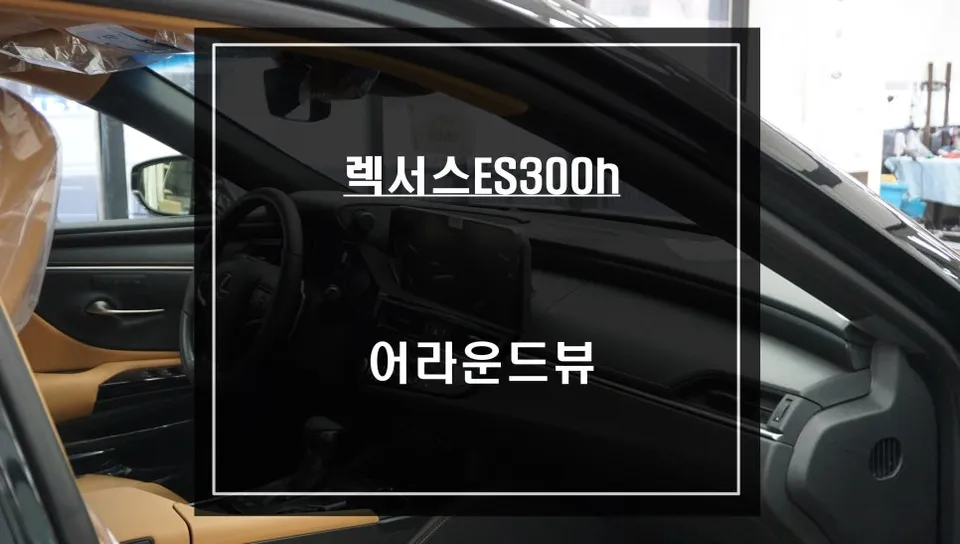
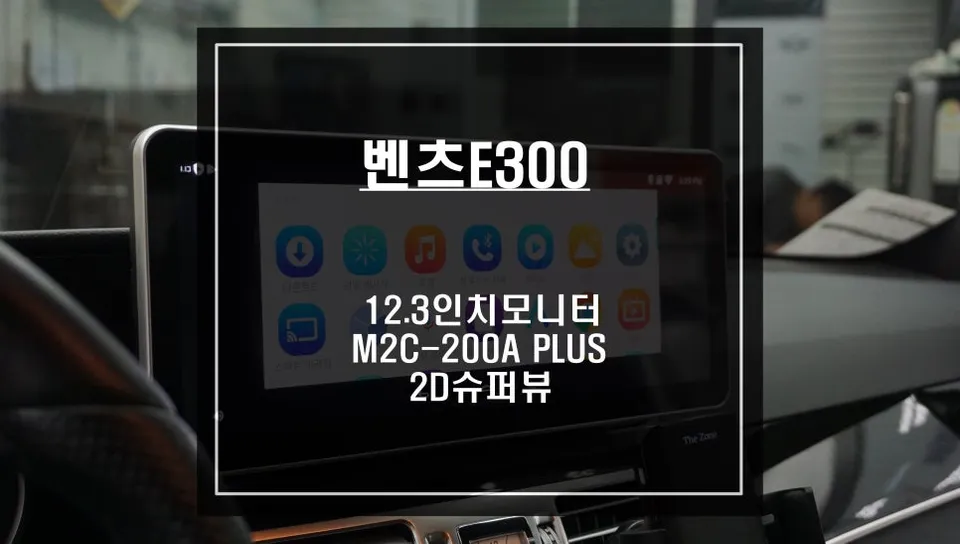
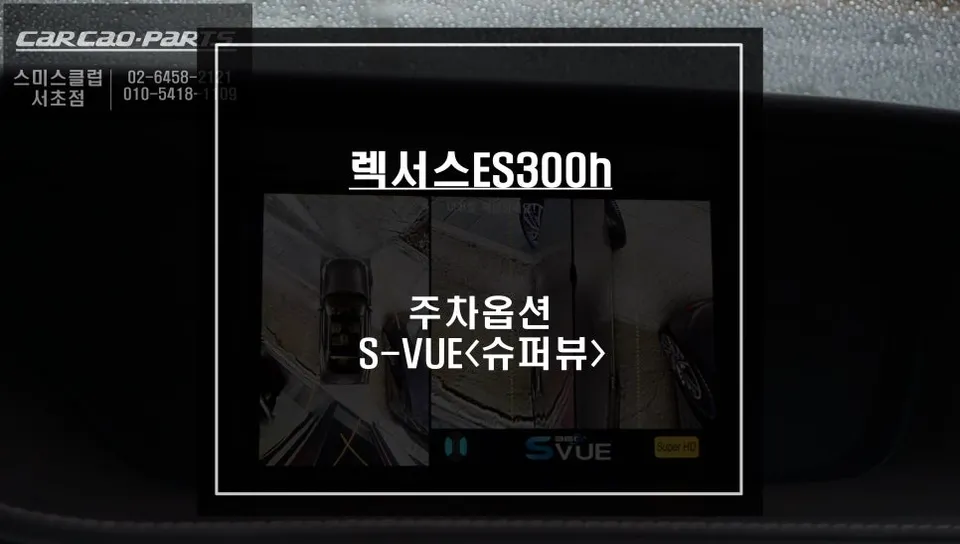
Honda Accord Surround View Camera Review — Installation & Cost
Service Price
$approx. $1,500+
Estimated price · Actual price may vary by shop
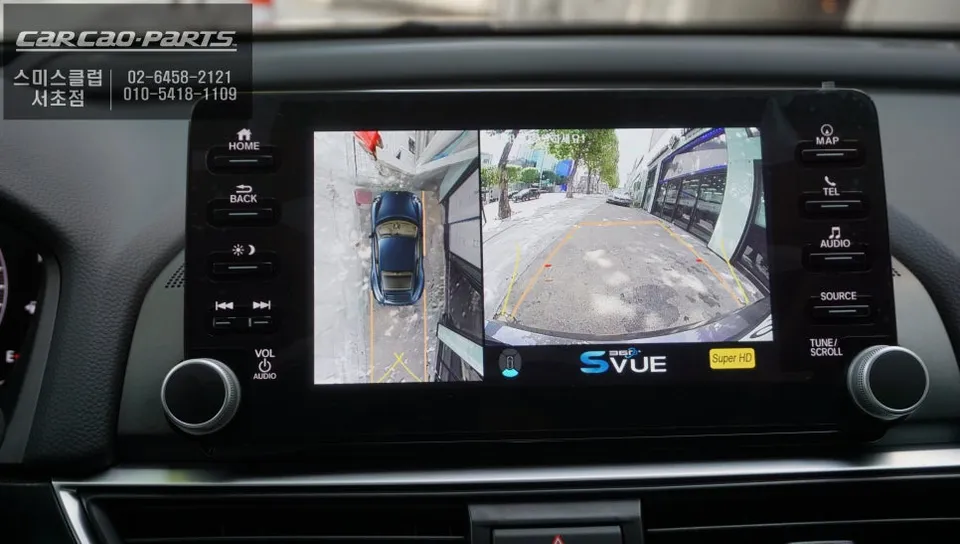
Honda Accord 360 camera retrofit: Approx. $1,500+. Provides 360° bird's-eye view, enhancing parking safety and acting as a 4-channel dashcam.
Honda Accord 360 Camera: Enhancing Safety and Convenience
The Honda Accord is a popular choice for its blend of style, performance, and comfort. However, a common drawback for many owners is the lack of a factory-integrated surround view camera system, leading to blind spots during parking and low-speed maneuvers. This review explores the S-VUE 4-channel system, an aftermarket solution designed to provide a bird's-eye view, significantly improving safety and ease of use, especially in tight urban environments. While the original context for this installation was in South Korea, the technology and benefits are universally applicable to Honda Accord owners seeking to enhance their vehicle's capabilities.
S-VUE Surround View Camera Installation and Features
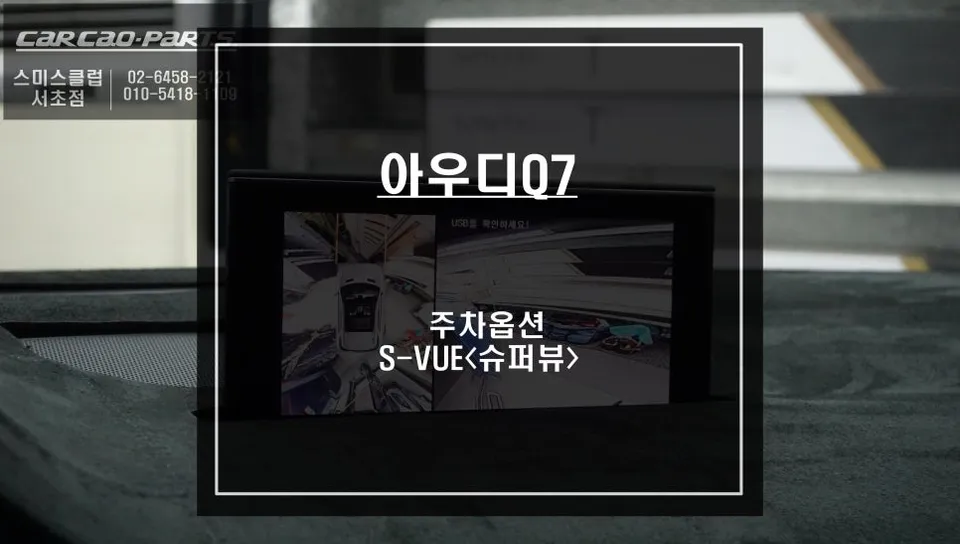
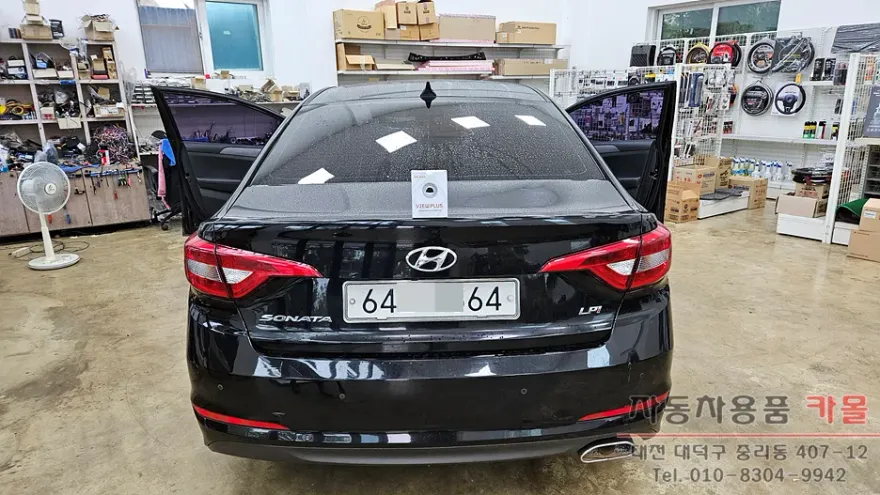
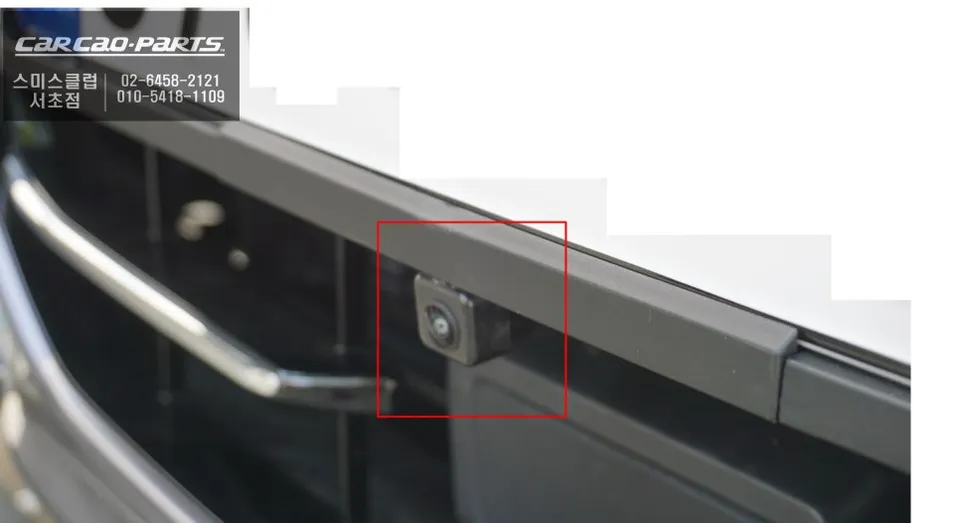
The S-VUE system transforms your Accord by integrating four SUPER HD cameras strategically placed around the vehicle: front, rear, left, and right. These cameras boast Wide Dynamic Range (WDR) technology, ensuring clear, high-quality footage day and night, outperforming many standard OEM cameras. For vehicles with an existing rear camera, the S-VUE installation carefully replaces it, maintaining a factory-like appearance. Wiring is handled with a plug-and-play (1:1 connection) approach, preserving the original wiring harness and simplifying future diagnostics or repairs. This meticulous attention to detail is crucial for a premium aftermarket installation.
The core of the surround view system is its ability to create a seamless 360-degree top-down view. This is achieved through a critical calibration process called 'empty load correction' (or calibration). Using a specialized pattern, technicians manually adjust each camera's position and angle to accurately stitch their feeds together. Proper calibration is essential; without it, the resulting top-down image can be distorted, making it difficult to accurately judge distances to obstacles or parking lines. Once calibrated, the system displays a bird's-eye perspective, allowing drivers to see low-lying objects, pedestrians, and precise parking boundaries—features that often surprise owners with their clarity and utility.
Operation is intuitive. Shifting into reverse (R) automatically activates the top-view mode, displaying the rear camera feed alongside parking sensor warnings. Engaging drive (D) maintains the top-view, now incorporating the front camera feed for forward visibility. The system reverts to normal display after a set period or can be manually accessed by double-pressing the hazard light button, providing instant access to the 360-degree view when needed, without constant distraction.
A key differentiator for the S-VUE system is its use of LVDS (Low Voltage Differential Signaling) technology. Unlike many aftermarket systems that rely on analog or lower-quality digital signals, LVDS connects directly to the car's monitor, transmitting high-definition video with minimal signal loss. This results in exceptionally crisp and clear imagery that integrates seamlessly with the Accord's premium interior aesthetic. The system also supports Parking Assist System (PAS) functionality, where the displayed parking lines move with the steering wheel, and can be configured to show side camera views when turn signals are activated, enhancing situational awareness during lane changes.
Beyond parking assistance, the S-VUE system doubles as a 4-channel dashcam. By connecting a USB storage device to a port installed in the glove compartment, the system records footage from all four cameras simultaneously. This provides comprehensive 360-degree coverage, invaluable for documenting accidents or incidents, especially in parking lots or during side-swipes.
Maintenance and Durability
The S-VUE surround view camera system requires minimal maintenance. The primary consideration is protecting the external camera lenses. Avoid direct, high-pressure water spray during car washes, as this can potentially damage the delicate optics. Gentle cleaning with a soft cloth is usually sufficient. In winter, condensation or frost on the lenses can temporarily impair visibility; using the vehicle's defroster function can help clear this. Regular, light cleaning ensures the lenses remain clear and the system functions optimally.
Is a Surround View Camera Worth It for Your Honda Accord?
The decision to install an aftermarket surround view camera system like the S-VUE on a Honda Accord hinges on your driving habits and environment. For drivers who frequently navigate tight parking spaces, busy city streets, or simply desire enhanced peace of mind, the investment can be substantial but worthwhile. The system's ability to eliminate blind spots, provide a comprehensive view of the vehicle's surroundings, and even function as a 4-channel dashcam offers significant safety and convenience benefits. While the original installation context was in South Korea, the approximate cost for such a system in the US can range from $1,500 upwards, depending on the specific kit and installation complexity. This price reflects the advanced technology and comprehensive coverage provided. The S-VUE system, with its LVDS high-definition output and integrated features, represents a significant upgrade over basic parking aids, making it a compelling option for Accord owners prioritizing safety and advanced driver assistance.
Installation process:- Strategic placement and mounting of four SUPER HD cameras (front, rear, left, right).
- Careful routing and connection of wiring using plug-and-play methods to preserve the factory harness.
- Comprehensive calibration ('empty load correction') to accurately stitch camera feeds into a seamless 360-degree top-down view.
- Integration with existing vehicle systems, such as parking sensors and steering input for PAS.
- Testing of all functions, including automatic view switching, manual override, and 4-channel recording.
Frequently Asked Questions
Q. How much does a 360 camera installation cost for a Honda Accord?
The S-VUE system, as detailed in this review, is priced around 2.5 million KRW in South Korea, which translates to approximately $1,500+ USD. Typical US pricing for similar high-quality aftermarket surround view camera installations can range from $1,000 to $2,500 or more, depending on the brand and complexity.
Q. How long does a surround view camera installation take on a Honda Accord?
A professional surround view camera installation typically takes between 6 to 8 hours to complete. Proper maintenance involves keeping the camera lenses clean by gently wiping them with a soft cloth and avoiding high-pressure water jets during car washes.
Q. Is an aftermarket 360 camera worth it for a Honda Accord?
Yes, an aftermarket 360 camera is highly recommended for Honda Accord owners who frequently navigate tight spaces or desire enhanced parking safety. It offers significant value by eliminating blind spots and providing a comprehensive view, improving both confidence and convenience.
Q. How is a surround view camera system installed on a Honda Accord?
Installation involves strategically mounting four SUPER HD cameras (front, rear, sides), connecting their wiring using plug-and-play methods, and performing a crucial calibration process to create a seamless 360-degree top-down view. The system is then integrated with the vehicle's display and sensors.
Q. What is the difference between OEM and aftermarket surround view cameras for a Honda Accord?
Aftermarket systems like S-VUE often offer superior image quality (e.g., LVDS) and features not found in OEM options, especially for models without factory integration. While OEM systems are seamlessly integrated, high-end aftermarket solutions can provide comparable or even better performance and functionality for a potentially lower cost.
Q. What should I know before getting Surround View Camera on a Honda Accord? (common regrets and mistakes)
The most common regret is choosing a low-quality system with poor image clarity or unreliable calibration. To avoid this, opt for systems using high-definition video transmission like LVDS and ensure the installer performs meticulous calibration.
Kakao Parts