Hyundai Azera OEM Rear Camera & Mirror Monitor Upgrade Review
Service Price
$150+
Estimated price · Actual price may vary by shop

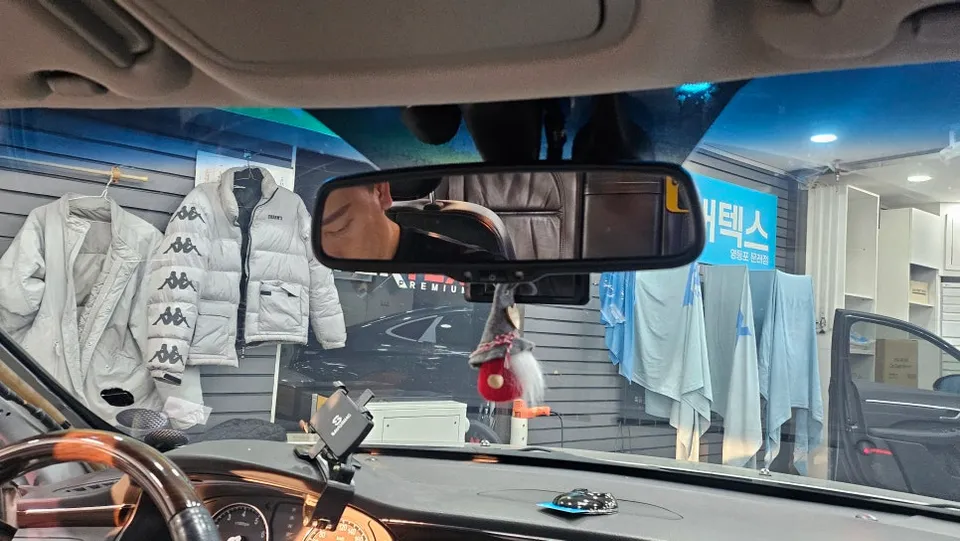
Hyundai Azera OEM rear camera & mirror monitor upgrade: Enhances parking safety and ease for drivers, especially new ones. Approx. 40 min install.
Why Your Hyundai Azera Needs a Rear Camera System
As vehicles evolve, sometimes we find ourselves driving older, yet beloved, cars. This review focuses on a Hyundai Azera, a car that has been passed down through generations. When the youngest daughter, a new driver, inherited the car, her father recognized the need for enhanced safety features. He determined that a rear camera system was essential, especially considering the Azera's size and the driver's limited experience.
While most new cars come standard with rear cameras today, older models like the TG Grandeur (the Korean name for the Azera in certain generations) often lacked this crucial feature, which was considered a premium option at the time of release. For current owners, the absence of such a seemingly basic function can be a significant inconvenience. For novice drivers, relying solely on mirrors for parking and reversing is challenging due to limited angles and difficulty judging the vehicle's dimensions. The potential consequences of parking errors in a substantial sedan like the Azera can be considerable.
The core message here is simple: even an older Grandeur can be made as safe and user-friendly as a modern vehicle with the installation of a rear camera and monitor system.
The Mirror Monitor: The Most Practical Solution
Once the decision to install a rear camera is made, the next consideration is the monitor. Traditionally, the integrated navigation screen was used to display the rear camera feed. However, this approach often involves significant costs, potentially requiring upgrades or new navigation system installations. Furthermore, having to look at the navigation screen while driving can be distracting.
This is where the mirror monitor emerges as the most sensible solution. It functions as a standard rearview mirror during normal driving but seamlessly switches to display the camera feed when the vehicle is in reverse. This not only saves costs but also maintains the familiar rearview mirror experience, eliminating distractions. For households with new drivers, it represents the most cost-effective and practical upgrade.
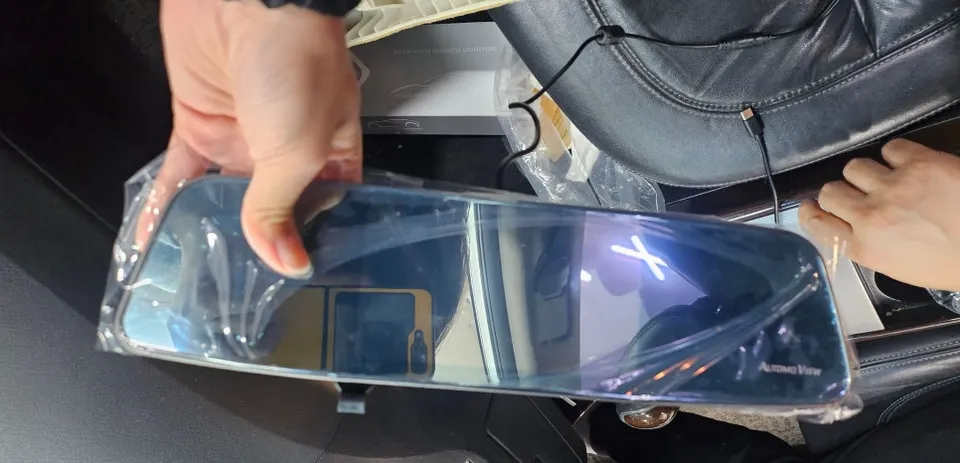
Installation Process for the TG Grandeur Rear Camera
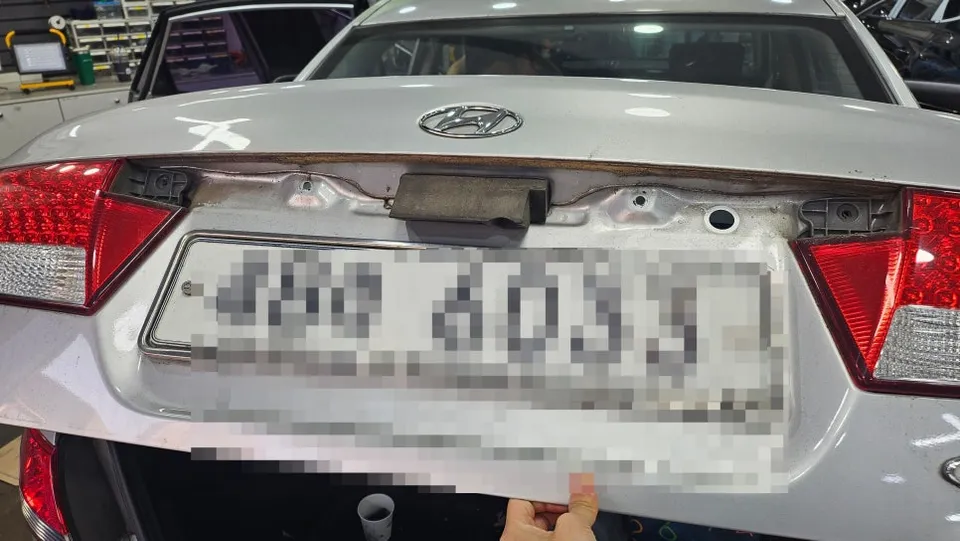
The installation begins with the technician identifying the optimal location for the rear camera. Typically, it's mounted on the trunk lid, centered above the rear bumper, to ensure the widest possible field of view.
Next is the wiring. The video signal and power cables from the camera need to be routed into the car's interior. This usually involves drilling a small, discreet hole in the trunk lid edge, which must be properly waterproofed (sealed) to prevent water ingress and potential vehicle damage.
The trunk trim panels are then removed to allow for the routing of the wires. Care must be taken to avoid interference with existing electronics, such as dashcams or interior lighting. For the TG Grandeur, the relatively simple interior structure of the trunk area often makes this part of the process straightforward.
The entire installation process typically takes around 40 minutes. This includes initial pathfinding for the wires, mounting the camera, removing and replacing trim, connecting the mirror monitor's power and signal, and final testing and tidying up.
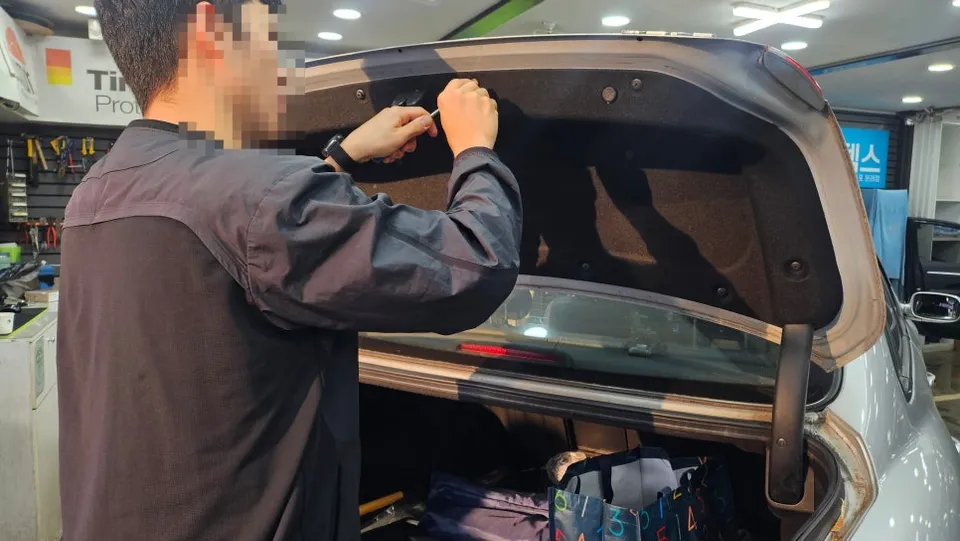
Real-World Results: A Transformed Parking Experience
Upon completion, the most immediate benefit is the significantly expanded field of view compared to the standard rearview mirror. The larger screen displays the entire rear area, making it easier to gauge distances, often showing the rear bumper itself within the frame. This enhanced visibility dramatically simplifies parking maneuvers, especially for inexperienced drivers, providing a much-needed confidence boost.
Frequently Asked Questions
Q. How much does an OEM rear camera and mirror monitor upgrade cost for a Hyundai Azera?
The cost for this specific TG Grandeur installation was detailed in Korean Won. Typical US pricing for similar aftermarket or OEM-style rear camera and mirror monitor kits can range from $150 to $400, depending on the brand and features.
Q. How long does the OEM rear camera and mirror monitor installation take on a Hyundai Azera?
The installation process for the rear camera and mirror monitor on this Hyundai Azera took approximately 40 minutes. Proper maintenance involves ensuring the camera lens remains clean and the wiring connections are secure to guarantee long-term functionality.
Q. Are OEM rear camera and mirror monitor upgrades worth adding after purchase for a Hyundai Azera?
Yes, adding an OEM-style rear camera and mirror monitor is highly recommended for drivers of older Hyundai Azera models, especially novice drivers, as it significantly enhances safety and parking convenience. The value lies in transforming a potentially challenging driving experience into a more secure and comfortable one.
Q. How are OEM rear camera and mirror monitor options installed on a Hyundai Azera?
Installation involves mounting the camera on the trunk lid, routing wiring through the trunk area into the cabin, and connecting it to a replacement rearview mirror that incorporates a display screen. The process includes securing the camera, ensuring waterproof wiring connections, and integrating the monitor seamlessly.
Q. What is the difference between dealer-installed options and aftermarket upgrades for a Hyundai Azera?
Dealer-installed options are typically genuine OEM parts designed specifically for the vehicle, often integrated seamlessly, while aftermarket upgrades can offer similar functionality but may vary in quality and integration. For safety features like rear cameras, choosing a reputable OEM-style kit provides a balance of performance and cost-effectiveness.
OhCar Partner Shop