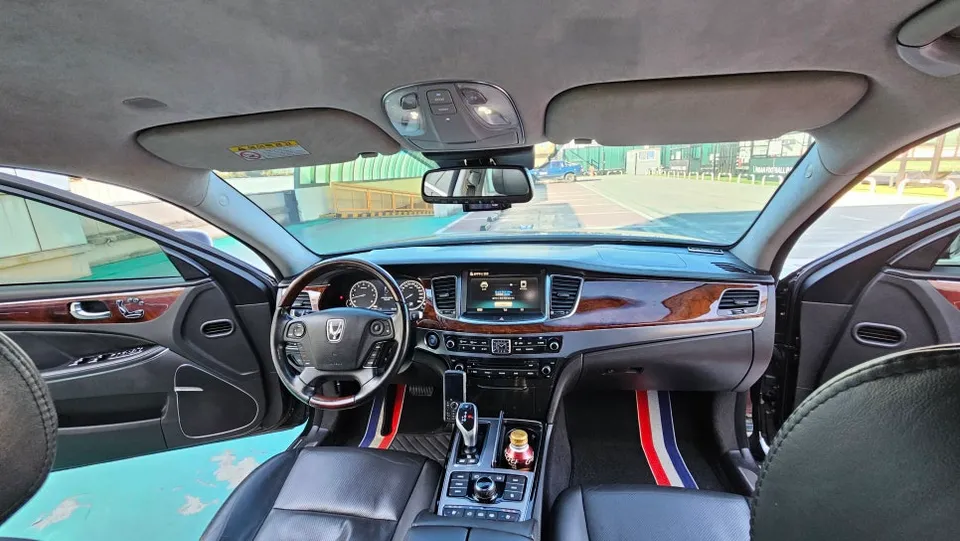
Hyundai Azera OEM Options Review: Cost & Results
Service Price
$75–115
Estimated price · Actual price may vary by shop
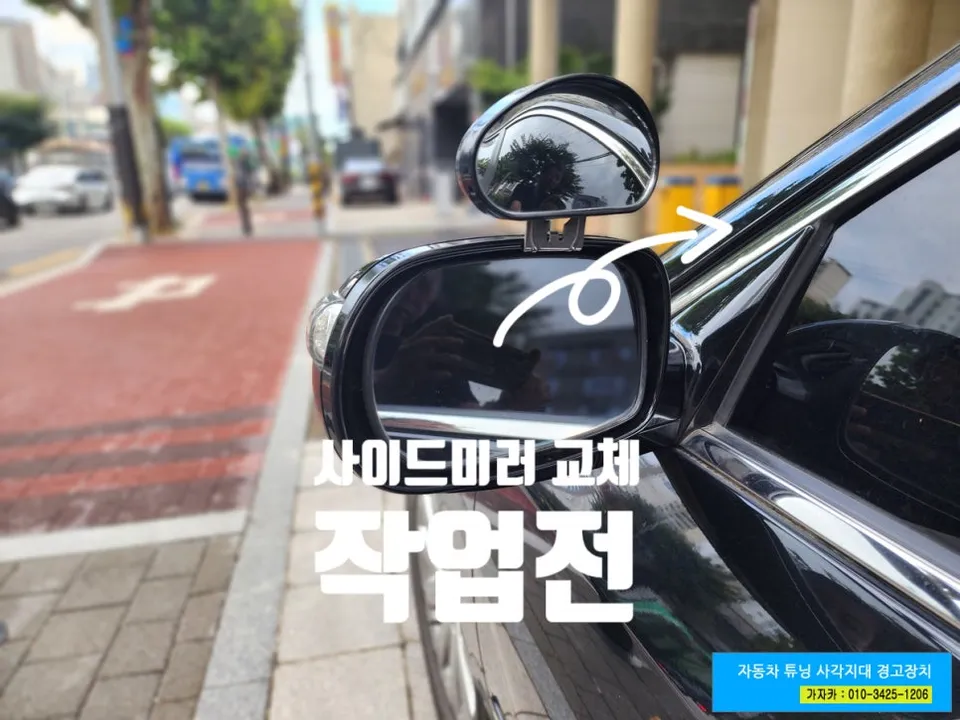
Before

After
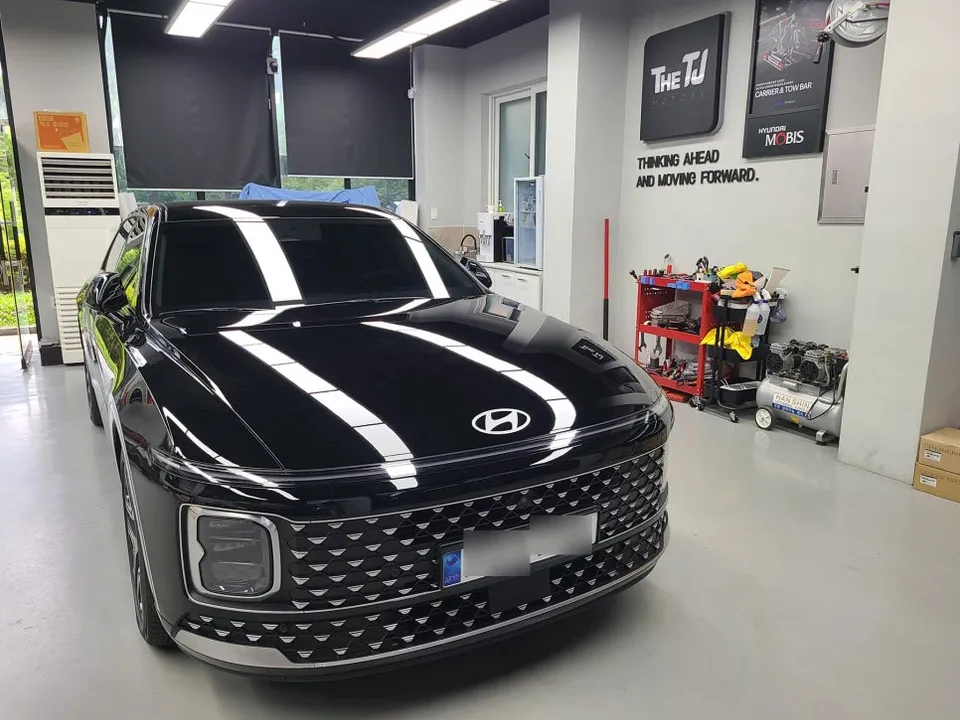
Process photos
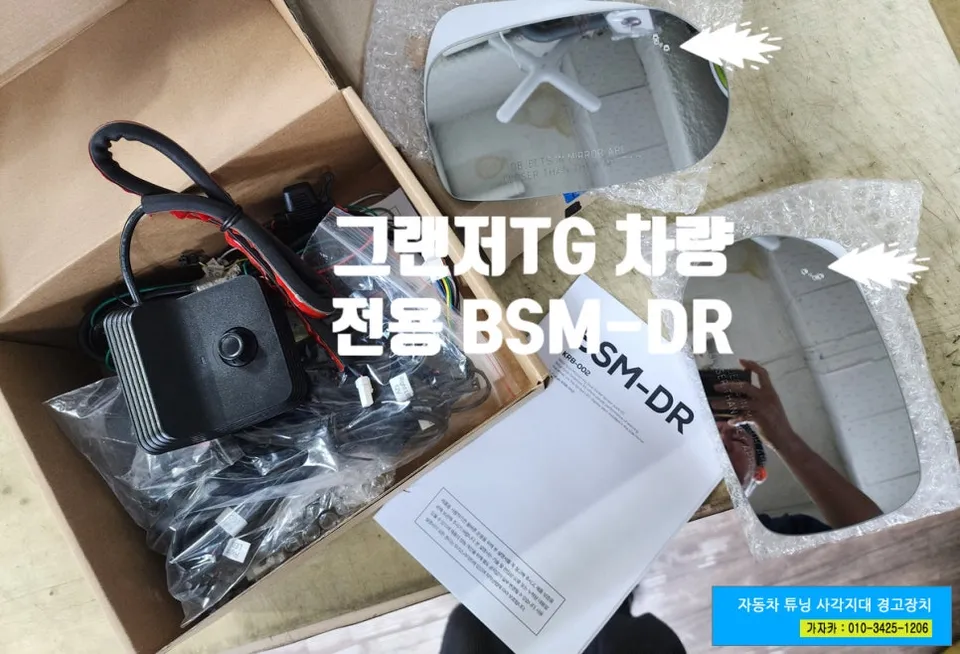
Hyundai Azera blind-spot detection retrofit: Approx. $375-$750 USD. Enhances safety with dual-radar sensors and mirror alerts.
Upgrade Your Hyundai Azera with Factory Options
Many modern vehicles come equipped with advanced safety and convenience features as standard. However, if you own a slightly older model like the Hyundai Azera, particularly a 2007-2008 Luxury trim, you might be missing out on some of these crucial upgrades. Fortunately, aftermarket solutions can bring these features to your car, enhancing safety and driving experience. This review focuses on retrofitting a rear-side blind-spot detection system (BSM) using a dual-radar setup, a popular factory option upgrade for vehicles that didn't originally include it.
Why Consider a Blind-Spot Detection System?
The Blind Spot Monitoring system (BSM) is a vital safety feature that alerts drivers to vehicles in their blind spots, areas that are difficult or impossible to see directly in the mirrors. This is especially critical during lane changes on highways or navigating busy streets. For Azera models that did not come with this from the factory, a dual-radar BSM system can significantly mitigate the risk of accidents caused by unseen vehicles. The system uses radar sensors installed on the rear bumper to monitor the zones to the rear and sides of your vehicle. When a vehicle enters these zones, the system provides an alert, typically through a warning light on the side mirrors and an audible chime if you activate your turn signal while a car is detected.

Installation Process: Dual-Radar BSM Retrofit
Installing a dual-radar BSM system involves several precise steps to ensure optimal performance and safety. The process typically takes around 3 to 4 hours to complete. Here’s a breakdown of the installation:
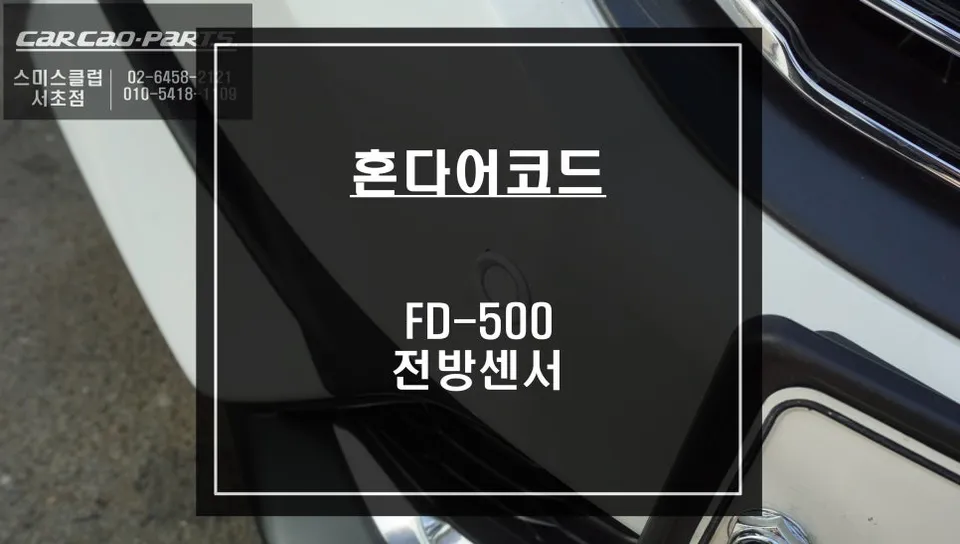
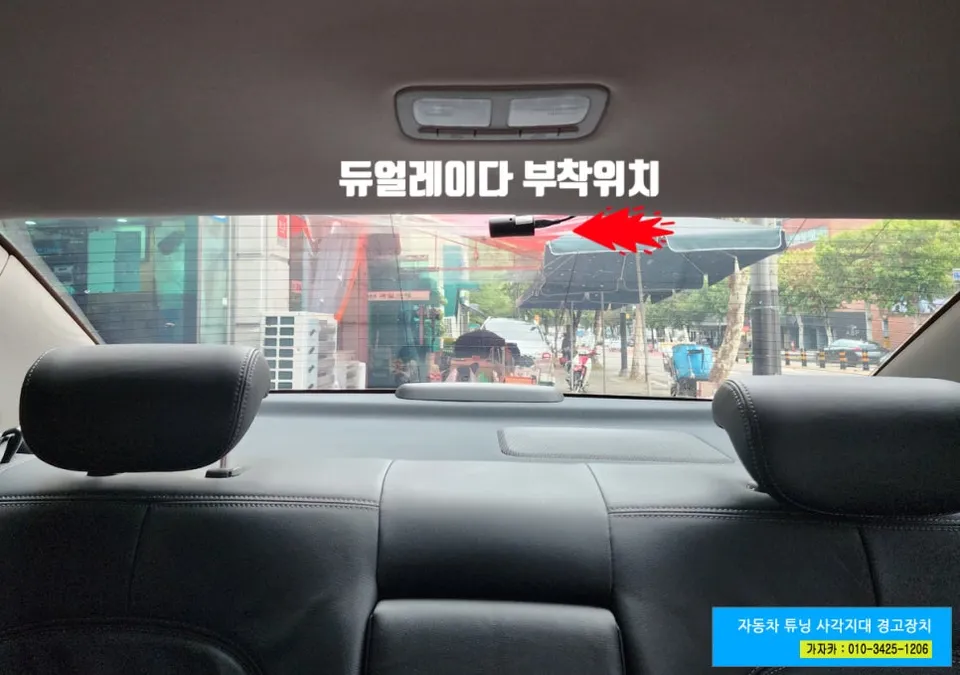
- Sensor Placement: Radar sensors are meticulously mounted on the left and right sides of the rear bumper. Proper alignment is crucial for accurate detection.
- Module Integration: A dual-radar control module is securely installed within the vehicle, often in a discreet location. Wiring is carefully routed to connect the sensors and module to the vehicle's electrical system.
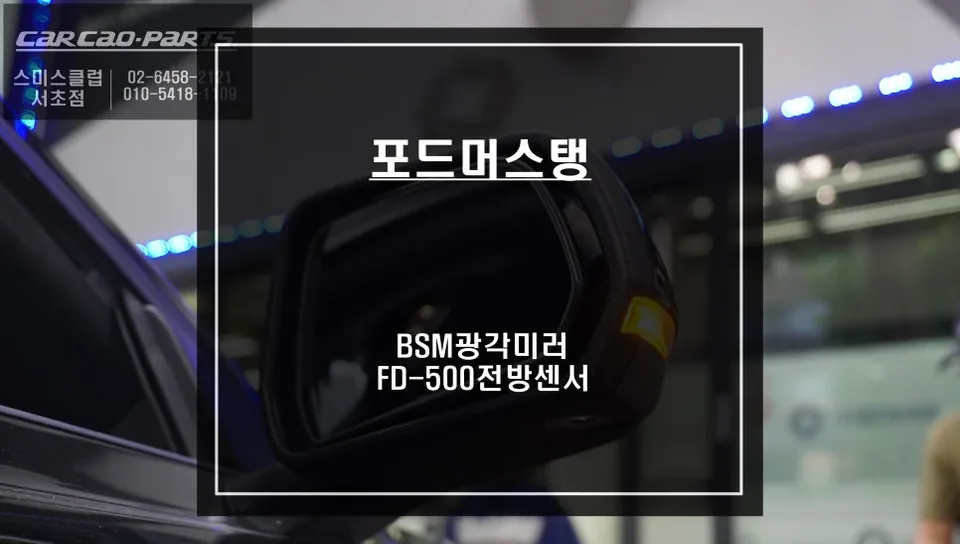
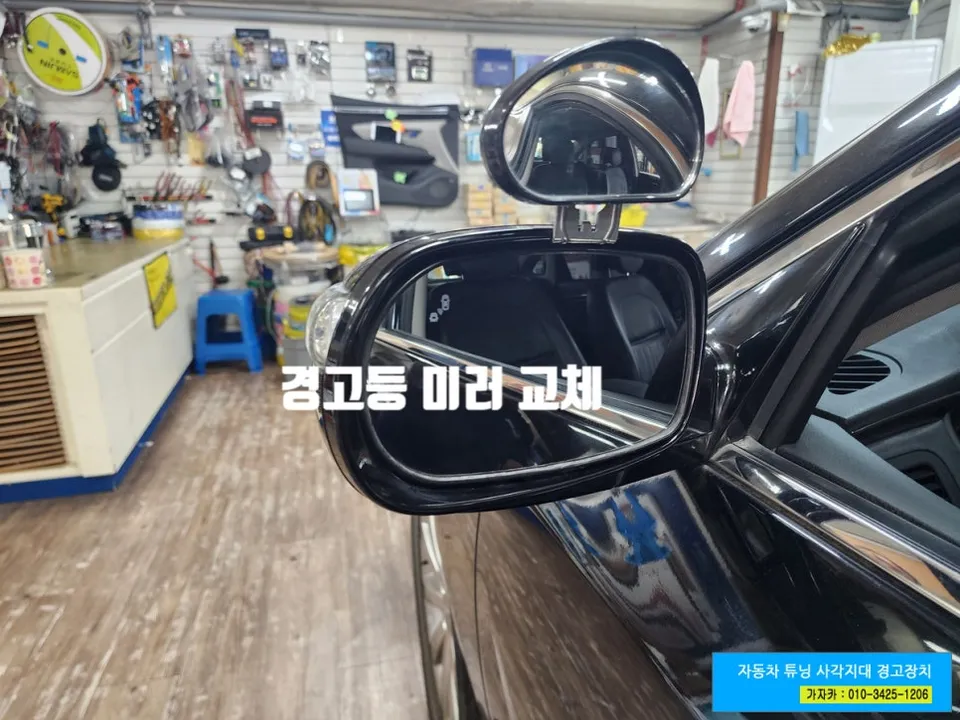
- Mirror Replacement: The original side mirrors are replaced with units that incorporate integrated BSM warning lights. These lights visually alert the driver when a vehicle is detected in the blind spot.
- GPS Module Installation: A GPS module is often included and installed to enhance the system's accuracy and functionality.
- System Calibration and Testing: After installation, the system is calibrated and thoroughly tested to ensure the sensors and warning indicators function correctly under various driving conditions.
The original context for this installation was performed at a specialist shop in Seoul, South Korea. While specific pricing in USD isn't directly provided, similar systems in the US can range from $75 to $115 for basic kits, with professional installation adding to the total cost. In Korea, the cost for such a retrofit can range from approximately 500,000 to 1,000,000 KRW (roughly $375-$750 USD), depending on the specific product and installation complexity.
Frequently Asked Questions
Q. How much does OEM option and factory upgrade installation cost for a Hyundai Azera?
Retrofitting a dual-radar blind-spot detection system on a Hyundai Azera, as performed in Korea, can cost between 500,000 to 1,000,000 KRW (approx. $375-$750 USD). Similar systems in the US can range from $75-$115 for basic kits, with professional installation adding to the total cost.
Q. How long does OEM options installation take on a Hyundai Azera?
The installation of a dual-radar blind-spot detection system typically takes about 3 to 4 hours to complete. With proper maintenance and care, the radar sensors and associated electronics are designed for long-term durability, often lasting the lifetime of the vehicle.
Q. Are OEM options worth adding after purchase for a Hyundai Azera?
Adding OEM-style options like a blind-spot detection system is highly recommended for Azera models that lack it, significantly enhancing safety during lane changes. The value proposition lies in gaining modern safety technology at a fraction of the cost of a new vehicle.
Q. How are OEM factory options installed on a Hyundai Azera?
Installation involves mounting dual radar sensors on the rear bumper, integrating a control module, and replacing side mirrors with units featuring integrated warning lights. The system is then calibrated and tested for accurate detection and alerts.
Q. What is the difference between dealer-installed options and aftermarket upgrades for a Hyundai Azera?
Dealer-installed options are typically genuine OEM parts installed by the dealership, often at a higher cost but with guaranteed compatibility. Aftermarket upgrades, like the dual-radar BSM discussed, offer similar functionality, sometimes with advanced features, at a potentially lower price point, but require careful selection of reputable brands and installers.
OhCar Partner Shop