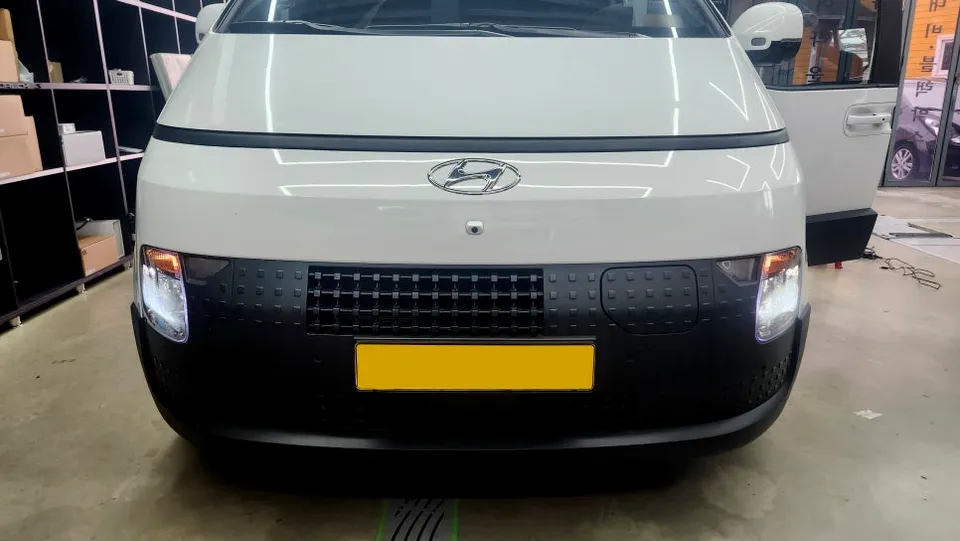
Ford Mustang OEM Options Review: Blind Spot & Sensor Upgrade
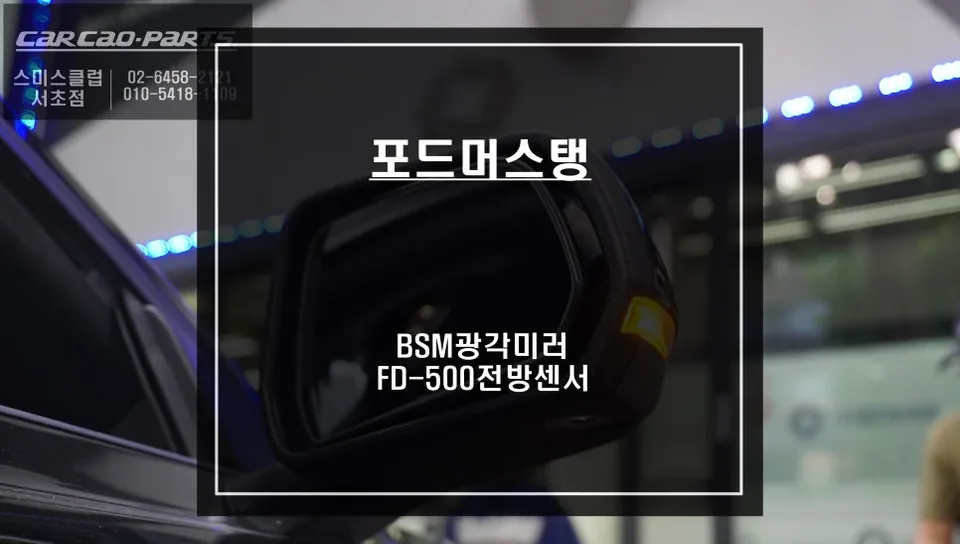
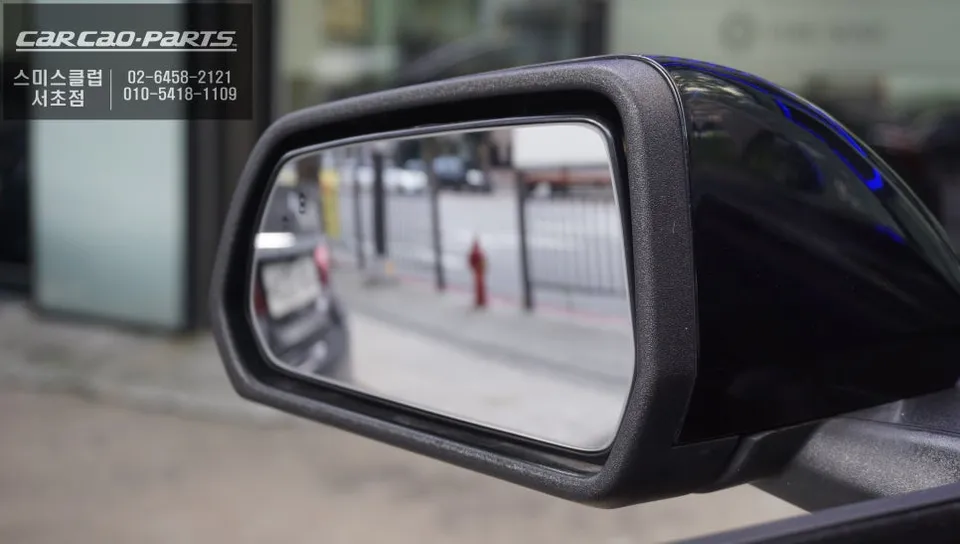
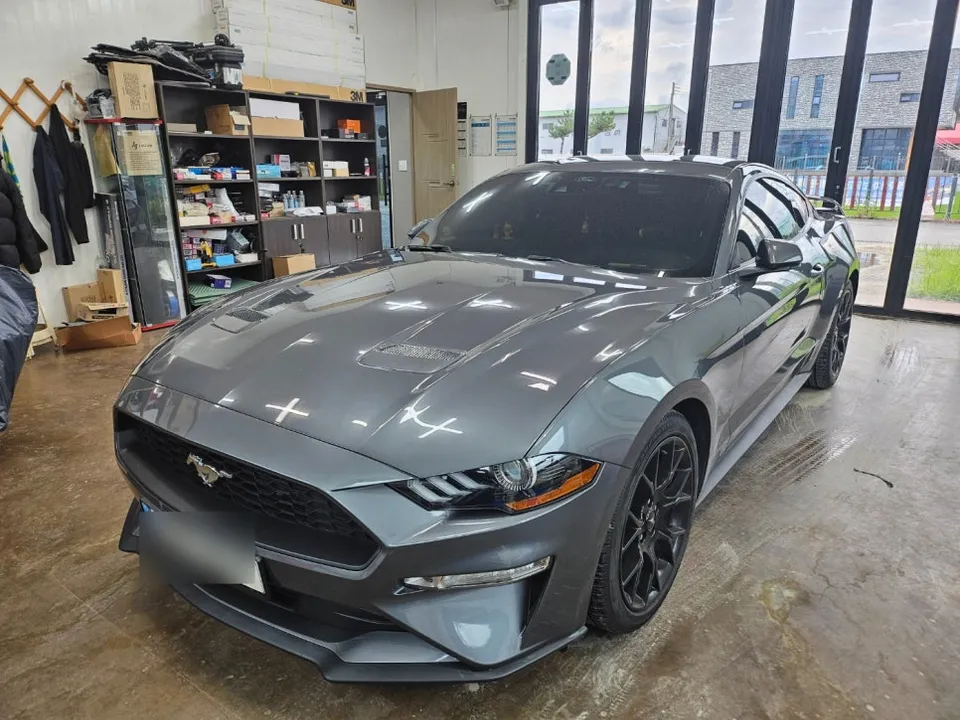
Ford Mustang wide-angle mirrors & front sensors installed in Korea. Enhances safety by eliminating blind spots and detecting obstacles.
Ford Mustang: Why Wide-Angle Mirrors are Essential
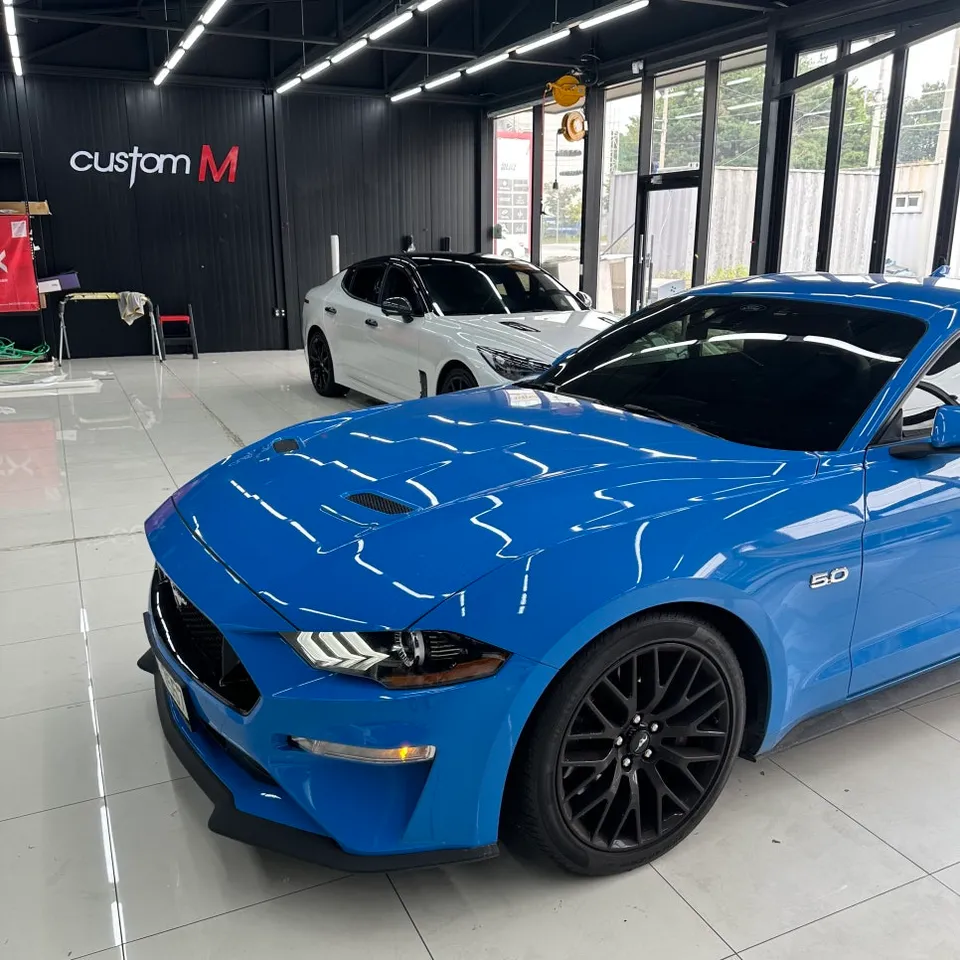
The Ford Mustang's elongated body design creates significant blind spots with its stock side mirrors. This makes lane changes and parking particularly risky, as the rear portions of the vehicle are often obscured. Many Mustang owners express regret for not upgrading sooner, realizing that wide-angle mirror installation is less about aesthetics and more about ensuring safe driving. This review covers a specific OEM-style wide-angle mirror and front sensor upgrade performed in Korea.
The upgrade featured here uses wide-angle mirrors manufactured to match the original Ford Mustang's mold. Unlike generic aftermarket options, the quality of these mirrors is paramount. Inconsistent optical curvature can lead to visual distortion, but these mirrors utilize an 800R glass curvature, precisely engineered to minimize distortion. This attention to detail is reflected in their high customer satisfaction ratings.
Pre-Installation Blind Spot Assessment
Before the installation, the original field of vision from the Mustang's stock mirrors was evaluated. Sitting in the driver's seat, it was clear that numerous areas were invisible. Specifically, the rear-right quadrant, approximately 1-2 meters behind the vehicle, was a complete blind spot, posing a significant hazard during lane changes. Technicians noted that drivers who spend long hours on the road often feel the necessity of wide-angle mirrors most acutely, with many stating they can't imagine going back to standard mirrors.
Wide-Angle Mirror Installation for a Factory Look
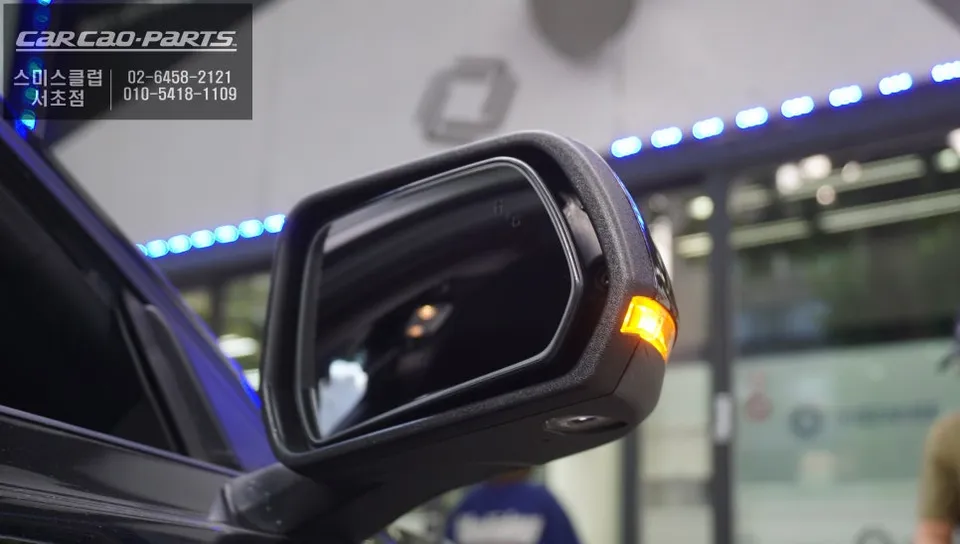
While seemingly straightforward, the meticulous finishing of wide-angle mirror installation is crucial. The process involves carefully removing the original mirrors and precisely adjusting the new wide-angle mirrors to the correct angle. Using mirrors designed to fit the original mold ensures the final installation looks as if it were a factory option. The angle adjustment requires precision in both horizontal and vertical planes; even slight misalignments can distort the view. Technicians repeatedly fine-tuned the angle while seated in the driver's position to maximize the benefit of the 800R curvature. A key point to note is that wide-angle mirrors can make objects appear closer than they are. An initial adjustment period of about three days is typically needed for the brain to compensate, a necessary phase for adapting to safer driving perspectives.
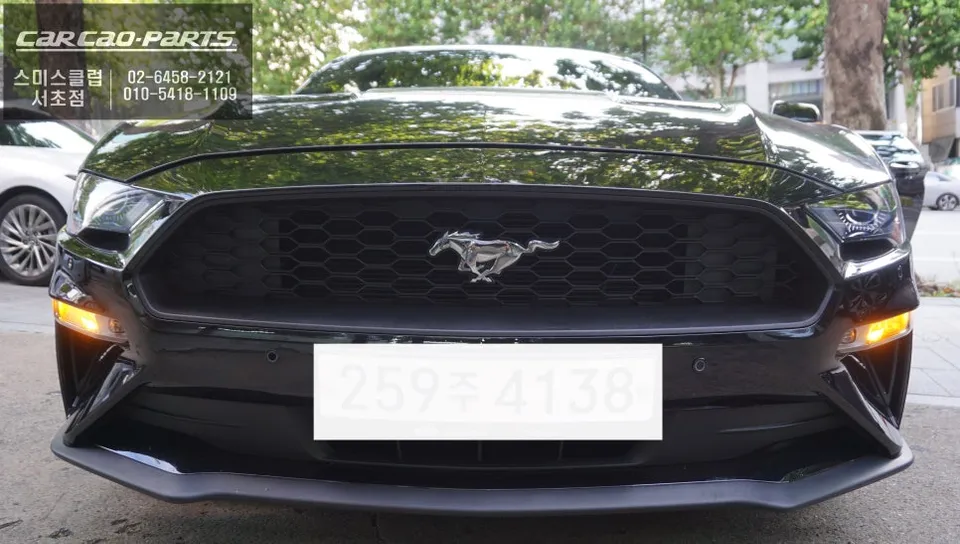
Front Sensor Upgrade: The Final Line of Defense
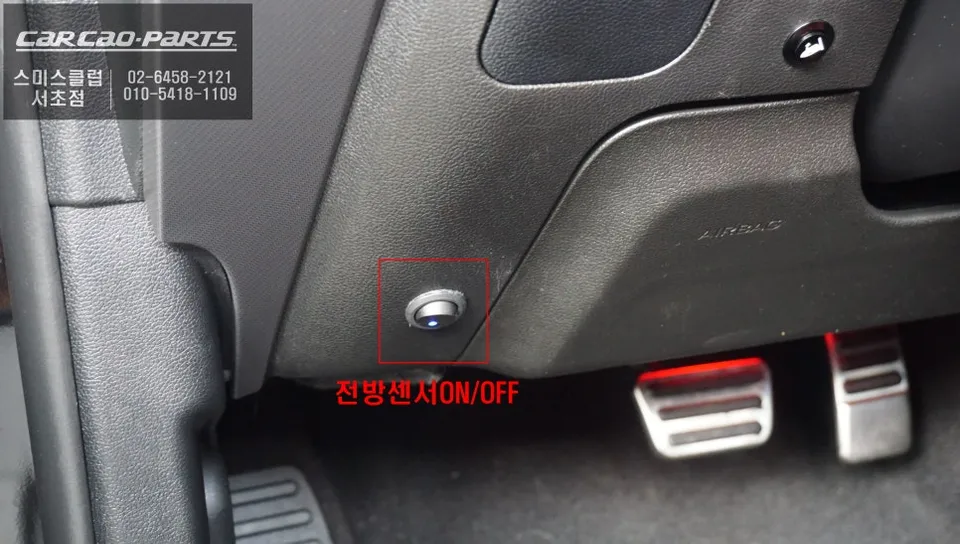
A notable drawback of the Ford Mustang is its limited forward visibility, particularly the area below the front bumper. To address this, the installation also included the Autolix FD-500 front sensor system. This system is designed not only for parking but also to detect front obstacles in real-time during city driving. The FD-500 features a four-stage warning system: the first alert sounds at 80cm, the second at 60cm, and the third at 40cm. Four ultrasonic sensors provide comprehensive coverage of the front area. A significant advantage of this sensor is its minimized electromagnetic interference, crucial in modern vehicles packed with electronics. Advanced filtering reduces false positives, ensuring it reliably detects actual obstacles.
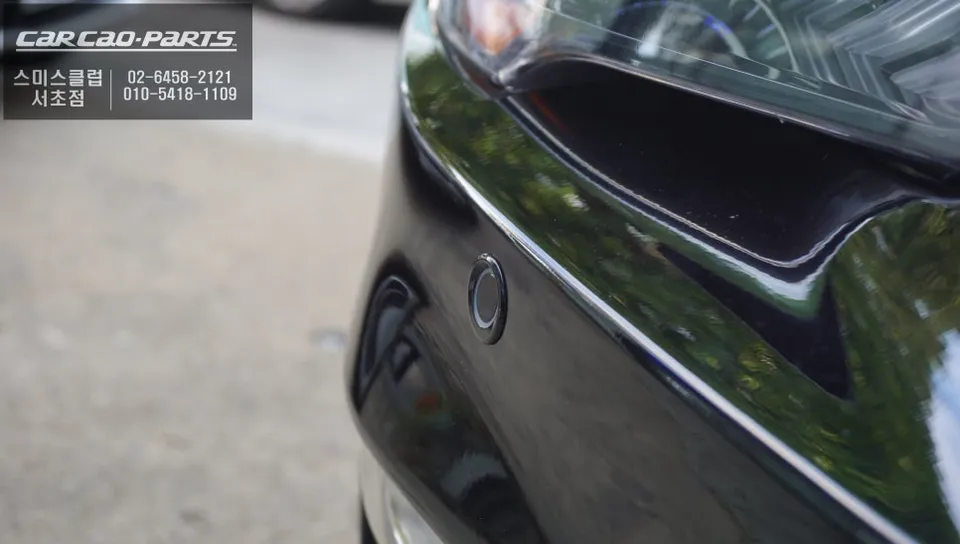
Sensor Installation with Integrated Finish
The installation of the front sensors was completed with attention to a seamless, integrated appearance, ensuring they blend with the vehicle's design. The wiring was neatly managed to maintain the car's interior and exterior aesthetics.
Frequently Asked Questions
Q. How much does OEM option and factory upgrade installation cost for a Ford Mustang?
The specific cost for this Ford Mustang upgrade in Korea was not detailed in the source, but similar factory option retrofits in the US can range from $300 to $1000 depending on the specific options.
Q. How long does OEM options installation take on a Ford Mustang?
Installation of wide-angle mirrors and front sensors typically takes a few hours. Proper maintenance involves occasional cleaning of the mirror surface and sensor lenses to ensure optimal performance.
Q. Are OEM options worth adding after purchase for a Ford Mustang?
Yes, safety-focused OEM options like wide-angle mirrors and front sensors are highly recommended for Ford Mustang owners due to the vehicle's design limitations. They offer significant value by enhancing visibility and preventing accidents.
Q. How are OEM factory options installed on a Ford Mustang?
Installation involves carefully removing stock mirrors and precisely fitting the new wide-angle mirrors, followed by meticulous angle adjustment. Front sensors are mounted on the bumper, with wiring neatly integrated and a calibration process to ensure accurate detection.
Q. What is the difference between dealer-installed options and aftermarket upgrades for a Ford Mustang?
Dealer-installed options, like the OEM-style mirrors and sensors discussed, are designed to perfectly match the vehicle's specifications and maintain a factory appearance. Aftermarket upgrades may offer more variety but can sometimes compromise fitment or integration.
Kakao Parts