Hyundai Azera Ventilated Seat Auto Service Review — Enhanced Comf
Service Price
$150+
Estimated price · Actual price may vary by shop

Revitalizing Your Hyundai Azera: Adding Ventilated Seats for Ultimate Comfort
As the warmer months approach, the desire for a more comfortable in-car experience intensifies. For owners of the Hyundai Azera, particularly those in the Incheon, Bucheon, and Gimpo regions, the dream of ventilated seats might seem out of reach for older models. However, advancements in automotive customization mean that even a pre-owned Azera can be transformed to offer modern-day comfort. This review details a recent project where a Hyundai Azera received a significant upgrade: the installation of ventilated seats, bringing a new level of interior luxury and practicality.
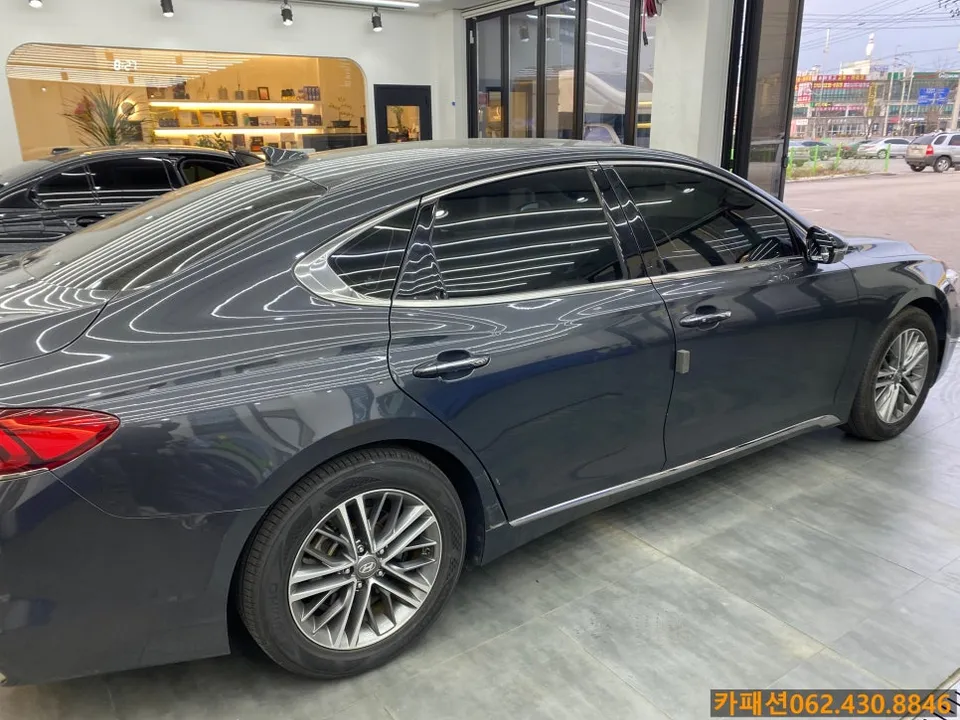
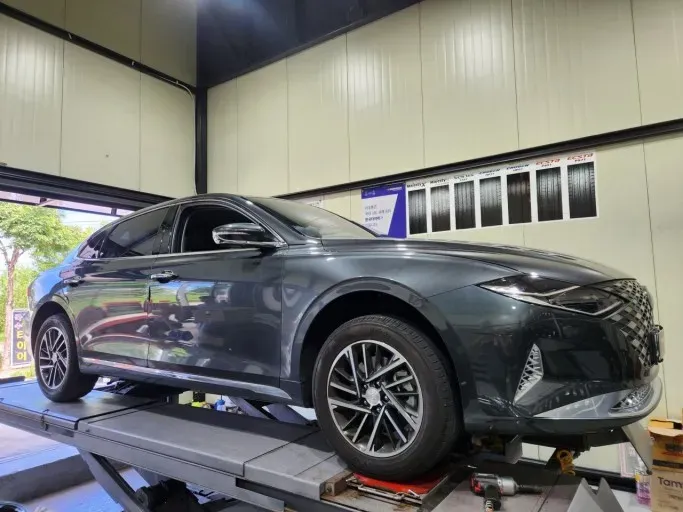
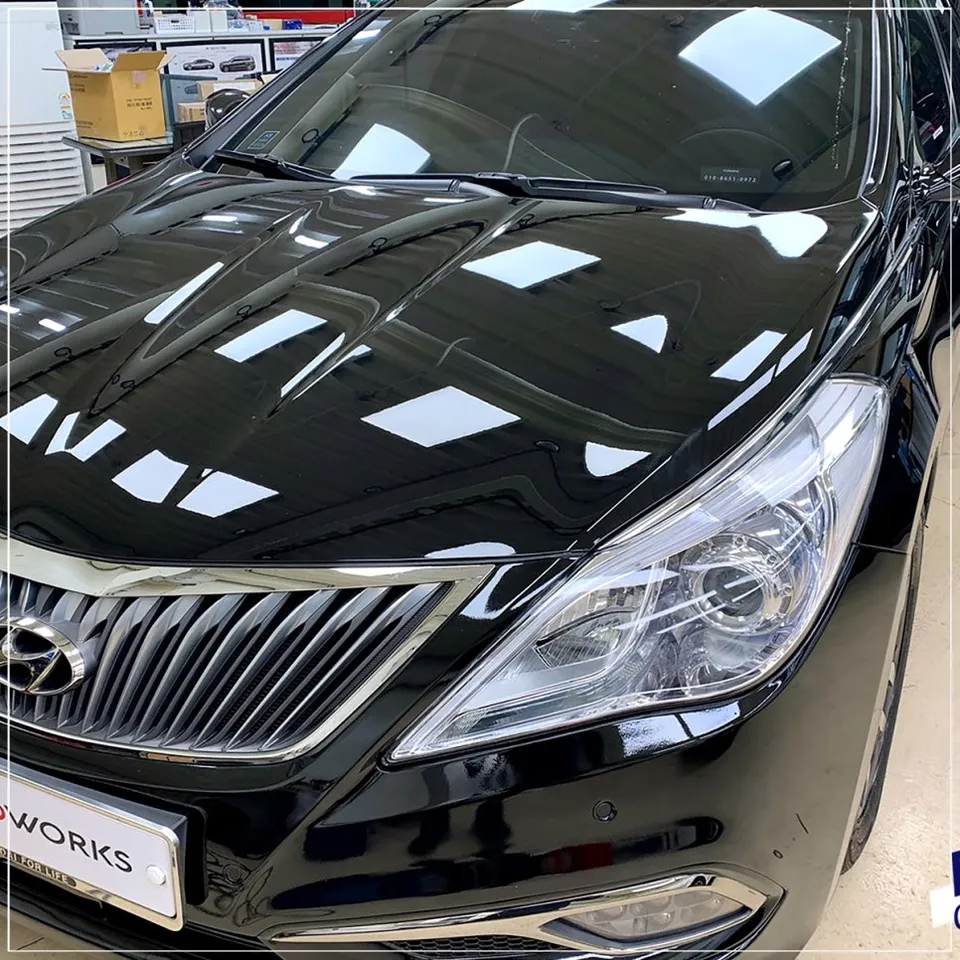
Vehicle: Hyundai Azera
Service: Ventilated Seat Installation + Button Replacement
Method: Utilizing genuine Hyundai parts for the ventilation module.
Affected Areas: Driver and front passenger seats.
Location: Today's Car Incheon Branch.
Estimated Duration: Approximately 4-5 hours.
Estimated Cost: Varies based on specific vehicle and scope, but typically ranges from 1,800,000 to 2,800,000 Korean Won for domestic sedans.
Why Your Azera Might Lack Ventilated Seats from the Factory
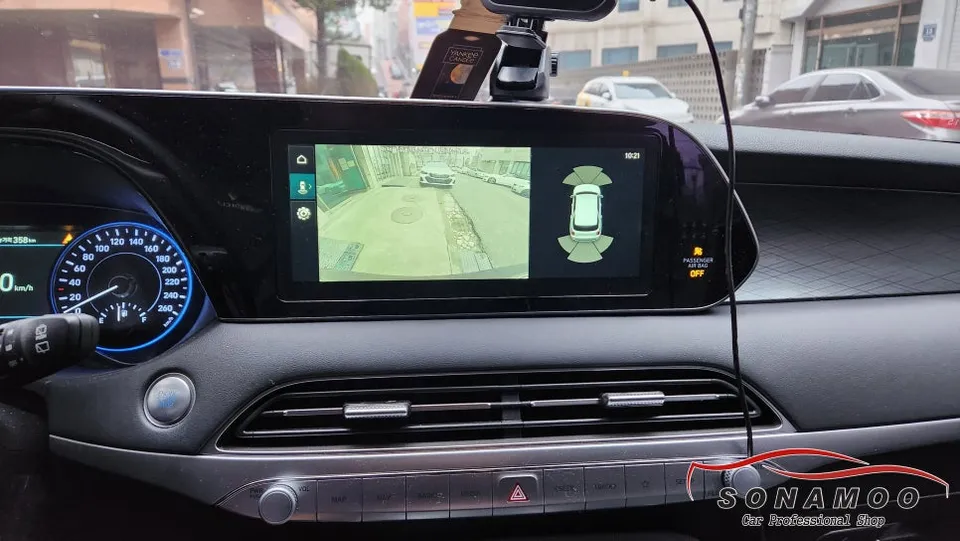
Many Hyundai Azera models, especially those from earlier production years, were equipped with heated seats but lacked the ventilation feature. This often comes down to the original factory options chosen at the time of purchase. The center console might feature buttons for heated seats, but the absence of ventilation controls indicates it wasn't a factory-installed option. Historically, retrofitting such features was complex and costly, often requiring extensive modifications. However, the automotive aftermarket has evolved significantly. Today, using genuine parts and specialized techniques, it's entirely possible to equip older Azera models with the same high-quality ventilated seat system found in newer vehicles.

The Ventilated Seat Installation Process
The process of adding ventilated seats is intricate and requires precision. Here’s a breakdown of how it’s typically done:
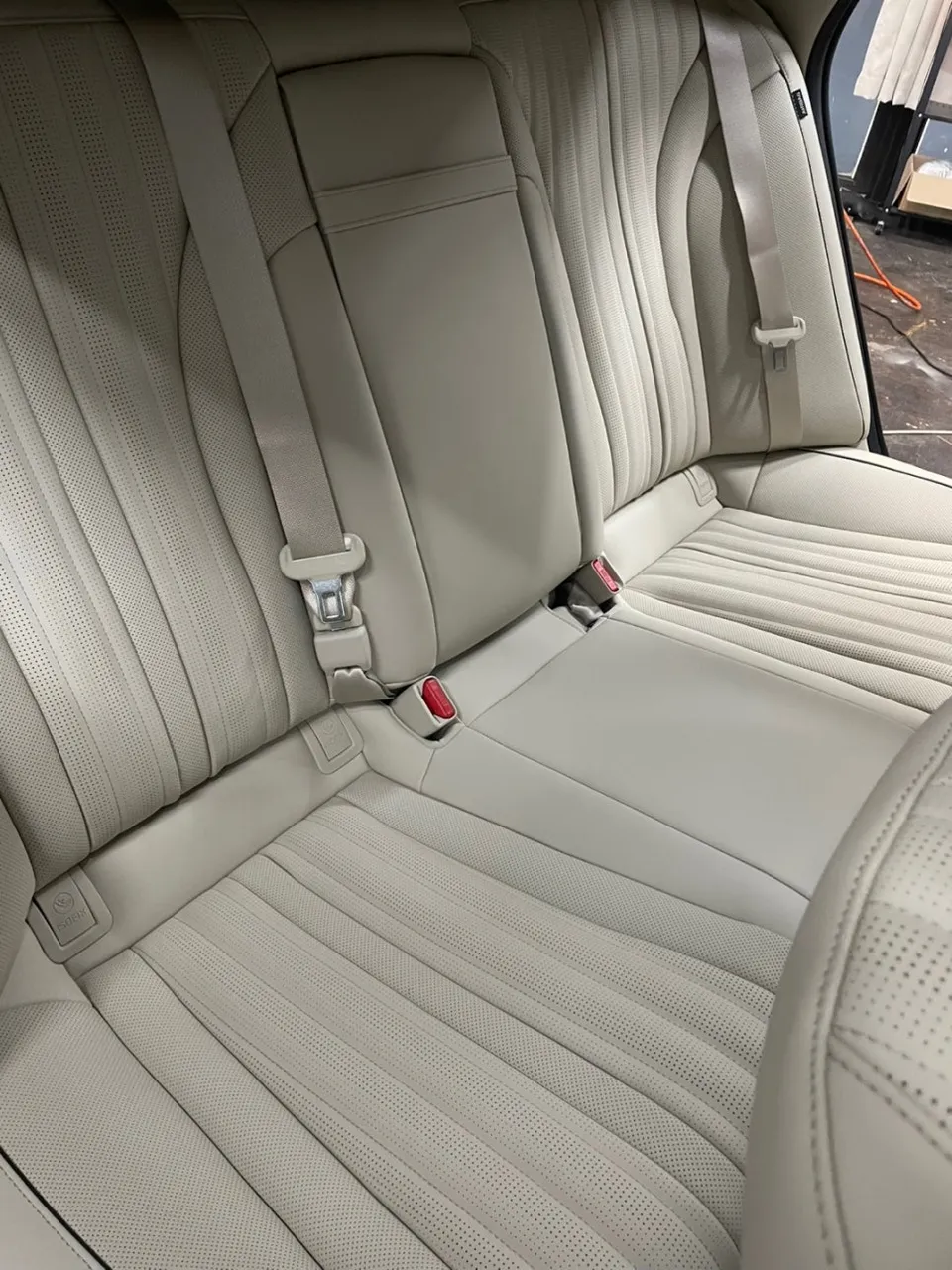
- Seat Removal and Disassembly: The first step involves carefully removing the seats from the vehicle. Following this, the seat upholstery, specifically the leather or fabric covers, is meticulously detached. This stage demands expertise to prevent any damage to the material.
- Component Integration: The core of the ventilation system involves installing specialized components. This includes a blower fan, which circulates air within the seat, and an air duct system to ensure proper airflow. Think of it like creating an internal air circulation system for your seat.
- Seat Perforation and Module Installation: For the air to reach the occupant, the seat cushion and backrest need to be perforated. If the original seat covers are not pre-perforated for ventilation, they are either replaced with specially designed covers or carefully modified. The ventilation control module is then integrated into the car's electrical system.
- Button Replacement and System Testing: The original seat control buttons are replaced with new ones that include the ventilation functions. Finally, the entire system is thoroughly tested to ensure the fans operate correctly, airflow is consistent, and all controls are responsive.
A notable aspect of this service, as performed by specialists like Today's Car Incheon, is the commitment to using genuine Hyundai parts. This ensures not only superior durability and performance compared to aftermarket alternatives but also seamless integration with the vehicle's existing electrical systems. The wiring is done to factory standards, resulting in a clean, reliable, and aesthetically pleasing finish. The outcome is a Hyundai Azera that feels significantly more luxurious and comfortable, especially during warmer weather, providing a refreshing driving experience.
Today's Car