Hyundai Elantra CN7 Body Kit Installation Review
Service Price
$40–80
Estimated price · Actual price may vary by shop
Before
After
Process photos
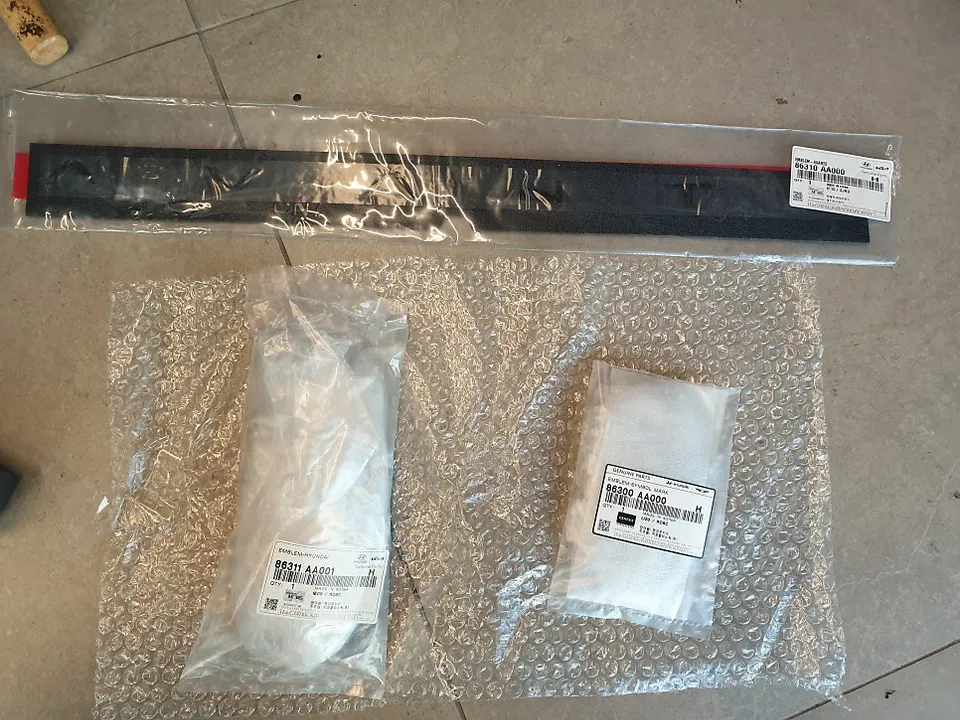
Hyundai Elantra CN7 rear spoiler installation: Approx. ₩300k-600k. Sportier look achieved.
Hyundai Elantra CN7 Body Kit Installation: A Comprehensive Review
Many Hyundai Elantra CN7 owners look to personalize their vehicles, and enhancing the rear design is a popular choice. One way to achieve a sportier look is by installing an aftermarket or OEM aero kit, such as a rear spoiler. This modification can go beyond mere aesthetics, potentially influencing the car's aerodynamics. This review details the experience of fitting an OEM rear spoiler from the Elantra N model onto an Elantra N Line, providing insights into the process, necessary parts, and the final outcome.
OEM Rear Spoiler Installation for Elantra CN7
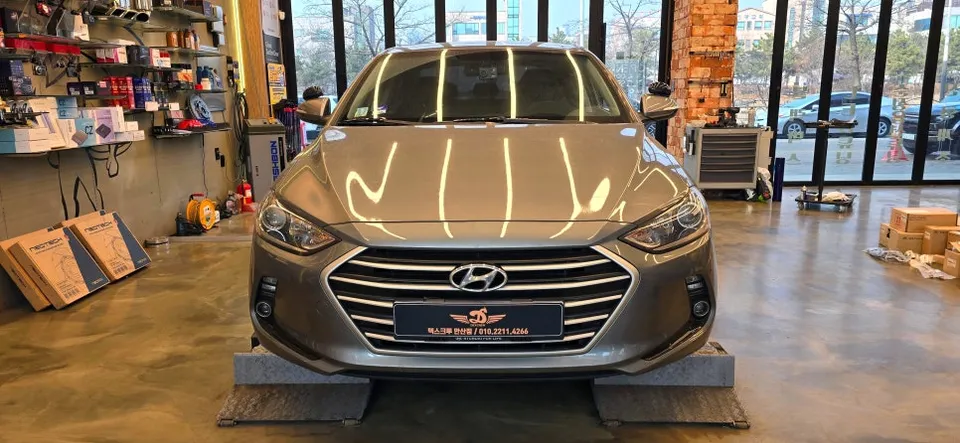
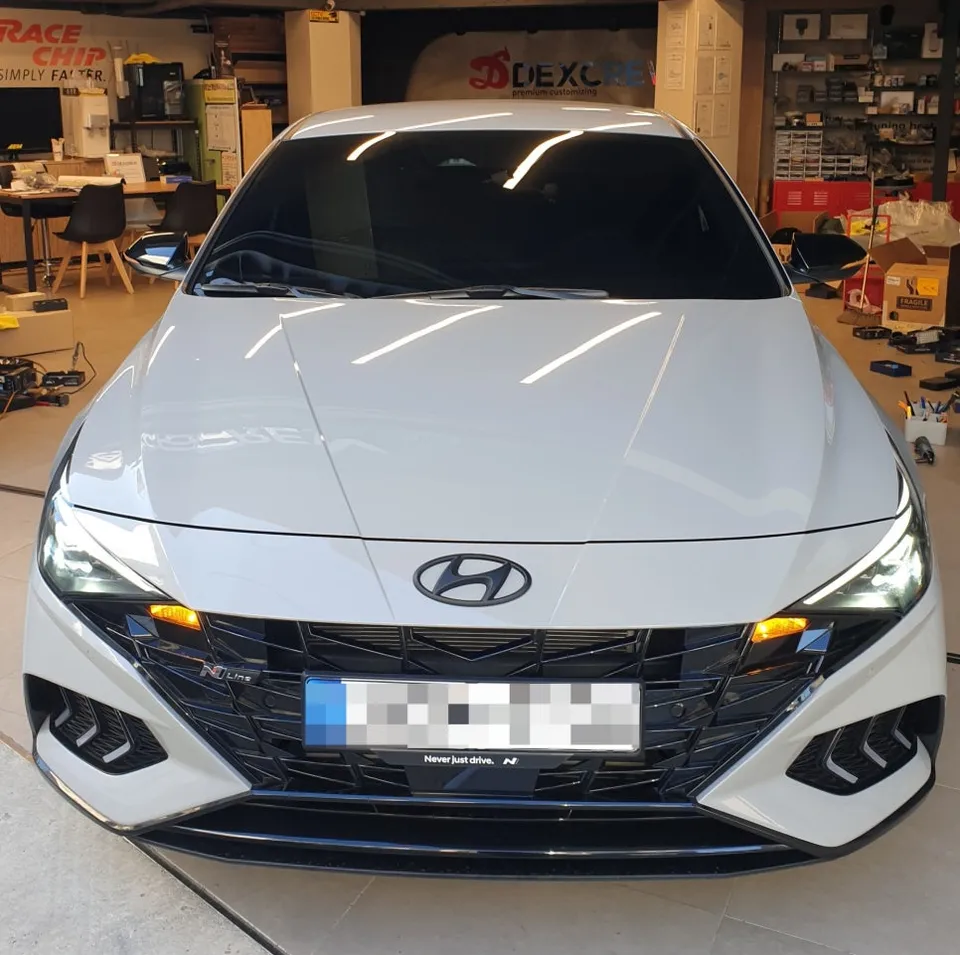
For Elantra CN7 owners seeking a more aggressive rear profile, the genuine Elantra N rear spoiler presents an attractive option. This particular installation involved using genuine parts supplied by the owner. Genuine components ensure perfect compatibility and a cohesive design with the vehicle. Before the work began, the stock Elantra CN7 N Line was assessed to understand the starting point.
Back Panel Replacement for Spoiler Fitment
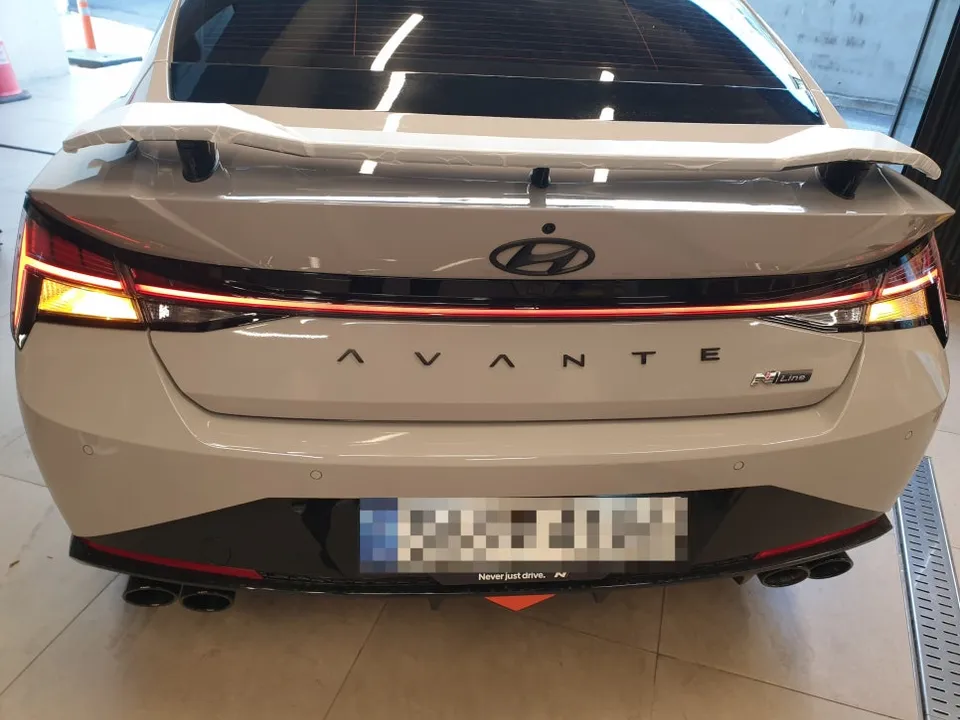
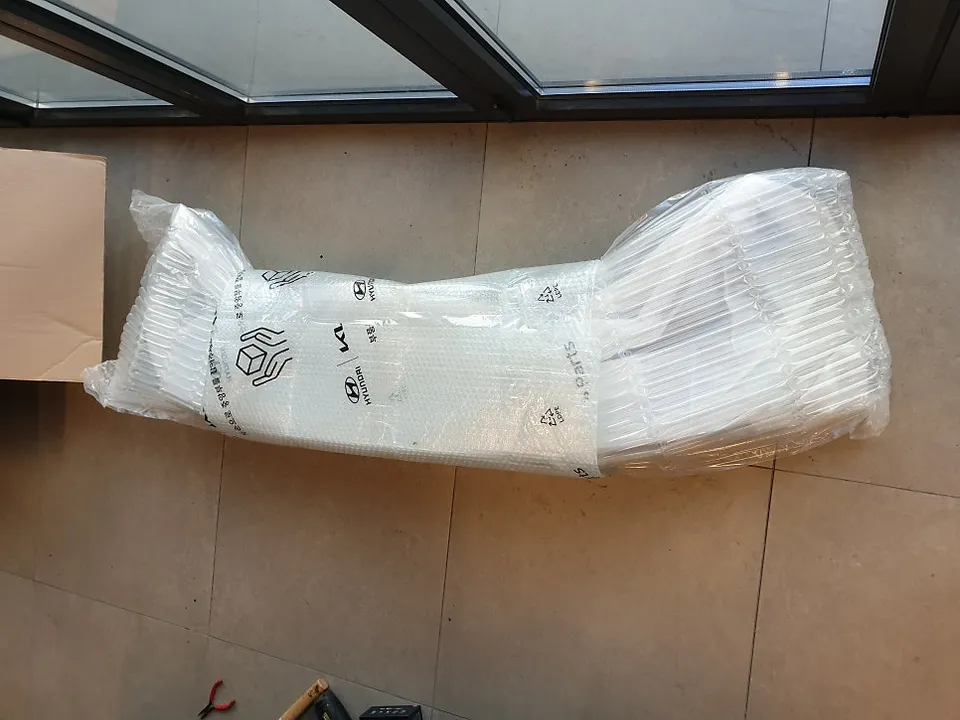
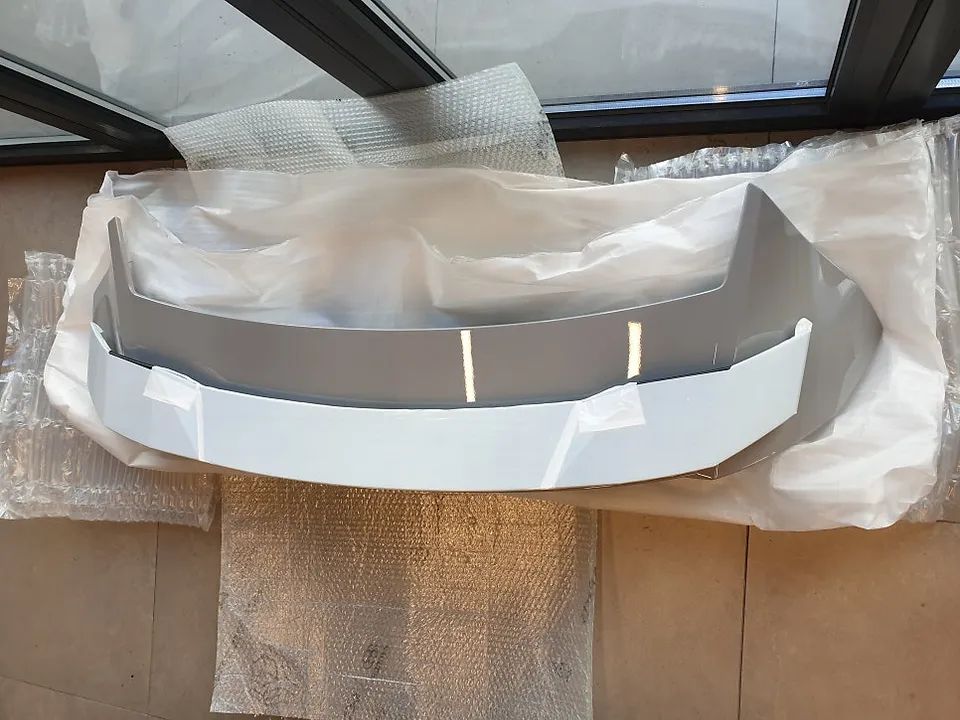
A crucial step in fitting the genuine Elantra N rear spoiler to the Elantra CN7 is the replacement of the existing back panel. This is due to the specific design and mounting requirements of the spoiler. The original back panel must be carefully removed, a process demanding skilled technicians to avoid damaging the vehicle. The spoiler itself, in this case, was black, and the replacement back panel was color-matched to the car, indicating professional painting. This color-matching ensures a seamless integration once the spoiler is attached, enhancing the overall aesthetic unity.
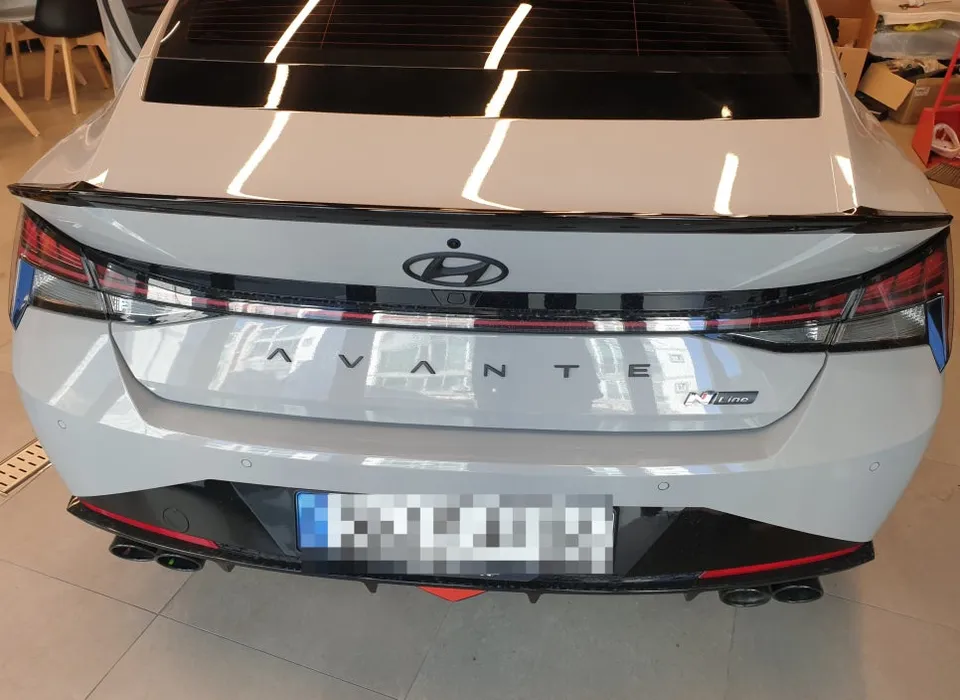
Emblem Application and Final Touches
Following the back panel replacement, the next stage involves attaching the emblem to the spoiler. This component, also provided by the owner, is vital for the car's identity. Precise placement of the emblem completes the rear spoiler installation. The finished look transforms the Elantra CN7's rear end, giving it a more dynamic and sporty appearance. The clean finish characteristic of OEM parts elevates the vehicle's overall appeal, with the Elantra N spoiler adding a distinct presence and performance-oriented image.
The owner opted not to remove protective film from the spoiler, as they planned to have PPF (Paint Protection Film) applied subsequently. PPF is an excellent way to shield new parts from environmental damage and scratches. This detail highlights a common consideration for owners undertaking such modifications.
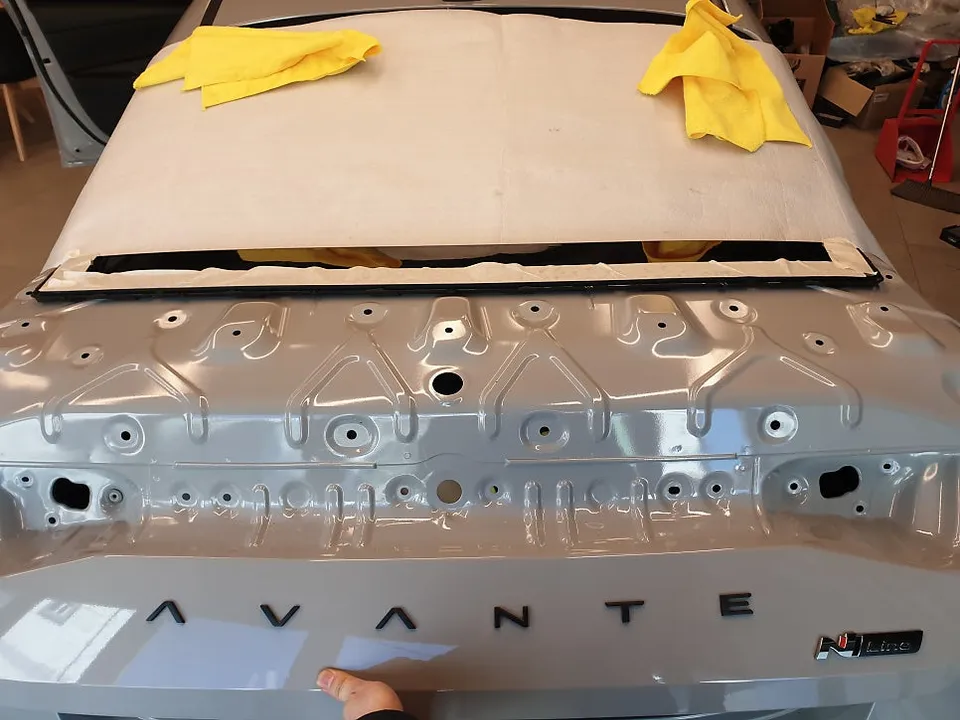
Body Kit Installation Process and Costs
The installation process for an OEM rear spoiler, including the back panel replacement, typically takes around 2 to 3 hours. The cost for this specific upgrade, encompassing parts and labor, can range from approximately 300,000 to 600,000 Korean Won (roughly $220-$440 USD, subject to exchange rates). Factors influencing the final body kit cost include the specific spoiler model (OEM vs. aftermarket), whether the back panel requires painting, and the inclusion of emblems. Additional services like PPF application are priced separately.
Installation Process:
- Remove the original rear back panel.
- Install the new, color-matched back panel required for the spoiler.
- Attach the genuine Elantra N rear spoiler to the new back panel.
- Apply the vehicle's emblem to the spoiler in the correct position.
While this review focused on a rear spoiler, a full body kit installation for a Hyundai Elantra CN7 might involve front lips, side skirts, and rear diffusers. The cost for a complete aftermarket body kit can vary significantly, often ranging from $400 to $1500 USD or more, depending on the brand, material (like ABS plastic, polyurethane, or fiberglass), and the complexity of the design. Installation costs are additional and depend on the installer's labor rates, typically adding several hundred dollars to the total body cost.
Durability is a key consideration. OEM parts generally offer excellent longevity and fitment. Aftermarket kits, especially those made from polyurethane or ABS plastic, tend to be more flexible and resistant to cracking than fiberglass (FRP) kits. However, even durable kits can be damaged by road debris or improper installation. Regular cleaning and occasional waxing can help maintain the finish and protect the material. For owners concerned about the longevity of their investment, choosing reputable brands and professional installation is recommended.
Ultimately, whether a body kit is worth it depends on individual priorities. For those seeking a more aggressive aesthetic and a personalized look for their Elantra CN7, a well-chosen and properly installed body kit can be a satisfying upgrade. It's essential to weigh the aesthetic benefits against the body kit cost and potential risks, such as reduced ground clearance or the need for more careful driving.
Frequently Asked Questions
Q. How much does a body kit cost for a Hyundai Elantra CN7?
The specific OEM rear spoiler installation in this review cost approximately ₩300,000-600,000. Full aftermarket body kits for the Elantra CN7 can range from $400 to over $1500 USD, plus installation.
Q. How long does body kit installation take on a Hyundai Elantra CN7?
The installation of the OEM rear spoiler, including back panel replacement, took about 2-3 hours. Durability depends on the material and installation quality; regular cleaning helps maintain the finish.
Q. Is a body kit worth it for a Hyundai Elantra CN7?
A body kit is worth it for Elantra CN7 owners prioritizing a more aggressive and personalized aesthetic. It offers a significant visual upgrade if the cost and potential risks are acceptable.
Q. How is a body kit installed on a Hyundai Elantra CN7?
Installation typically involves preparing the vehicle's surface, fitting the new body kit components (like lips, skirts, or spoilers) using adhesives and fasteners, and ensuring proper alignment. For the reviewed rear spoiler, it required replacing the back panel before mounting the spoiler itself.
Q. What is the difference between FRP and polyurethane body kits for a Hyundai Elantra CN7?
FRP (fiberglass-reinforced plastic) kits are often more affordable but can be brittle and prone to cracking. Polyurethane kits are more flexible, durable, and impact-resistant, making them a better long-term investment despite a potentially higher initial body cost.
OhCar Partner Shop