Hyundai Casper Body Kit Review: Cost & Installation
Service Price
$approx. $750–1,150
Estimated price · Actual price may vary by shop
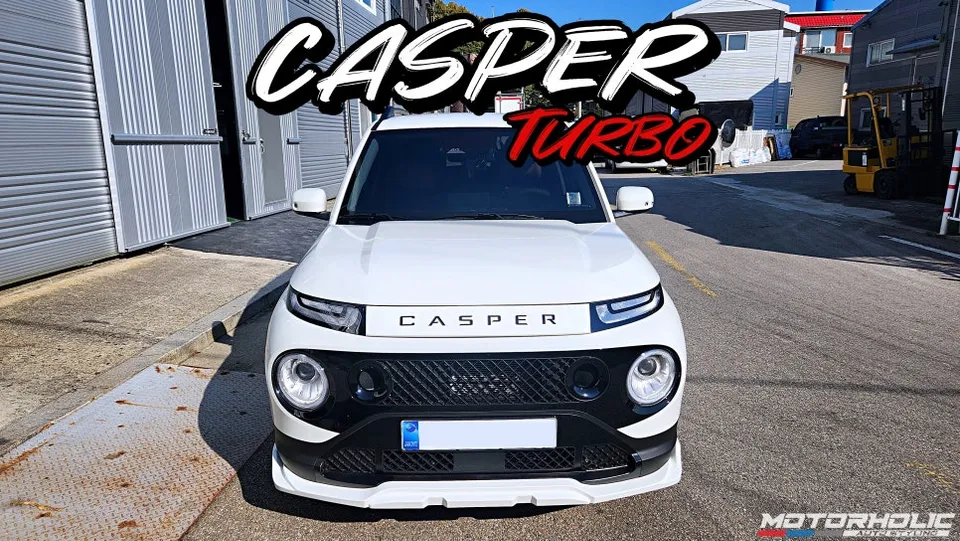
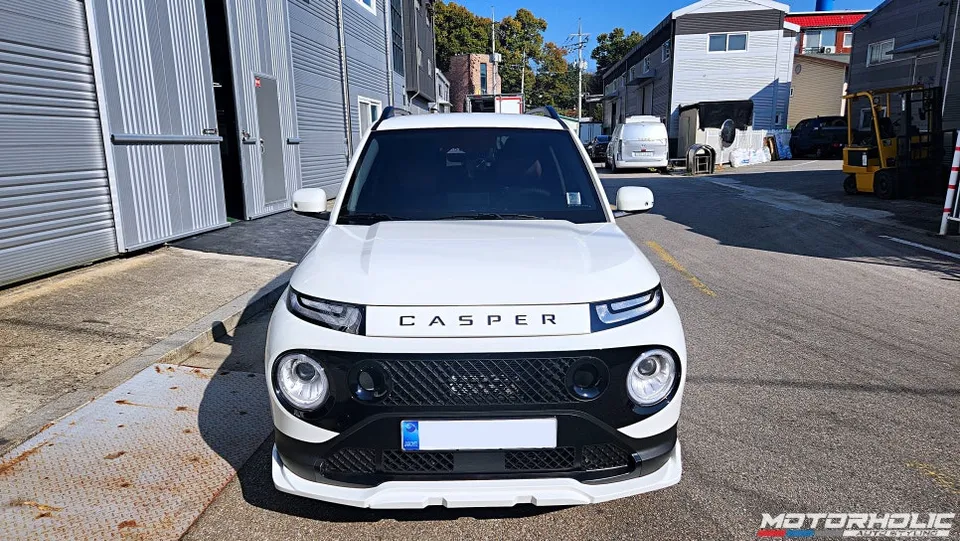
Hyundai Casper body kit installation: Enhances sporty SUV look. Cost varies by kit and paint quality.
Elevate Your Hyundai Casper's Style with a Body Kit
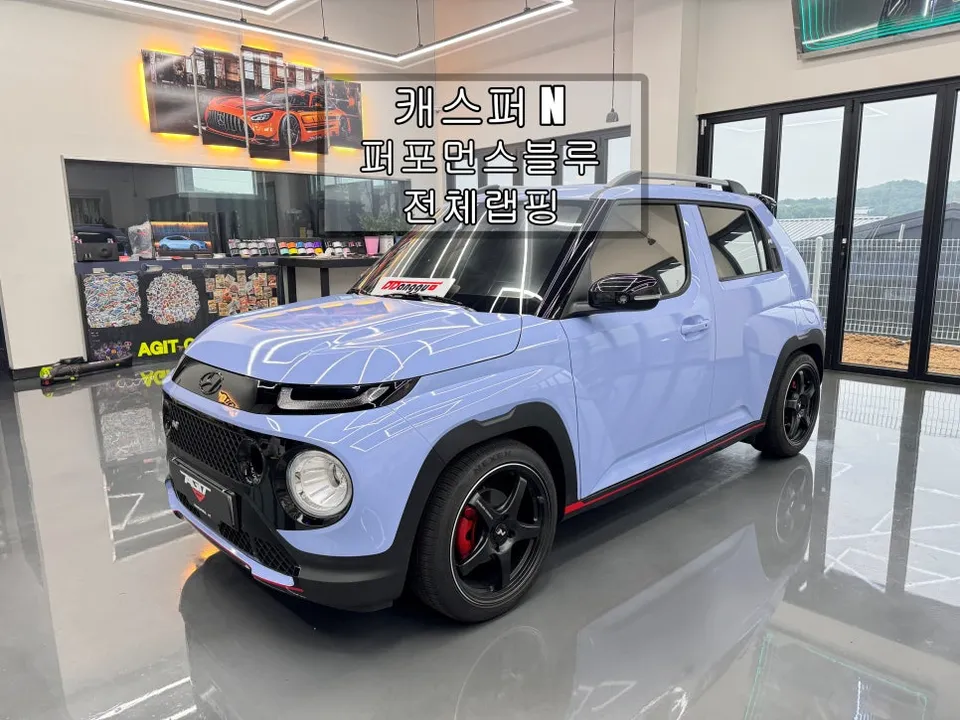
The Hyundai Casper, known for its distinctive design, offers a fantastic canvas for personalization. For owners looking to amplify its unique aesthetic and add a more rugged SUV presence, a body kit is an excellent option. This review delves into the specifics of installing a body kit on the Casper, focusing on the front and side dams, and how they can transform the vehicle's appearance. Especially for the 'Unbleached Ivory' color variant, a perfectly matched body kit can create a cohesive and sophisticated look.
Transforming the Casper's Profile: Front and Side Dams
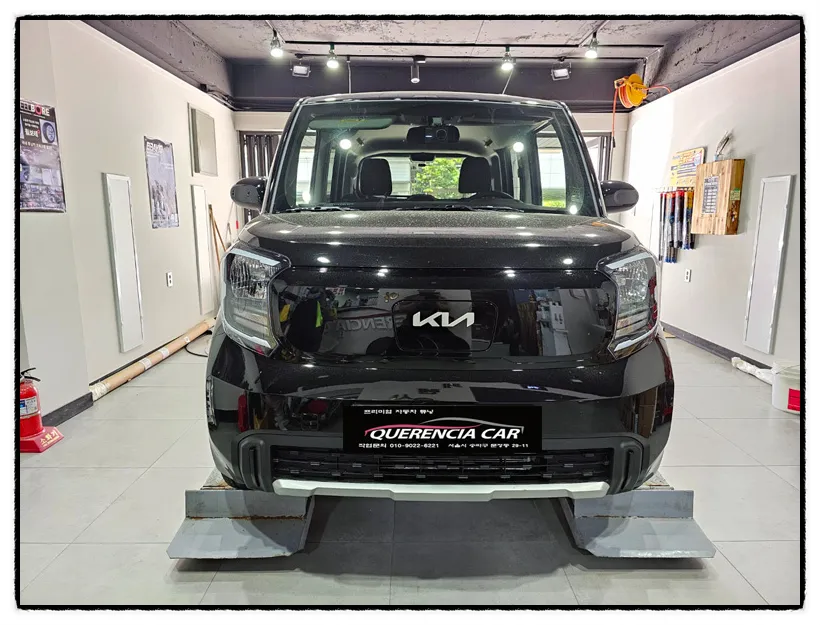
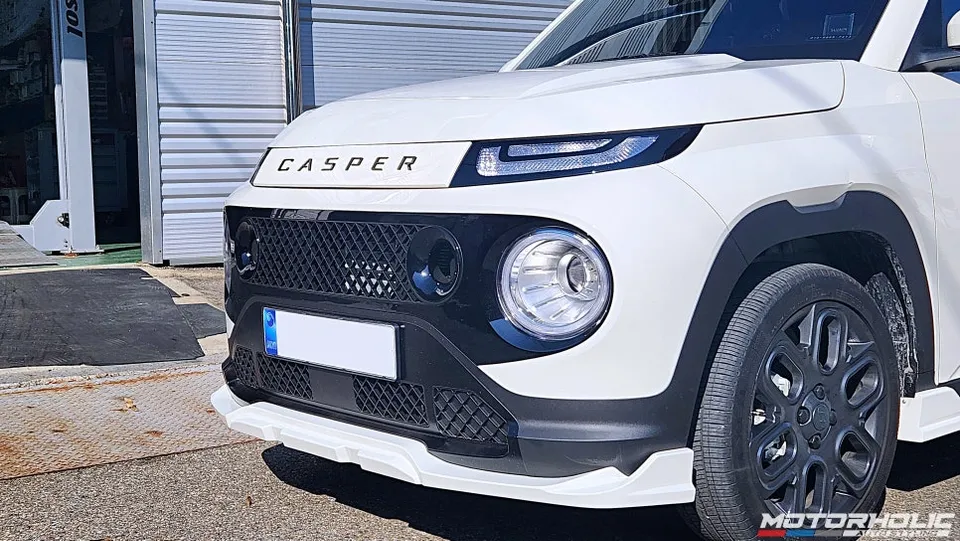
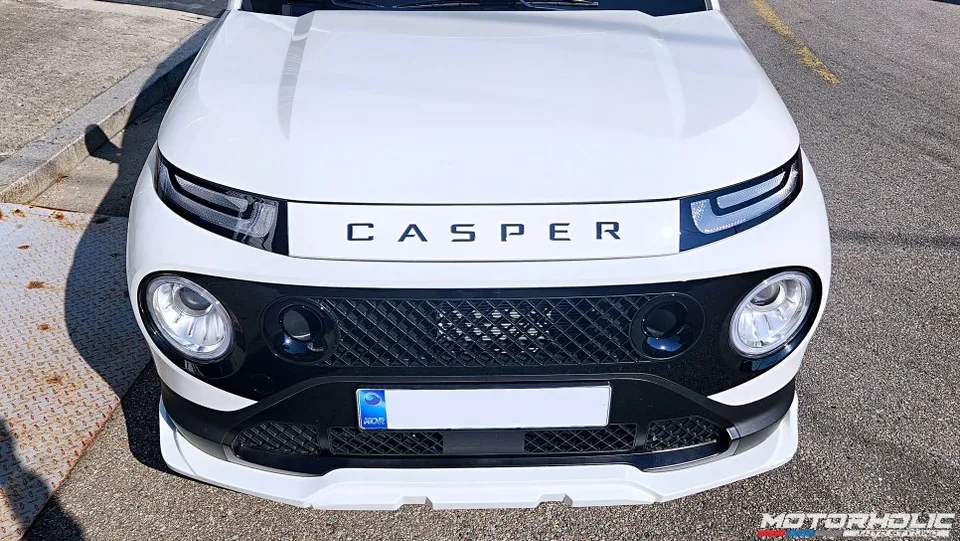
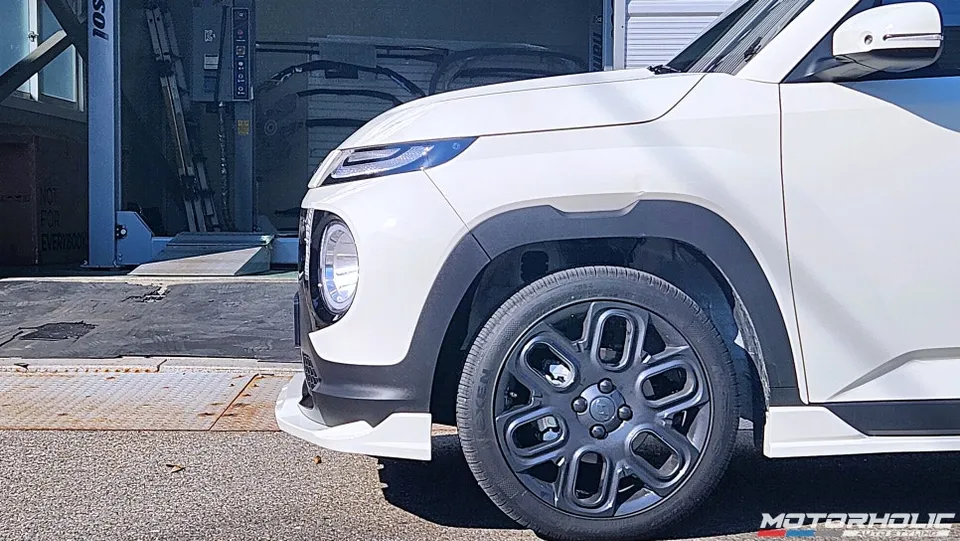
The Casper's design is already a standout, but a well-designed body kit can further accentuate its sporty and robust character. This review focuses on a specific kit designed for the Casper Turbo, featuring a front dam and side dams. The front dam is crafted to complement the vehicle's original lines while adding a more aggressive skid plate element, enhancing its SUV appeal without compromising its compact nature. It’s designed to integrate seamlessly, making it appear almost like an original factory part. The side dams are installed over the existing side skirts, adding visual depth and a subtle lowering effect of approximately 2.5 cm. This not only improves the car's stance but also contributes to a more substantial, grounded appearance. The design ensures practicality, avoiding interference with entry and exit.
Installation Process and Material Considerations
Body kits for the Hyundai Casper, like the ones discussed, are typically made from FRP (Fiber-Reinforced Plastic). This material is chosen for its durability and ability to be molded into complex shapes. The installation process involves securely attaching the new components to the vehicle's existing bumpers and side skirts.
Installation process:
- Surface Preparation: The areas on the vehicle where the body kit will be attached are thoroughly cleaned and prepared to ensure optimal adhesion.
- Component Attachment: The front and side dams are carefully positioned. They are then secured using a combination of high-strength automotive adhesive tape and screws. The key is to use the minimum number of screws necessary in strategic locations to ensure a firm fit while minimizing potential damage to the original bodywork, especially if the kit is ever removed.
- Painting and Finishing: If the body kit is not pre-painted, it will be professionally painted to match the vehicle's color, such as the sophisticated 'Unbleached Ivory' mentioned. This ensures a seamless, factory-like finish and color consistency.
- Final Inspection: After installation, a final check is performed to ensure all parts are securely fitted, aligned correctly, and that there are no gaps or imperfections.
The result is a vehicle that looks more aggressive and customized, with the body kit parts fitting so precisely they appear to be an original part of the car's design. While the context of this review is from South Korea, where such modifications are popular, the principles of installation and the aesthetic outcomes are relevant for owners globally. The cost in Korea for such a service, including painting and installation, can vary but is generally considered a worthwhile investment for those seeking to personalize their Casper.
Is a Body Kit Worth It for Your Hyundai Casper?
Deciding whether to install a body kit on your Hyundai Casper comes down to personal preference and desired outcome. If you aim to make your Casper stand out, enhance its SUV character, and achieve a more personalized look, then a body kit is a compelling modification. The visual improvements are significant, offering a sportier and more substantial presence on the road. While there is an upfront cost associated with the kit and its installation, the enhanced aesthetics and the potential for increased satisfaction with your vehicle's appearance can make it a worthwhile investment for many owners. It’s particularly effective for models like the Casper Turbo, where the added styling elements can better match its performance capabilities.
Frequently Asked Questions
Q. How much does a body kit cost for a Hyundai Casper?
The cost for a Hyundai Casper body kit installation, including painting, can vary based on the specific parts chosen and the quality of the paint finish. In South Korea, prices can range from approximately ₩500,000 to over ₩1,000,000 (roughly $370-$740 USD), depending on the complexity and brand of the kit.
Q. How long does body kit installation take on a Hyundai Casper?
Body kit installation on a Hyundai Casper typically takes between 3 to 6 hours to complete, depending on the complexity of the kit and whether painting is required. For optimal durability, ensure the kit is installed by experienced professionals who use high-quality adhesives and fasteners.
Q. Is a body kit worth it for a Hyundai Casper?
A body kit is worth it for a Hyundai Casper if you prioritize a more aggressive, sporty, and personalized aesthetic. It significantly enhances the vehicle's visual appeal, giving it a more substantial SUV presence.
Q. How is a body kit installed on a Hyundai Casper?
Installation involves preparing the vehicle's surface, then securely attaching the body kit components (like front and side dams) using automotive-grade adhesive tape and screws. The process requires careful alignment to ensure a seamless fit and a factory-like appearance.
Q. What is the difference between FRP and polyurethane body kits for a Hyundai Casper?
FRP (Fiber-Reinforced Plastic) body kits are generally more rigid and cost-effective, though they can be more prone to cracking on impact. Polyurethane kits are more flexible, durable, and impact-resistant, making them a better choice for daily driving but often at a higher price point.