Hyundai Elantra CN7 Ambient Lighting Review - Cost & Results
Service Price
$under approx. $400
Estimated price · Actual price may vary by shop
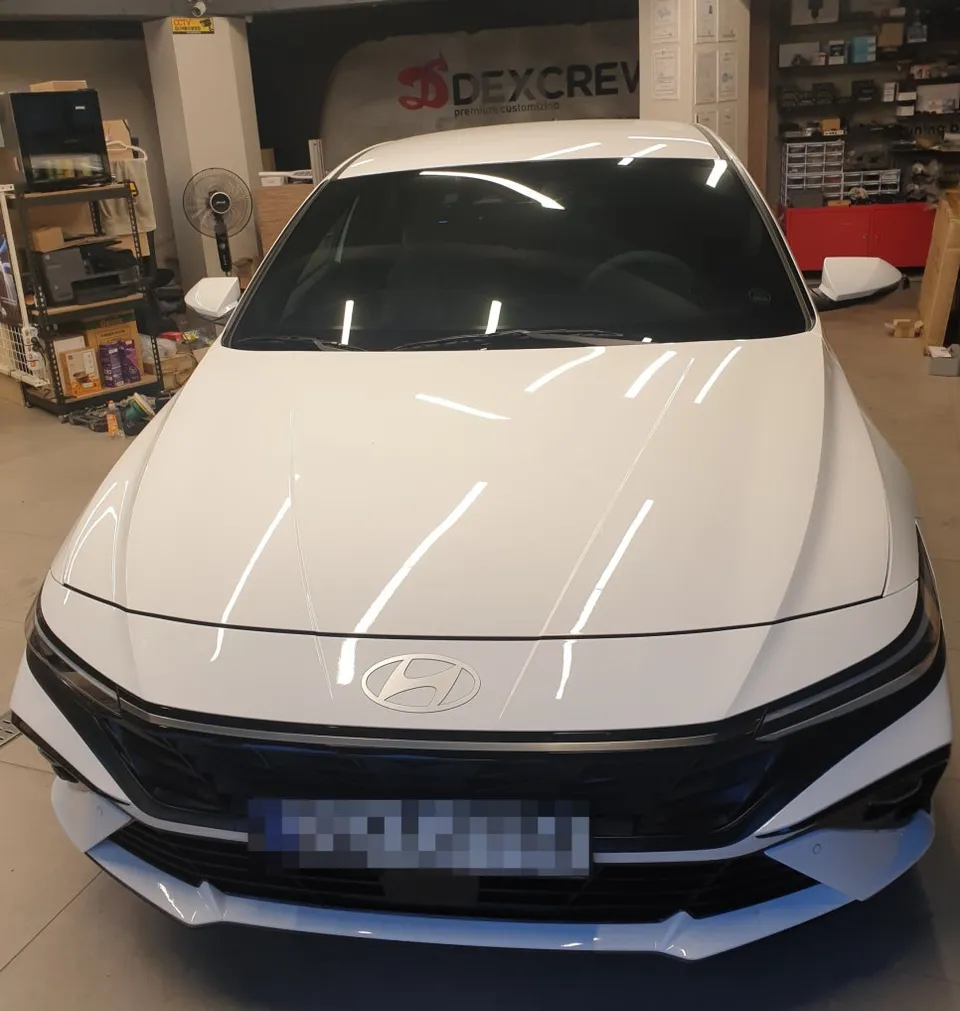
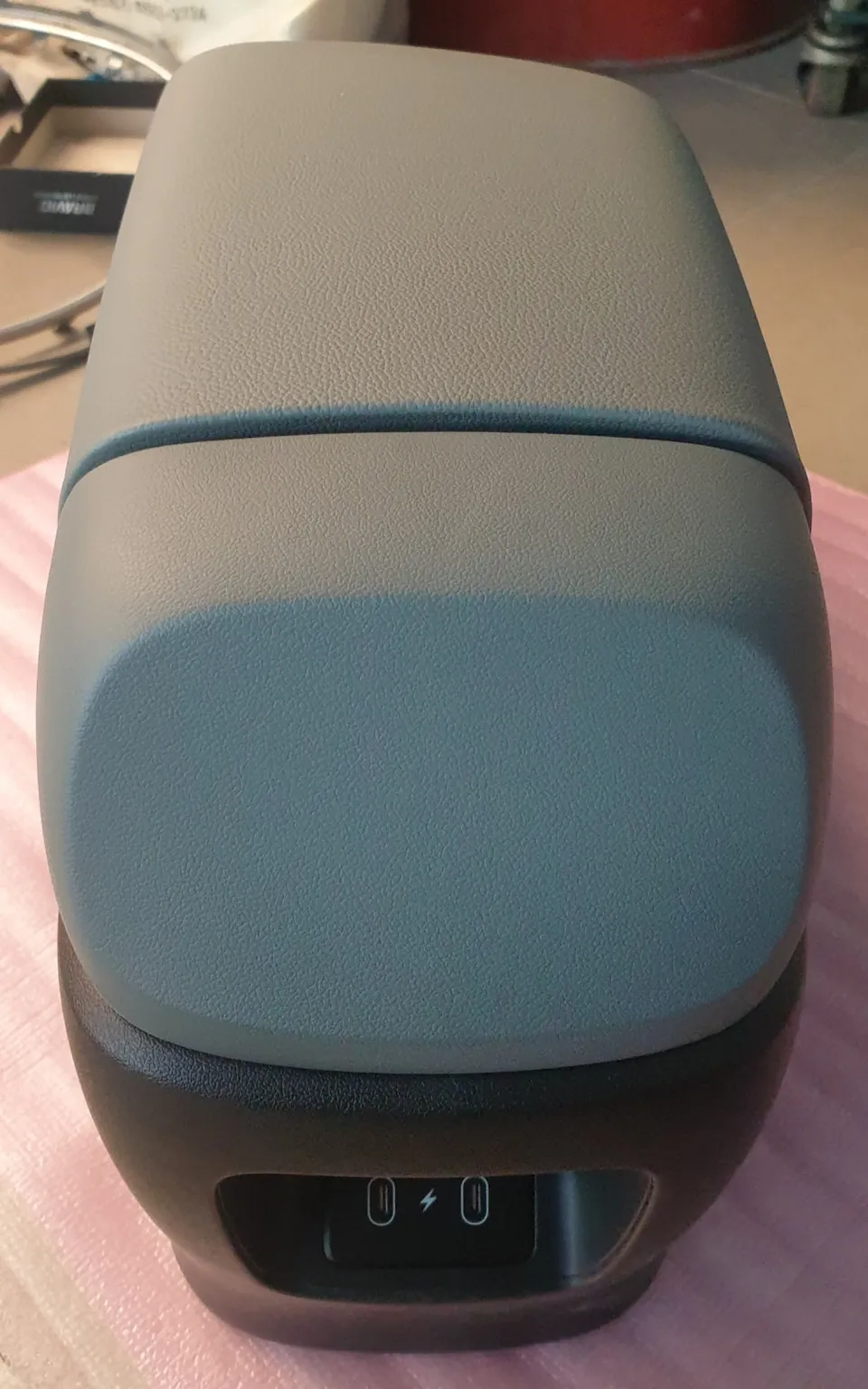
Elantra CN7 rear air vent retrofit: approx. $150-$300 USD. Improves rear passenger comfort significantly.
Enhancing Your Elantra CN7's Interior Ambiance
Many Hyundai Elantra CN7 owners find the rear of the cabin can feel a bit lacking, especially regarding climate control. While the car is a popular choice for its style and value, the absence of rear air vents has been a common point of discussion. This review delves into a popular solution: adding rear air vents (ducts) to the Elantra CN7, a modification that significantly boosts rear passenger comfort. This practical upgrade ensures a more pleasant experience for everyone in the car, particularly during hot summers or cold winters. The goal is to create a more balanced and comfortable interior environment, making every journey more enjoyable.
The Need for Rear Air Vents in the Elantra CN7
The original design of the Elantra CN7, particularly before certain updates or trims, omitted rear air vents. This can lead to noticeable temperature differences between the front and rear seats. Passengers in the back might feel the air conditioning isn't strong enough in the summer or the heating struggles to reach them in the winter. To address this, a common and effective solution involves retrofitting genuine Hyundai parts to install rear air vents. This interior lighting upgrade, specifically focusing on air circulation, ensures that cool or warm air is distributed more evenly throughout the cabin. The result is a consistently comfortable environment for all occupants, transforming the rear seating area from a potential discomfort zone into a truly pleasant space.
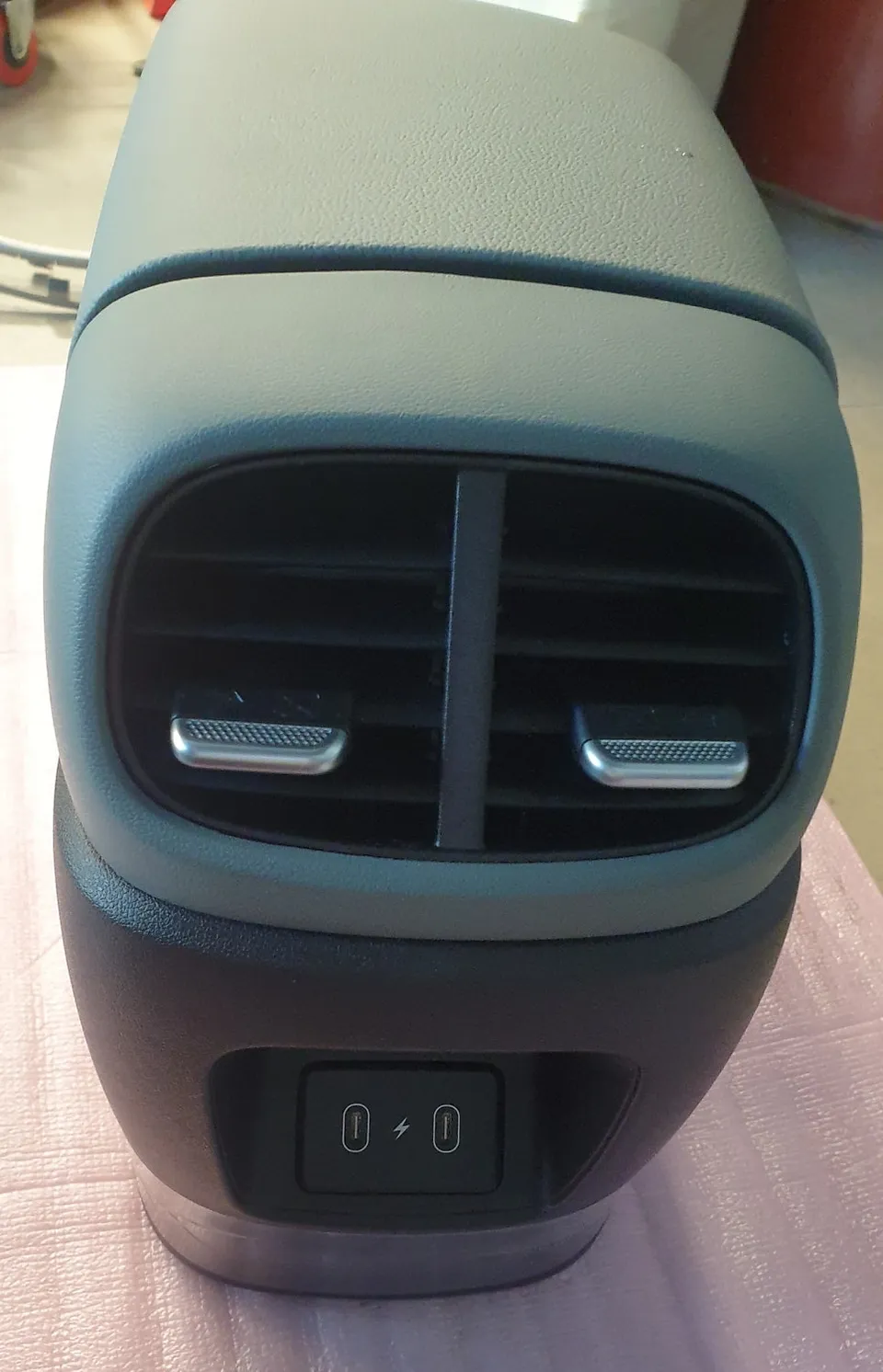
Installation Process: Adding Rear Air Vents
This modification utilizes genuine OEM parts for a seamless integration. The process requires careful disassembly and reassembly of interior components.
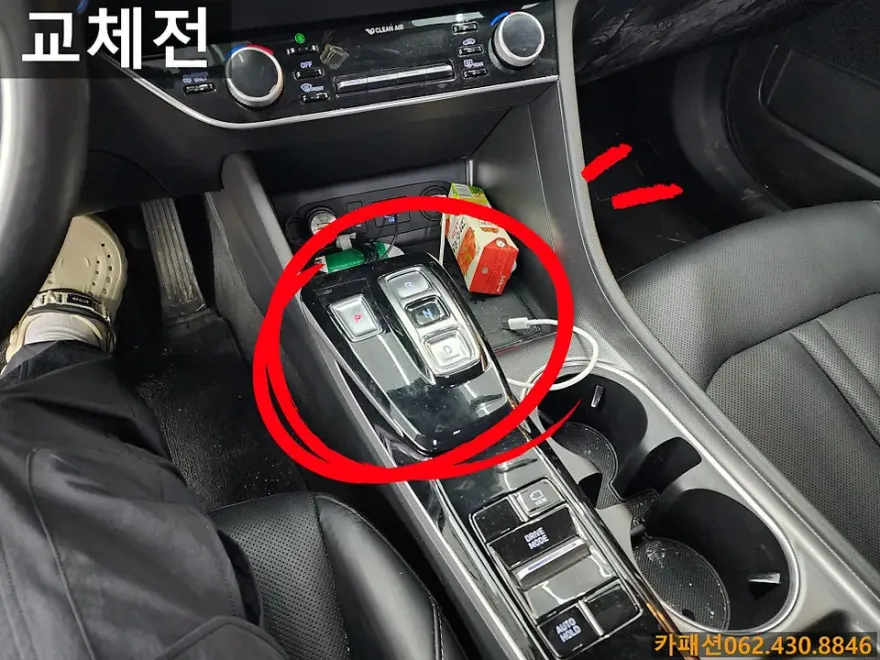
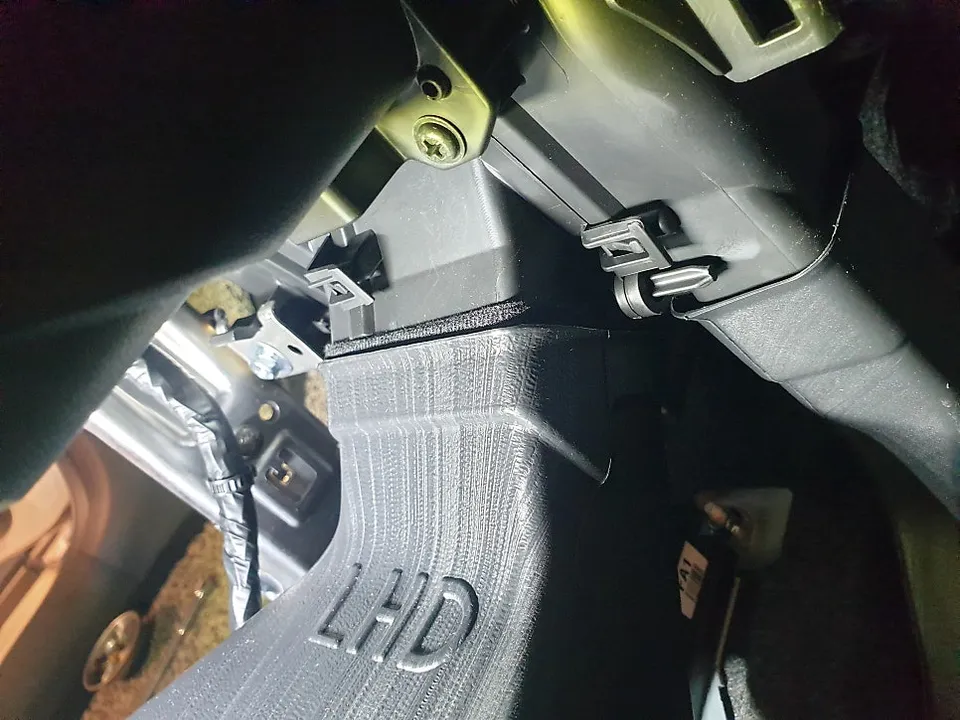
- The center floor console between the front and rear seats is meticulously removed to gain access to the necessary areas.
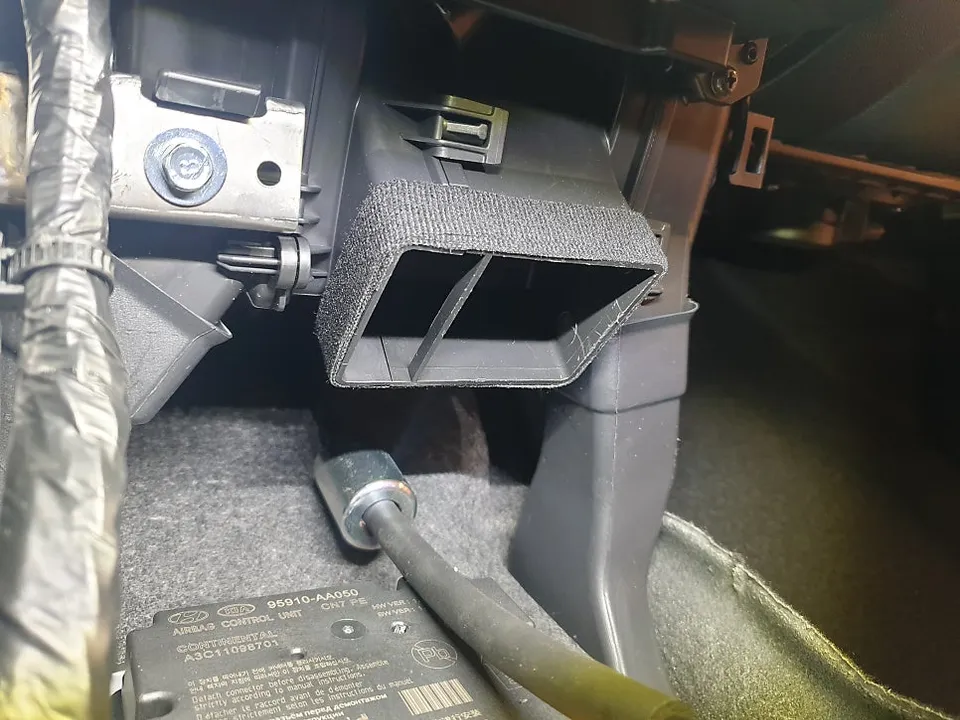
- The rear console cover is replaced, and components around the gear shift are carefully detached to create space for the new ductwork.
- Genuine air ducts are precisely fitted into the designated space, ensuring a secure connection to the existing HVAC system.
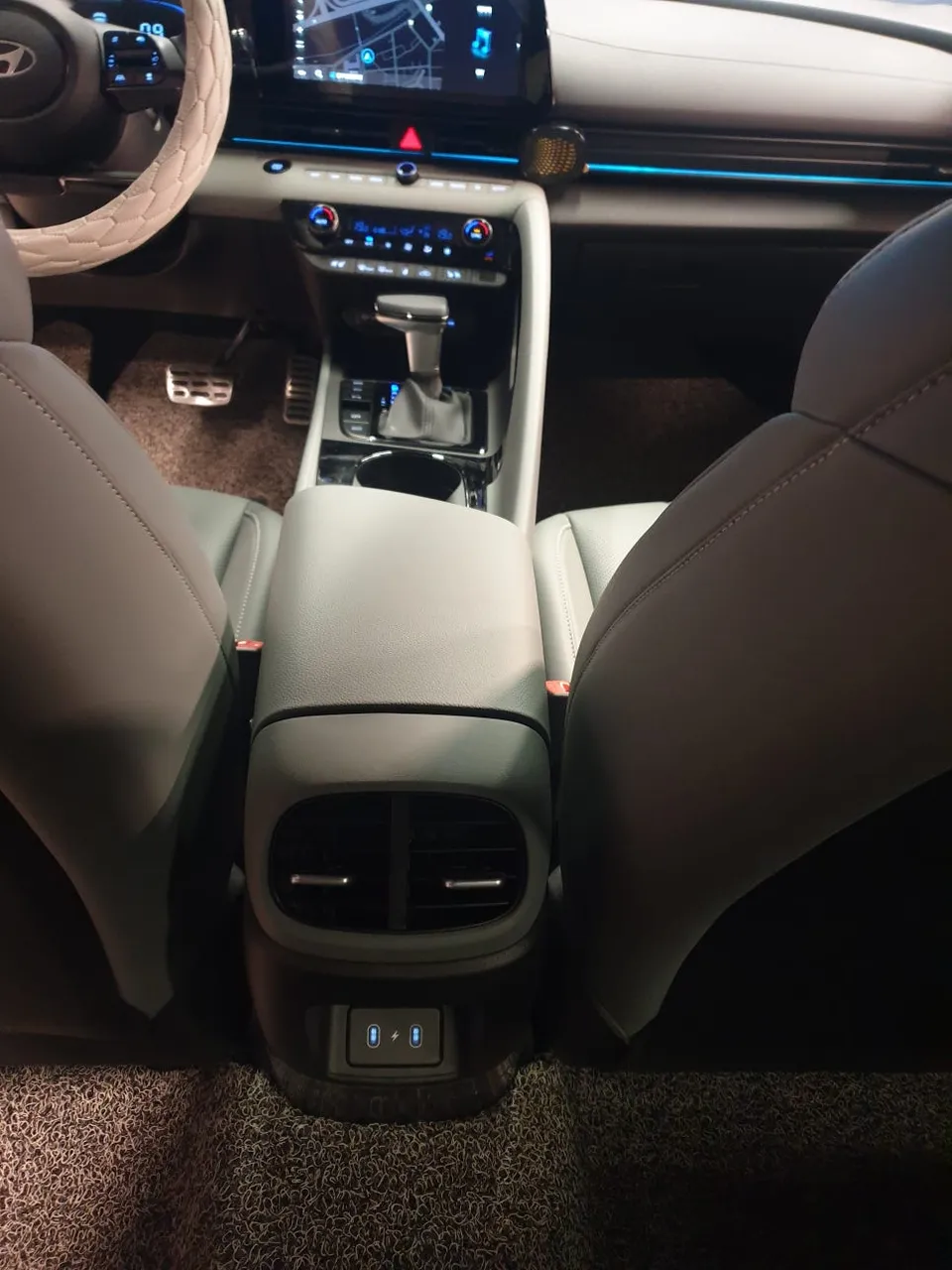
- All removed parts are reinstalled, ensuring perfect alignment and eliminating any gaps or rattles. For facelifted models, this often includes adding a rear USB-C charging port for added convenience.
Attention to detail is crucial during this installation. Any loose connections could lead to unwanted noise while driving, and ensuring the ducts are free of debris is vital for optimal airflow. The entire process, when performed by experienced technicians, typically takes about 2 to 3 hours and can usually be completed within a single day. The outcome is a factory-integrated look and feel, with functional rear air vents that significantly improve cabin comfort.
Before and After: A Noticeable Difference
The visual and functional impact of adding rear air vents to the Elantra CN7 is substantial. Before the installation, the rear seats often felt like an afterthought in terms of climate control. After the retrofit, cool air from the A/C and warm air from the heater can be directly felt in the rear, dramatically improving the experience for passengers. This is especially beneficial for families with children or for anyone frequently carrying passengers in the back. The improved air circulation means everyone enjoys a more consistent and comfortable temperature, making longer drives much more pleasant. This interior lighting upgrade, in the form of functional vents, directly addresses a common complaint and enhances the overall usability and value of the Elantra CN7.
Cost, Durability, and Value
The cost for this genuine parts installation typically ranges from approximately 200,000 to 400,000 Korean Won (roughly $150 to $300 USD, depending on exchange rates). This price includes the OEM parts and labor. Since genuine parts are used, the durability is expected to be equivalent to factory-installed components, meaning they should last the lifetime of the vehicle with no special maintenance beyond keeping the vents clear of debris. The value proposition is strong for those who regularly use the rear seats. It's a practical modification that solves a known design limitation, enhancing passenger comfort and potentially increasing the car's appeal. While not strictly an 'ambient lighting' upgrade in the colorful LED sense, the functional improvement to the cabin's atmosphere is undeniable.
Frequently Asked Questions
Q. How much does ambient lighting cost for a Hyundai Elantra CN7?
The cost for adding rear air vents, a functional interior upgrade, to a Hyundai Elantra CN7 typically ranges from 200,000 to 400,000 KRW (approx. $150-$300 USD). In the US, similar OEM retrofits can range from $200 to $400 depending on the specific parts and labor rates.
Q. How long does ambient lighting installation take on a Hyundai Elantra CN7?
The installation of rear air vents on a Hyundai Elantra CN7 usually takes about 2 to 3 hours and can be completed the same day. These vents are designed for long-term durability, lasting the life of the vehicle, with minimal maintenance required beyond keeping them clear of obstructions.
Q. Is aftermarket ambient lighting worth it for a Hyundai Elantra CN7?
Adding rear air vents is highly recommended for Elantra CN7 owners who frequently have rear passengers, as it significantly enhances comfort. The value lies in solving a common design oversight and improving the overall cabin experience for a reasonable cost.
Q. How is ambient lighting installed on a Hyundai Elantra CN7?
Installation involves carefully removing the center console, replacing the rear console cover, and fitting genuine air ducts. The process requires precise placement and secure connections to the existing HVAC system, followed by a thorough reassembly of all interior parts.
Q. What is the difference between OEM and aftermarket ambient lighting for a Hyundai Elantra CN7?
This review focuses on OEM (Original Equipment Manufacturer) rear air vent retrofits, which use genuine Hyundai parts for seamless integration and durability. Aftermarket options might exist, but OEM ensures factory fit and function, making it the recommended choice for reliability and performance.
OhCar Partner Shop