Hyundai IONIQ 6 Paint Protection — PPF, Ceramic or Both?
Hyundai IONIQ 6 Paint Protection — PPF, Ceramic or Both?
The Hyundai IONIQ 6 is a stunning electric vehicle, and keeping its paintwork pristine is a top priority for owners. When it comes to Hyundai IONIQ 6 protection, you're likely considering the best options available. Here at OhCar, we analyze data from thousands of real installation reviews from South Korean detailing shops to help you make informed decisions. This article dives into the world of Paint Protection Film (PPF), ceramic coatings, and the powerful combination of both, offering insights into their benefits, costs, and what you can expect for your IONIQ 6.
Understanding Your Hyundai IONIQ 6 Protection Options
Your new IONIQ 6 represents a significant investment, and protecting its exterior is crucial for maintaining its aesthetic appeal and resale value. The primary concerns for most owners are protecting against everyday hazards like stone chips, scratches, chemical stains, and UV damage. The two most popular solutions are Paint Protection Film (PPF) and ceramic coating. Often, owners opt for a combination of both to achieve the highest level of protection.
Paint Protection Film (PPF) for the IONIQ 6
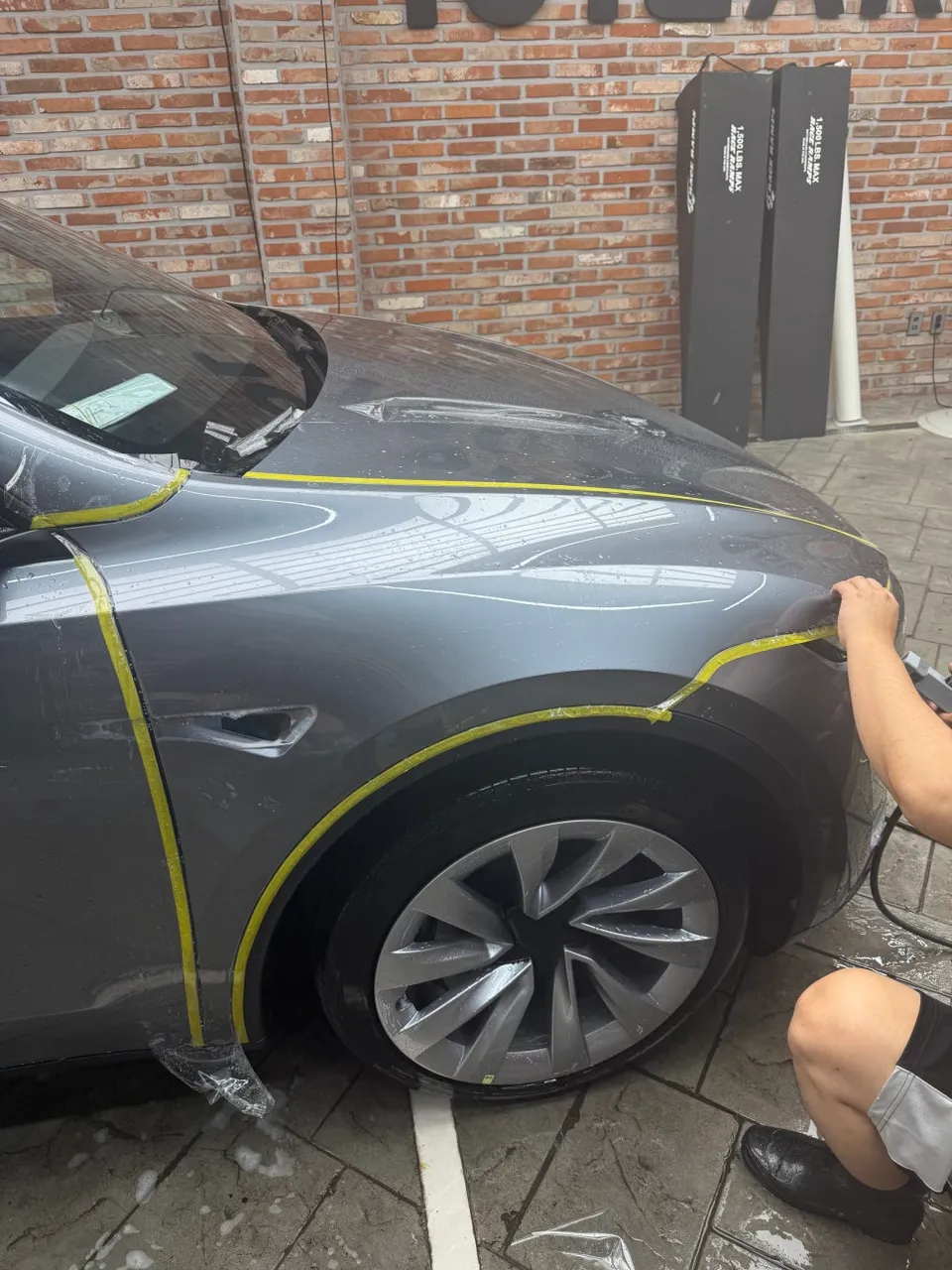
PPF, also known as clear bra, is a transparent, thermoplastic urethane film applied directly to your vehicle's paintwork. Its primary function is to act as a physical barrier against damage. Modern PPFs are incredibly advanced, offering self-healing properties for minor scratches and swirl marks, as well as resistance to stains and corrosion.
For a vehicle like the Hyundai IONIQ 6, which often comes in striking finishes, PPF is an excellent choice. We've seen reviews detailing the application of PPF on various Hyundai models, including a notable Hyundai IONIQ 6 PPF Review: Preserving Matte Gravity Gold, where the owner highlighted how the film maintained the unique matte finish while adding a layer of defense. This particular installation was priced at approximately $1,500+, showcasing the premium nature of full PPF application.
The extent of PPF coverage can vary significantly. Options typically include:
- Full Frontal Protection: Covers the front bumper, hood, fenders, and side mirrors – the areas most vulnerable to stone chips.
- Partial Frontal Protection: Covers the most exposed sections of the hood and fenders, along with the front bumper and mirrors.
- Full Vehicle Coverage: The entire car is wrapped in PPF for ultimate protection.
- Custom Coverage: Specific areas like door edges, door cups, or rocker panels can be protected.
The cost of PPF installation can vary based on the coverage area, the brand of film used, and the complexity of the vehicle's design. Our data indicates a price range for PPF on Hyundai vehicles from around $400–$800 for partial kits to over $1,500 for full vehicle wraps. For a comprehensive understanding of pricing factors, check out our PPF cost guide.

Ceramic Coating for Your IONIQ 6
Ceramic coating is a liquid polymer that chemically bonds with the vehicle's factory paint, creating a durable, protective layer. Unlike waxes or sealants that sit on top of the paint, ceramic coatings form a semi-permanent shield. This shield offers exceptional resistance to UV rays, chemical stains (like bird droppings or bug splatter), light scratches, and makes the car significantly easier to clean due to its hydrophobic properties.
A ceramic coating provides a deep gloss and enhances the paint's natural shine, making your IONIQ 6 look perpetually showroom-ready. While it offers excellent protection against environmental contaminants and minor abrasions, it is not designed to withstand the impact of stone chips or deep scratches like PPF can.
The application process for ceramic coating involves meticulous paint preparation, including washing, decontamination, and often paint correction (polishing) to remove any existing imperfections. This ensures the coating bonds effectively and achieves the best possible finish. The cost for a professional ceramic coating on a vehicle like the IONIQ 6 typically ranges from $800 to $1,500, depending on the quality of the coating, the number of layers applied, and the extent of paint correction needed.