How to Remove Paint Transfer from Your Car — Safe Methods That Work
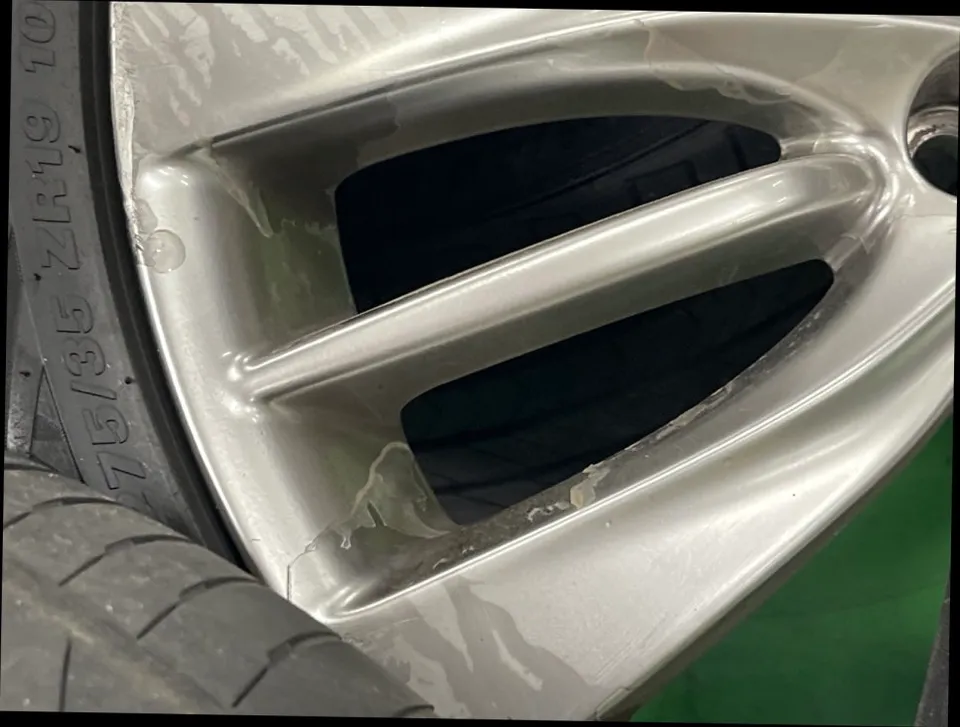
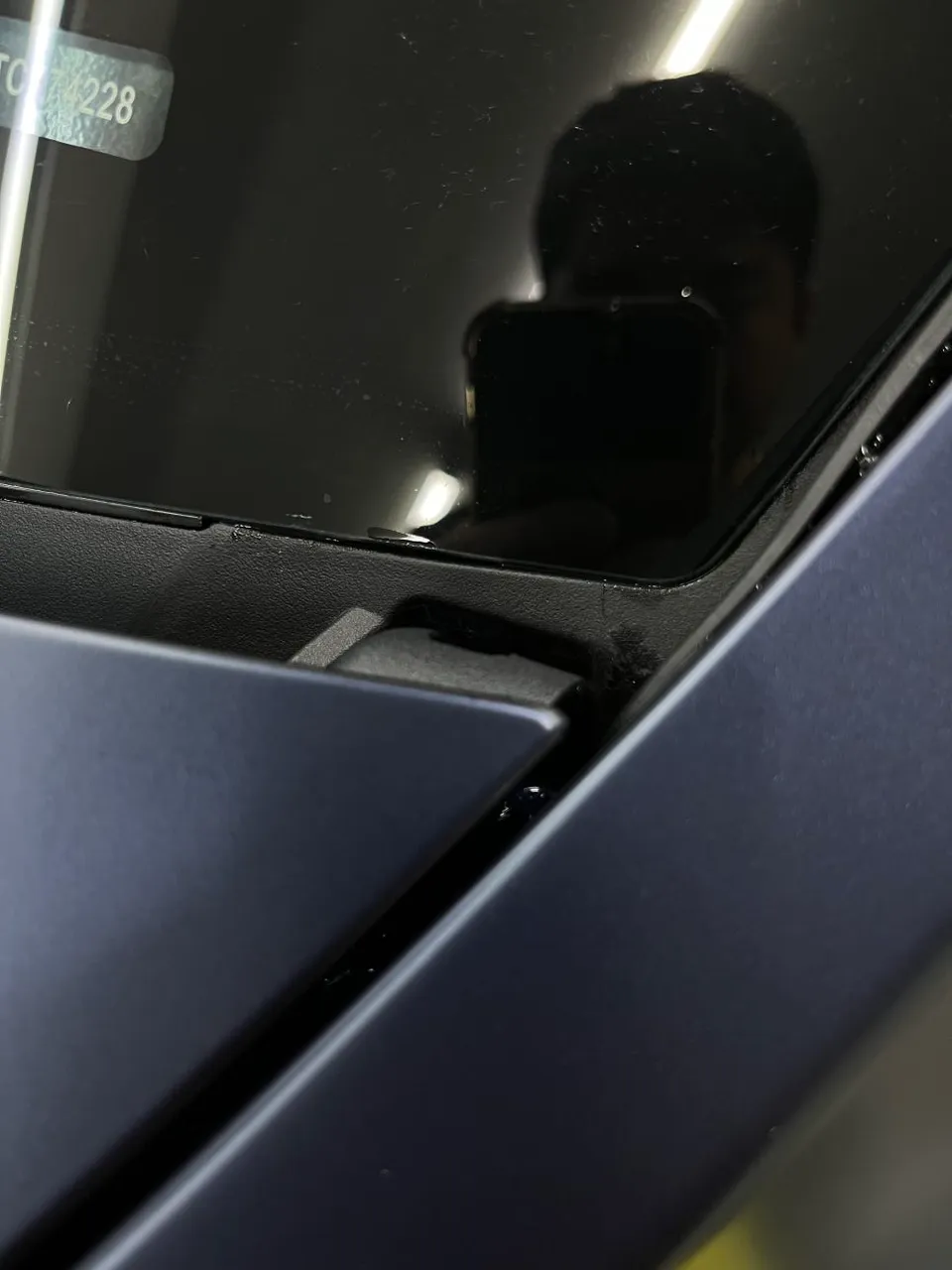
Accidents happen, and one of the most frustrating is paint transfer. Whether it's from a minor scrape against a wall, a brush with another vehicle, or even a rogue shopping cart, seeing those unsightly marks on your car's paint can be disheartening. Fortunately, learning how to remove paint transfer effectively is achievable with the right knowledge and tools. This guide will walk you through safe and proven methods, drawing on insights from detailing professionals and car owners.
At OhCar, we've analyzed data from over 50 owner reviews on professional car detailing services in South Korea, covering a range of vehicles from Hyundai and Kia to Tesla and BMW. While our data focuses on Korean market pricing and services, the principles of paint transfer removal are universal. We'll explore DIY techniques and when it might be best to seek professional help, providing context on costs you might encounter for comprehensive detailing services.

Understanding Paint Transfer and Why It Happens
Paint transfer occurs when the paint from one surface comes into contact with and adheres to another. This is common in automotive scenarios because car paint is designed to be durable but also has a degree of adhesion. When two painted surfaces (or paint and another material) rub against each other, especially with some force, microscopic layers of paint can be deposited onto your car's finish. The color of the transferred paint will often be different from your car's original color, making it highly visible.
Factors Influencing Paint Transfer
- Friction: The more friction involved in the contact, the more likely paint transfer is to occur.
- Paint Hardness: Softer paints are more prone to transferring paint onto harder surfaces.
- Surface Condition: A dirty or unpolished surface can exacerbate paint transfer.
- Angle of Impact: A glancing blow is more likely to cause transfer than a direct impact.