Hyundai Elantra CN7 Seat Climate Upgrade Review
Service Price
$approx. $750–1,150
Estimated price · Actual price may vary by shop

Hyundai Elantra CN7 Seat Ventilation & Heating retrofit: $750-$1,150. Enjoy year-round comfort with OEM parts.
Enhance Your Drive with Seat Ventilation & Heating for the Hyundai Elantra CN7
For many drivers, the Hyundai Elantra CN7 offers a comfortable and efficient ride, but certain trims may lack the premium comfort features many desire. Specifically, the absence of ventilated and heated seats can be a significant drawback, especially during extreme weather conditions. This review delves into the process, benefits, and considerations of retrofitting these climate control features into your Elantra CN7, drawing from experiences with installations performed in Korea using genuine OEM parts.
The Need for Seat Climate Control
While your car's HVAC system manages cabin air temperature, it doesn't directly address the comfort of your contact points – your seats. In the sweltering heat of summer, a hot seat can lead to discomfort and sweating, while in the chill of winter, a frigid seat can make for an unpleasant start to your journey. Ventilated seats circulate air to cool you down, and heated seats provide warmth, transforming the driving experience year-round. For Elantra CN7 owners, particularly those with base or mid-tier trims that often omit these options, a seat climate upgrade offers a substantial improvement in daily driving pleasure. This retrofit ensures that regardless of the season, your seating position remains at an optimal temperature, enhancing focus and reducing fatigue on longer drives.
Installation Process: Achieving an Integrated Look and Feel
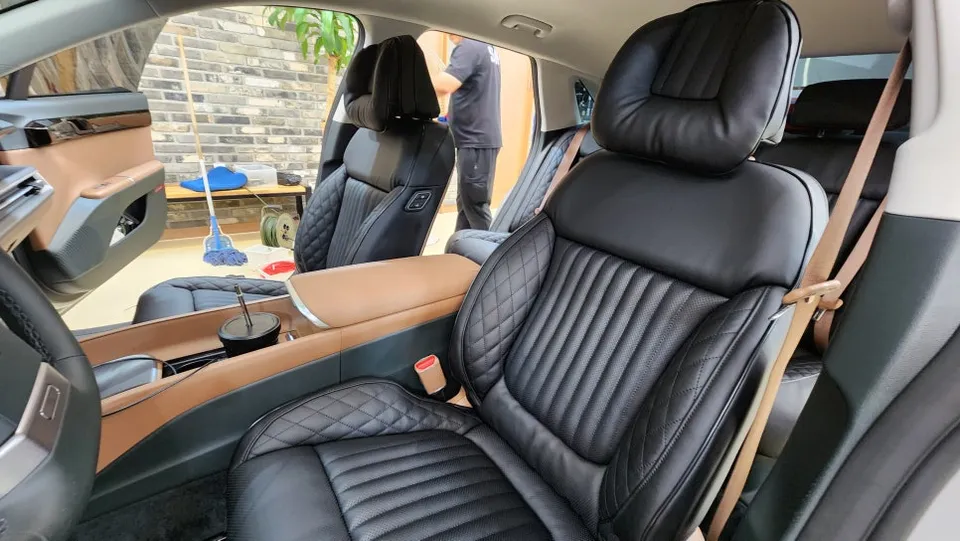
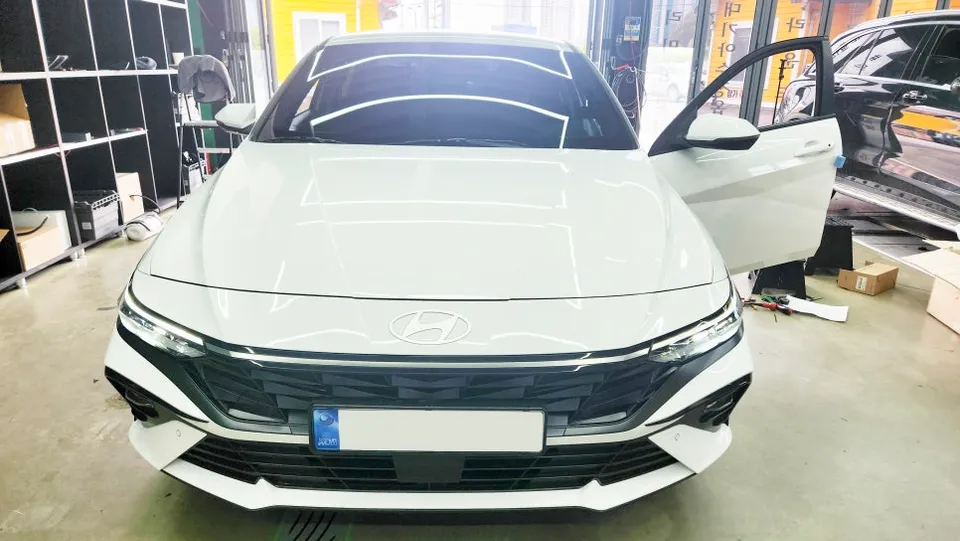
The process of installing genuine Seat Ventilation & Heating in a Hyundai Elantra CN7 focuses on replicating the factory experience. It involves meticulous disassembly and reassembly to ensure a seamless integration. The key is using OEM components, which guarantees compatibility and maintains the vehicle's aesthetic and functional integrity.
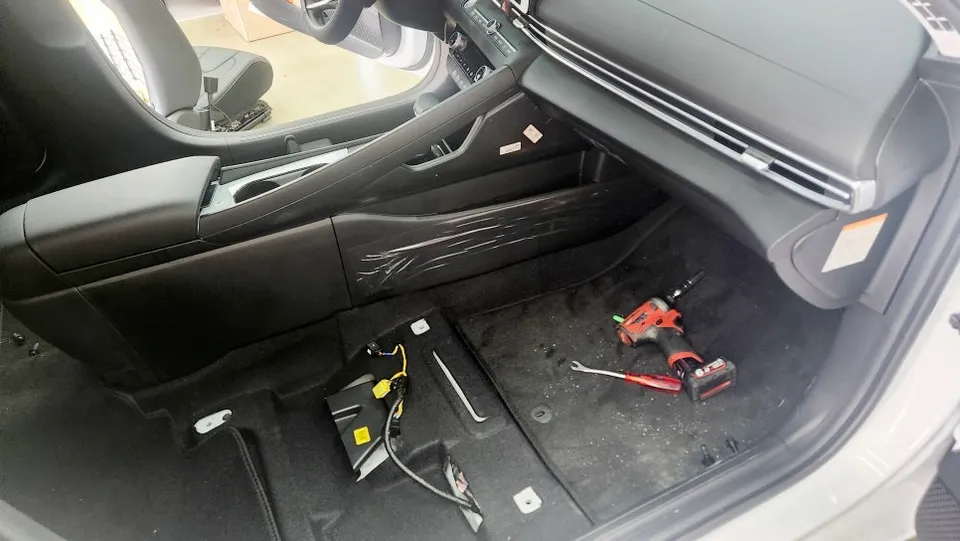
- Seat Disassembly: The process begins with carefully removing the seats from the vehicle to prevent any damage to interior trim. Once removed, the seat covers and cushioning are separated.
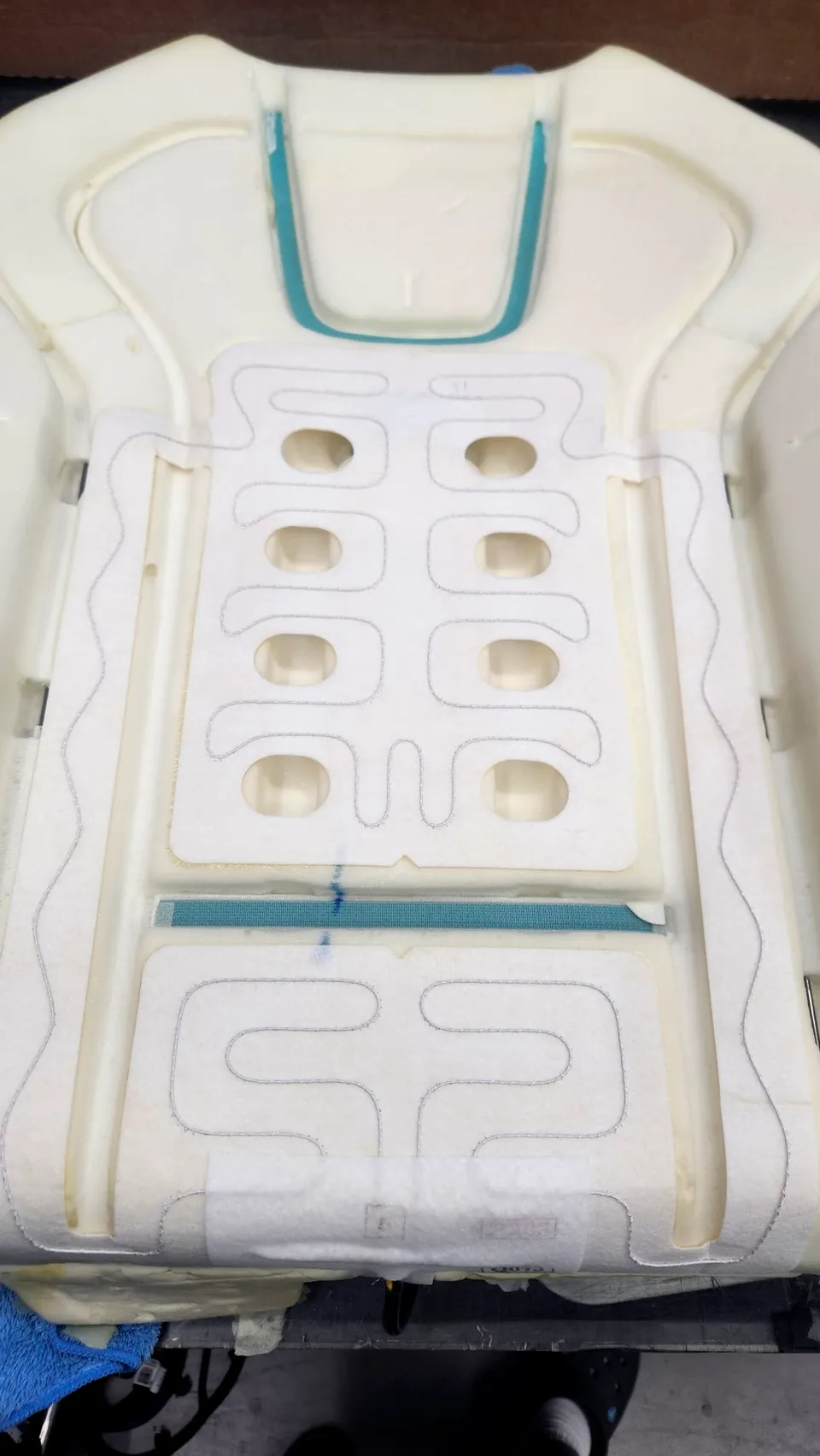
- Component Replacement: Instead of modifying existing cushions, this method utilizes pre-fabricated seat cushions that come with integrated ventilation channels and heating elements. This ensures a cleaner installation and superior airflow compared to aftermarket modifications.
- Fan and Module Installation: Small, efficient fans are mounted beneath the seat frame to generate airflow. Corresponding control modules are then installed to manage the system's operation. Using genuine parts ensures these components fit precisely without interfering with other vehicle systems.
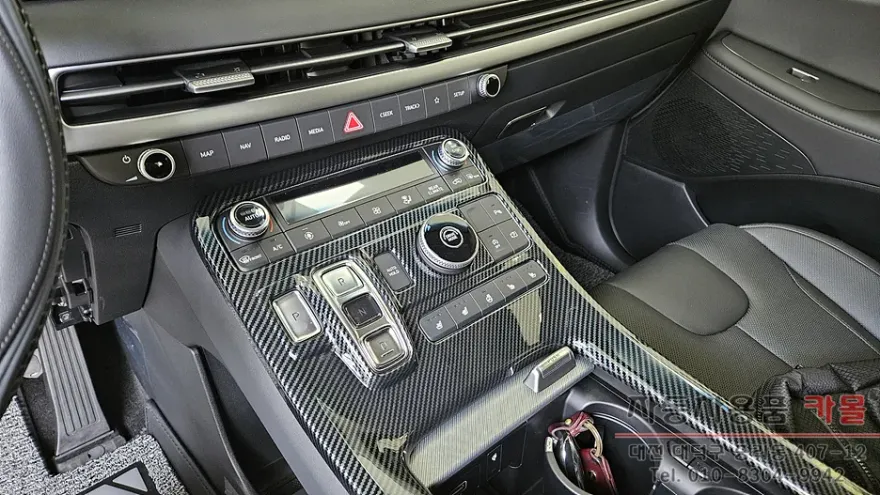
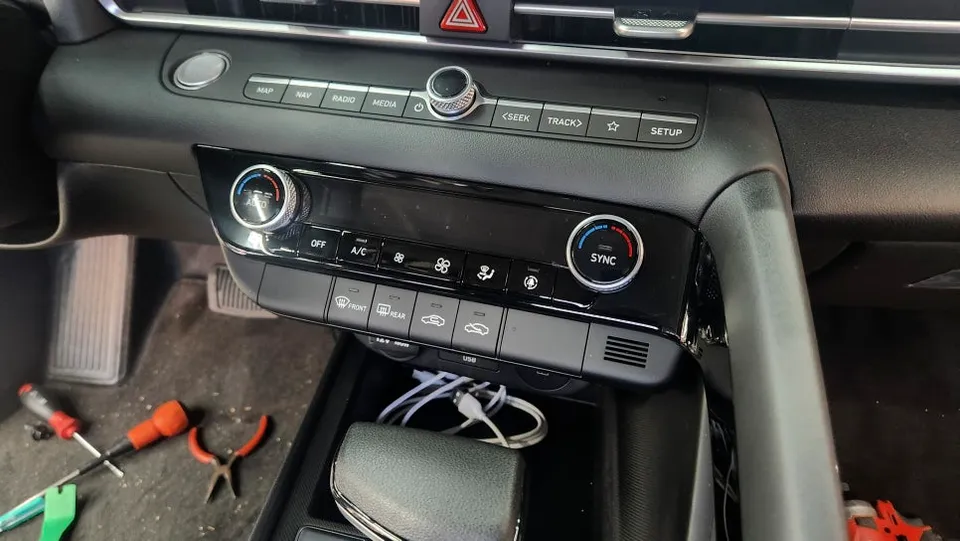
- Switch Integration: The original climate control switches are replaced with OEM units that integrate the new ventilation and heating functions. For the Elantra CN7, this often means replacing a section of the center console's control panel for a factory-perfect finish.
This method, while potentially requiring more time due to parts sourcing, results in a higher quality, more durable, and aesthetically superior outcome. The entire installation typically takes between 3 to 5 hours, allowing for same-day completion. The estimated cost for this genuine parts installation, including labor, ranges from approximately 700,000 to 1,200,000 Korean Won (roughly $750–$1,150 USD), depending on the specific trim and chosen components.
Durability, Maintenance, and Value
Opting for genuine Seat Ventilation & Heating components offers significant advantages in terms of durability and long-term performance. Because these parts are designed to factory specifications, they integrate flawlessly with the vehicle's electrical system, minimizing the risk of malfunctions or premature wear. Maintenance is straightforward: for the ventilation system, periodic cleaning to prevent dust buildup in the vents is recommended. For the heating elements, avoiding excessive moisture and physical impact is key. Most genuine installations come with a warranty, typically around 1-2 years, providing peace of mind. The overall value proposition is strong, especially for drivers who prioritize comfort and a factory-like finish. While aftermarket options exist, they may not offer the same level of integration, durability, or aesthetic appeal. The investment in a genuine retrofit significantly enhances the driving experience, making it a worthwhile upgrade for many Elantra CN7 owners seeking to maximize their vehicle's comfort features.
Frequently Asked Questions
Q. How much does ventilated seat installation cost for a Hyundai Elantra CN7?
Genuine Seat Ventilation & Heating installation for a Hyundai Elantra CN7 typically costs between $750 and $1,150 USD, including parts and labor.
Q. How long does seat ventilation installation take on a Hyundai Elantra CN7?
The installation process for Seat Ventilation & Heating generally takes 3 to 5 hours, allowing for same-day completion. Proper maintenance involves keeping vents clear of debris and avoiding excessive moisture on heating elements.
Q. Are aftermarket ventilated seats worth it for a Hyundai Elantra CN7?
Genuine Seat Ventilation & Heating offers superior integration and durability compared to aftermarket options. It's most beneficial for drivers seeking a factory-like experience and long-term comfort.
Q. How are ventilated seats installed in a Hyundai Elantra CN7?
Installation involves replacing existing seat cushions with units featuring integrated ventilation channels and heating pads, mounting fans, and integrating control modules and switches for a factory finish.
Q. What is the difference between OEM and aftermarket ventilated seats for a Hyundai Elantra CN7?
OEM parts ensure perfect integration, durability, and a factory look, while aftermarket options may compromise on these aspects. For the best results, OEM is recommended.
Q. What should I know before getting Seat Ventilation & Heating on a Hyundai Elantra CN7? (common regrets and mistakes)
The most common regret is not opting for genuine parts, which can lead to issues with integration and durability. Always choose OEM components for a seamless and long-lasting upgrade.
OhCar Partner Shop