Hyundai Azera Seat Climate Upgrade Review
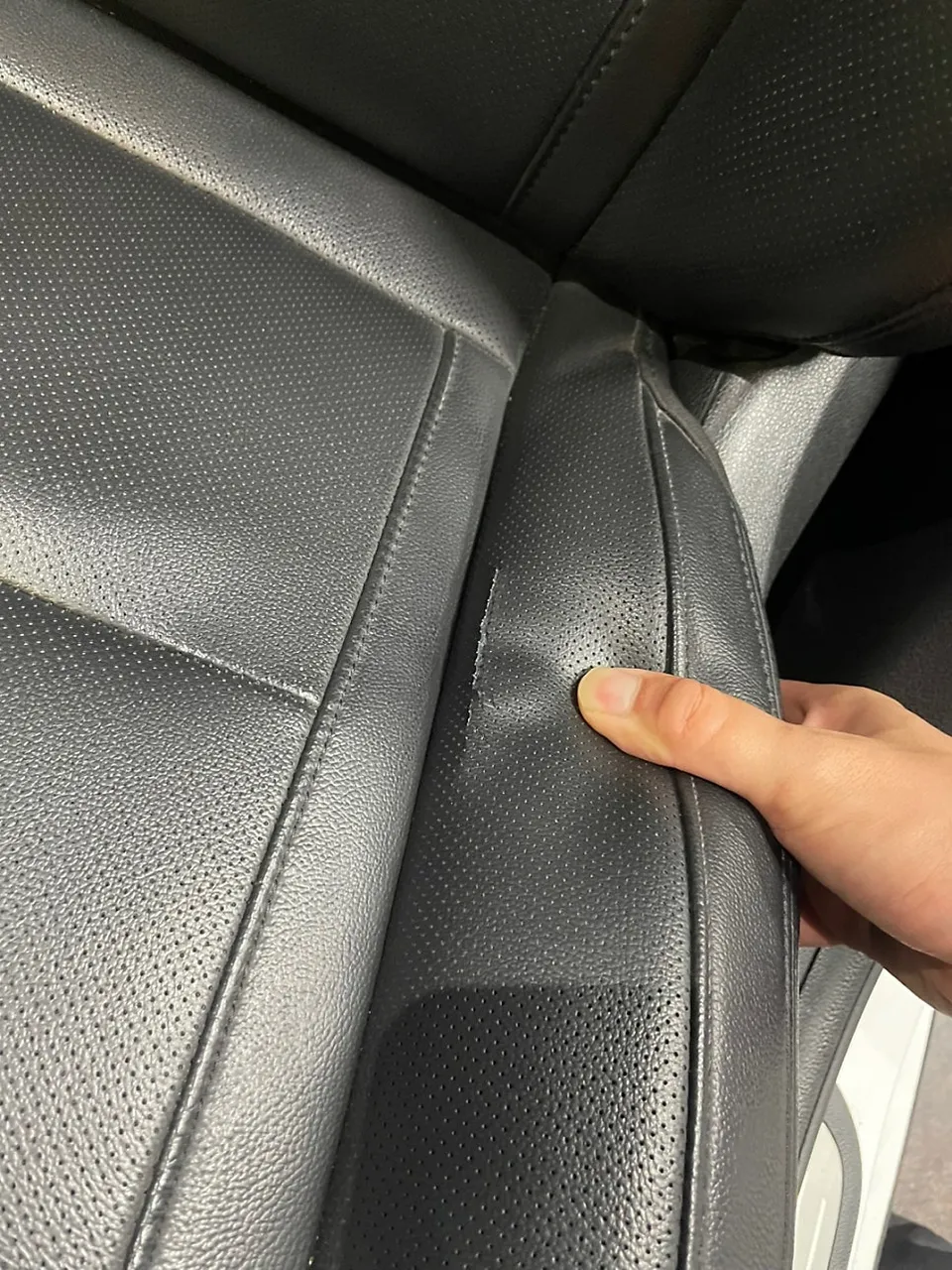
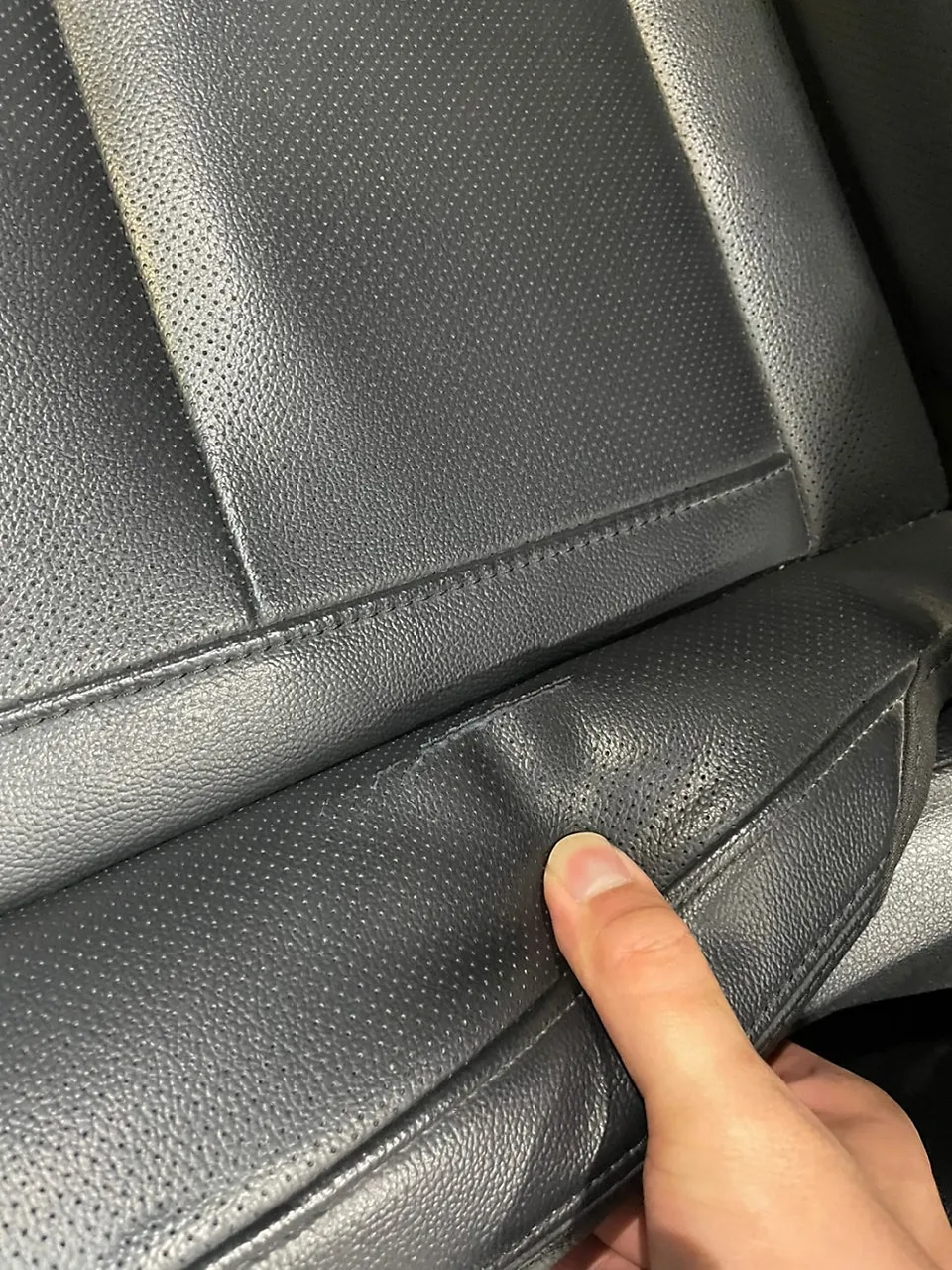
Hyundai Azera seat climate upgrade: Cost varies. Enhances comfort and vehicle value with restored seat integrity.
Revitalizing Your Hyundai Azera's Seats
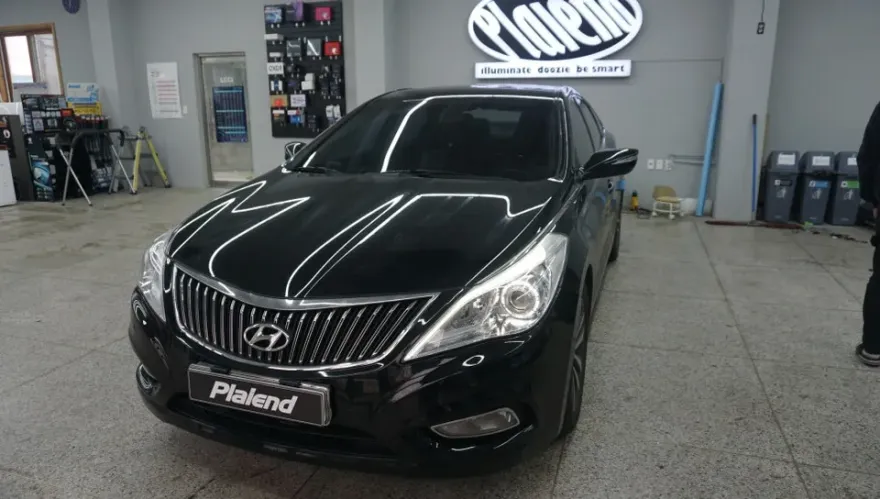
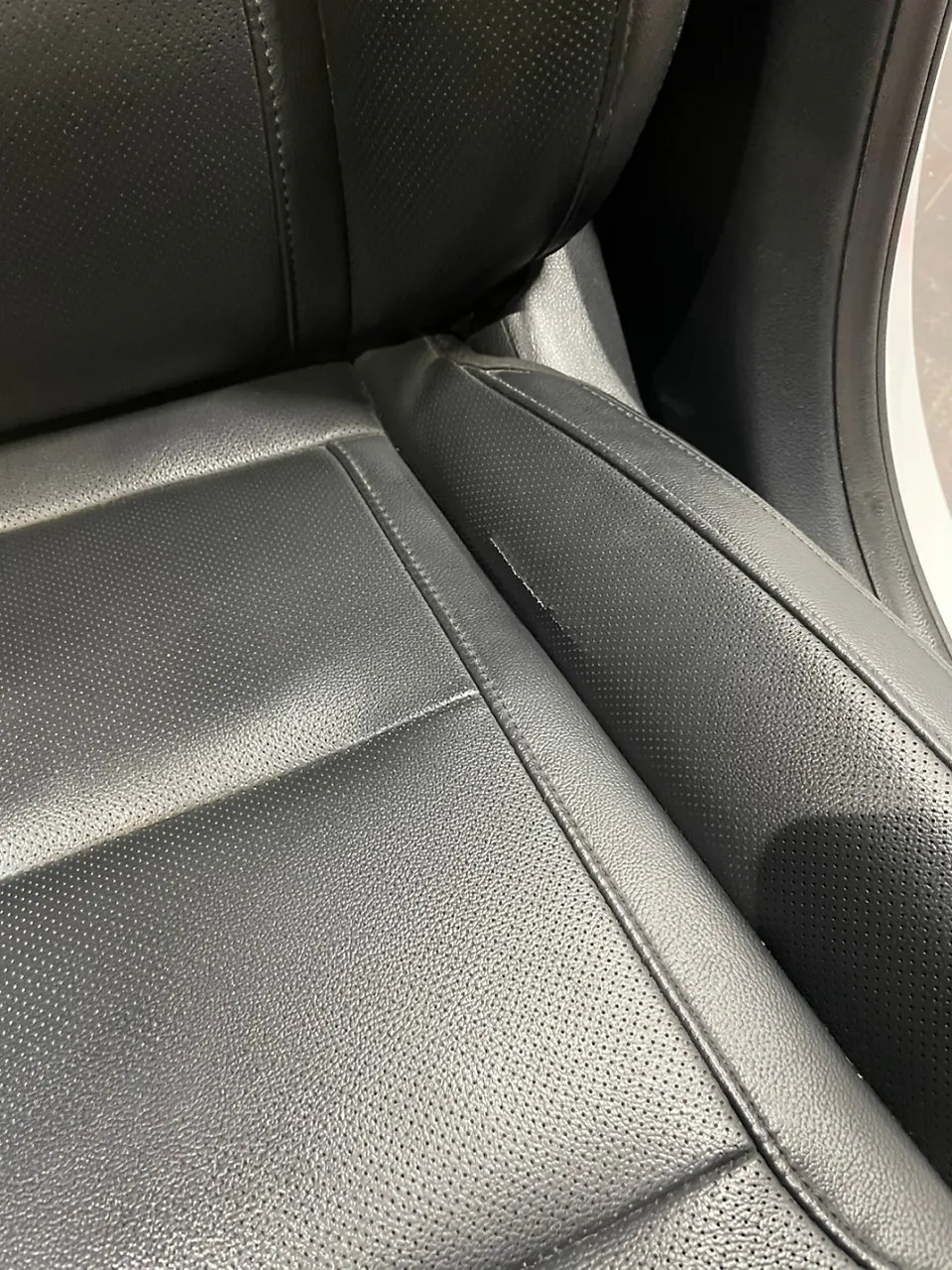
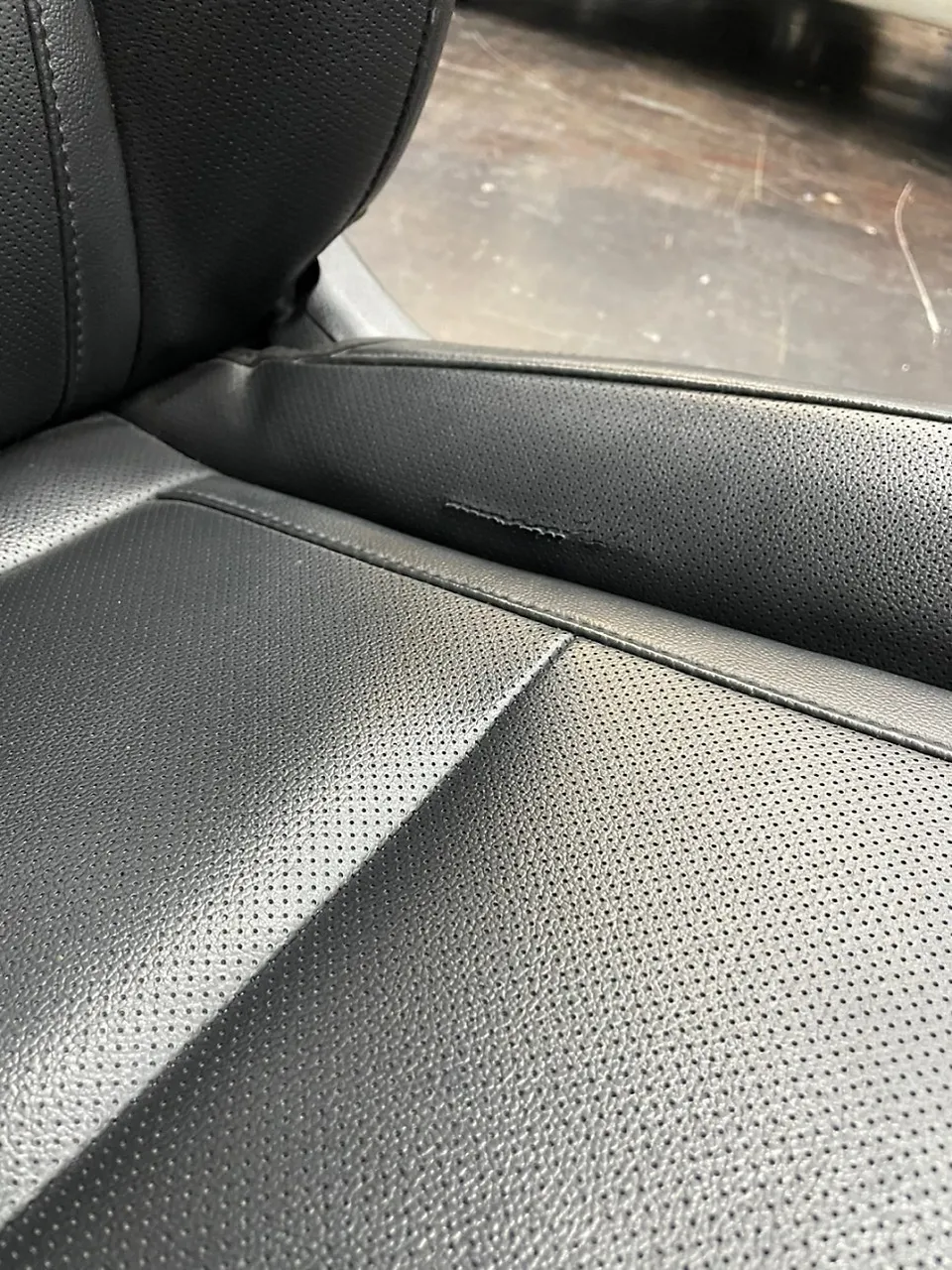
The Hyundai Azera, a popular model known for its comfort, can show signs of wear over time, especially on the driver's seat. Daily use leads to friction and pressure, particularly on the left bolster, causing cracks and dryness. This isn't just an aesthetic issue; deep cracks can compromise the seat's internal structure and affect driving comfort. Our focus is on restoring the seat's original value and durability, not just a superficial fix. We employ advanced techniques to repair deep-seated damage, ensuring the restored leather maintains its texture and pattern, minimizing any visual difference from the original.
Seat Ventilation & Heating Installation Process
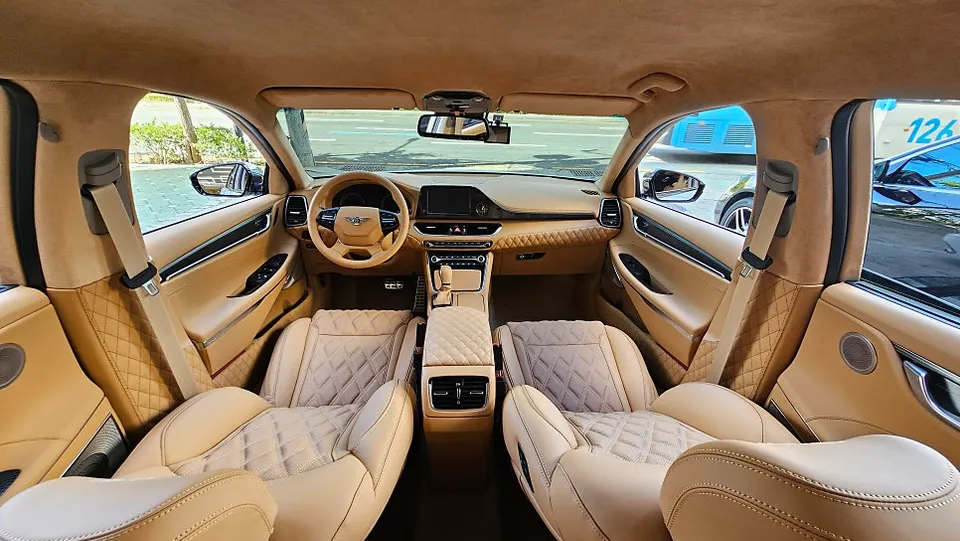
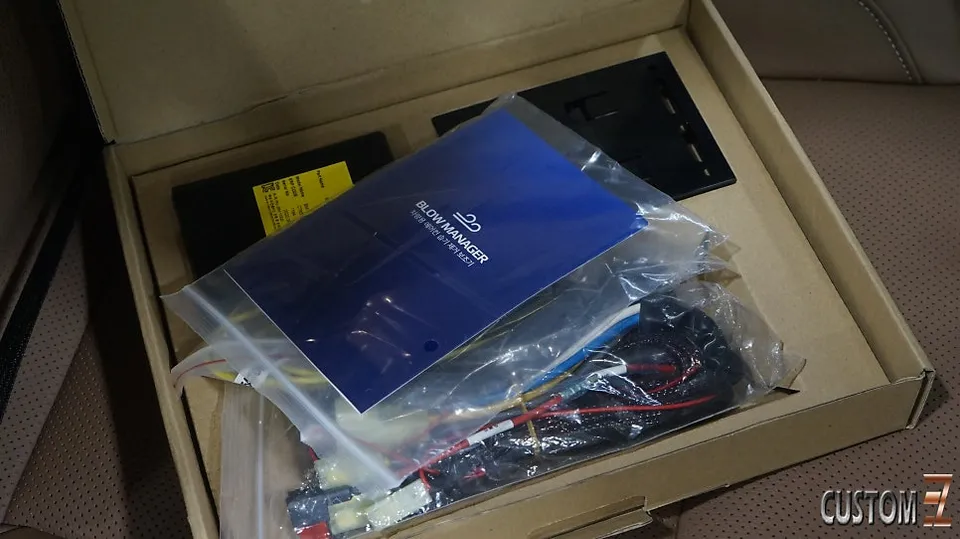
Adding seat ventilation and heating to your Hyundai Azera involves a detailed installation process. While the original context focused on seat repair in Korea, the principles for adding climate control are similar globally. The goal is to integrate these features seamlessly, enhancing both comfort and vehicle value. This upgrade typically involves installing heating elements and ventilation fans beneath the seat upholstery, along with control modules and wiring.
Installation Process:
- Seat disassembly to access the upholstery and foam.
- Careful installation of heating pads and/or ventilation fans, ensuring proper placement for even distribution.
- Integration of wiring harnesses and control modules, connecting to the vehicle's power system.
- Reassembly of the seat, ensuring all components are secure and upholstery is correctly fitted.
- Testing of all functions to confirm proper operation of heating and ventilation.
Durability and Maintenance of Seat Climate Upgrades
The durability of a seat climate upgrade depends on the quality of the components and the professional installation. High-quality kits are designed to withstand regular use. Maintenance typically involves keeping the seat upholstery clean and dry, as excessive moisture can affect the electronic components. For ventilated seats, ensuring the vents are free from debris is also important. The aim is to restore not just the appearance but the functional integrity and value of your Azera's seating.
Frequently Asked Questions
Q. How much does ventilated seat installation cost for a Hyundai Azera?
The cost for ventilated seat installation on a Hyundai Azera can vary significantly based on the specific kit and installer. In Korea, such services might range from approximately ₩500,000 to over ₩1,000,000 (roughly $370-$750+ USD), depending on the complexity and features.
Q. How long does seat ventilation installation take on a Hyundai Azera?
Seat ventilation installation typically takes between 4 to 8 hours for a full set of seats. To ensure longevity, keep the seat upholstery clean and dry, and ensure ventilation ports remain unobstructed.
Q. Are aftermarket ventilated seats worth it for a Hyundai Azera?
Aftermarket ventilated seats are often worth it for drivers seeking enhanced comfort, especially in warmer climates or during long drives. They significantly improve the driving experience by providing active cooling and heating.
Q. How are ventilated seats installed in a Hyundai Azera?
Ventilated seats are installed by carefully disassembling the seat, integrating heating elements and/or fans beneath the upholstery, connecting the wiring, and then reassembling the seat. The process requires precision to ensure proper function and a seamless finish.
Q. What is the difference between OEM and aftermarket ventilated seats for a Hyundai Azera?
OEM (Original Equipment Manufacturer) ventilated seats are designed and integrated by the car manufacturer, offering a factory-perfect fit and finish. Aftermarket kits, while often more affordable, require professional installation and may have slight variations in appearance or performance.
Q. What should I know before getting Seat Ventilation & Heating on a Hyundai Azera? (common regrets and mistakes)
The most common regret is not considering the long-term durability and maintenance requirements of the system. Always opt for reputable installers and quality components to avoid issues like uneven heating or fan failure.
OhCar Partner Shop