Hyundai Palisade Seat Climate Upgrade Review
Before

After
Process photos


Seat climate upgrade on Hyundai Palisade: Approx. $375-$750+. Enhances comfort year-round.
Seat Climate Upgrade for Your Hyundai Palisade
The Hyundai Palisade is a popular SUV known for its comfort and spaciousness. However, for many owners, the standard seating can leave something to be desired, especially in extreme weather. This review delves into the world of aftermarket seat ventilation and heating systems, exploring the benefits, installation process, and overall value for Palisade owners. While the original context for this information comes from a detailed new car inspection in South Korea, the insights into seat quality issues and the importance of climate control are universally relevant for car owners.
Understanding Seat Ventilation & Heating
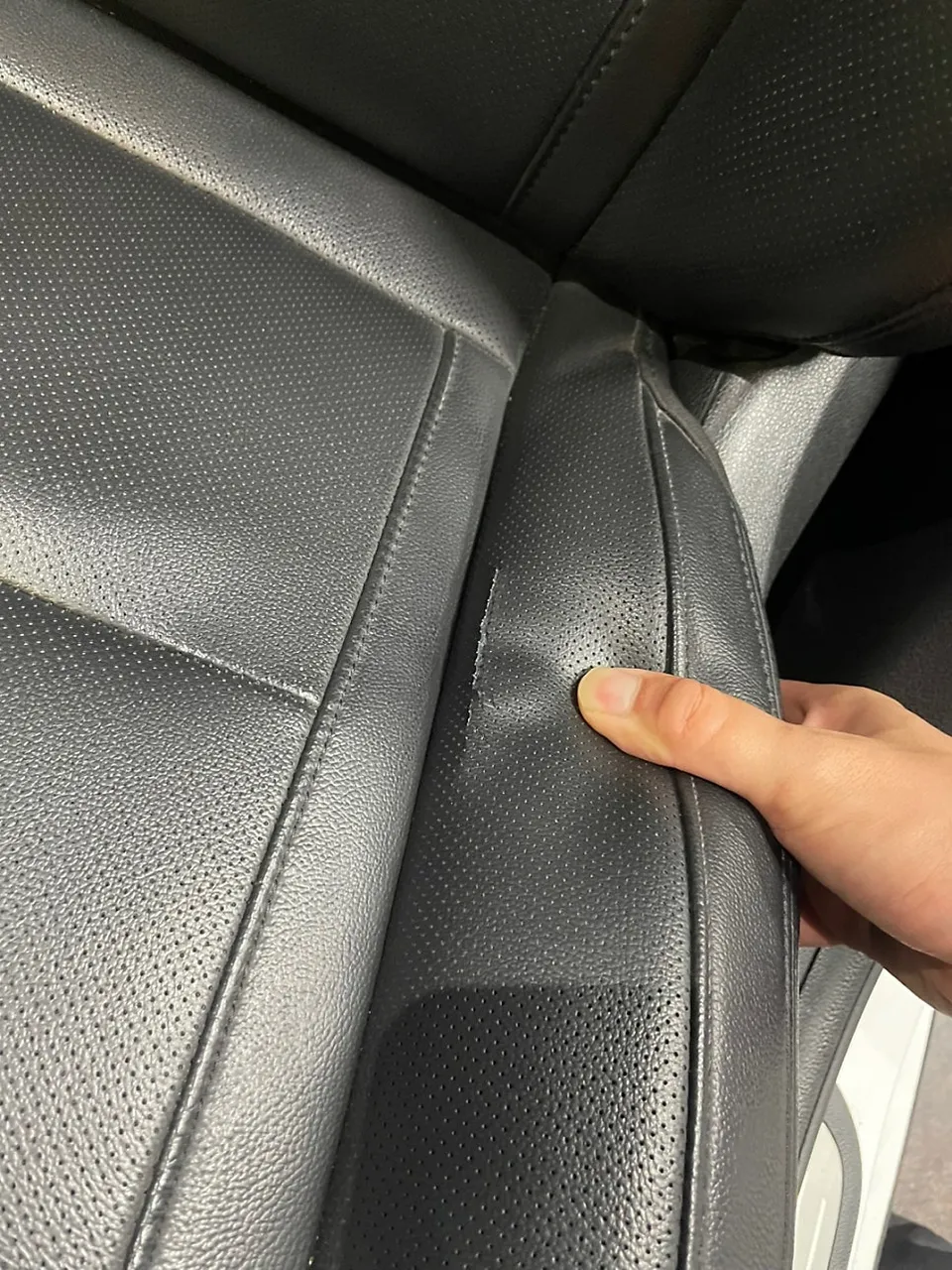
Seat ventilation and heating systems offer a significant upgrade to your driving experience. Ventilated seats use fans to draw air through perforations in the seat's upholstery, providing a cooling effect that's invaluable during hot summer months. Heated seats, on the other hand, use heating elements to warm the seat surface, offering comfort and relief during cold winter days. The original context highlighted a critical new car inspection where a seat defect was discovered – a tear on the side of the driver's seat. This underscores the importance of thorough inspections, whether for factory defects or the quality of aftermarket installations. In Korea, such seat issues can lead to delays, as seen with a two-week wait for a seat replacement. While this specific case involved a factory defect, it emphasizes the attention to detail required when dealing with seat components, including the installation of climate control systems.
Installation Process and Considerations
Installing a seat ventilation and heating system typically involves integrating fans and heating elements into the seat structure, along with wiring to the vehicle's power system. The process requires careful disassembly of the seat, precise placement of components, and secure reassembly to maintain the seat's integrity and comfort. The original context mentioned that vehicle inspections include checking the car's heating elements, not just for comfort, but also to prevent fogging on windows during temperature changes, which is crucial for safety. This highlights the technical nature of these systems. While specific cost details were not provided in the original context, aftermarket installations can vary. In South Korea, the cost for such upgrades can range from approximately ₩500,000 to over ₩1,000,000 (roughly $375 to $750 USD), depending on the system's complexity and the installer's expertise. Durability is generally good with reputable brands, often lasting many years with proper care. Maintenance usually involves keeping the seat upholstery clean and ensuring the ventilation ports are free of debris.
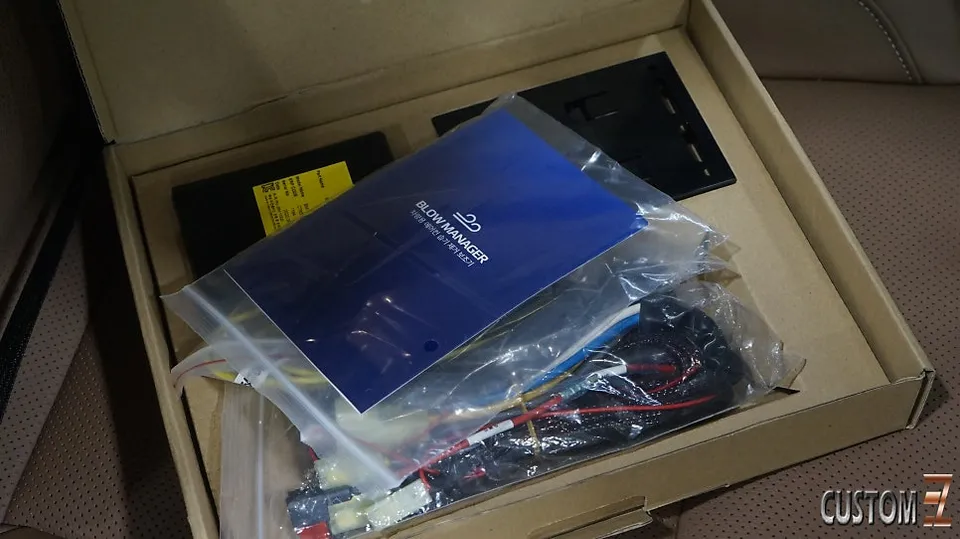
Installation process:
- Seat disassembly: Carefully remove the seat covers and padding.
- Component integration: Install fans for ventilation and heating elements for warmth within the seat structure.
- Wiring: Connect the system to the vehicle's power source and control switches.
- Reassembly and testing: Reassemble the seat and test all functions to ensure proper operation.
When considering this upgrade for your Hyundai Palisade, it's essential to choose a reputable installer. The original context mentioned a delay of about two weeks for a seat replacement due to a defect, illustrating that quality work can sometimes take time. Ensuring the installer is experienced with automotive electronics and upholstery is key to a seamless and effective installation. The benefits of enhanced comfort, especially during long drives or in varying climates, can significantly improve the ownership experience of your Palisade.

Frequently Asked Questions
Q. How much does ventilated seat installation cost for a Hyundai Palisade?
In South Korea, the cost for seat climate upgrades on a Hyundai Palisade can range from approximately ₩500,000 to over ₩1,000,000 (roughly $375 to $750 USD). Typical US installation costs can fall within a similar or slightly higher range, depending on the system and installer.
Q. How long does seat ventilation installation take on a Hyundai Palisade?
The installation process for seat ventilation and heating systems typically takes several hours to a full day, depending on the complexity of the system and the installer's efficiency. With proper installation from a reputable shop, these systems are designed for long-term durability, often lasting many years.
Q. Are aftermarket ventilated seats worth it for a Hyundai Palisade?
Aftermarket ventilated and heated seats are worth it for Hyundai Palisade owners who frequently experience extreme temperatures or desire enhanced comfort during their drives. The significant improvement in driving comfort, especially on long journeys, provides a strong value proposition.
Q. How are ventilated seats installed in a Hyundai Palisade?
Installation involves carefully disassembling the seat to integrate fans and heating elements within the seat structure. Wiring is then connected to the vehicle's power and controls, followed by reassembly and thorough testing of all functions.
Q. What is the difference between OEM and aftermarket ventilated seats for a Hyundai Palisade?
OEM (Original Equipment Manufacturer) seats are integrated directly from the factory, offering a seamless look and guaranteed compatibility. Aftermarket systems can offer more advanced features or be a more cost-effective retrofit option, though professional installation is crucial for optimal results.
Q. What should I know before getting Seat Ventilation & Heating on a Hyundai Palisade? (common regrets and mistakes)
The most common regret is choosing an inexperienced installer, which can lead to poor performance or damage. Always research and select a reputable shop with proven experience in automotive climate control retrofits to ensure a satisfactory outcome.
OhCar Partner Shop