Hyundai Elantra CN7 360 Camera Install Review
Service Price
Est. $750–1,150
Estimated price · Actual price may vary by shop
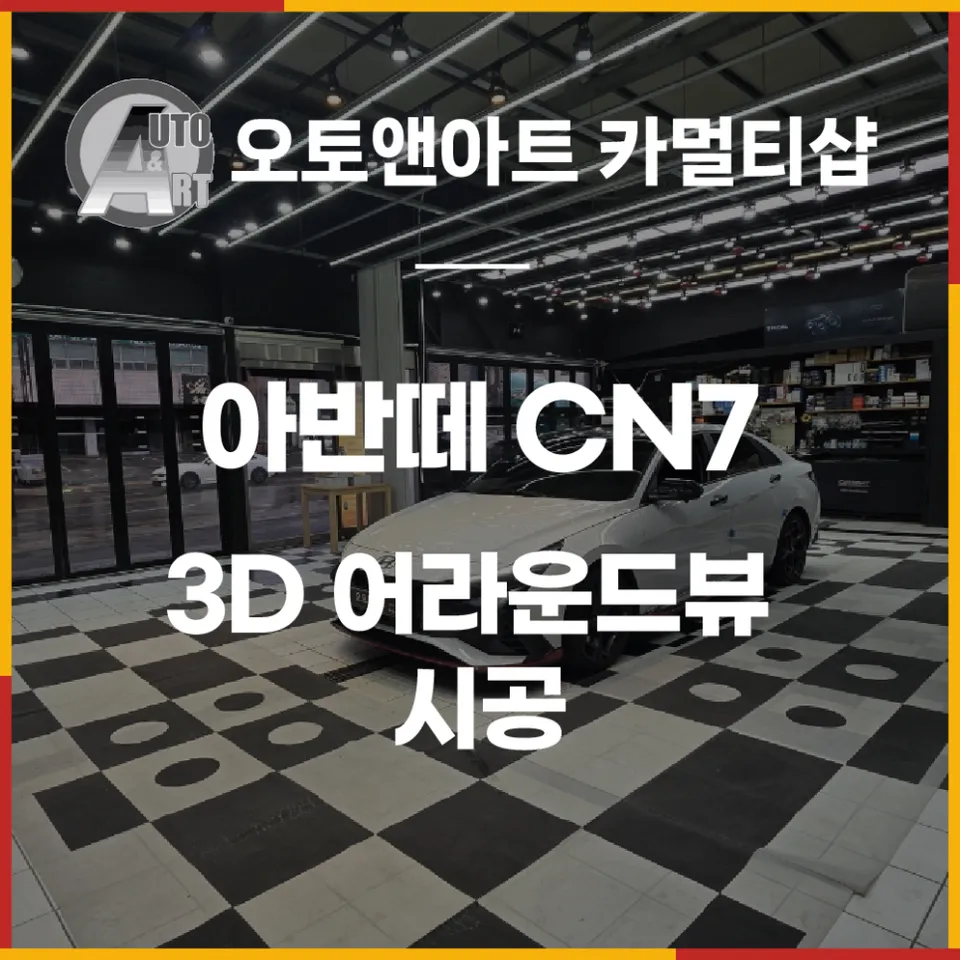
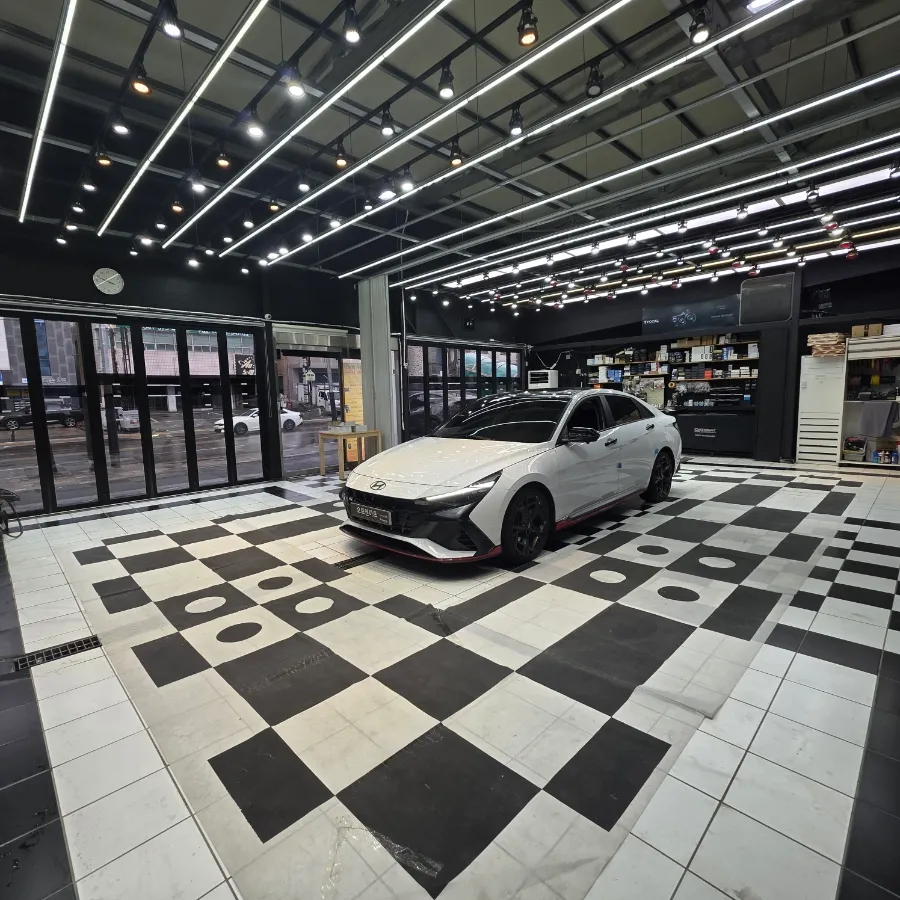
Hyundai Elantra CN7 3D surround view camera installation: ₩700,000-₩1,000,000. Enhances parking visibility.
Upgrade Your Hyundai Elantra CN7 with a 3D Surround View Camera
Choosing factory options for your new car can be a tough decision, especially when features like a 360-degree camera system come with a hefty price tag. Many drivers regret skipping these convenience features later, particularly those who struggle with visibility while parking. Fortunately, an aftermarket 3D surround view camera installation offers a compelling solution for your Hyundai Elantra CN7, enhancing parking ease and overall driving confidence. This review covers the installation process, costs, and benefits of adding a bird's-eye view camera system.
Why Choose Aftermarket 3D Surround View for Your Elantra CN7?
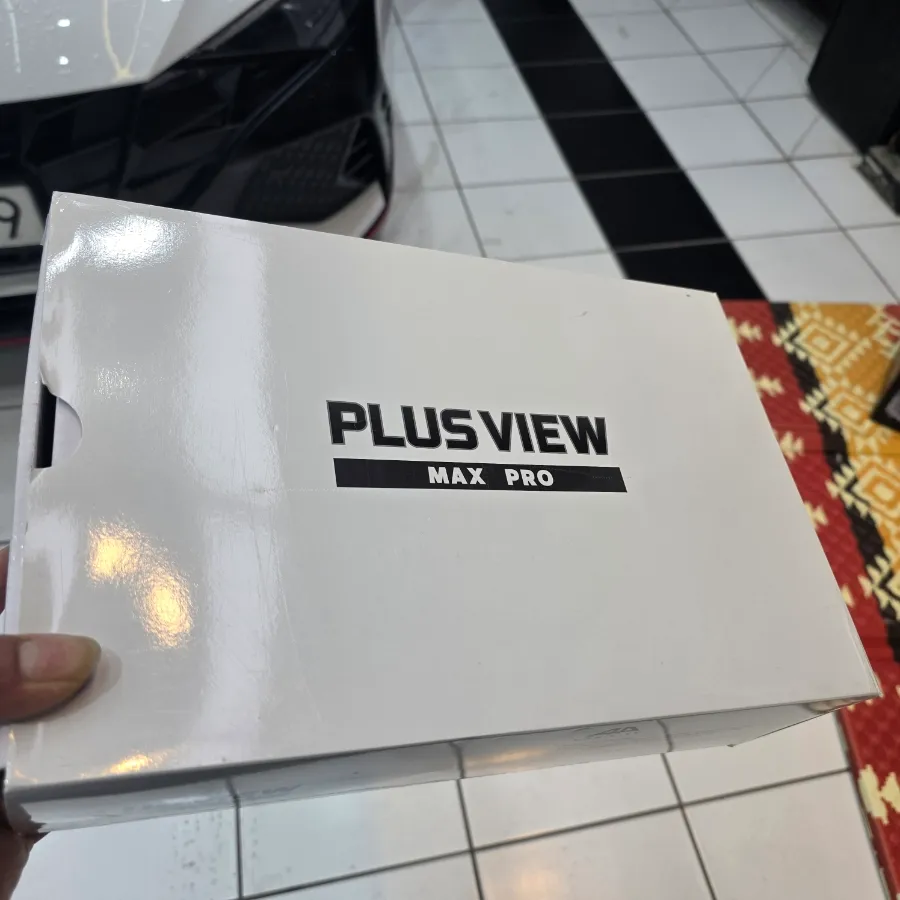
For the Hyundai Elantra CN7, the integrated surround view camera is typically only available on the highest trim level, the Inspiration. Opting for this top trim often means a significant price increase and the necessity of purchasing other features you might not want. For drivers seeking enhanced parking assistance without the premium cost, a professionally installed 3D around view monitor is a smart alternative. The 'Plus View Max Pro' system, for example, utilizes a plug-and-play (jack-by-jack) installation method, making future removal or upgrades easier. It supports both 2D and 3D camera views, offering dynamic and comprehensive situational awareness. This system is designed for a clean, vehicle-damage-free installation and uses quality, proven components, leading to high customer satisfaction.
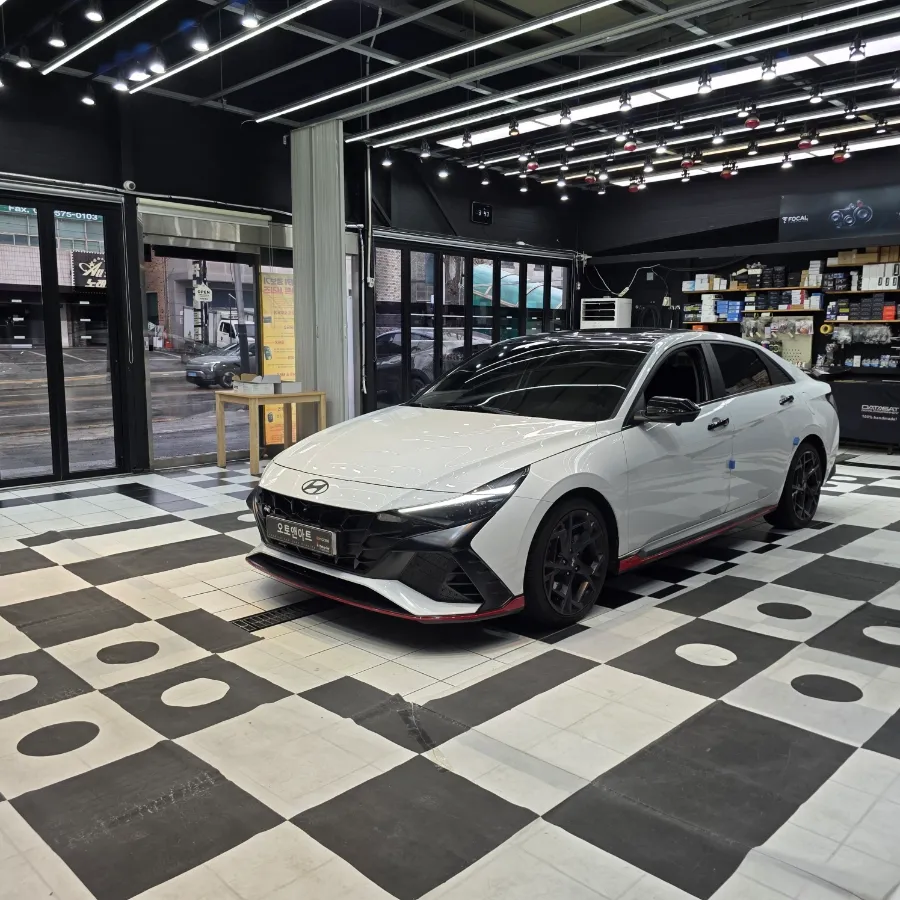
Precision Installation and Seamless Integration
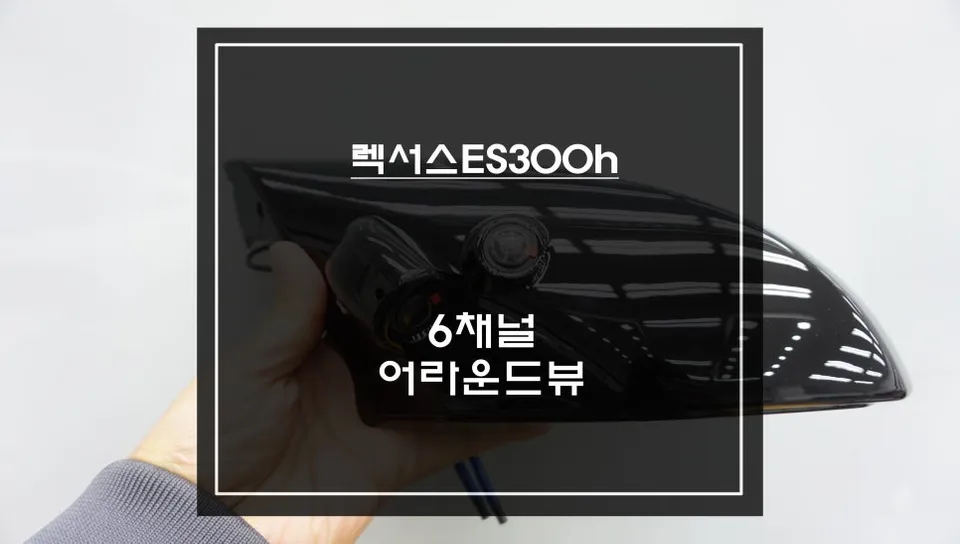
The key to a successful 3D surround view camera system lies in the precise placement of cameras on the front, rear, and side mirrors. Experienced installers, like those at 'Today's Car' in Cheonan, South Korea, leverage their extensive knowledge to drill holes in optimal locations without causing any damage to your Elantra CN7's exterior. They identify the best spots, such as the lower part of the side mirrors or within the front grille, ensuring maximum visibility while maintaining a factory-like aesthetic. In contrast, less experienced shops might risk scratching or damaging your vehicle during the drilling process. However, with meticulous technique and years of expertise, a flawless finish is achievable.
Installation Process:
- Camera Placement: Precisely drill mounting holes in the front grille, rear bumper, and side mirror housings.
- Wiring: Route and connect all camera cables through the vehicle's interior, ensuring a clean and secure setup.
- Control Unit Integration: Connect the system's main control unit to the vehicle's infotainment system, often via the OBD-II port or specific wiring harnesses.
- Calibration: Perform detailed 'gap correction' or calibration to ensure the cameras display an accurate, undistorted 360-degree view.
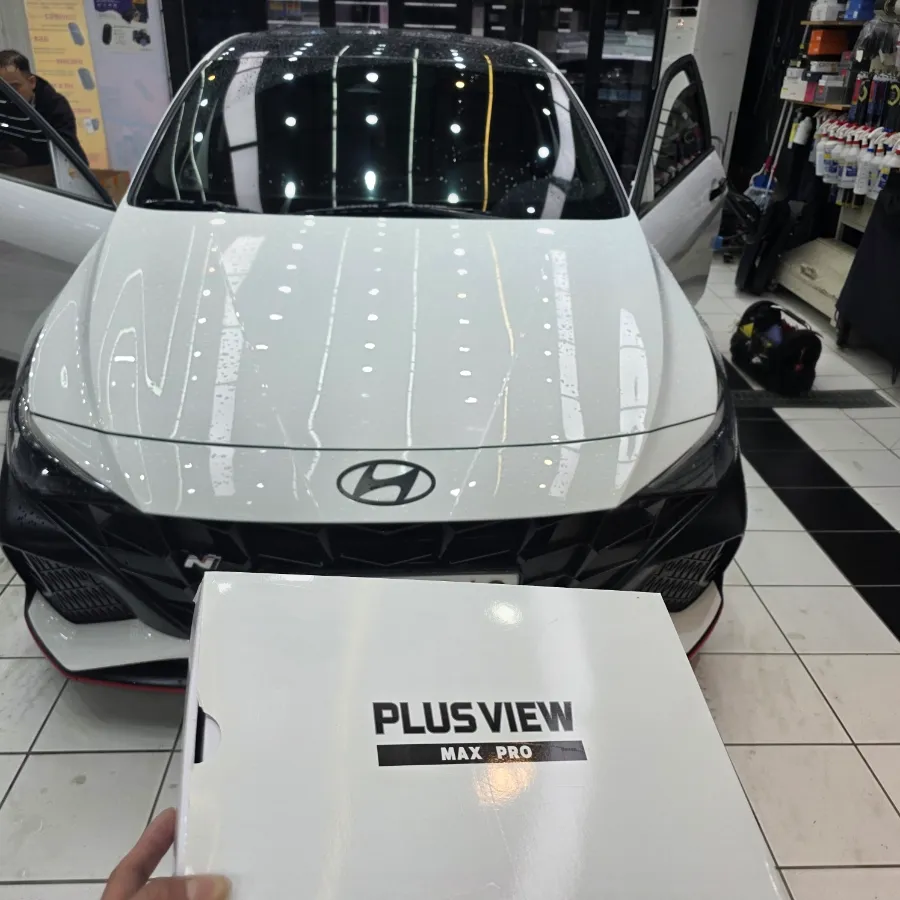
Achieving a Flawless Bird's-Eye View
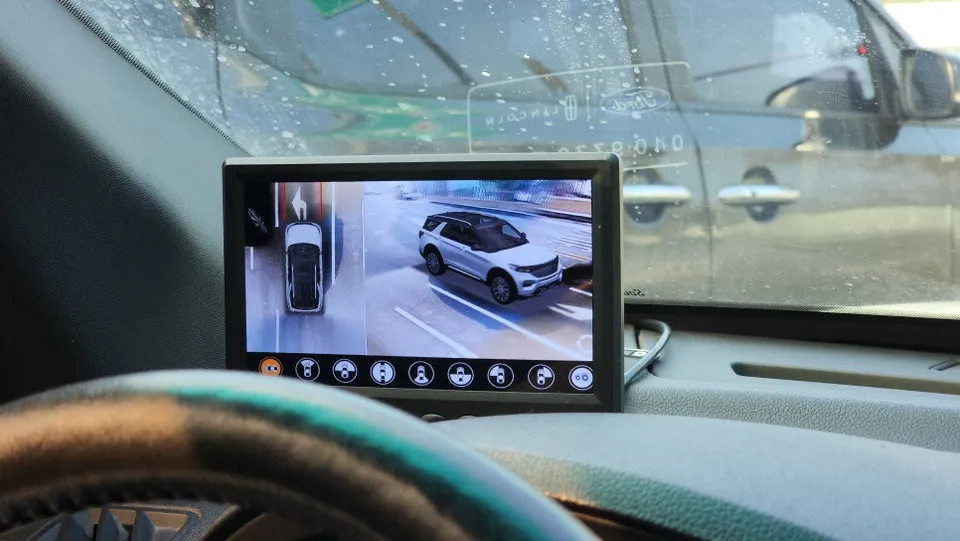
Equally crucial as camera mounting is the 'gap correction' or calibration process. This step ensures that the images from all cameras are stitched together seamlessly, providing a true-to-life, distortion-free bird's-eye view. Improper calibration can lead to a warped or wavy appearance on the display. Reputable installers adhere to strict protocols, performing detailed calibration to achieve a perfect 3D surround view, making it look as if it were a factory-installed option. Once calibration is complete, you'll have a comprehensive 3D view of your Elantra CN7's surroundings. Engaging reverse gear automatically displays the rear camera feed, and activating turn signals or hazard lights will show corresponding side views, making navigation through tight spaces and dark parking lots significantly easier and safer.
Enhanced Features and Reliable After-Sales Support
Beyond just parking assistance, a 3D surround view system offers additional convenience. Features like Parking Assist System (PAS) integration provide more intuitive guidance. The system also eliminates blind spots during driving, improving overall safety and driving experience. The user interface is typically straightforward, allowing for easy operation. After installation, a thorough system test is conducted before the vehicle is returned. Given the installer's long-standing presence and experience, you can expect reliable after-sales service for any future needs, ensuring peace of mind with your parking camera retrofit.

Frequently Asked Questions
Q. How much does a 360 camera installation cost for a Hyundai Elantra CN7?
In Korea, the installation cost for a 3D surround view camera system on a Hyundai Elantra CN7 typically ranges from ₩700,000 to ₩1,000,000 (approximately $500-$750 USD). US pricing can vary significantly based on the installer and specific system chosen.
Q. How long does a surround view camera installation take on a Hyundai Elantra CN7?
A professional surround view camera installation typically takes several hours, often a full day, to ensure precise camera placement and thorough calibration. Proper maintenance involves keeping the camera lenses clean from dirt and debris for optimal performance.
Q. Is an aftermarket 360 camera worth it for a Hyundai Elantra CN7?
An aftermarket 360 camera is highly beneficial for Hyundai Elantra CN7 owners who frequently navigate tight spaces or have limited rear visibility. It offers a cost-effective way to gain the convenience and safety of a bird's-eye view system compared to higher trim factory options.
Q. How is a surround view camera system installed on a Hyundai Elantra CN7?
Installation involves precisely mounting cameras on the front, rear, and side mirrors, followed by routing and connecting all wiring. A critical step is the detailed calibration ('gap correction') to ensure accurate, undistorted 3D imaging of the vehicle's surroundings.
Q. What is the difference between OEM and aftermarket surround view cameras for a Hyundai Elantra CN7?
OEM systems are integrated directly by the manufacturer, often requiring higher trim levels, while aftermarket systems offer a retrofit solution for any trim. Aftermarket options can provide comparable functionality at a potentially lower cost, though integration might be less seamless.
OhCar Partner Shop