Used Car Paint Inspection Guide — What to Check Before You Buy
Used Car Paint Inspection Guide — What to Check Before You Buy
Buying a pre-owned vehicle is an exciting milestone, but it often comes with hidden risks—specifically regarding the exterior condition. A thorough used car paint inspection is the most effective way to identify past accidents, poor repair jobs, or long-term neglect that could cost you thousands in future detailing. At OhCar Magazine, we analyze data from over 50 real-world detailing projects across South Korea to help you understand what lies beneath the clear coat.
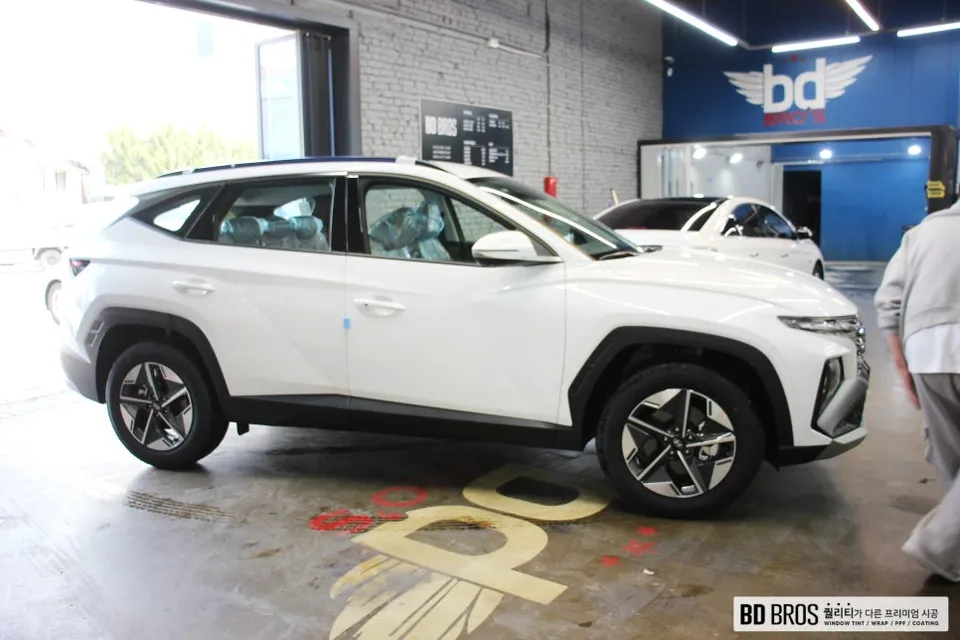
When evaluating a vehicle, the paint is the first line of defense against the elements. If the factory finish has been compromised, the car's value and longevity drop significantly. Whether you are looking at a Hyundai, Tesla, or BMW, understanding the difference between a minor scratch and a structural repaint is vital.
Why a Professional Used Car Paint Inspection Matters
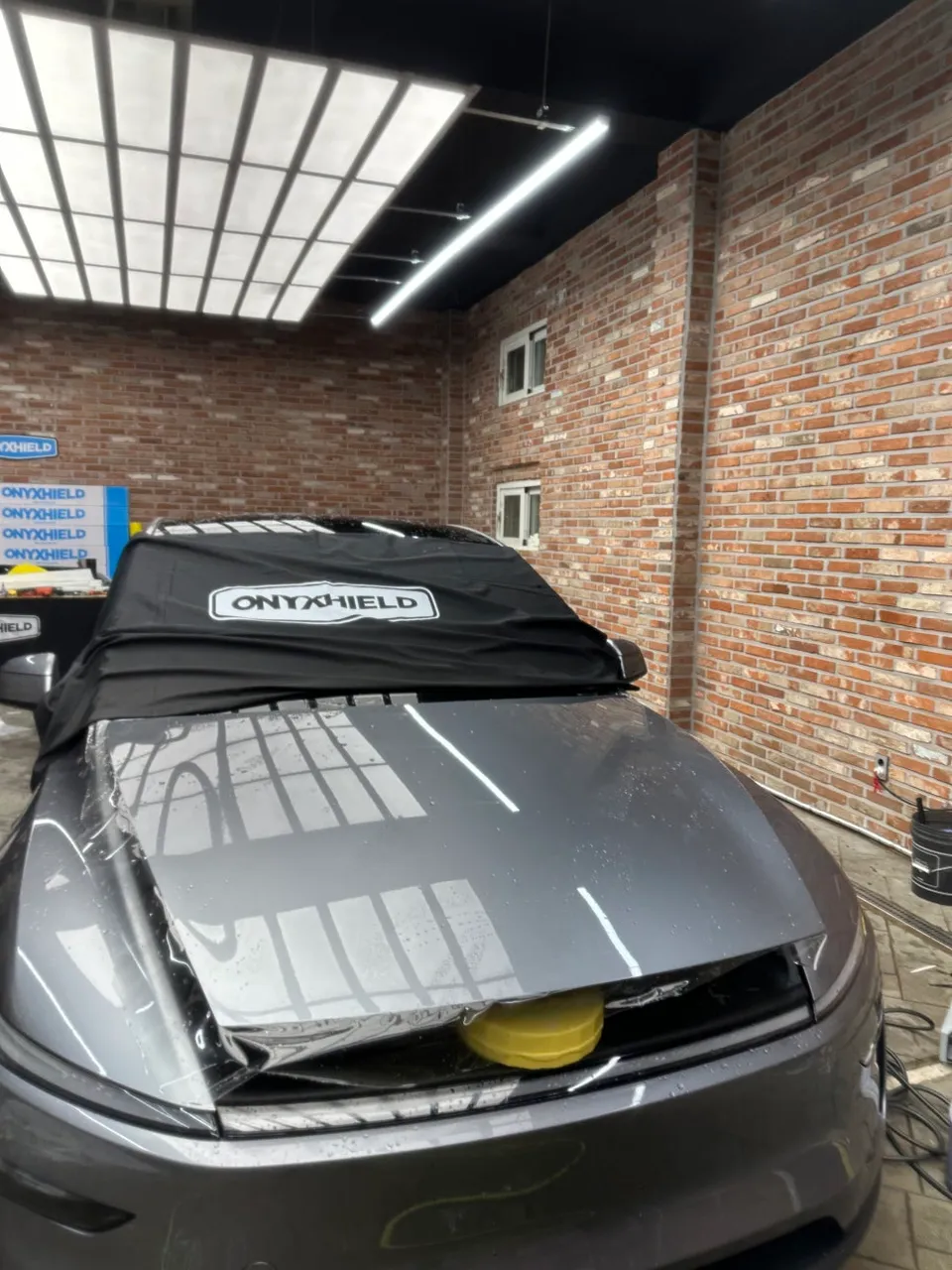
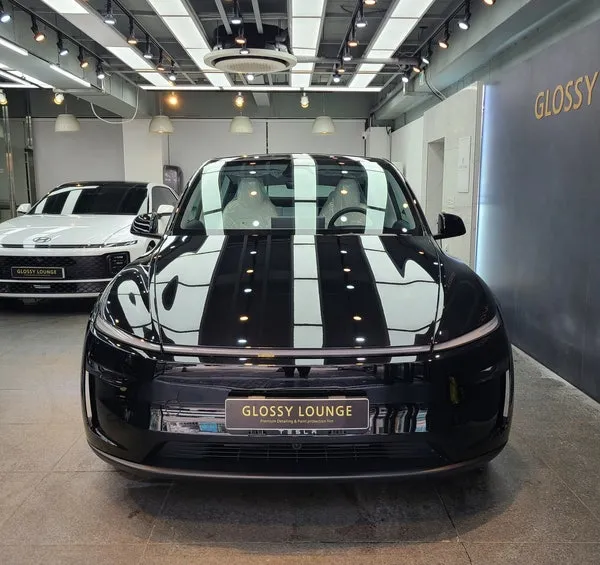
Many buyers focus solely on the engine and transmission, but the paint condition tells the story of how the car was treated. In our South Korean shop network, we frequently see vehicles that look pristine from a distance but reveal heavy orange peel or mismatched panels under high-intensity inspection lights. A proper used car paint inspection involves checking for paint depth consistency, which can indicate if a panel has been repainted after a collision.

Common Paint Issues to Look For
- Orange Peel: A bumpy, uneven texture that suggests a non-factory respray.
- Color Mismatch: Subtle differences in shade between adjacent panels.
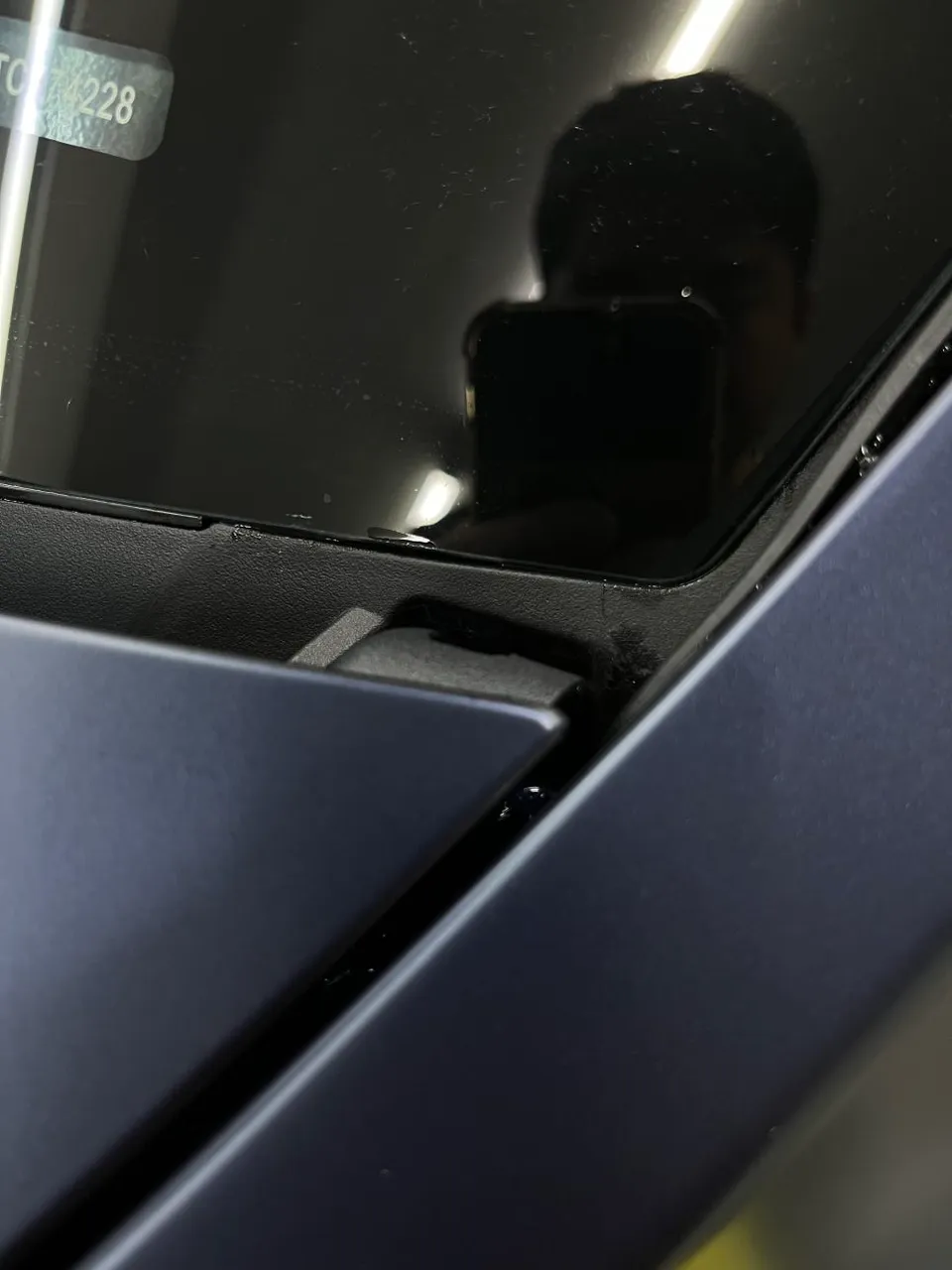
- Overspray: Paint residue on rubber seals or plastic trim, a classic sign of a rushed repair.
- Clear Coat Failure: Peeling or hazing, often caused by prolonged sun exposure without proper protection.
If you find that the paint is in good condition, you might want to consider long-term protection. Understanding the differences between protective layers is crucial; you can read our PPF vs Ceramic Coating comparison to see which service best fits your needs and budget.
Understanding Detailing Costs and Market Data
In our database of 50 recent detailing reviews, we have observed that owners often invest in paint correction and protection immediately after purchase. The average cost for premium detailing services in our network is approximately $1,124, with a range between $800 and $1,500. These services often include multi-stage polishing and high-grade ceramic coatings to restore the vehicle's luster.
| Service Type | Estimated Price Range (KRW converted) |
|---|---|
| Paint Correction (Light) | $800 – $1,000 |
| Full Ceramic Coating | $1,000 – $1,500 |
| Partial PPF | $800 – $1,200 |
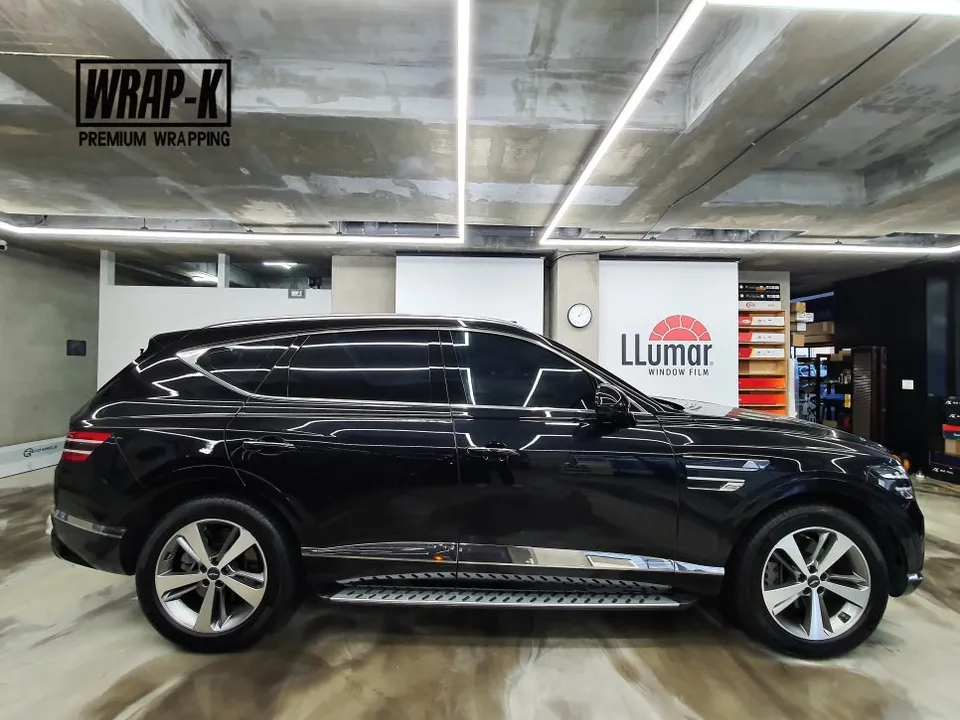
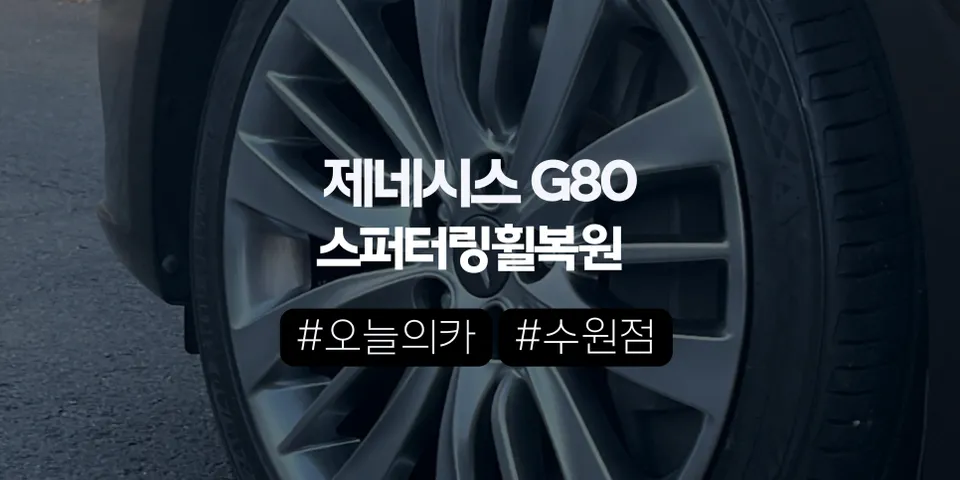
For example, a recent OhCar Magazine feature on a Genesis G80 highlighted a 3-stage hyperblack wheel refinishing and coating process costing upwards of $1,500. While these prices reflect the high-end market in South Korea, they provide a benchmark for the level of care required to maintain a luxury vehicle's exterior.
Tools for Your Inspection
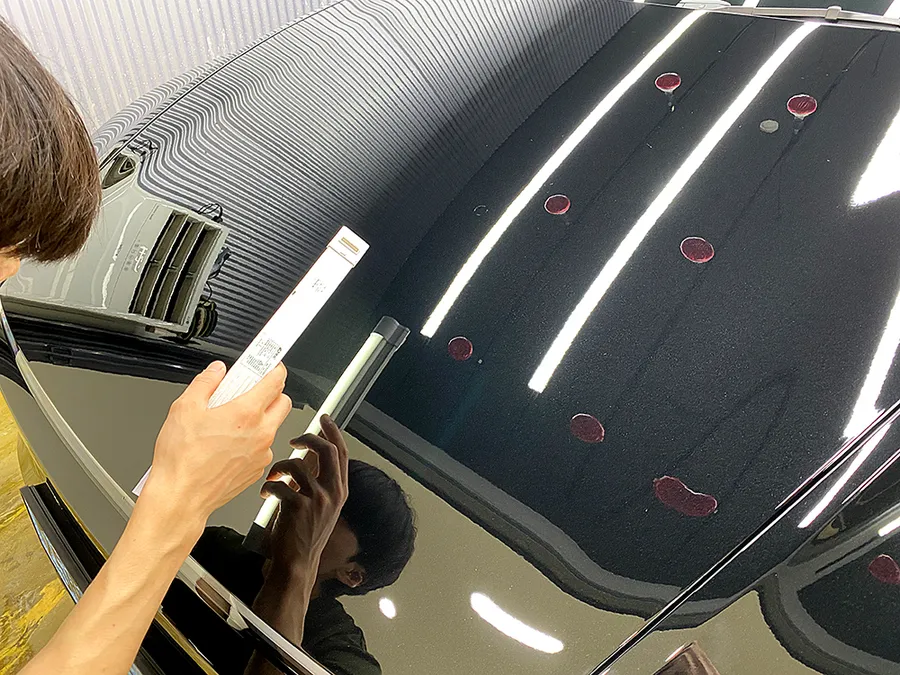
You don't need a full workshop to perform a basic check. A simple LED flashlight held at an angle can reveal swirl marks and deep scratches that are invisible in direct sunlight. If you are serious about the purchase, a paint depth gauge is an invaluable tool. Factory paint typically measures between 100 and 150 microns. Anything significantly higher suggests a respray, while anything lower may indicate aggressive polishing that has thinned the clear coat.
Protecting Your Investment Post-Purchase
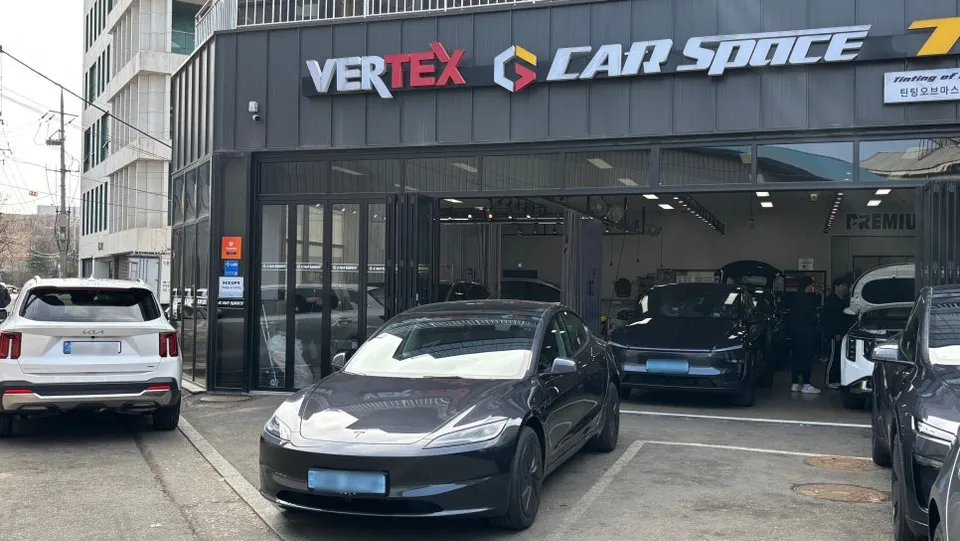
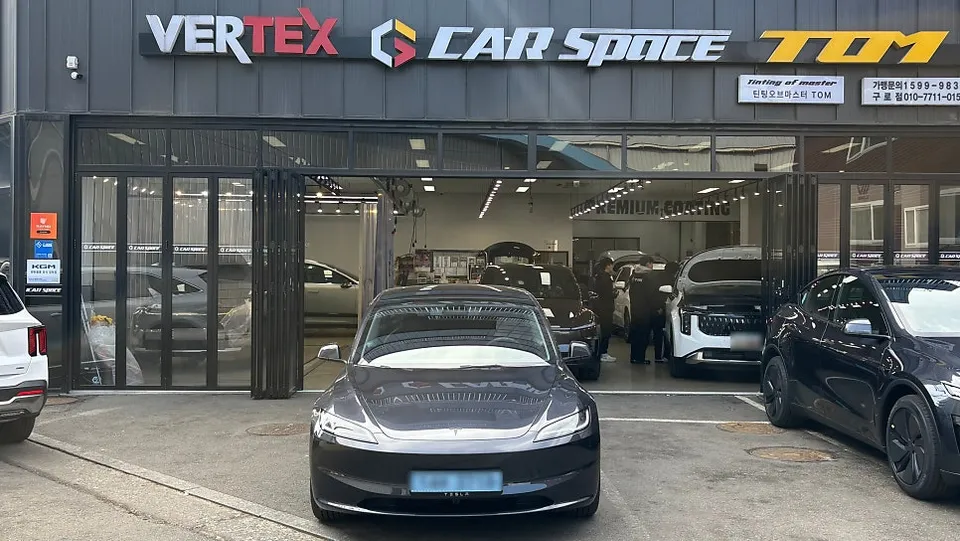
Once you have completed your used car paint inspection and finalized the purchase, the next step is preservation. Many of our users opt for Paint Protection Film (PPF) on high-impact areas like the front bumper and hood. As seen in our reviews for vehicles like the Tesla Model 3 and Kia Sorento, investing $1,500+ in high-quality protection can prevent the very paint issues you just spent time inspecting for.
Comments (3)
I always bring a small magnet to check for body filler, but I never thought about checking the door jambs for overspray. This guide is super helpful for avoiding hidden accident damage.
Checking for mismatched orange peel texture has saved me from buying a few accident-repaired cars in the past. It’s definitely worth bringing a small flashlight to catch those subtle color variations in the clear coat.
Checking for mismatched panel shades under direct sunlight has saved me from buying a few lemons in the past. It’s definitely worth bringing a small magnet along to spot hidden body filler, too.

Explore Related Services on OhCar