Hyundai Elantra Dash Cam Installation Review
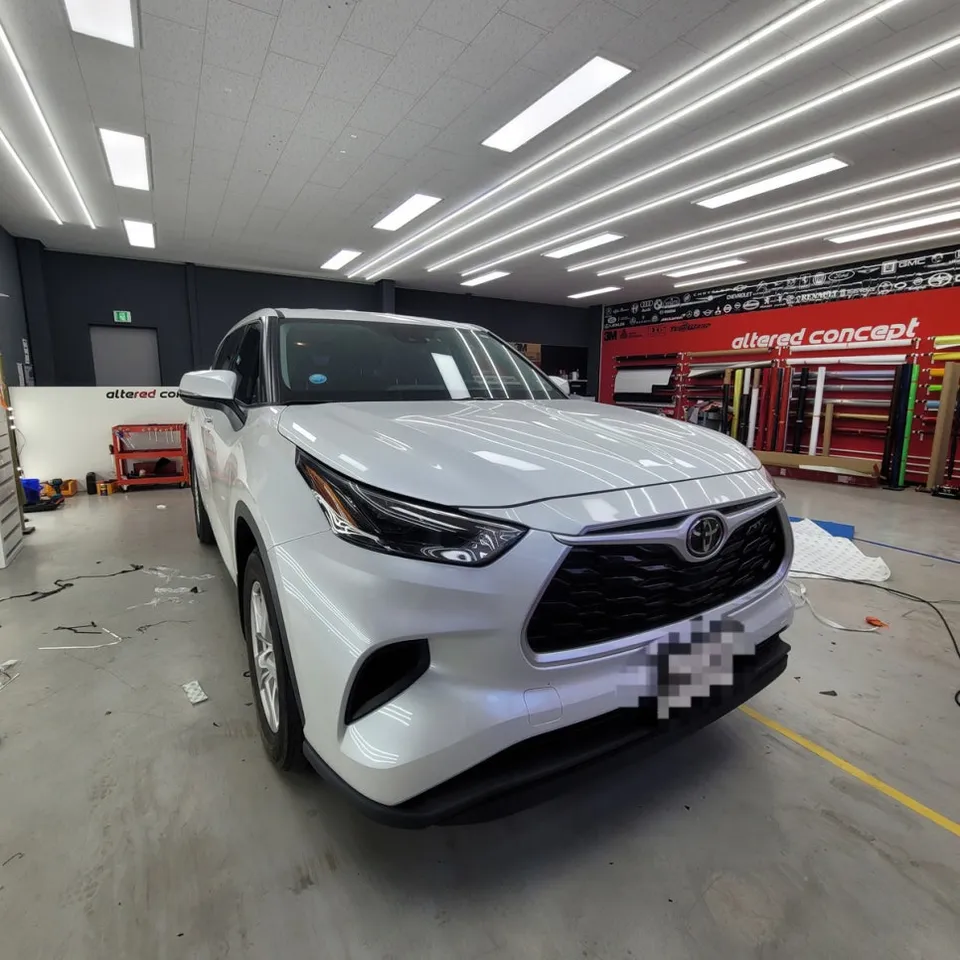
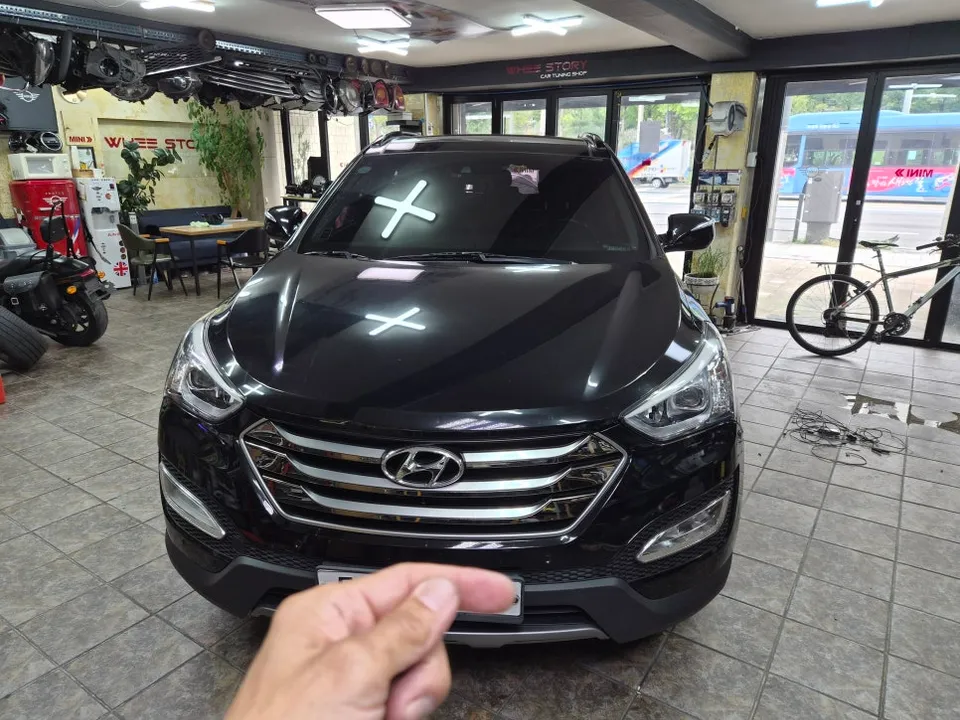
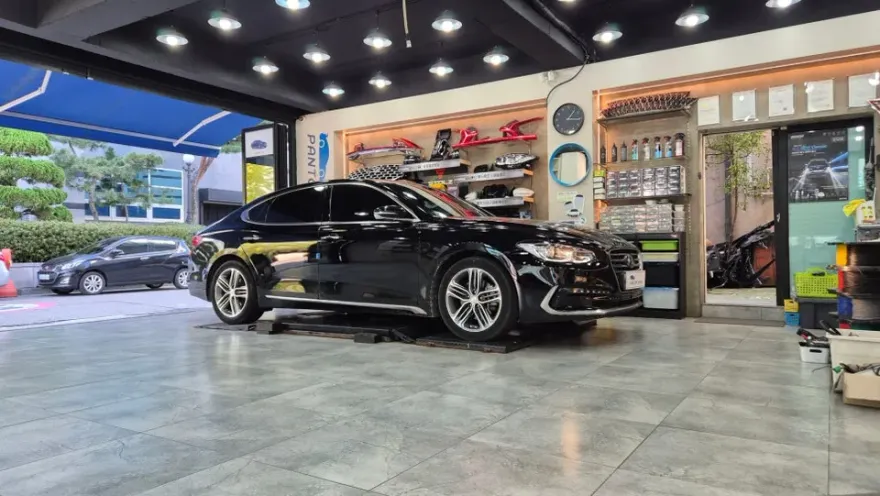
Before

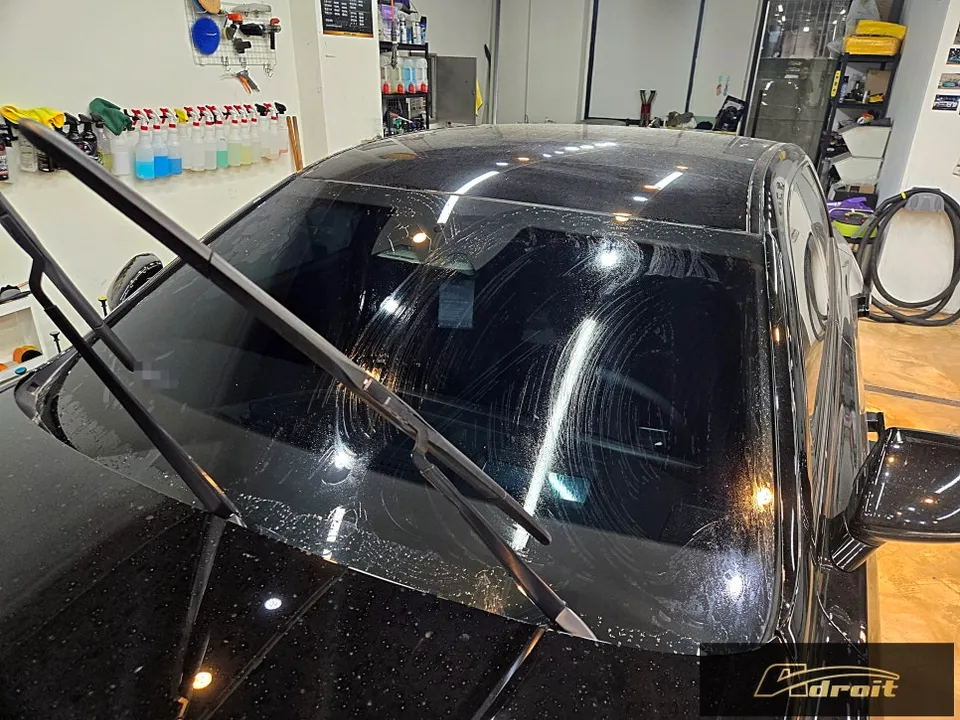
After

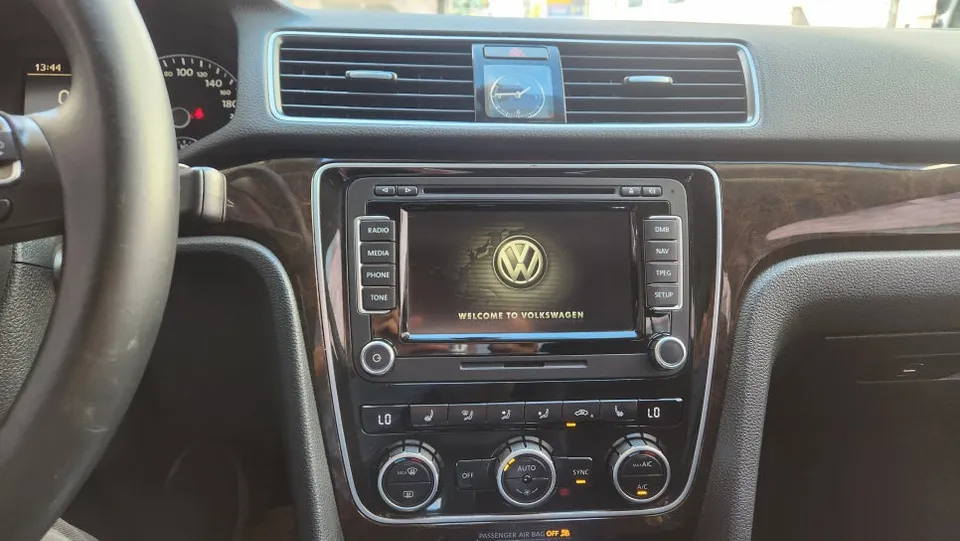
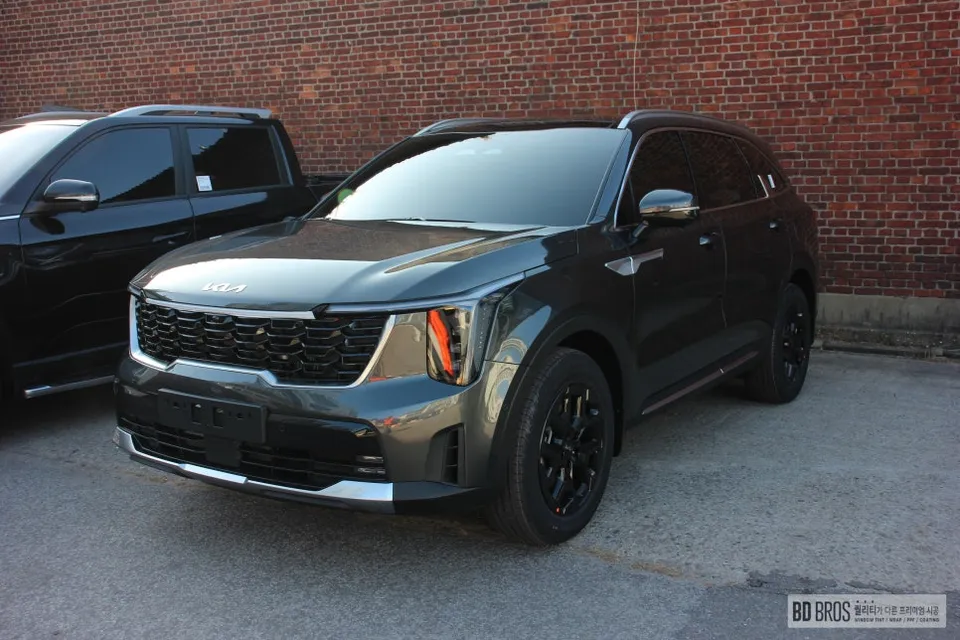
Process photos

Dash cam installation for Hyundai Elantra: Professional setup ensures durability and parking mode. Essential for accident evidence.
Professional Dash Cam Installation for Your Hyundai Elantra
Considering a dash cam for your Hyundai Elantra? This review delves into the professional installation process, focusing on what you can expect regarding cost, results, and long-term value. While the original context discusses a specific package in South Korea, we'll translate the core concepts to help US and UK car owners make informed decisions. A dash cam, often referred to as a 'black box camera,' is an increasingly popular accessory for drivers seeking to document their journeys and protect themselves in case of accidents. This guide covers everything from the initial setup to the durability of the installation and whether the investment is truly worthwhile.
Dash Cam Installation: What to Expect
Professional dash cam installation ensures a clean, reliable setup that integrates seamlessly with your Hyundai Elantra. This typically involves more than just plugging in a device; it often includes hardwiring the dash cam to your vehicle's electrical system. This hardwiring allows for features like parking mode, where the dash cam continues to record even when the car is turned off, and ensures a tidy installation without dangling wires. The process requires careful routing of cables, often along the headliner and A-pillars, to maintain the car's interior aesthetics. A front and rear dash cam setup provides comprehensive coverage, capturing footage from both directions.
Installation Process:
- Component Placement: The front camera is mounted discreetly behind the rearview mirror, and the rear camera is installed on the rear windshield.
- Wiring: Power and ground wires are carefully routed from the cameras through the vehicle's interior, often utilizing existing channels for a clean look.
- Hardwiring: The dash cam is connected to the car's fuse box, typically using an add-a-circuit fuse tap, to provide constant or ignition-switched power. This enables features like parking mode.
- Testing: The system is tested to ensure both cameras are recording, connected properly, and that parking mode functions as expected.
Durability, Maintenance, and Value
A professionally installed dash cam is built for durability. The wiring is secured to prevent rattling or damage, and the cameras are mounted using strong adhesives. Maintenance is generally minimal, usually limited to occasional cleaning of the camera lenses and checking the recording status. The long-term value of a dash cam lies in its ability to provide crucial evidence in the event of an accident, potentially saving you money on insurance claims and legal fees. For a Hyundai Elantra, investing in a quality dash cam and professional installation offers peace of mind and enhanced vehicle security.
Frequently Asked Questions
Q. How much does dash cam installation cost for a Hyundai Elantra?
Professional dash cam installation for a Hyundai Elantra can range from approximately $100 to $300 USD, depending on the complexity and whether it's a front-only or front-and-rear system. This review's context from South Korea mentioned specific package pricing in Korean Won, which translates to a comparable range.
Q. How long does dash cam installation take on a Hyundai Elantra?
Professional dash cam installation typically takes between 1 to 3 hours for a Hyundai Elantra. To ensure longevity, keep the camera lenses clean and periodically check the dash cam's recording status and settings.
Q. Is a hardwired dash cam worth it over a self-install for a Hyundai Elantra?
A hardwired dash cam is often worth the professional installation for a Hyundai Elantra, especially if you want to utilize parking mode without draining your car battery. It offers a cleaner, more reliable setup and peace of mind for those less comfortable with automotive electrical systems.
Q. How is a dash cam professionally installed on a Hyundai Elantra?
Professional installation involves mounting the camera(s) discreetly, routing wires neatly through the interior trim, and hardwiring the unit to the car's fuse box for continuous power. 1. Cameras are positioned on the windshield. 2. Wires are hidden along the headliner and pillars. 3. The unit is connected to the fuse box for power, enabling parking mode. 4. The system is tested for functionality.
Q. What is the difference between a 1-channel and 2-channel dash cam for a Hyundai Elantra?
A 1-channel dash cam records only the front view, while a 2-channel (front and rear) dash cam records both front and rear views, offering more comprehensive coverage. For maximum protection and evidence gathering, a 2-channel system is generally recommended for your Hyundai Elantra.
OhCar Partner Shop