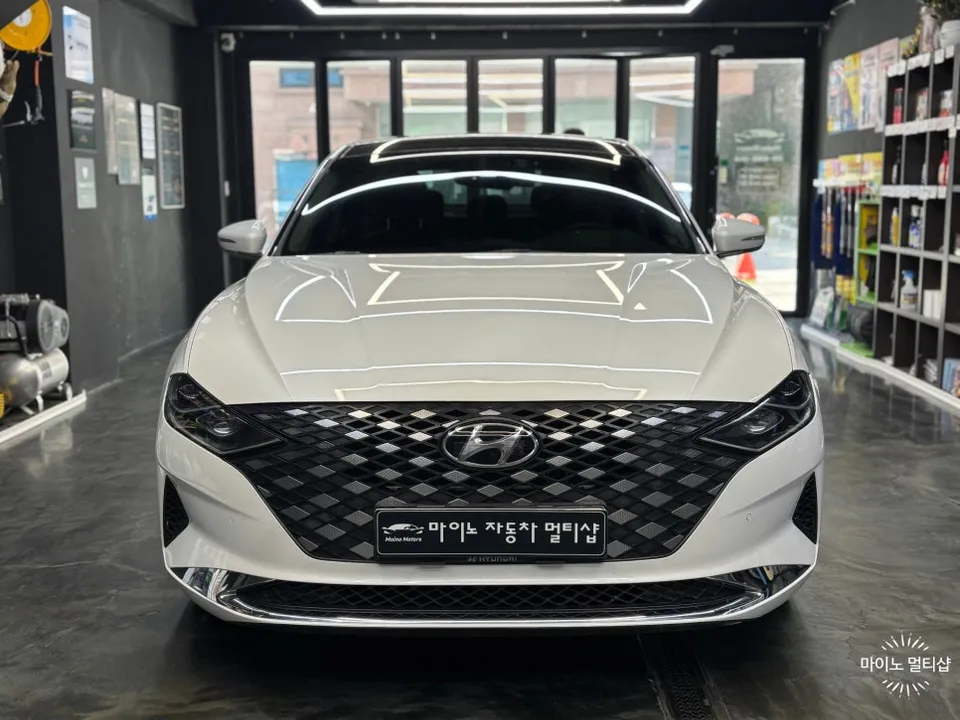
Hyundai Elantra Dash Cam Installation Review
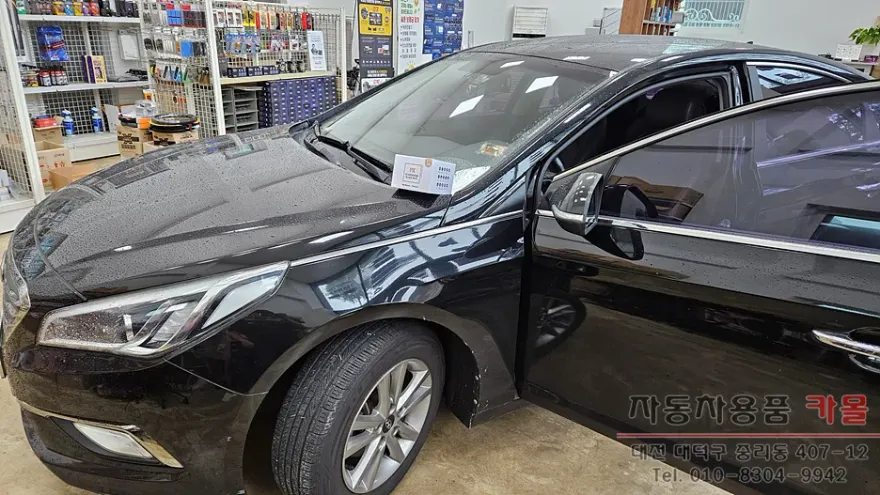
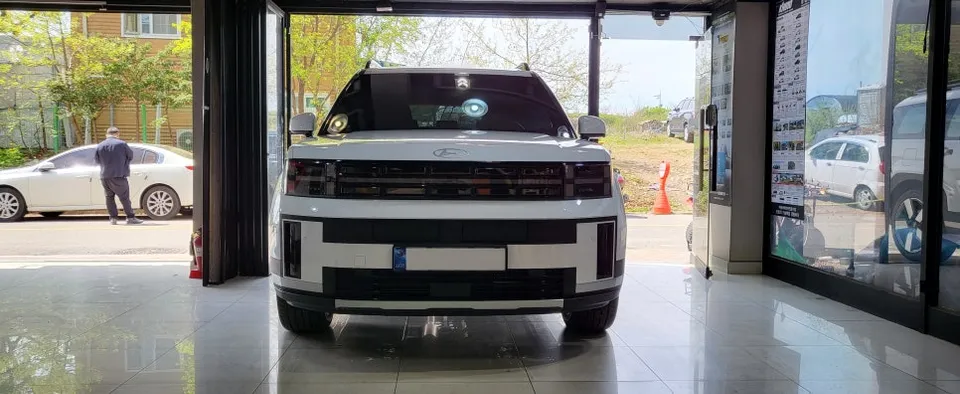
Before

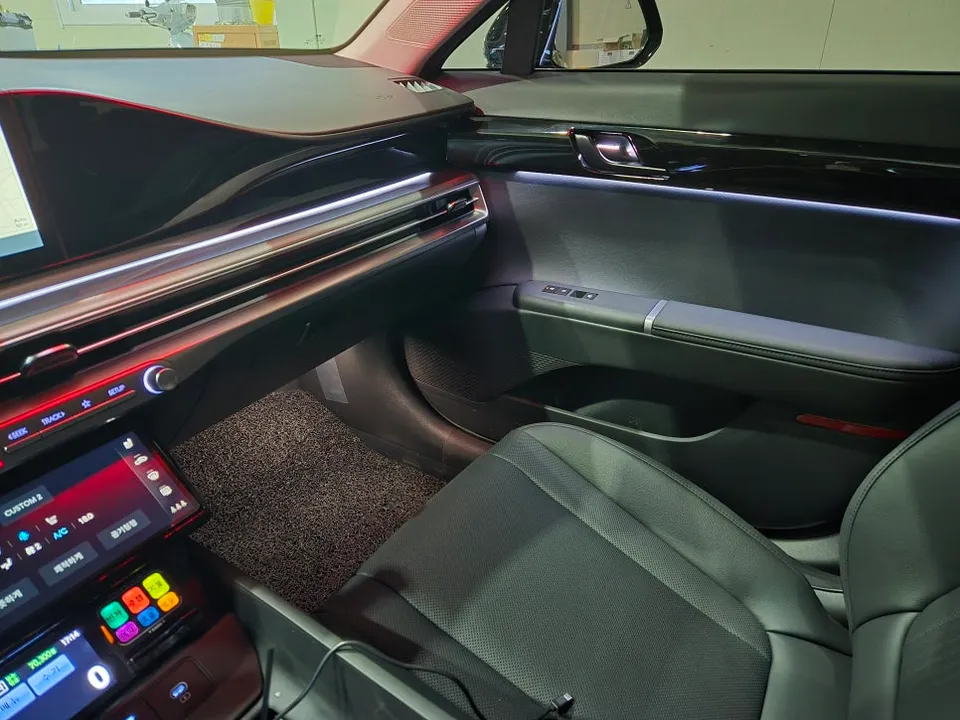
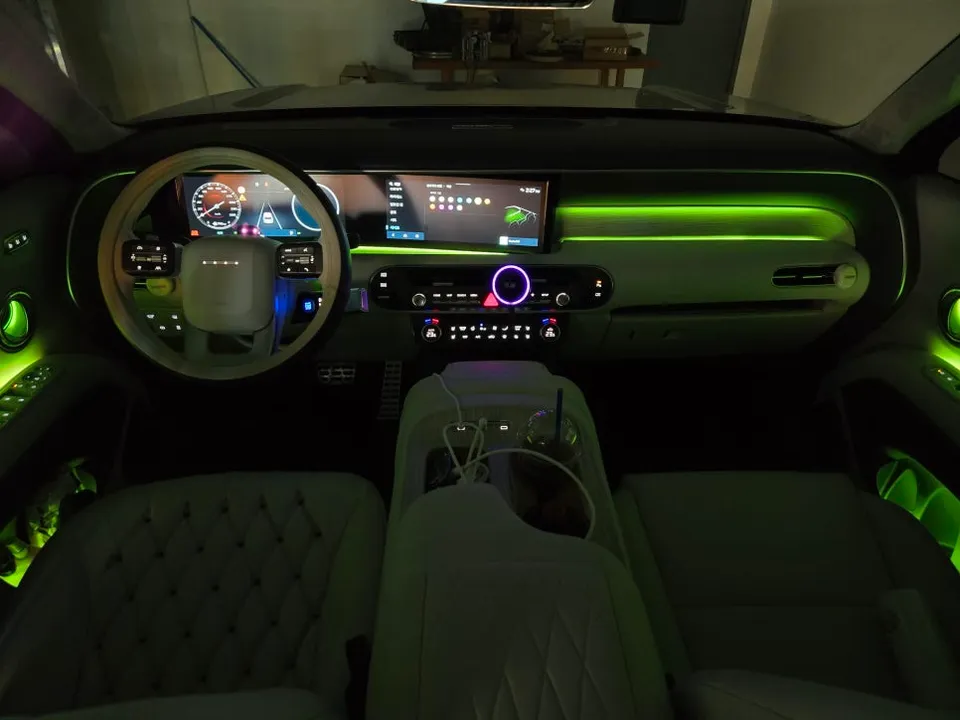
After
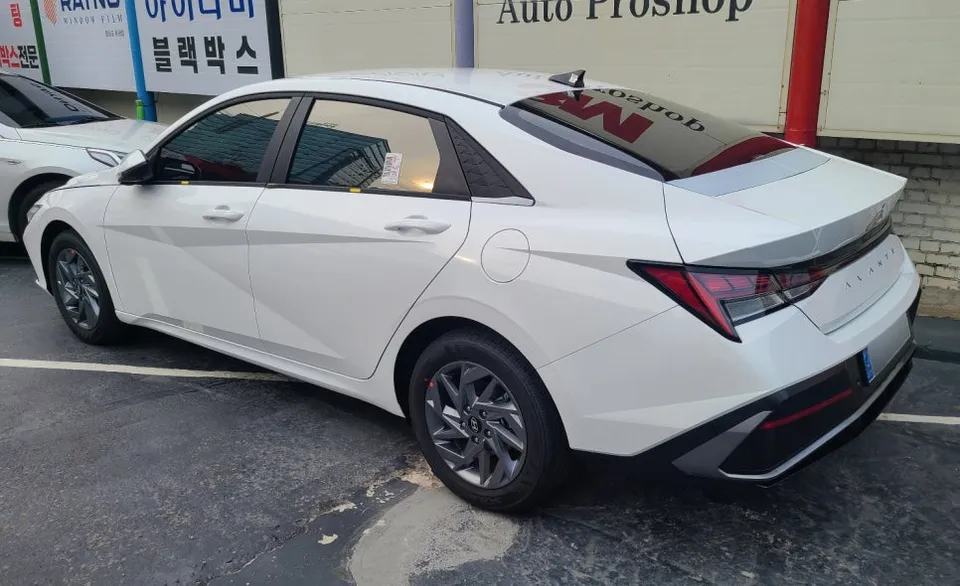
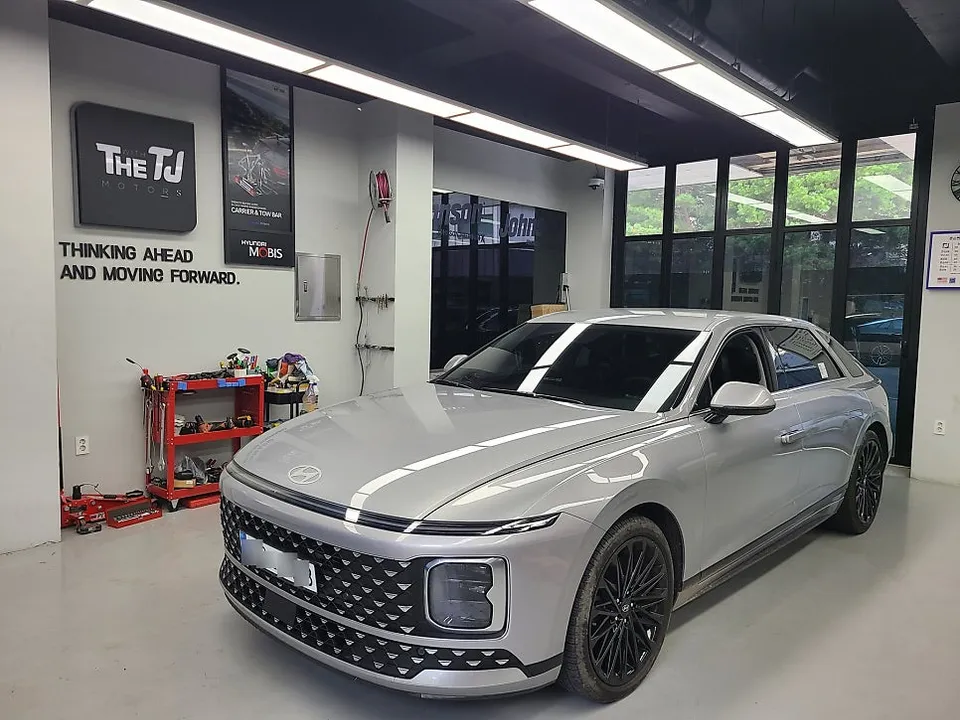
Process photos
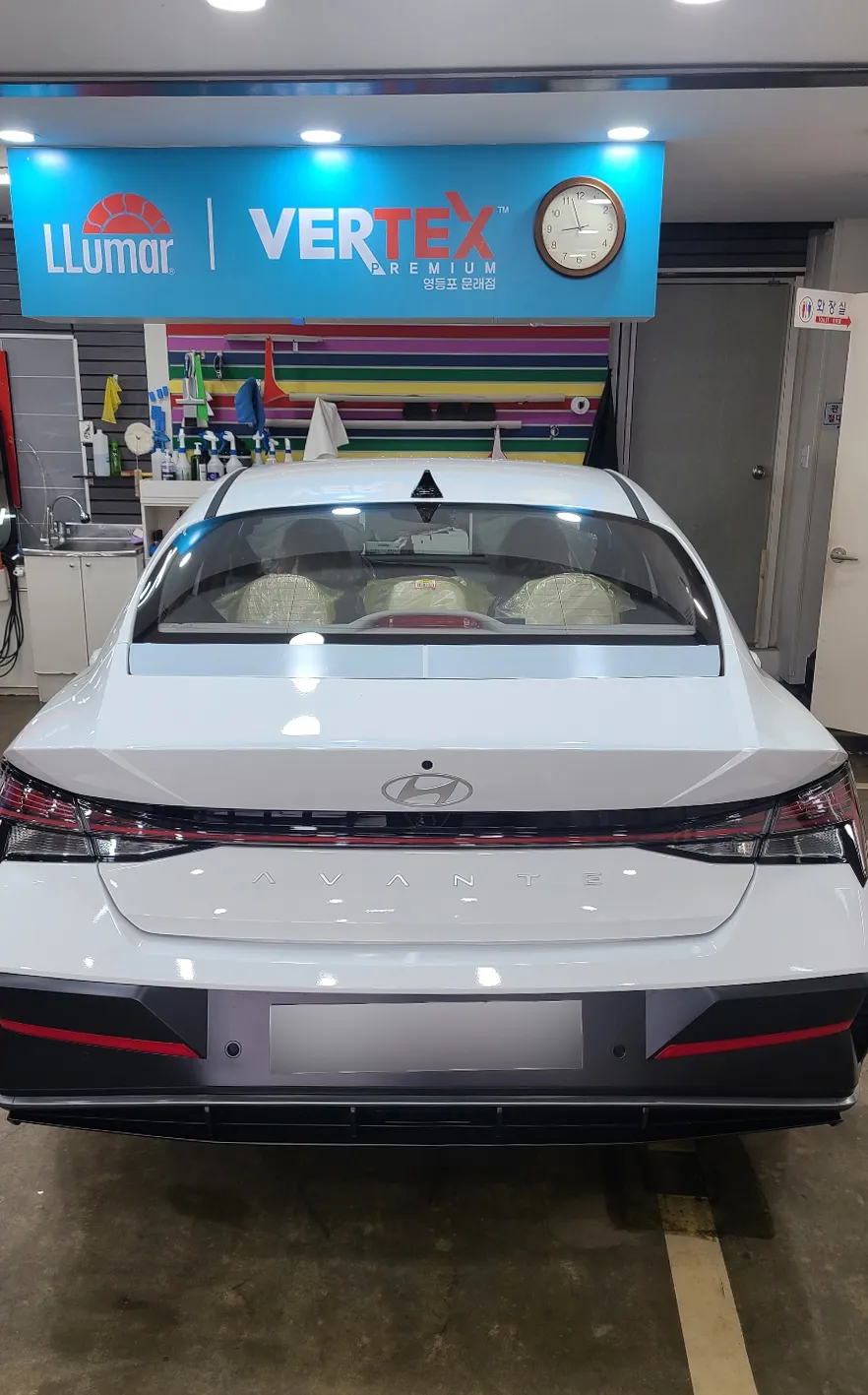
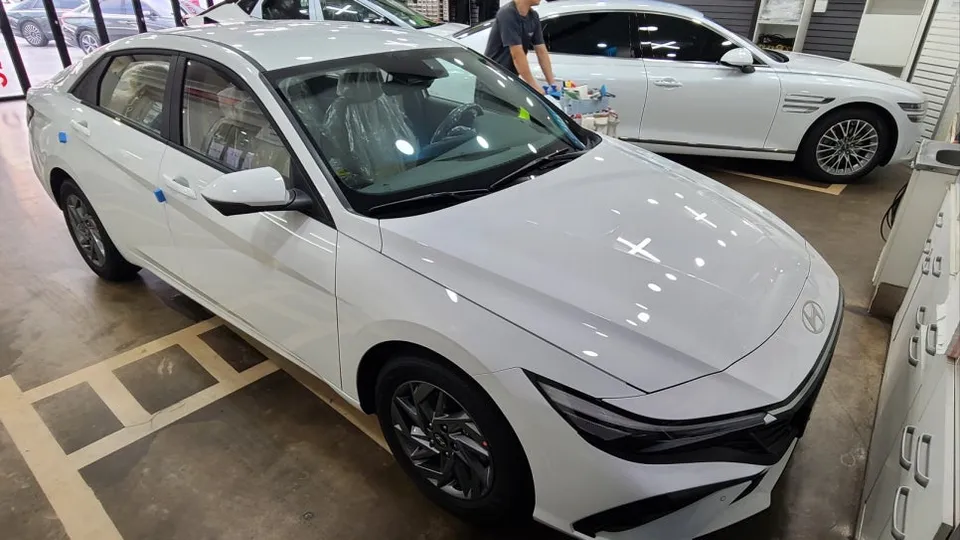
Dash cam installation on a Hyundai Elantra provides valuable recording capabilities. Professional hardwiring for parking mode is recommended.
Professional Dash Cam Installation for Your Hyundai Elantra
This review details the process and outcomes of installing a dash cam, often referred to as a black box camera, on a Hyundai Elantra. While the original context discusses car detailing services in Yeongdeungpo, South Korea, we'll focus on the dash cam installation aspect relevant to car owners in the US and UK. The goal is to provide insights into the installation process, potential costs, and whether investing in a professional setup, including hardwiring for parking mode, is worthwhile for your vehicle.
Understanding Dash Cam Installation and Benefits
Dash cams have become increasingly popular for documenting driving incidents, providing evidence in case of accidents, and deterring theft. A front and rear dash cam setup offers comprehensive coverage. For a Hyundai Elantra, professional installation ensures the device is securely mounted, properly wired, and optimally positioned for clear recording. Hardwiring a dashcam, particularly for parking mode, allows the camera to continue recording even when the car is off, capturing events like hit-and-runs. This feature is a significant upgrade from simple plug-and-play installations that only operate while the engine is running.
The Installation Process and Durability
Professional dash cam installation typically involves routing wires discreetly through the vehicle's interior trim to maintain a clean look and avoid obstructing the driver's view. For a Hyundai Elantra, this means carefully tucking cables behind headliners and A-pillars. Hardwiring connects the dash cam directly to the car's fuse box, often using a specific kit to enable parking mode without draining the battery. This process requires knowledge of automotive electrical systems to prevent damage. The durability of a dash cam installation depends on the quality of the mounting and wiring. A well-installed unit should remain secure through various driving conditions and temperature changes. Regular maintenance might involve cleaning the lens and checking connections periodically.
Installation process:
- Mounting the Camera: The dash cam unit is securely attached to the windshield or dashboard using an adhesive mount or suction cup.
- Wiring: Power and, if applicable, rear camera cables are routed discreetly through the car's interior trim panels and headliner.
- Hardwiring (Optional): For parking mode, the dash cam is connected to the car's fuse box using a hardwire kit, ensuring continuous power.
- Testing: The system is tested to ensure both front and rear cameras are recording, and parking mode functions correctly.
The decision to get a dash cam installed professionally often comes down to convenience, aesthetics, and ensuring all features, like parking mode, function reliably. While DIY installation is possible, professional services offer expertise that can lead to a cleaner, more robust setup for your Hyundai Elantra.

Frequently Asked Questions
Q. How much does dash cam installation cost for a Hyundai Elantra?
Professional dash cam installation for a Hyundai Elantra can range from $100 to $300 USD, depending on the complexity and whether a front and rear setup is chosen. This review's context from South Korea mentioned costs in Korean Won, with professional installation being a common service.
Q. How long does dashcam installation take on a Hyundai Elantra?
Dash cam installation typically takes 1 to 3 hours for a Hyundai Elantra, depending on whether it's a simple front camera or a front and rear system with hardwiring. Durability is generally high with professional installation, but periodic checks of the lens and wiring connections are advised.
Q. Is a hardwired dashcam worth it over a self-install for a Hyundai Elantra?
A hardwired dashcam is worth it for a Hyundai Elantra owner seeking continuous recording for parking mode, which captures events when the car is off. Professional installation ensures this is done safely and effectively, offering peace of mind that a DIY setup might not provide.
Q. How is a dashcam professionally installed on a Hyundai Elantra?
Professional dash cam installation involves securely mounting the camera, discreetly routing all cables through the car's interior trim, and connecting the unit to the fuse box for hardwiring. The system is then tested to ensure optimal performance.
Q. What is the difference between a 1-channel and 2-channel dashcam for a Hyundai Elantra?
A 1-channel dashcam records only the front view, while a 2-channel (front and rear) dashcam provides comprehensive coverage of both the road ahead and behind your Hyundai Elantra. For maximum protection, a 2-channel system is generally recommended.
OhCar Partner Shop