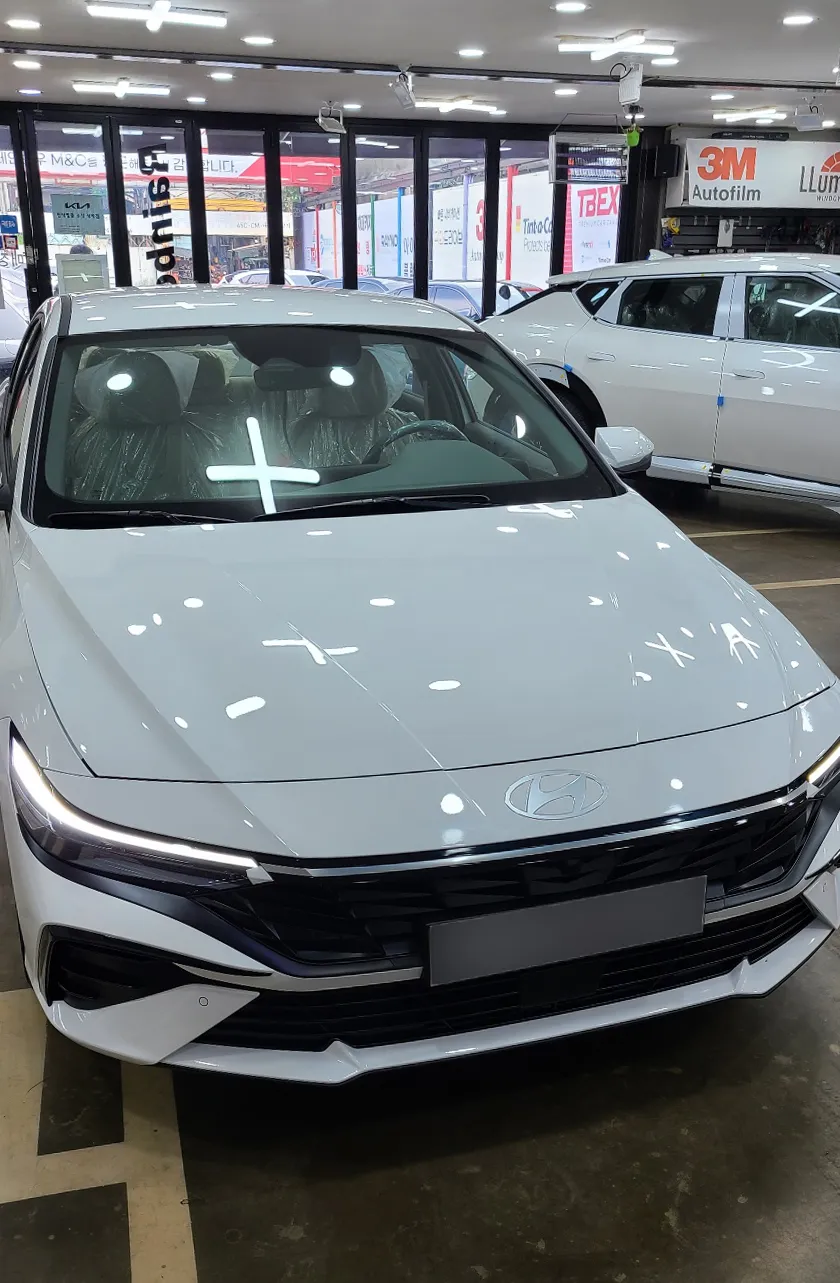
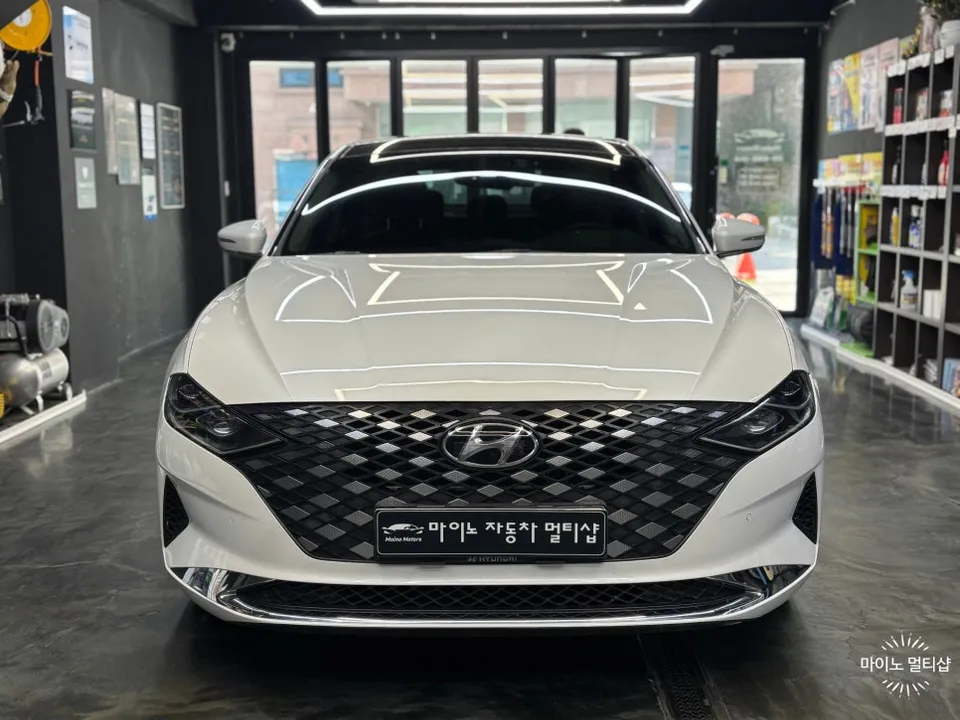
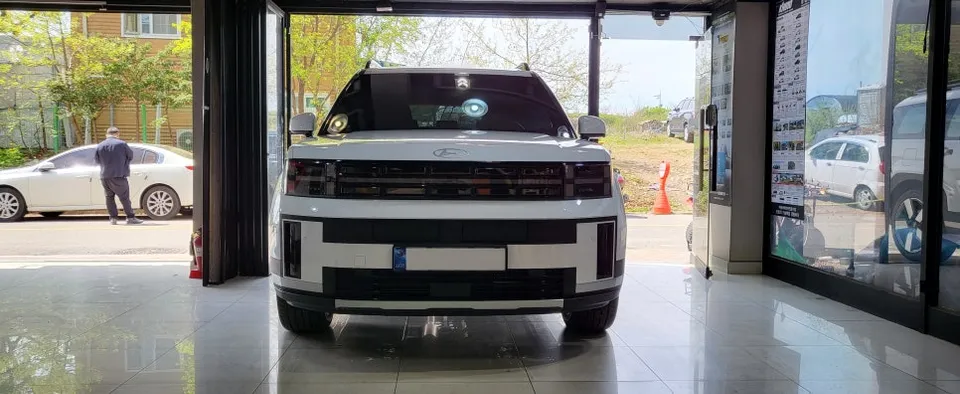
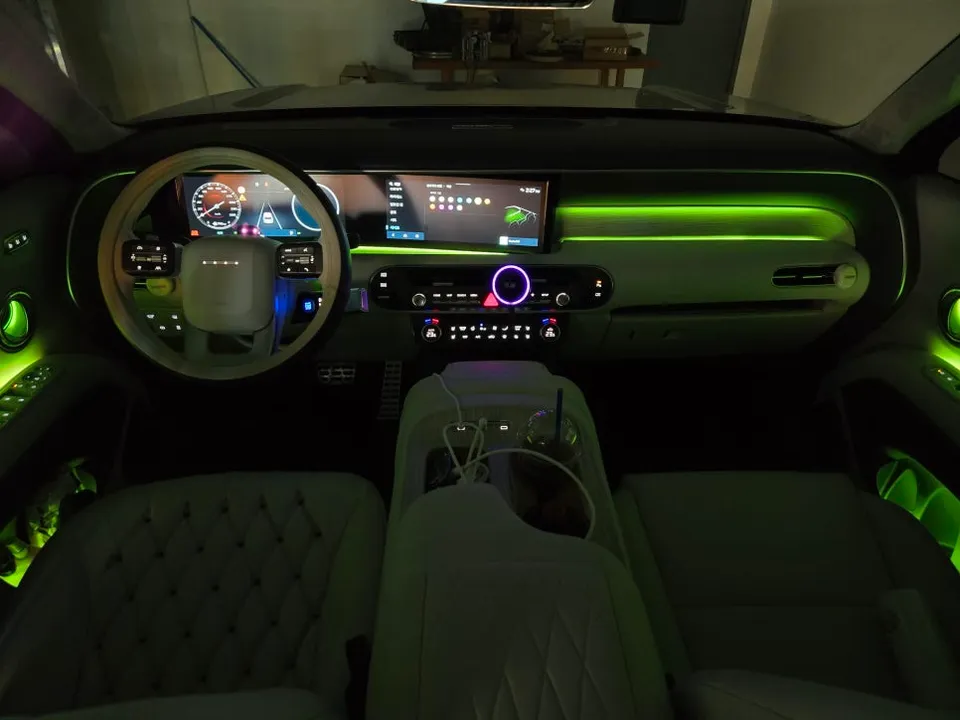
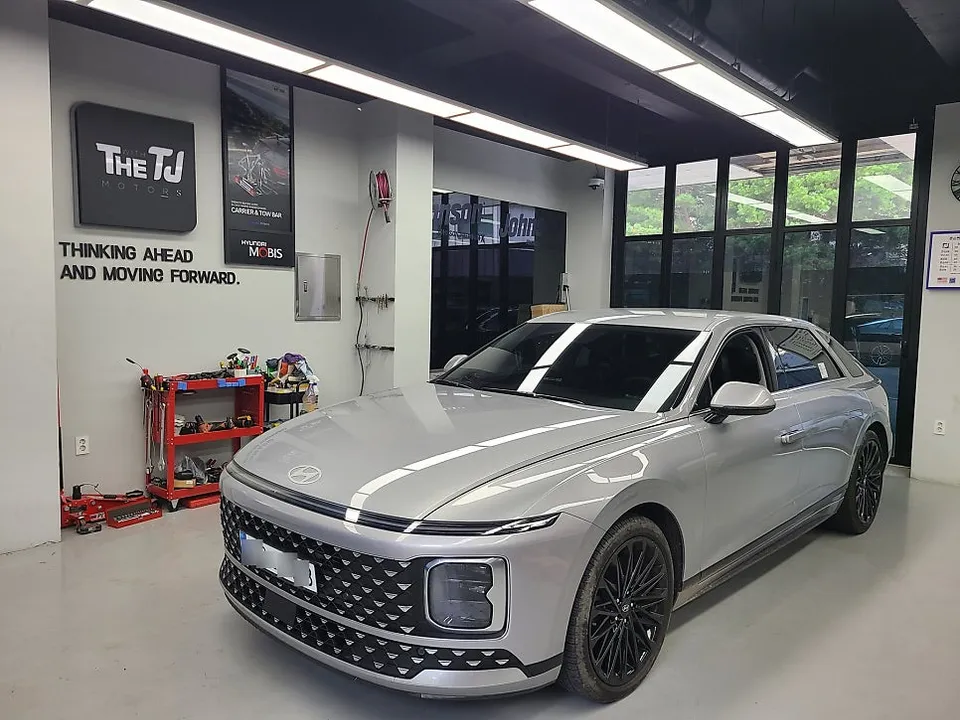
Hyundai Equus Dash Cam Installation Review
Service Price
$under $40
Estimated price · Actual price may vary by shop
Before
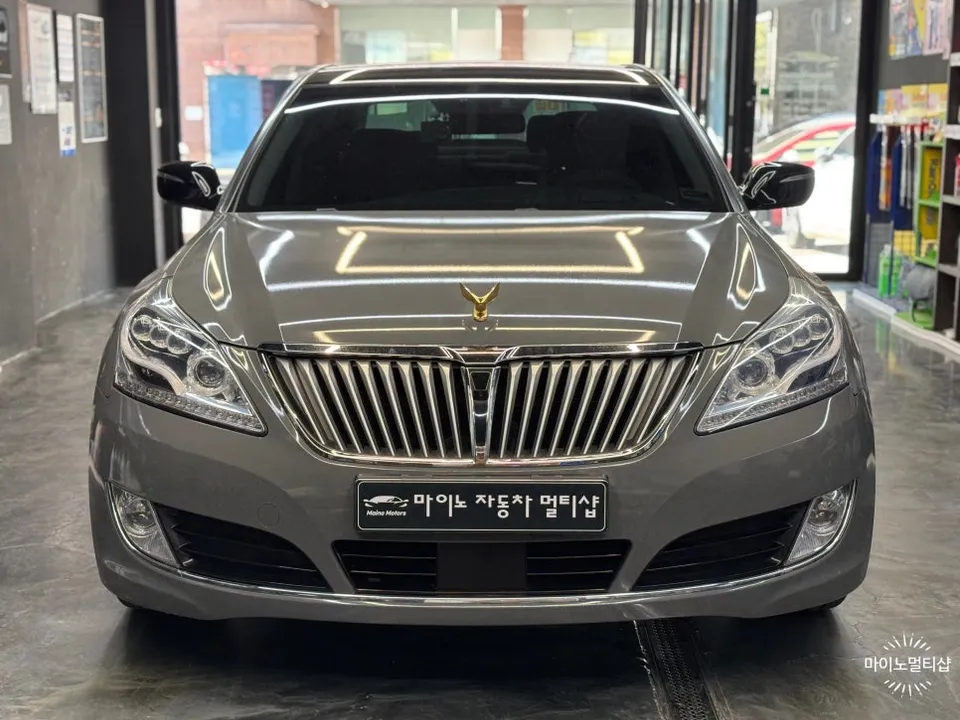
After
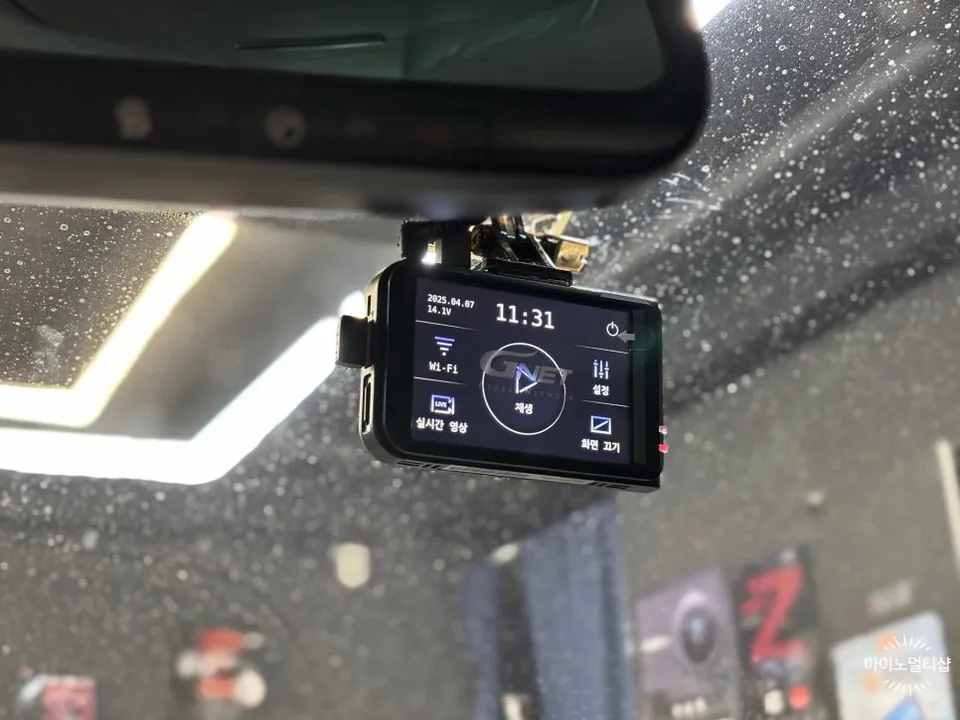
Process photos
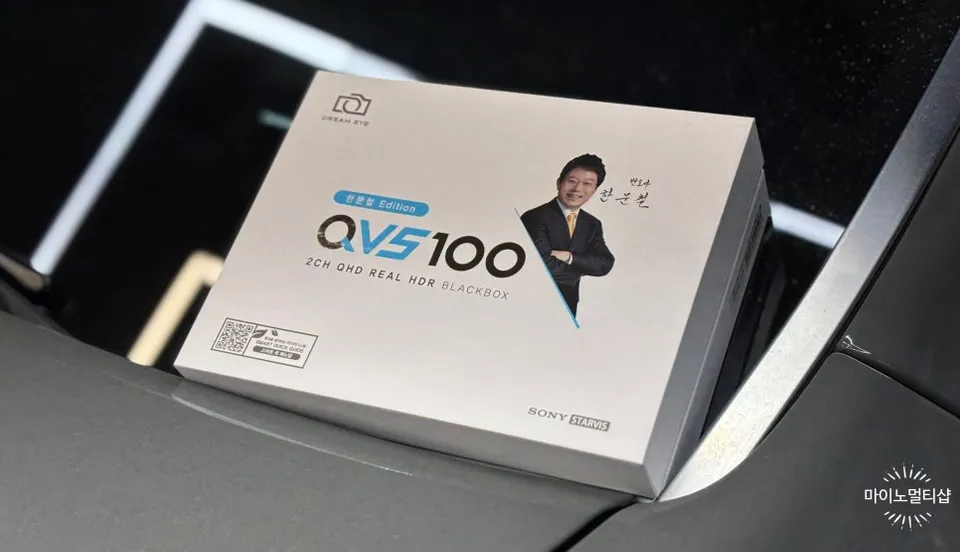
Dash cam installation on Hyundai Equus: approx. $75-$225 USD. Features QHD video, smartphone integration, and ADAS.
Hyundai Equus Dash Cam Installation: QVS100 Review
In the event of a vehicle accident, a reliable dash cam, often referred to as a black box camera, serves as crucial evidence. Have you ever faced the frustration of a dash cam failing to properly save footage when you needed it most? This review focuses on the installation of the Hanmool QVS100 dash cam, a model known for its QHD resolution and convenient smartphone connectivity, on a Hyundai Equus VI. While this specific installation took place in Hwaseong, South Korea, understanding the process, features, and potential costs can help US and UK car owners make informed decisions about their own dash cam installations.
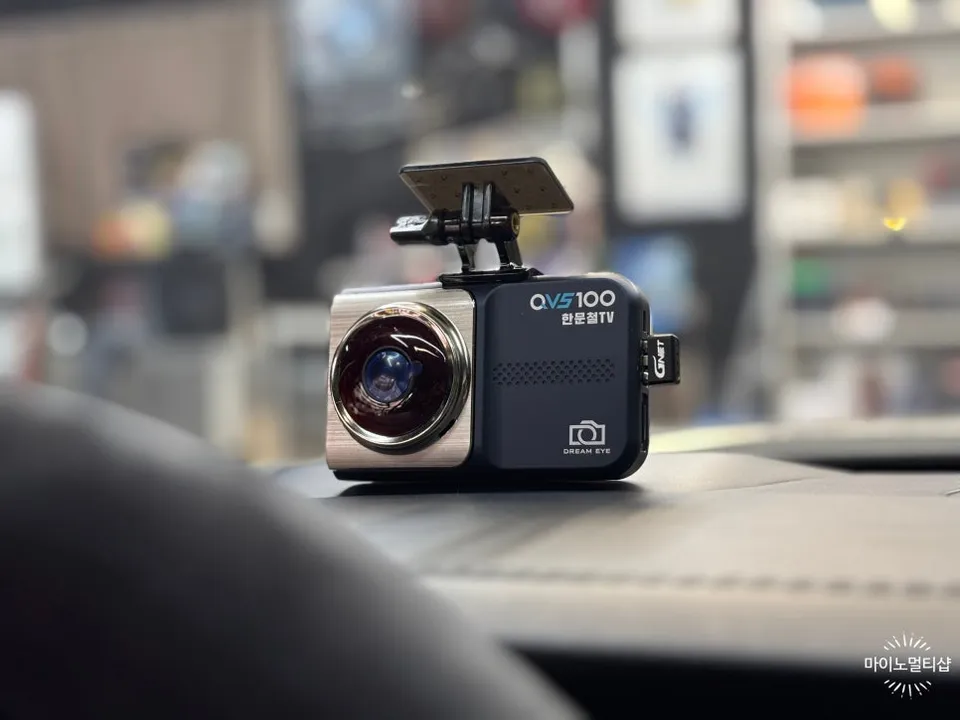
The Hanmool QVS100, distributed by GNET System and promoted by lawyer Hanmool, offers a compelling package with its high-quality video recording and reasonable price point. Both the front and rear cameras capture footage in QHD resolution, ensuring clear and detailed video. It comes standard with a 64GB SD card and includes a 2-year warranty for peace of mind. For those concerned about visibility in challenging conditions, the QVS100 features Night Vision technology, enhancing recording quality in low light. It also includes a Time-Lapse function for extended recording during parking, and a Low-Voltage Protection (LBP) feature to prevent battery drain. Additionally, the integrated GPS enables Advanced Driver Assistance Systems (ADAS), providing alerts for forward collision, lane departure, and child protection zones, contributing to safer driving.
Smartphone Integration for Easy Video Management
One of the standout features of the QVS100 is its seamless smartphone integration. By using an optional GNET Wi-Fi dongle, users can connect to the dash cam via a dedicated smartphone app. This allows for real-time video viewing and even configuration adjustments directly from your phone. The ability to save recorded footage directly to your smartphone's gallery significantly simplifies the process of reviewing and sharing evidence after an incident. Unlike older systems that required removing the SD card and connecting to a PC, the QVS100 offers a much more convenient and immediate way to manage your recordings. Keep in mind that the Wi-Fi connection typically has a range of about 2 meters, meaning you'll need to be close to your vehicle to utilize these features.
Professional Dash Cam Installation Process
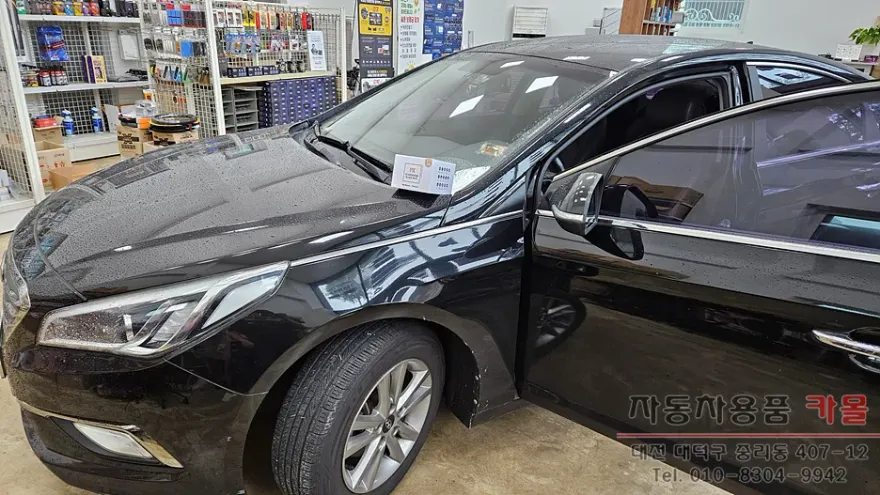
Proper installation is key to the longevity and performance of any dash cam. In this case, the installation on the Hyundai Equus VI was performed at the 'Today's Car' Hwaseong branch. The process involved mounting the main unit on the upper center of the front windshield. Wiring for both the front and rear cameras was meticulously routed along the A-pillar and connected to the fuse box. A critical aspect of professional installation is the careful management of wiring. To minimize rattles and ensure a clean finish, German TESSA brand sound-absorbing tape was used to wrap the wires. This not only prevents noise from vibrations but also adds a layer of sound dampening. The installer completely removed the A-pillar trim to ensure the wiring was secured along the original factory lines, preventing any potential squeaks or rattles during driving. The entire installation process for this front and rear dash cam setup took approximately 30 minutes.
Installation process:
- Mount the front dash cam unit securely to the upper center of the windshield.
- Route the rear camera cable along the A-pillar, ensuring it's hidden and secured with sound-absorbing tape.
- Connect the power and rear camera cables to the vehicle's fuse box, utilizing the LBP feature to protect the battery.
- Test the dash cam and Wi-Fi connectivity to ensure proper operation and smartphone app integration.
The estimated cost for this type of installation in South Korea, including the Hanmool QVS100 model with a 64GB SD card and smartphone connectivity, ranges from approximately 100,000 to 300,000 KRW (roughly $75 to $225 USD, subject to exchange rates). While this specific service was performed in Korea, similar professional dash cam installation services are available in the US and UK, with costs varying based on the installer and the specific dash cam model chosen. For a basic front-only dash cam installation, you might expect costs to start under $100 USD, while a front and rear system with parking mode capabilities could range from $150 to $300 USD or more.
Frequently Asked Questions
Q. How much does dash cam installation cost for a Hyundai Equus?
The installation of the Hanmool QVS100 on a Hyundai Equus in Korea cost approximately 100,000-300,000 KRW (roughly $75-$225 USD). Professional dash cam installation in the US typically ranges from $100 to $300 USD for front and rear systems.
Q. How long does dash cam installation take on a Hyundai Equus?
The installation of a front and rear dash cam system, like the QVS100 on a Hyundai Equus, generally takes around 30 minutes. Proper wiring and sound-dampening ensure durability and prevent rattles.
Q. Is a hardwired dash cam worth it over a self-install for a Hyundai Equus?
A professionally hardwired dash cam is worth it for Hyundai Equus owners seeking reliable parking mode recording and a clean, rattle-free installation. The value lies in the expert routing of wires and integration with the vehicle's power system to prevent battery drain.
Q. How is a dash cam professionally installed on a Hyundai Equus?
Professional installation involves mounting the dash cam unit, routing wiring discreetly along the A-pillar using sound-dampening tape, and connecting it to the vehicle's fuse box for power. The installer ensures all trim is properly reassembled to prevent noise and maintain a factory look.
Q. What is the difference between a 1-channel and 2-channel dash cam for a Hyundai Equus?
A 1-channel dash cam records only the front view, while a 2-channel (front and rear dash cam) system records both front and rear views for comprehensive coverage. For maximum security and evidence gathering, a 2-channel system is highly recommended.
OhCar Partner Shop