Hyundai Elantra Dash Cam Installation Review
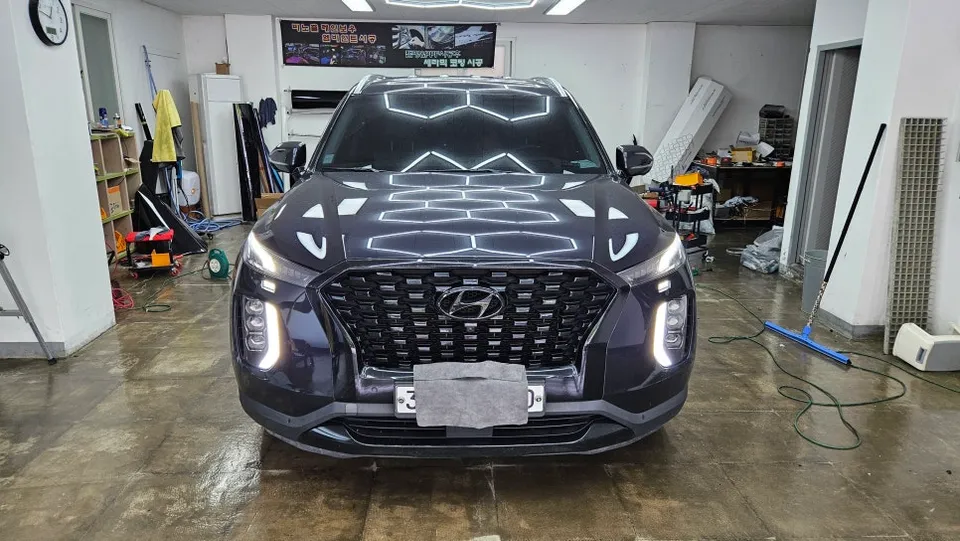
Before
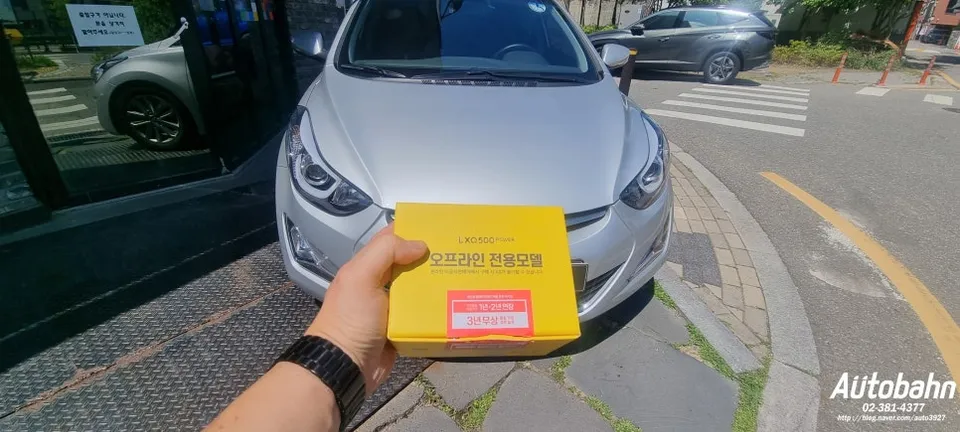
After

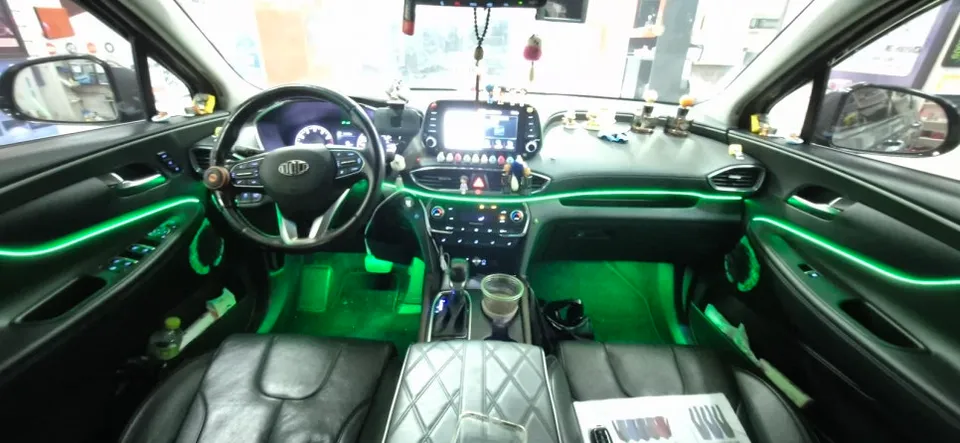
Process photos

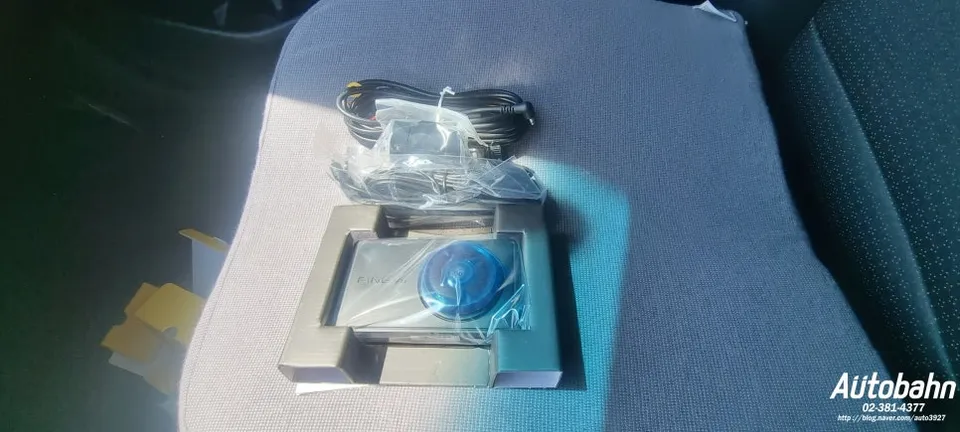
Hyundai Elantra dash cam installation: Professional setup ensures durability and parking mode. Worth the investment for safety.
Professional Dash Cam Installation for Your Hyundai Elantra
Considering a dash cam for your Hyundai Elantra? This review covers the installation process, potential costs, and the real-world benefits of adding a black box camera. We looked at the LXQ500 model, a popular choice for its balance of features and value. Professional installation ensures optimal performance and longevity, especially for features like parking mode.
Dash Cam Installation: What to Expect
The installation process for a dash cam, particularly a front and rear dash cam setup, involves careful routing of wires to maintain a clean interior aesthetic and ensure all functions, including the parking mode dashcam feature, operate correctly. For a Hyundai Elantra, this typically involves accessing the fuse box for a hardwire connection, which powers the dash cam even when the car is off. This process is best handled by professionals to avoid damaging your vehicle's electrical system or voiding warranties. The LXQ500, like many modern dash cams, offers high-definition recording and can significantly enhance your vehicle's safety and security.
Durability, Maintenance, and Value
A professionally installed dash cam is built to last. The wiring is secured to prevent wear and tear, and the unit itself is mounted discreetly. Regular maintenance is minimal, usually involving occasional cleaning of the lens and checking the memory card. The value proposition of a dash cam lies in its ability to provide crucial evidence in case of an accident, deter theft, and offer peace of mind. For a Hyundai Elantra owner, investing in a quality dash cam and professional installation is a proactive step towards protecting yourself and your vehicle.
Installation process:
- Professional assessment of vehicle electrical system and dash cam model.
- Clean routing of power and rear camera cables (if applicable) through headliner and trim.
- Secure hardwiring to the vehicle's fuse box for parking mode functionality.
- Testing of all dash cam features, including recording, Wi-Fi connectivity, and parking mode.

Frequently Asked Questions
Q. How much does dash cam installation cost for a Hyundai Elantra?
Professional dash cam installation for a Hyundai Elantra, like the LXQ500, typically costs around ₩100,000 to ₩200,000 (approximately $75-$150 USD) in South Korea. In the US, expect prices to range from $100 to $300 depending on the complexity and location.
Q. How long does dash cam installation take on a Hyundai Elantra?
Professional dash cam installation typically takes 1-3 hours for a Hyundai Elantra. Proper installation ensures the device's durability, and minimal maintenance, like lens cleaning, is usually all that's needed.
Q. Is a hardwired dashcam worth it over a self-install for a Hyundai Elantra?
A hardwired dashcam is worth it for a Hyundai Elantra if you want reliable parking mode recording and a cleaner installation without dangling wires. Professional hardwiring ensures correct integration with your vehicle's power system, preventing battery drain and potential electrical issues.
Q. How is a dashcam professionally installed on a Hyundai Elantra?
Professional dash cam installation on a Hyundai Elantra involves: 1. Carefully routing cables behind trim panels and the headliner for a clean look. 2. Connecting the power cable to the vehicle's fuse box using a hardwire kit for continuous power and parking mode. 3. Testing the camera's functionality and ensuring secure mounting.
Q. What is the difference between a 1-channel and 2-channel dashcam for a Hyundai Elantra?
A 1-channel dashcam records only the front view, while a 2-channel (front and rear dash cam) records both front and rear views of your Hyundai Elantra. For comprehensive coverage, a 2-channel system is highly recommended.
OhCar Partner Shop