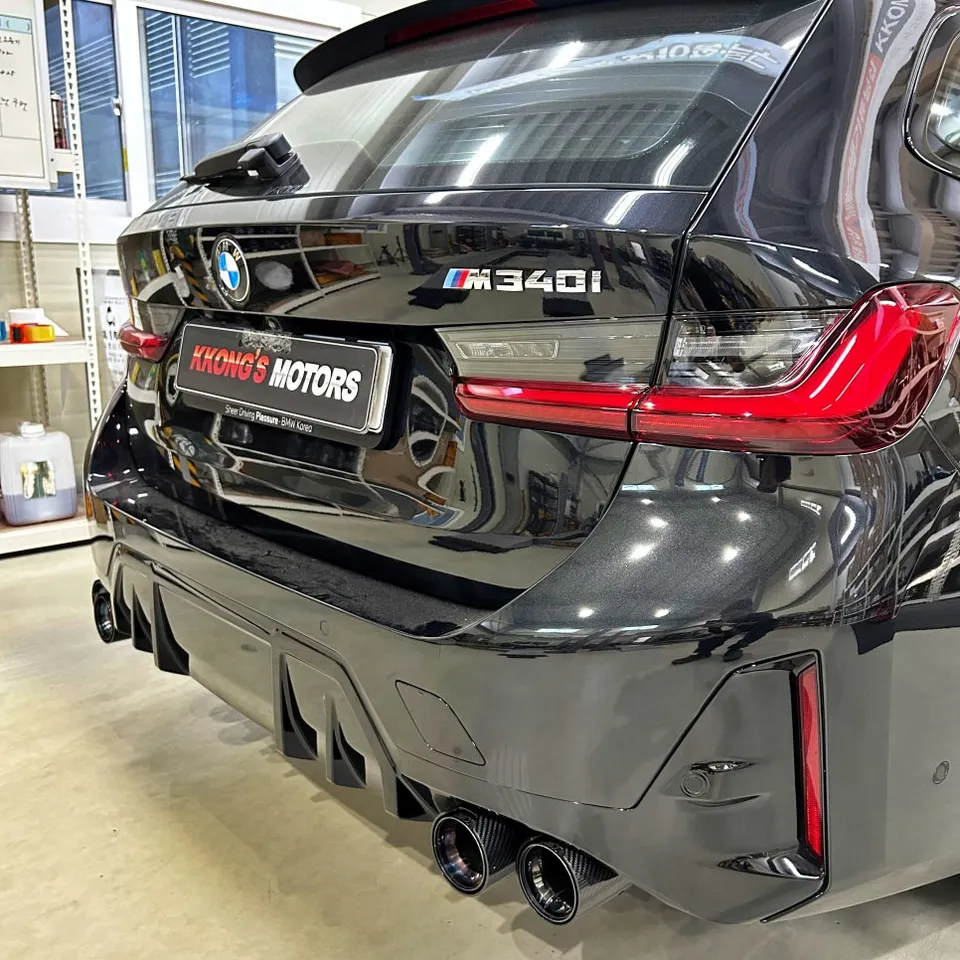
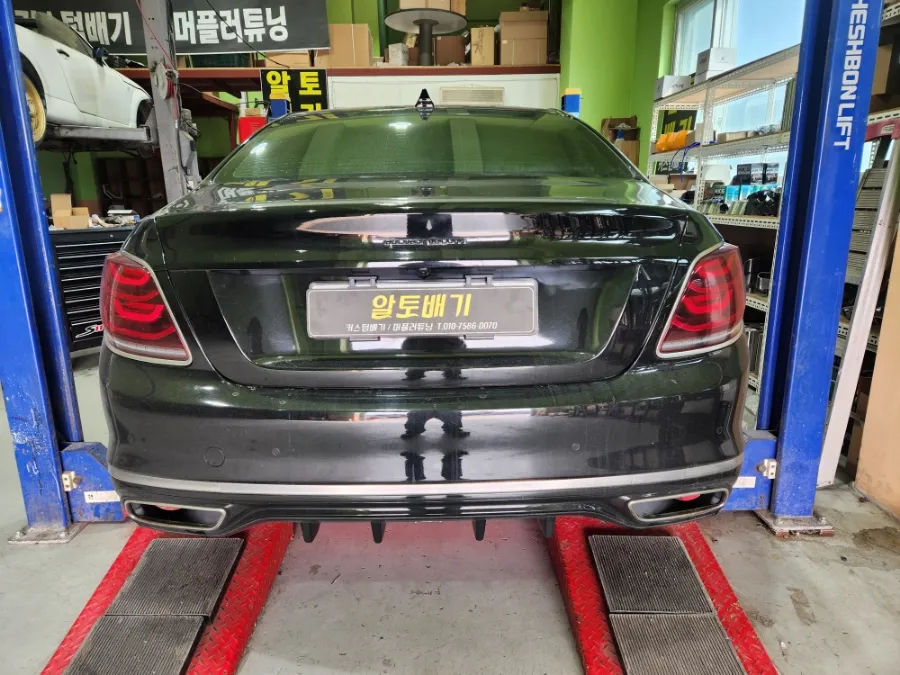
Hyundai Elantra Performance Upgrade Review: Cost & Results
Service Price
$approx. $1,500+
Estimated price · Actual price may vary by shop

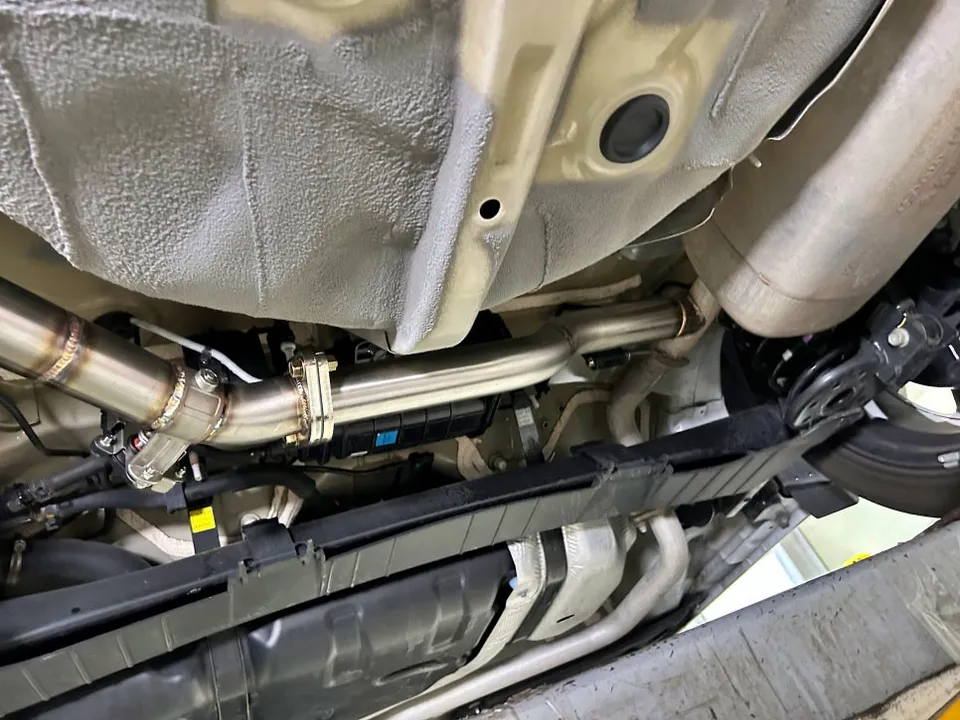
Hyundai Elantra performance exhaust upgrade: Approx. $600-$1100 USD. Offers adjustable sound, enhancing driving experience while maintaining stock qui
Hyundai Elantra Exhaust Upgrade: Balancing Sound and Stock Feel
Many Hyundai Elantra owners find their new car practical and well-rounded, but sometimes lack a certain emotional connection during driving. While the stock quietness is appreciated for daily commutes, the factory exhaust note can feel a bit uninspired. This sentiment, coupled with a desire for a more distinctive rear design, led one owner to seek a solution beyond a simple exhaust modification. The goal was clear: achieve a noticeable change without sacrificing the car's inherent refinement. This review details the process and outcomes of a performance exhaust upgrade on a Hyundai Elantra.
Why Consider an Exhaust Upgrade for the Elantra?
The Hyundai Elantra is a solid choice for a family car, but its standard exhaust system is designed for subtlety. The factory muffler aims to suppress all sound frequencies evenly, resulting in an engine note that lacks character. For drivers seeking a more engaging experience and a bolder aesthetic, an exhaust upgrade offers a compelling solution. A variable exhaust system, often referred to as an active or electric valve exhaust, allows for controlled sound expression. It maintains quiet operation for daily driving while enabling a more spirited tone when desired, transforming the driving experience.
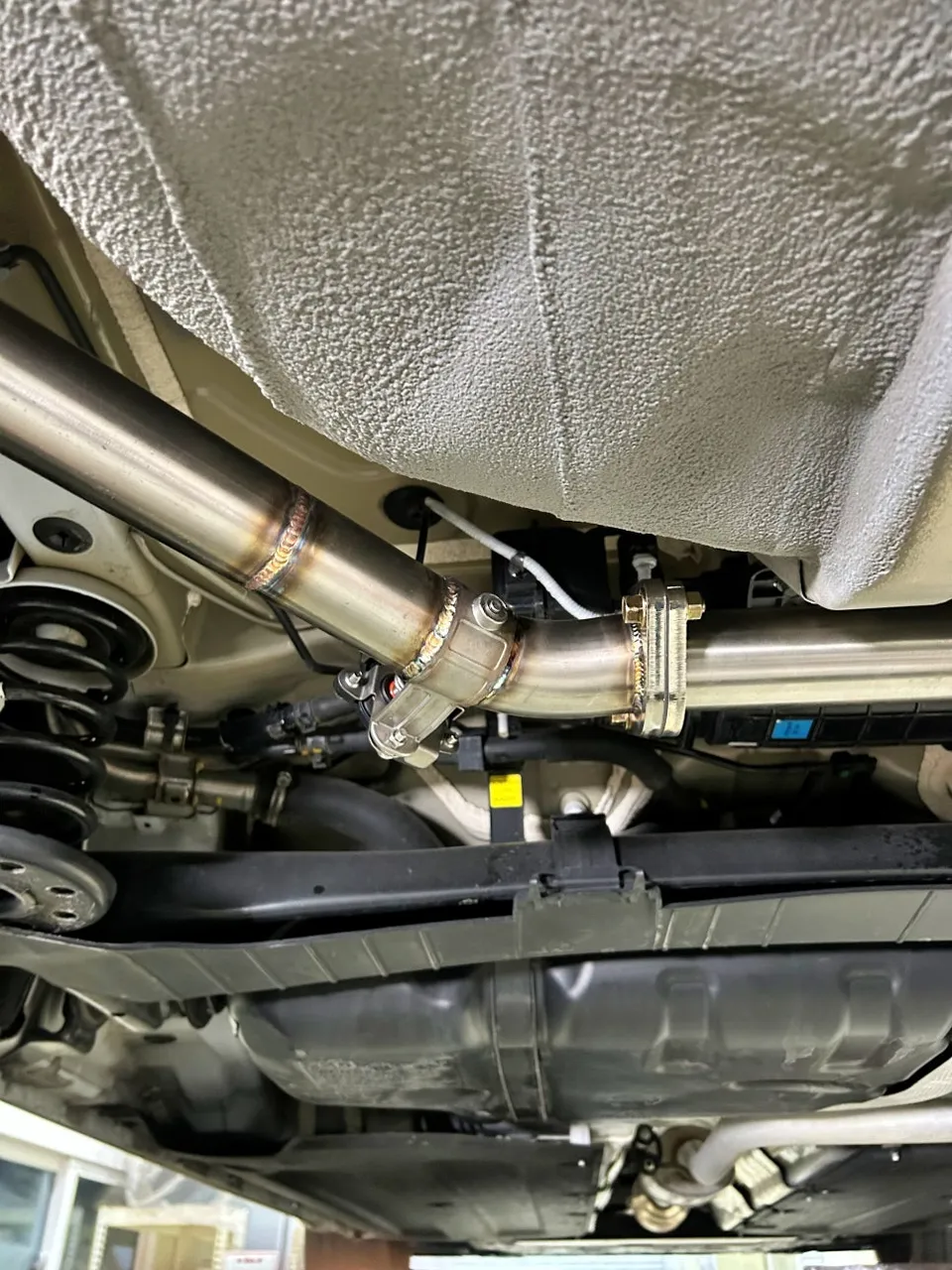
Understanding Variable Exhaust Systems
A variable exhaust system utilizes an electronic solenoid valve to alter the path of exhaust gases. By activating a switch, the driver can open or close this valve, changing the exhaust note. When the valve is closed (OFF mode), exhaust gases flow through the main muffler, maintaining a quiet, stock-like sound level, typically between 70-75 decibels (dB). This is ideal for quiet city driving or early morning departures. When the valve is opened (ON mode), exhaust gases bypass the main muffler and flow more directly to the exhaust tips. This significantly increases the volume, usually to 80-85 dB, allowing the engine's natural sound, including any turbo whistle, to be heard more clearly and adding an exciting auditory dimension to the drive.
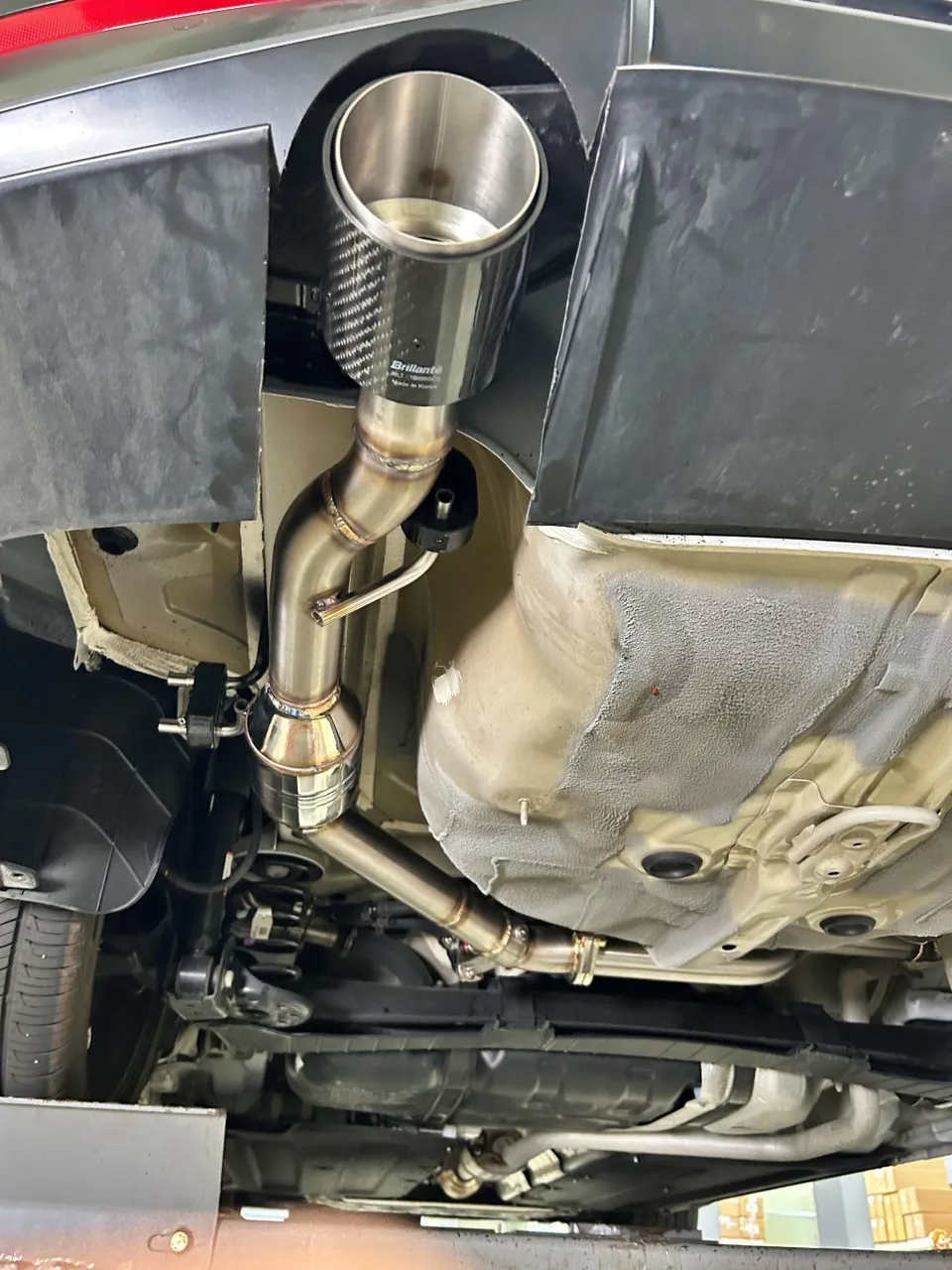
Hyundai Elantra Performance Exhaust Installation and Results
The installation process for a performance exhaust on a Hyundai Elantra requires careful consideration of the vehicle's existing systems. Modern Elantras feature sophisticated exhaust gas recirculation (EGR) systems and complex muffler designs. Simply replacing the stock muffler can alter exhaust backpressure, potentially impacting engine performance. Therefore, a thorough analysis of the original exhaust system is crucial before any modifications are made.
Analysis of the Stock System
Upon inspection, the stock Elantra muffler revealed a complex internal structure with multiple chambers and silencers. This design is optimized for maximum sound suppression. Modifying this without understanding its impact could lead to undesirable noise characteristics or performance loss. The approach taken was not a simple muffler delete or a generic aftermarket part, but a custom, near-stock configuration.
Custom Design and Component Selection
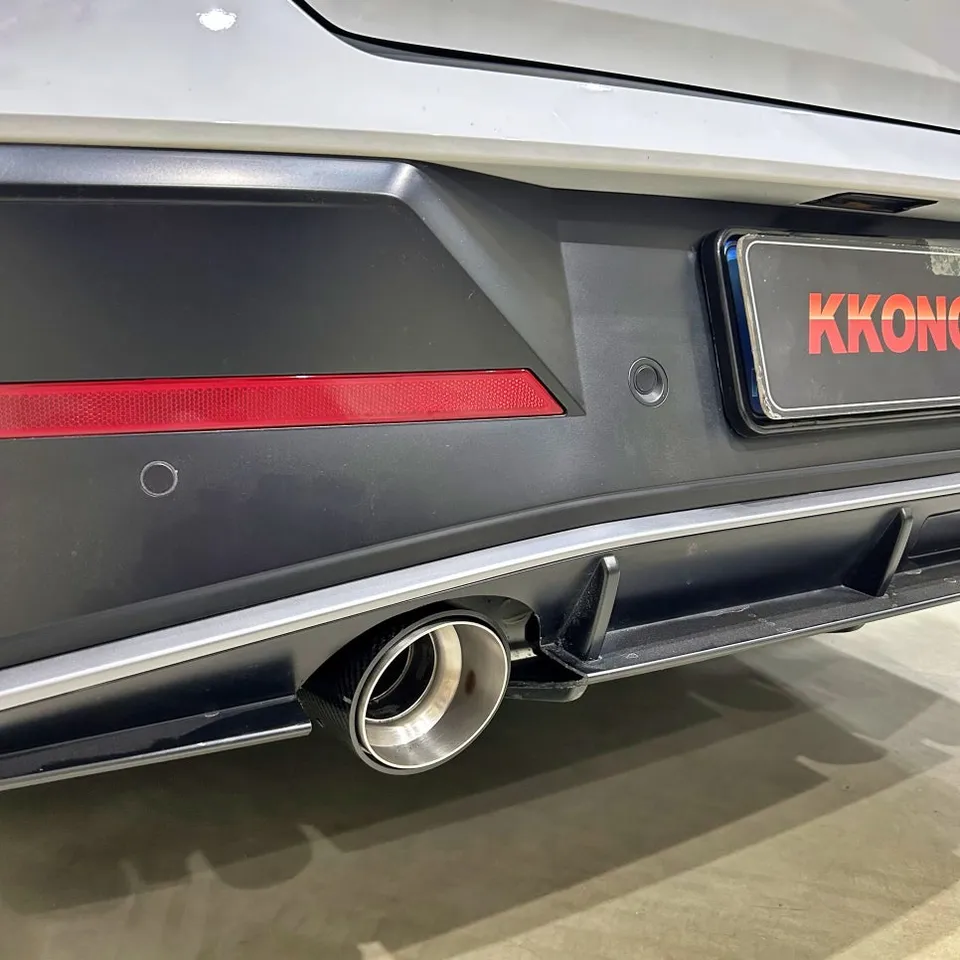
To achieve a premium sound without the harshness sometimes associated with aggressive exhausts, especially in the 1500-3000 RPM range, a custom approach was adopted. This involved maintaining the core logic of the stock muffler's internal design while integrating a variable valve and upgrading the exhaust tips. The materials used were SUS304 stainless steel, known for its excellent corrosion resistance and long-term durability. For this specific Elantra, dual carbon fiber exhaust tips were chosen. These not only reduce weight but also significantly enhance the rear aesthetics of the vehicle.
The Installation Process
Installation typically involves gaining access to the underside of the vehicle, which may require removing the rear bumper. The stock exhaust system is carefully unbolted and removed. The new performance exhaust system, including the variable valve mechanism, is then fitted. Custom hangers and connections ensure a secure and precise fit. Finally, the exhaust tips are attached, and the system is tested to ensure proper function of the variable valve and to check for any leaks. The entire process usually takes a few hours.
Before and After Results
The transformation was significant. In the quiet mode (variable valve closed), the Elantra maintained its refined, stock-like sound, suitable for all driving conditions. However, when the valve was opened, the exhaust note became noticeably deeper and more resonant, providing an engaging auditory experience without being overly intrusive. The visual upgrade from the carbon fiber tips also contributed to a sportier appearance. The performance upgrade successfully delivered on the promise of a controlled, customizable sound profile.
Cost and Timeframe
The cost for this type of custom variable exhaust upgrade on a Hyundai Elantra can vary, but in Korea, it typically ranges from approximately ₩800,000 to ₩1,500,000 (roughly $600 to $1100 USD, depending on exchange rates and specific components). The installation itself usually takes between 3 to 5 hours, depending on the complexity and the shop's workflow.
Frequently Asked Questions
Q. How much does an exhaust upgrade cost for a Hyundai Elantra?
This custom variable exhaust upgrade for the Hyundai Elantra cost approximately ₩800,000 to ₩1,500,000 (around $600-$1100 USD). Similar performance exhaust systems in the US can range from $500 to $2000 depending on the type and brand.
Q. How does an exhaust upgrade affect performance on a Hyundai Elantra?
While primarily focused on sound, a well-designed performance exhaust can offer minor improvements in throttle response and potentially a slight increase in horsepower due to reduced backpressure. Durability is excellent with SUS304 stainless steel, and maintenance typically involves occasional checks for leaks or damage.
Q. Is an exhaust upgrade worth it for a Hyundai Elantra?
An exhaust upgrade is worth it for Elantra owners seeking a more engaging driving sound and improved aesthetics without sacrificing daily drivability. It's ideal for those who want to personalize their vehicle's character.
Q. How is an exhaust system upgraded on a Hyundai Elantra?
1. Access the vehicle's underside, potentially removing the rear bumper. 2. Unbolt and remove the stock exhaust system. 3. Install the new performance exhaust, including the variable valve mechanism and any necessary piping. 4. Fit the new exhaust tips and secure all connections. 5. Test the system for leaks and proper valve operation.
Q. What is the difference between a catback and axleback exhaust for a Hyundai Elantra?
An axle-back exhaust replaces only the muffler and tips, offering a simpler and often more affordable sound upgrade. A cat-back exhaust replaces everything from the catalytic converter back, including the mid-pipe and muffler, generally providing a more significant sound change and potential performance gains.
OhCar Partner Shop